Foraging sounds romantic: wandering through the woods, basket in hand, discovering fresh ingredients nature planted just for you. In reality, most beginners worry about one thing: accidentally eating a plant that would prefer you didn’t. The good news is that foraging can be safe, fun, and incredibly rewarding when you start simple, learn basic plant identification skills, and follow a few smart guidelines.
This beginner-friendly guide breaks down how to forage safely, what to look for, what to avoid, and how to build confidence without relying on luck or guesswork. Wild food has been part of human life for thousands of years — you’re just reconnecting with something your ancestors already mastered.
Learn the Basics Before You Harvest
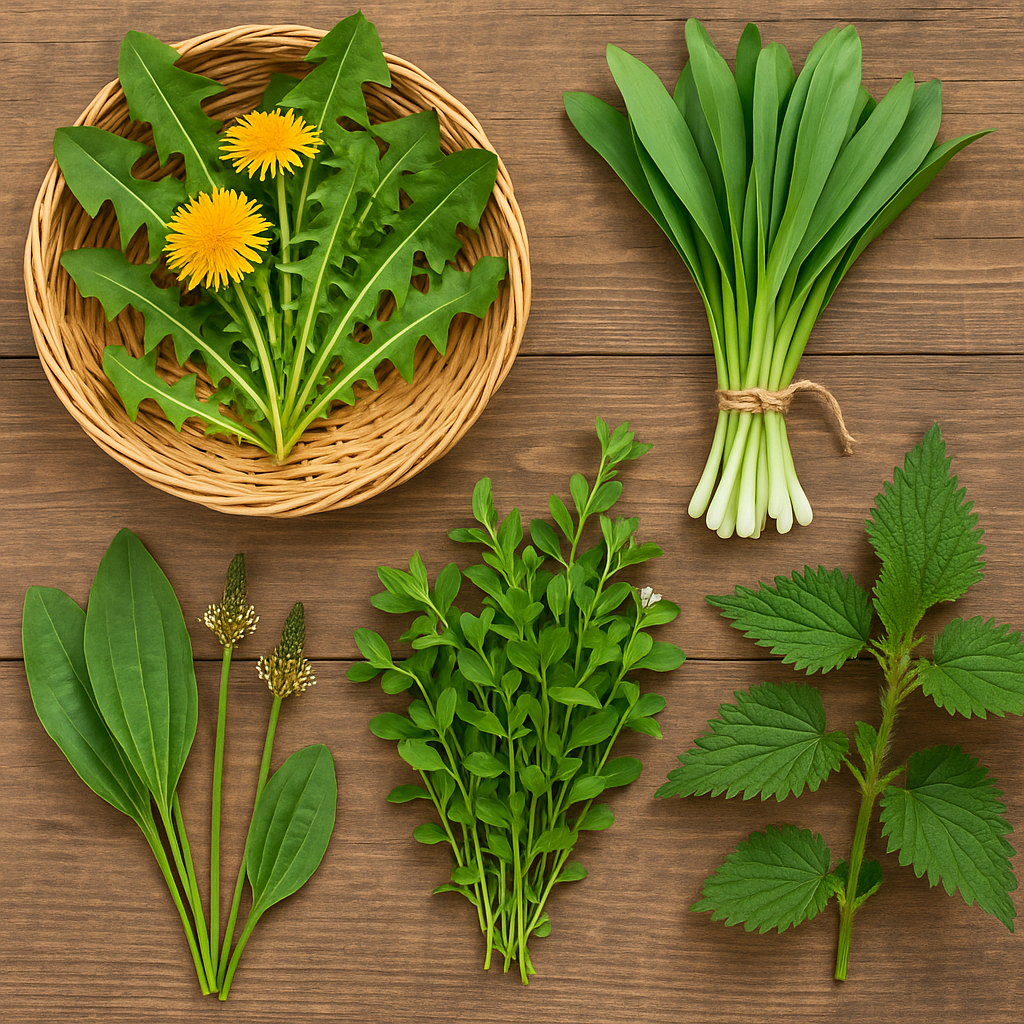
The first rule of foraging is also the simplest: never eat anything you aren’t 100 percent sure about. Plant lookalikes are real, and confidence comes from knowledge, not enthusiasm. Start by learning the most common edible plants in your area instead of trying to identify everything you see. Dandelion, clover, plantain, chickweed, violet, nettle, wild garlic, and purslane are some of the easiest and safest plants for beginners to recognize.
Use reputable field guides, local workshops, or plant identification groups with expert moderators. Apps can help, but they shouldn’t be your only source. The more familiar you become with plant shapes, leaf patterns, stems, and growing environments, the easier it becomes to recognize plants accurately and quickly.
Forage in Clean, Safe Locations
Where a plant grows matters just as much as what it is. Avoid roadsides, industrial areas, sprayed lawns, polluted waterways, and places treated with pesticides or herbicides. The safest foraging spots are forests, meadows, trails, community green spaces, and private land with permission. If pets, livestock, or heavy traffic frequent an area, assume contamination and skip it.
Sustainable foraging also means respecting the land. Never harvest rare plants, endangered species, or sensitive habitats. Take only what you’ll actually use, and leave enough for wildlife and plant regeneration. Nature provides generously when we harvest responsibly.
Start With Easy, Edible Plants
Confidence grows when you begin with plants that are unmistakable, versatile, and widely available. Here are a few beginner-friendly options:
Dandelion
Leaves, flowers, and roots are all edible. Tender young leaves are great in salads or sautés.
Plantain (Broadleaf or Narrowleaf)
Known for soothing skin, it’s easy to spot by its ribbed leaves. Can be eaten cooked or used in salves.
Wild Garlic or Ramps
Distinct onion scent makes them easy to recognize. Delicious in sauces, soups, and pestos.
Chickweed
Mild flavor and star-shaped flowers make it ideal for salads and wraps.
Stinging Nettle
Handle with gloves before cooking. Rich in nutrients and excellent for soups and teas.
These plants are widely recognized, deeply documented, and have no dangerous lookalikes when properly identified.
Learn the Key Identification Features
Instead of relying on a single characteristic, learn to look at the whole plant:
• leaf shape and texture
• growth pattern
• stem structure
• flower characteristics
• habitat and season
• scent (when safe to smell)
The more details you notice, the less room there is for mistakes. Over time, you’ll develop plant recognition the same way you recognize faces — effortlessly.
Harvest and Prepare With Care
Rinse foraged plants thoroughly, remove insects or debris, and start with small servings if you’re new to a plant. Just like trying a new food at a restaurant, your body needs time to adjust. Some plants taste best cooked, others shine raw, and many herbs can be dried, infused, or blended into teas, oils, vinegars, or seasonings.
Foraging isn’t just about eating — it’s about connection. You slow down, observe your surroundings, and develop a deeper relationship with the natural world.
Why Foraging Is Worth Learning
Foraging helps you:
• save money on fresh greens and herbs
• boost nutrition naturally
• spend more time outdoors
• reduce dependence on packaged produce
• reconnect with seasonal rhythms
• teach kids about nature in a hands-on way
Wild food brings flavor, adventure, and a sense of empowerment into your daily life.
Start Small, Stay Curious
Choose one plant. Learn it fully. Recognize it in different stages. Harvest it. Taste it. That’s how confident foragers are made — slowly, intentionally, and with respect for the land that grows the food.