

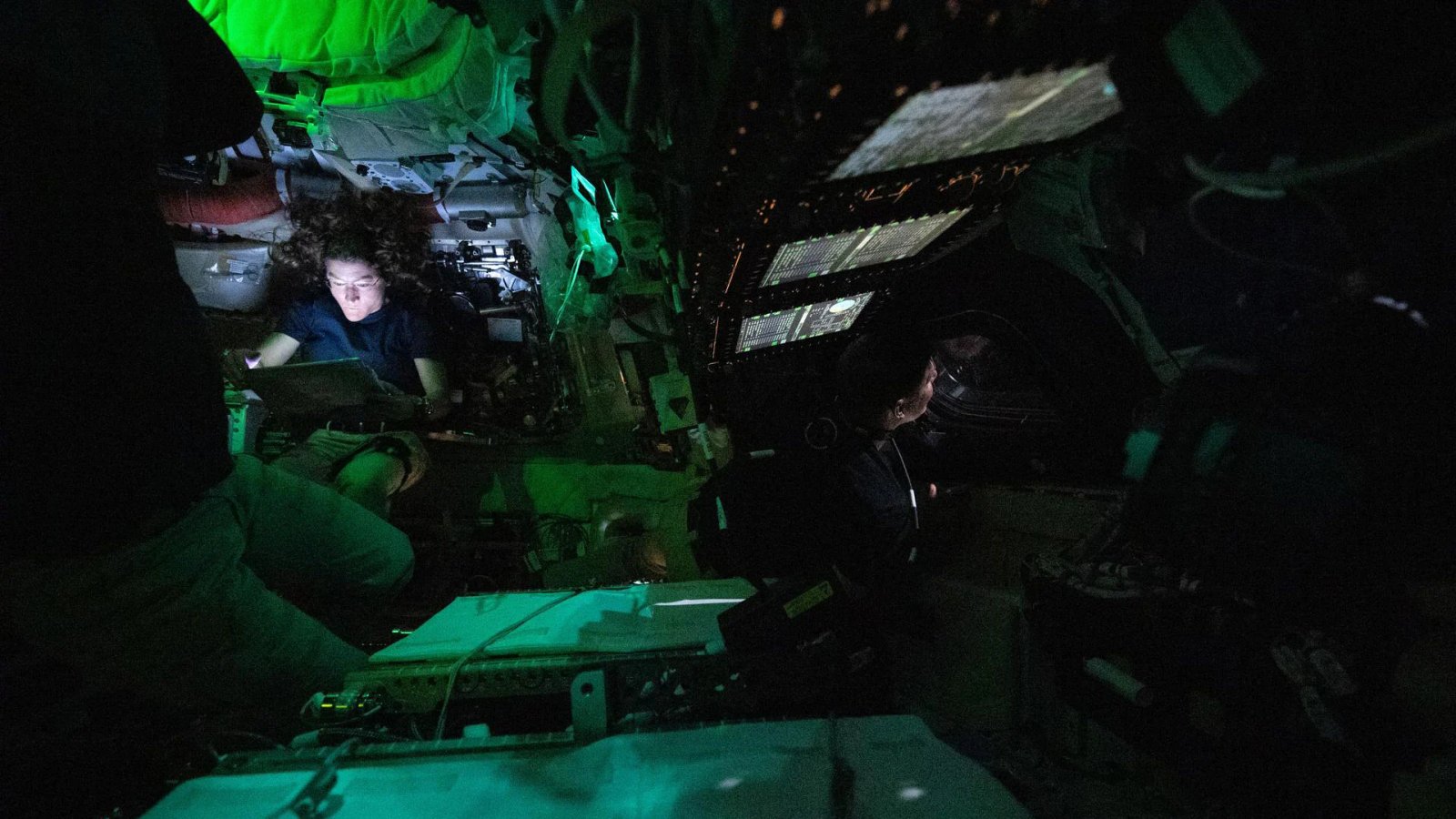
As American astronauts fly to the moon for the first time in 50 years, the test flight has gone off without a hitch . . . well, almost. This time around, the “Houston, we’ve had a problem” moment came with much lower stakes than Apollo 13’s oxygen tank leak.
NASA’s Artemis II is the first crewed mission featuring a proper toilet—a major upgrade from the Apollo-era days of astronauts chasing runaway bodily emissions in zero gravity.
Historically, waste capture was handled by a crude system of plastic bags attached to space suits, a headache for astronauts already contending with the many life-threatening challenges of space travel. So far, the high-tech toilet has come with some problems of its own.
Toilet troubles
Within hours of launching, a blinking fault light signaled that the toilet was acting up. That problem caused the space loo to be closed for repairs during the mission’s first six hours—a short interval of time, but long enough to force at least one astronaut to relieve himself the old-fashioned way: into a bag connected to a funnel.
In a press conference last week, Artemis II flight director Judd Frieling explained that the toilet didn’t have the right amount of water in its dispenser to keep the pump wet enough to work. “Once we figured out that we didn’t put enough water in, we put more in there, [and] made sure . . . the pump was primed, and then the toilet came right back up.” Self-described “space plumber” Christina Koch, one of the four astronauts, implemented the fix.
“The Artemis II crew, working closely with mission control in Houston, were able to restore the Orion spacecraft’s toilet to normal operations following the proximity operations demonstration,” NASA’s Joseph Zakrzewski wrote in a mission update on Thursday.
The waste management system caused problems again on Saturday, when it wasn’t able to successfully vent collected waste into space. Frieling told reporters over the weekend that the issue was likely caused by frozen urine blocking the line.
