

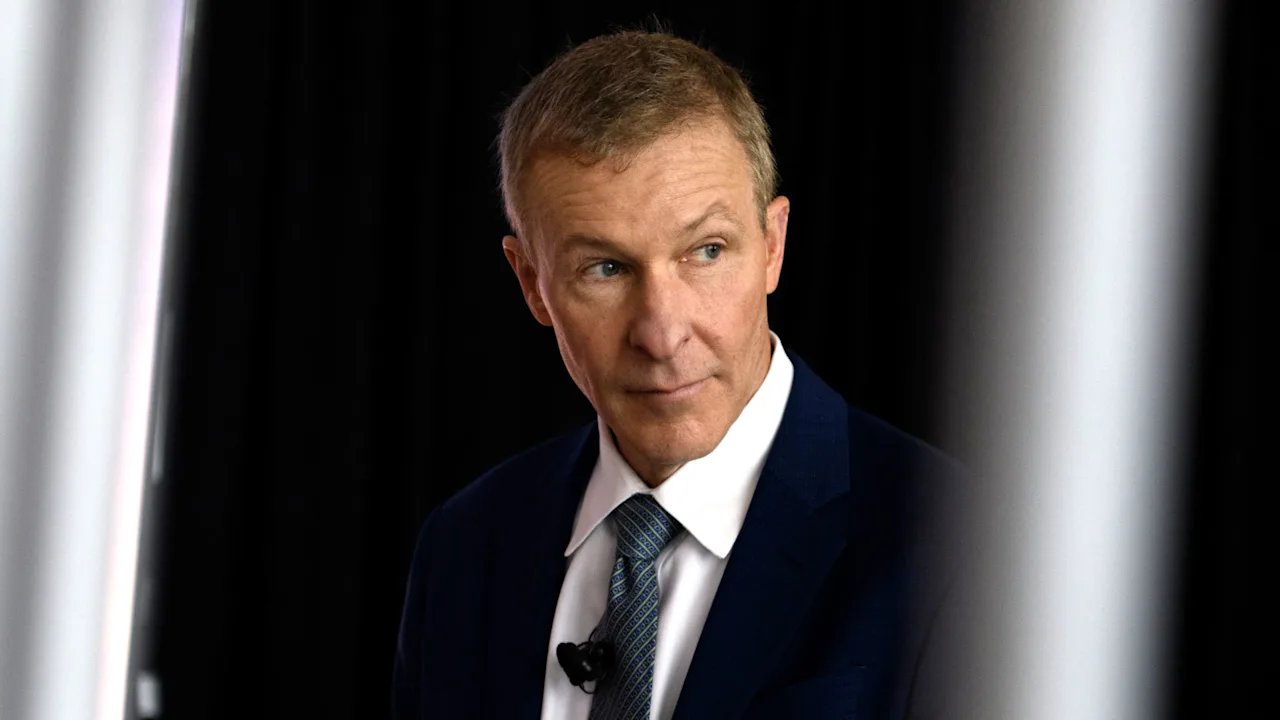
One advantage of writing about airlines and business for a long time is perspective. I’ve been covering United Airlines since before the pandemic, which means I’ve been able to watch how CEO Scott Kirby responds when things get difficult.
Back then, I was struck by how Kirby often sounded different from some of his competitors — most notably Delta Air Lines CEO Ed Bastian. I’m not going to say one was wrong and one was right, but they were different:
Kirby’s approach was straightforward: Describe the situation as it is, even if that meant sounding more cautious than others. Bastian, by contrast, more often emphasized recovery and optimism.
If you’ve followed United for a while, this will sound familiar.
During Covid-19, Kirby framed the situation in blunt terms, even reaching for a Churchill quote to describe the uncertainty.
A year later, he talked about demand returning, but only after laying out the reasons it might not.
He has also been willing to move ahead of competitors, including on vaccines.
Now there’s another test: war in Iran, sharply higher fuel prices, and a real cost shock for the industry.
Kirby addressed it all in a message to employees that was also released publicly. Here’s part of what he told employees will and won’t happen:
“Many of you will remember in United’s past that storm clouds like this caused United to furlough employees, defer aircraft orders, downgrade to regional jets, go through cost-cutting exercises, delay investments in the future, etc. We are not going to do that.”
Those last seven words jumped out at me because he’s addressing a specific fear.
Employees know the pattern. When costs spike and uncertainty rises, airlines cut.
Jobs, routes, plans — everything gets smaller. They’ve seen it before. Kirby names that pattern directly, and then overrides it.
Now, that promise only works if it’s credible.
So he backs it up. United has more cash than it did before Covid-19, stronger margins than most competitors, and a better credit rating than it has had in decades.
That gives it room to absorb higher fuel costs without changing direction.
He also puts numbers on the problem. Fuel prices have more than doubled in three weeks. If they stay there, the added cost would exceed what United has made in its best year.
This is a tough environment, and employees need reassurance — if they can believe it.
Look, you’re probably not running an airline, but I’ll bet you’re running a business, or at least you aspire to.
That’s why we study lessons like this.
In a crisis, leaders often focus on what actions they’ll take. However, sometimes the more important move is to identify the outcome people are expecting — and state clearly that you are not going to allow it.
Do that. If your employees believe you and you follow through, you pass the test.
—Bill Murphy Jr.
This article originally appeared on Fast Company’s sister website, Inc.com.
Inc. is the voice of the American entrepreneur. We inspire, inform, and document the most fascinating people in business: the risk-takers, the innovators, and the ultra-driven go-getters that represent the most dynamic force in the American economy.
