

Published April 20, 2026 03:00AM
Outdoor recreation has earned a place in the health and wellness conversation. Now, it’s time to put it at the center. Next month, the Outdoor Recreation Roundtable (ORR) and its partners are laying out how.
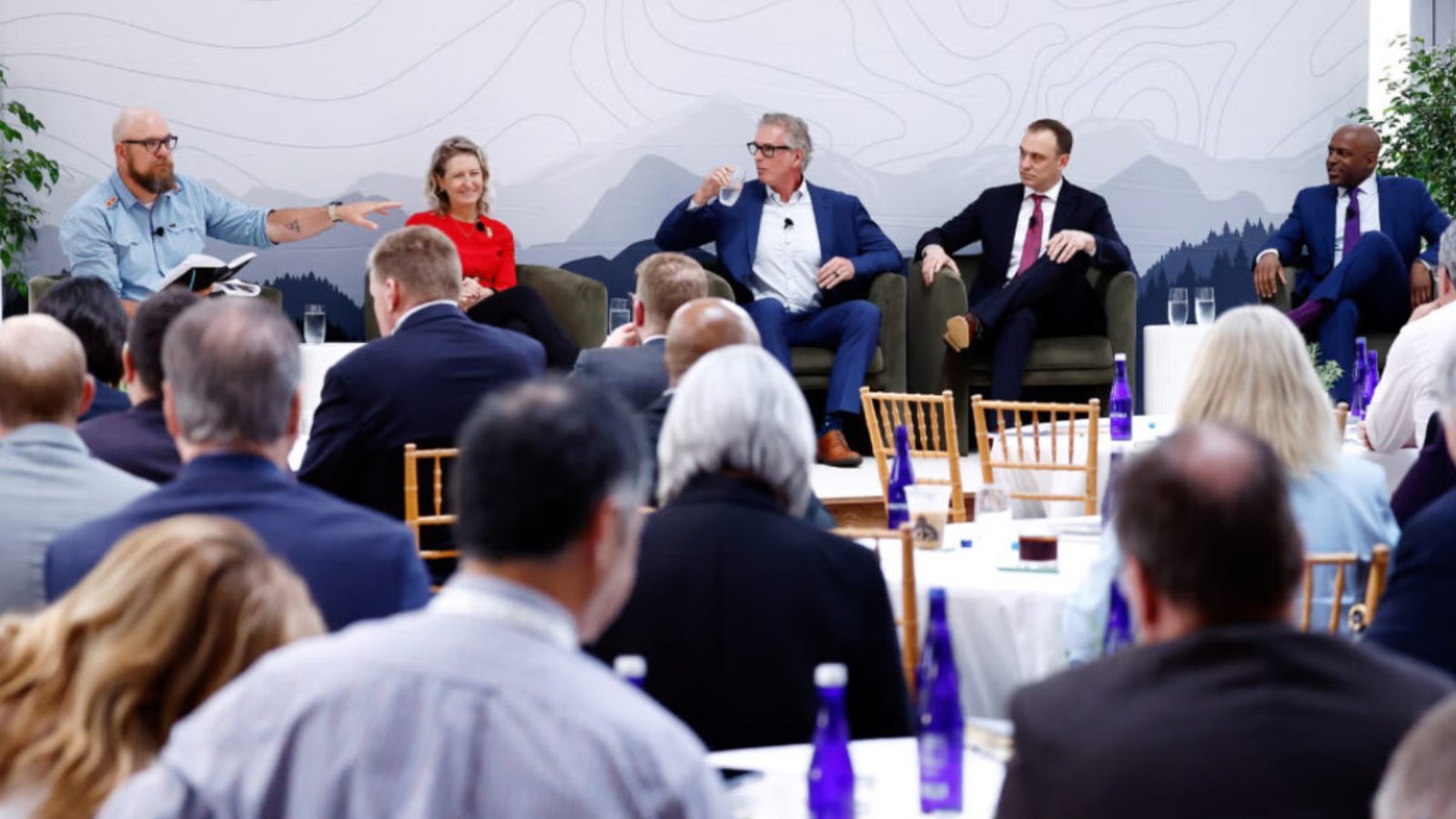
In a first-of-its-kind event being held in Washington D.C. from May 6 to 7, the ORR, a leading coalition and powerful policy voice in the outdoor industry, is holding a National Executive Forum. The forum will invite major players from the government and health sector to align to activate a national vision, Jessica Wahl Turner, president of ORR, told Outside. The hope is that progress won’t take five to ten years, but five to ten months, she said.
Outside CEO Robin Thurston will speak at the forum. In addition to participating in the event, Outside Inc. (our parent company) will also officially join ORR’s Outdoor Business Council, a group uniting outdoor industry leaders to drive sustainable, inclusive economic growth.
“We’re proud,” he shared. “The outdoor recreation economy is a $1.3 trillion force. It’s time it’s recognized as one of the most impactful industries shaping the future of American health and wellness.”
Outdoor Recreation: The Answer All Along
“We are at the convergence of three powerful forces,” said Turner. “The unprecedented demand for outdoor recreation and access, global trends that are pulling people indoors and disconnecting them from one another and nature, and rising rates of chronic disease and mental health challenges, alongside unsustainable healthcare costs.”
If these trends continue, we risk poorer health, rising debt, and deeper disconnection from each other and the natural world. “This is our moment to change that,” Turner said.
The roundtable event will drive home the point that spending time outdoors has been a part of the answer to these issues all along, and it will recognize the groups that have been working hard to bring about real change.
“For a long time, the outdoor industry felt like it was pushing against the current—advocating for something people understood but hadn’t fully embraced in their daily lives. That’s changing,” said Thurston. “We are at an extraordinary moment where culture is finally moving toward us. The digital fatigue we are seeing has triggered a ‘biological revolt’ against screen saturation, making the outdoors not just a trend, but a human necessity. Our job now is to meet that moment and accelerate it.”
Potential to Activate the Health Industry
The three pillars of vision that the ORR has set in motion and built the forum around are infrastructure and investments, health systems and institutions, and culture and messengers.
“Each of these pillars is equally important to the success of this vision to mainstream the push for outdoor recreation as a public health intervention,” said Turner. “But particularly notable is the potential to activate the health industry—and state health agencies around the country—as investors in the recreation economy.”
U.S. healthcare spending is up to $5 trillion, at least, according to our most recent numbers, and one in five kids has a mental or behavioral health diagnosis, according to the CDC. Heart disease is still the leading cause of death, and the outdoors is an underutilized tool of prevention.
“My hope is that every attendee—whether they are an outdoor CEO, health expert, federal leader, elected official, or state director of outdoor recreation—understand that integrating outdoor access into health strategy is a practical, bipartisan, and scalable opportunity,” said Turner. “I want the health sector to see the outdoor recreation industry as a genuine partner in solving America’s health crisis, and I want our industry to fully understand the role it must play.”
“If we leave with concrete commitments to formally recognize outdoor access as a public health solution, that’s a win,” said Thurston.
Preview of the Roundtable
The roundtable will present decades of research, political momentum, infrastructure, and a passion for the outdoors.
During the two-day event, sessions will cover topics like what it will take to make outdoor prescriptions reimbursable and measurable, how to align Cabinet and C-suite leaders around a shared health vision, where bright spots are already working on public lands and in communities, and what a real long-term partnership between care systems and the outdoor economy could look like.
Key speakers include Secretary of the Interior Doug Burgum, U.S. Representative Gabe Vasquez, U.S. Department of the Interior Undersecretary Michael Boren, and the United States Department of Agriculture.
Alongside discussions across sectors, Richard Louv, author of Last Child in the Woods, will receive the Outdoor Recreation Lifetime Achievement Award.
Thurston’s panel, titled No More Bowling Alone: Shifting Culture Towards the Outdoors as a Health Solution, will address how leaders in the outdoor industry can “promote outdoor time as more than a lifestyle perk and start embedding it into the everyday fabric of how people live, work, and find balance,” he said.
Like the recent success experienced in passing the EXPLORE Act, “we’ll have to come together in major ways to bring this national vision to life,” said Turner.
“The research is already there,” Thurston told Outside. “What we need now is the institutional will to act on it. The best outcome is that this forum isn’t a moment, but the start of a sustained national movement.”
“I want attendees to look back on this forum in five years and see it as a turning point for public health,” Turner said.
You can read more about the ORR’s vision for the forum and beyond here.
