

Published May 22, 2026 03:02AM
The worst part of my bucket list snorkeling trip in Thailand was the bucket. “And here’s the bathroom,” said our guide as he gave us a tour of the 20-passenger boat that would take us around the Phi Phi Islands. I hoped he was kidding. The red plastic bucket at his feet was smaller than a Big Gulp. Nobody laughed.
My ex-boyfriend still teases me about all the fish I “fed” on that trip. While the others snorkeled in the shallow sea of turquoise, teeming with life, I doggiepaddled in the dark, open water. Polluting paradise isn’t one of my proudest moments. But I have Irritable Bowel Disease (IBD). When nature calls, I can’t send her to voicemail.
An estimated 1.7 million Americans live with Irritable Bowel Disease, either Crohn’s disease or ulcerative colitis. Another 35 million have Irritable Bowel Syndrome. Their shared symptoms— diarrhea, urgent bowel movements, and abdominal pain–have 77 percent of sufferers avoiding situations where bathroom access is limited.
That said, you can panic about pooping without an official diagnosis. Outdoors, it’s the great equalizer.
Runner’s trots plague everyone from casual joggers to marathon podium finishers. Gas station intervals haunt cyclists. Bubble guts are the reason some hikers never graduate to backpackers. The snowsuit scramble skiers have to perform to peel off their layers in time often gets the heart rate up higher than a triple black diamond can. And diaper rash is a sore subject among free climbers.
What Leads to Stomach Problems in the Backcountry
Like many kids who grow up in Montana, being outdoorsy wasn’t optional. I knew the answer to the “What kind of bear scat is it?” dad joke—black bear poop has berries, grizzly bear poop has bells—before I could recite my ABCs. And I learned to look for poison ivy before popping a squat by the age of three. But as I’ve gotten older, my bowel movements in the backcountry—or off the back of a boat in the Andaman Sea—have gotten more complicated.
Digestive issues tend to worsen as we age. Our gut motility slows down, pelvic floors weaken, and our microbiome changes. Keeping up with new food sensitivities can also feel like an unwinnable game of Whac-a-Mole.
In my early thirties, I ended a decades-long love affair with my favorite snack bars when I was forced to choose between my tentmate and soy protein isolate. The latter gave me gas and had us both up all night. I also went through more than my allotted number of wag bags, another point of contention.
Still, protein bars, energy gels, dehydrated meals, and last-minute gas station burritos aren’t the only things that can wreak havoc on our guts when we go outside.
“Environmental stressors such as physical exertion, disrupted sleep, temperatures, altitude, and dehydration can amplify the digestive symptoms someone experiences at home,” says Dr. Matthew Hoscheit, a gastroenterologist at Cleveland Clinic. Add in mental stressors—such as the anxiety of knowing you’ll have to do your business off-trail where you could stumble upon a rattlesnake den or trigger an avalanche—and it’s easy to psych yourself out to the point of skipping meals.
Don’t do that.
I once fasted before a hike in the Sonoran Desert because I knew there would be no tree cover. Feeling faint just a few miles in, I nearly passed out. Impaling myself on a cactus would have been far worse than blinding another hiker with my bare ass.
How to Avoid Poop Emergencies Outdoors
Instead of starving ourselves, we should identify our red flag foods and only fuel up with foods that agree with us. It requires more planning, but it’s a constant in a sea of variables. Many athletes swear by bananas, eggs, oats, rice, lactose-free milk, and other no or low-FODMAP foods. Fermentable carbohydrates (FODMAPs) aren’t inherently bad. But for some people, including those with IBD or IBS, they’re more likely to cause gas, bloating, and discomfort, especially during exercise.
Staying properly hydrated is also paramount for motility. Water alone won’t cut it.
“Maintaining electrolytes helps keep our intestines working normally,” explains Dr. Hoscheit. “Water lacks electrolytes such as salt and magnesium, which are so important for good bowel function.”
Hopefully, the customs officer doesn’t inquire about the 200 Nuun tablets in my luggage when I touch down in Botswana for a mountain biking safari next week; cramping in the bush where the big five thrive and every bathroom break requires armed reconnaissance? No thanks.
Of course, you don’t need to jet off to Africa to practice for outdoor poop emergencies.
Dr. Hoscheit recommends starting with shorter hikes or camping trips along routes with real bathrooms. “You can understand the pattern of your digestive system throughout these times, and build a routine, along with confidence, for longer trips.” If necessary, keep a journal. There are even apps to help you log and analyze poops.
Don’t write off medications or supplements, either. Many avid outdoorspeople swear by everything from probiotics to antidiarrheals. Personally, Remicade infusions keep me semi-regular.
Finally, those blessed with the ability to wait it out can wield that superpower. “If you’re holding back the urge to have a bowel movement in very specific and isolated circumstances, the likelihood you’re going to have any long-term problems is rare,” says Dr. Hoscheit.
When stalling isn’t an option, simply linger back and leverage the “I’ll catch up” euphemism. Or be blunt and (with a wink) say you have to “go water a tree.”
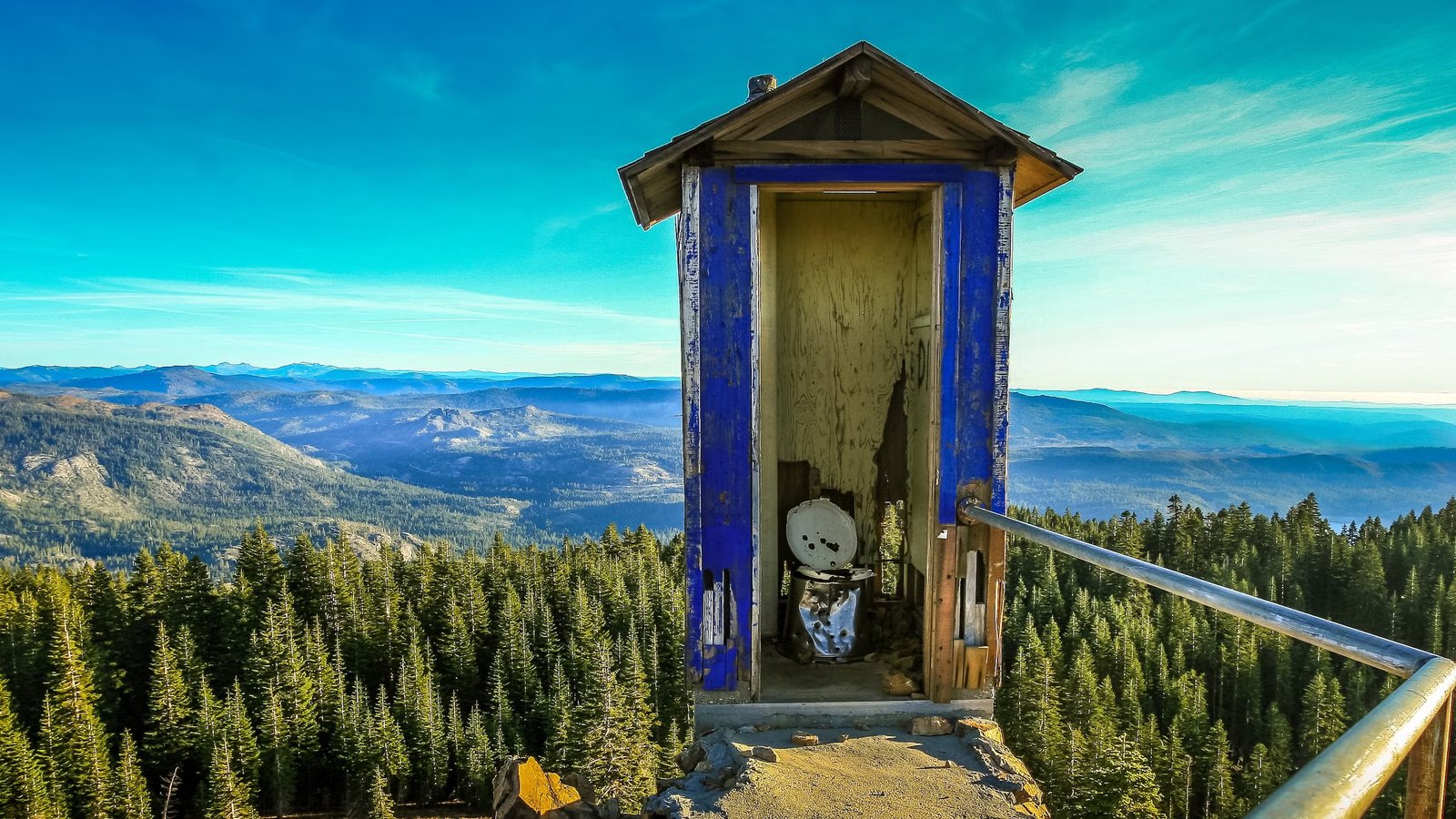
It works for me. Until I kick the bucket, I’m trying to enjoy all the impromptu loos. You can’t beat the views.
