

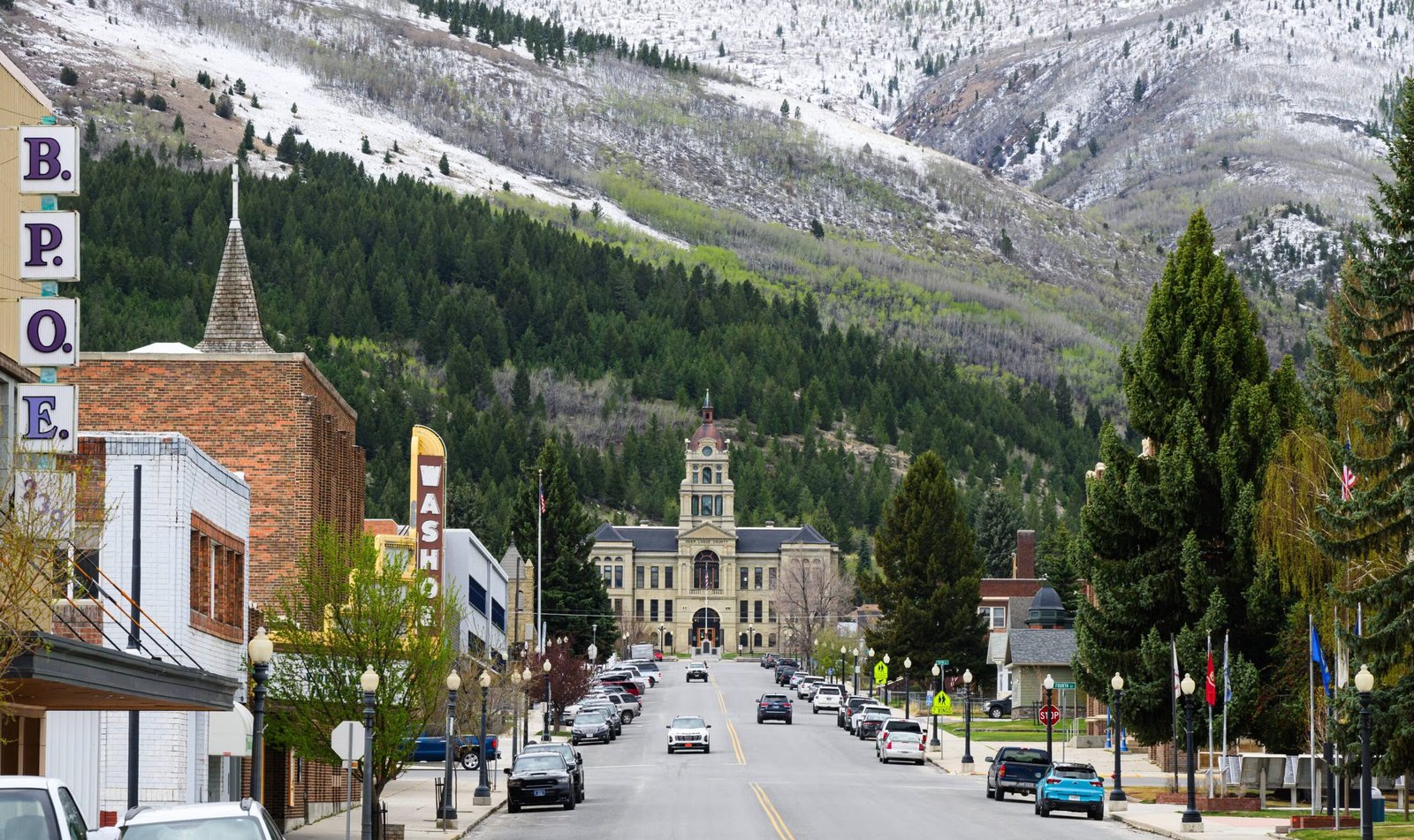
Published May 30, 2026 03:00AM
A cabin in the woods—that’s all we want. It doesn’t have to be huge. Maybe a bedroom or two. Indoor plumbing is a must. A fireplace would be great. And preferably, put that cabin near some amazing recreation, like a ski hill or bike trails or some climbing. That’s the dream, right? For most of us, having our own slice of that dream is out of reach because the majority of mountain towns we know and love are outrageously expensive. I travel to these towns for work all the time, and I like to look at real estate listings as a way to torture myself.
I found a one-bedroom, one-bath in the heart of Aspen for $1.9 million. It’s 460 square feet. I can’t do the math, but that’s an outrageous dollar per square foot ratio. That $1.9 million is the starting price for a little bungalow near Jackson Hole, Wyoming. You can’t argue with the location, but you need to be a Rockefeller to throw that kind of cash around.
Fortunately, it’s a big country and there are plenty of mountain towns that offer more affordable digs. You just have to widen your scope beyond the Boulders and Tellurides and consider lesser-known hamlets. That’s what I’ve done for this article. I’ve scanned the country in search of up-and-coming mountain towns where you and I can find affordable homes to house our skis and bikes.
Of course, affordability is a sliding scale and it doesn’t mean the same thing to all of us. For many years, I judged a town’s affordability based on the price of a beer at a local bar. If you could get a craft beer for $5 or less, I considered the town affordable. My requirements have evolved as I’ve grown older and started tracking mortgage interest rates (currently holding at 6.51%). For this project, I capped the home prices at $300,000. In some situations I found remote cabins in the mountains outside of town, while other locations will have you living in the thick of the action. I’ve given options for land sales, too, in case you have dreams of building your own cabin.
Here are five mountain towns where you can still afford to call home.
Ironwood, Michigan
This former mining town (population: 5,000) is as far west as you can get and still be in the state of Michigan. It sits in the Upper Peninsula, on the border of Wisconsin and just south of Lake Superior. The Ottawa National Forest is Ironwood’s neighbor, not to mention Porcupine Mountains Wilderness State Park. And downtown is a cultural hub, with a historic main street that’s been thriving since the 1920s. Ironwood Theater is the anchor, which hosts regular live shows and movie premiers. Oh, and Ironwood gets about 200 inches of snow every winter (see recreation below).
The Recreation: The 200 inches of powder come in handy in Ironwood, which has 15 miles of groomed nordic ski trails, as well as five miles of fat tire trails, at Wolverine Nordic Center.
If you want lift-served action, Big Powderhorn Mountain is just outside of town, with 253 acres of downhill skiing. The mountain even has day-use “wine huts” you can rent on the hill that come equipped with wood stoves, grills and large decks facing the slopes. In the summer, paddling on Lake Superior or lounging on one of its pebble beaches is an option, as well as mountain biking the 10-mile system of singletrack within the 167-acre Miners Memorial Heritage Park in town.
The Cabins: You can have your pick of historic homes in the heart of town for under $200K. Or cross the border into Wisconsin and get this one-bedroom home built in 1900 that sits a block away from the local snowmobile trails for under $70k. If you’re looking for land, I found 20 acres of woods between town and Lake Superior for $65K.
Anaconda, Montana
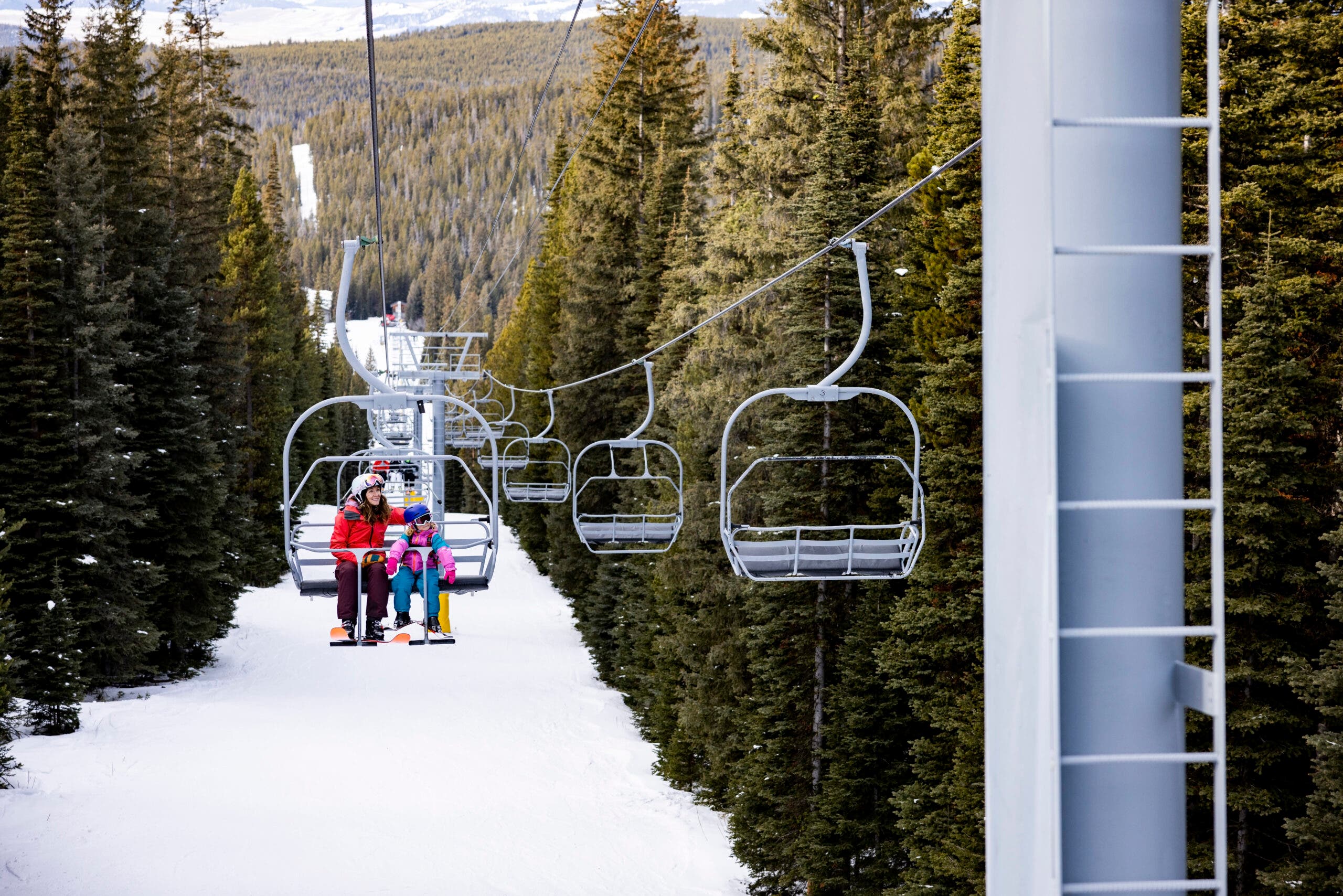
Anaconda (pop: 9,421) sits in a bowl at the base of the Anaconda Range, in the shadow of the Continental Divide. The town was an established mining outpost several years before Montana became a state. It sits just over a mile above sea level, has a main street full of buildings on the National Register of Historic Places, and has everything a reasonable person would want out of a downtown: a brewery (Smelter City Brewing) and a taco shop (Anaconda Taco Company).
The Recreation: Hunting is certainly popular around Anaconda, but the skiing is legit too thanks to Discovery Ski Area, just west of town, which has 2,200 acres of downhill skiing, with more than 2,000 feet of vertical drop and over 215 inches of annual snowfall. The mountain shifts to mountain biking in the summer. If you just want to go for a walk, The Continental Divide Trail runs along the ridges south of town, while Lost Creek State Park protects limestone cliffs that rise 1,200 feet, forming a canyon around Lost Creek itself, as well as several miles of hiking trails and established campsites. After you move in, be a productive member of the community by joining the Anaconda Trail Society, which hosts group hikes, rides and trail work days.
The Cabins: You’ll find plenty of half-million dollar homes outside of Anaconda, but if you want something in town there’s this circa 1906 two-bed / two-bath that’s been renovated for just $250K. The lots aren’t huge in town, but there are plenty of options in that same range.
You can get 25 acres with views of the tall peaks for under $100K, and it comes with two mining claims.
Davis, West Virginia
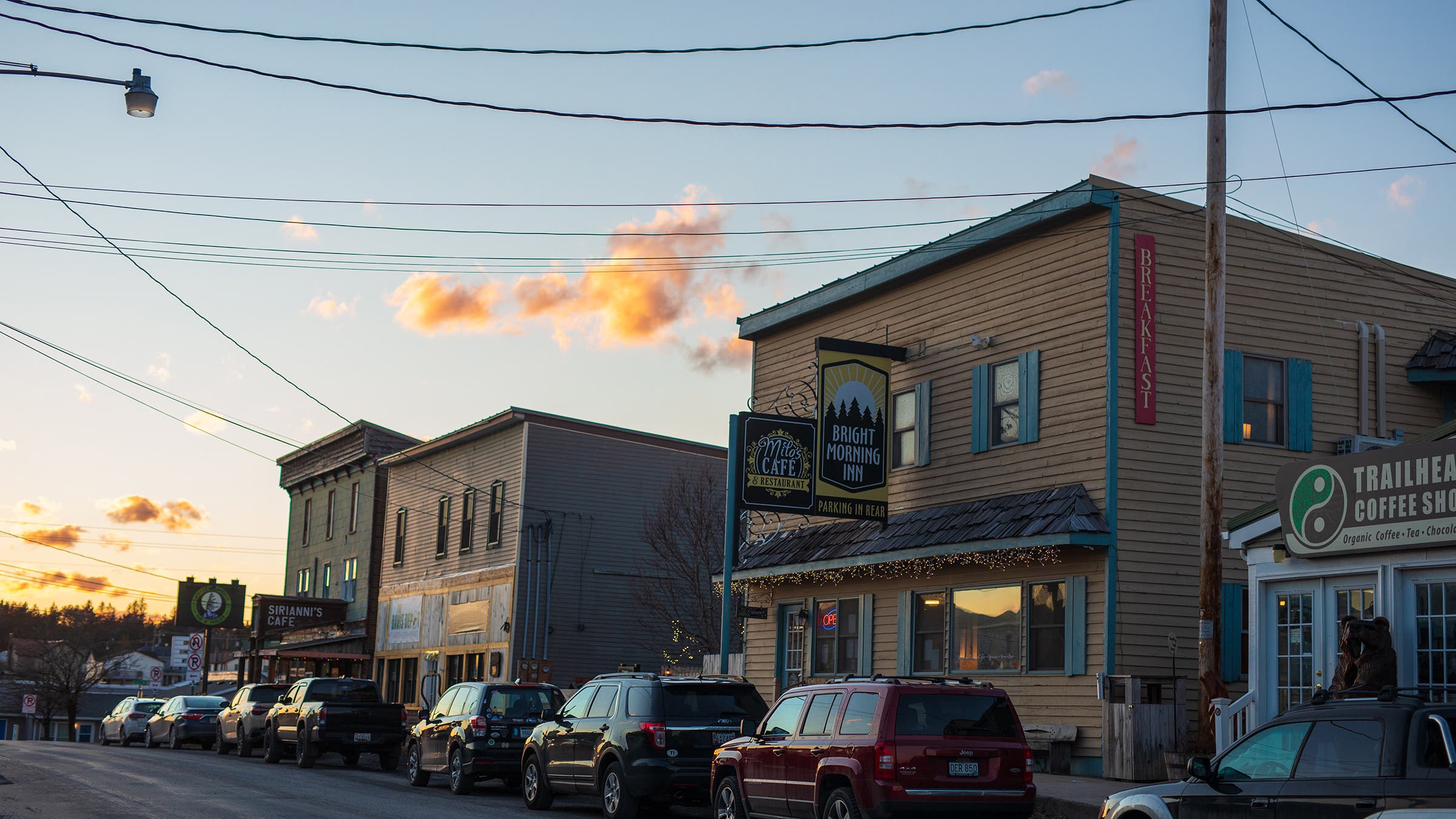
Davis is one of my all-time favorite mountain towns. It’s the kind of place I visit often, but never often enough. The town is small, but has the requisite pizza joint, burrito shop, and brewery that I require to be considered “civilized.” And it’s full of nice people who like to do cool things, like ski in the winter and mountain bike in the summer. The art scene is surprisingly robust considering the town’s size of 650 residents, with world-renowned bluegrass performances taking place in neighboring Thomas. This is a coal mining town that has found a second wind as a hub for outdoor adventure.
The Recreation: The skiing shouldn’t be as good as it is, considering Davis’ southern geography, but the region gets the tail end of Lake Effect snow, racking up 150 to 200 inches every winter. Whitegrass Touring Center has amazing XC trails and the two ski resorts, Timberline and Canaan Valley, offer plenty of downhill options. Come summer, locals shift to the bikes with well over 100 miles of trail to explore. Most of them are pretty technical, too. If you want a trek through some pristine terrain, backpack through Dolly Sods Wilderness Area, which protects more than 17,000 acres of high elevation cranberry bogs, swimming holes and rock outcroppings.
The Cabins: Prices keep rising around Davis, but they’re still affordable when compared to other mountain towns. There are plenty of cabins under $300k that will put you in the thick of the local trail systems. Or you could get a couple of acres of flat land for building for $115k.
Glens Falls, New York
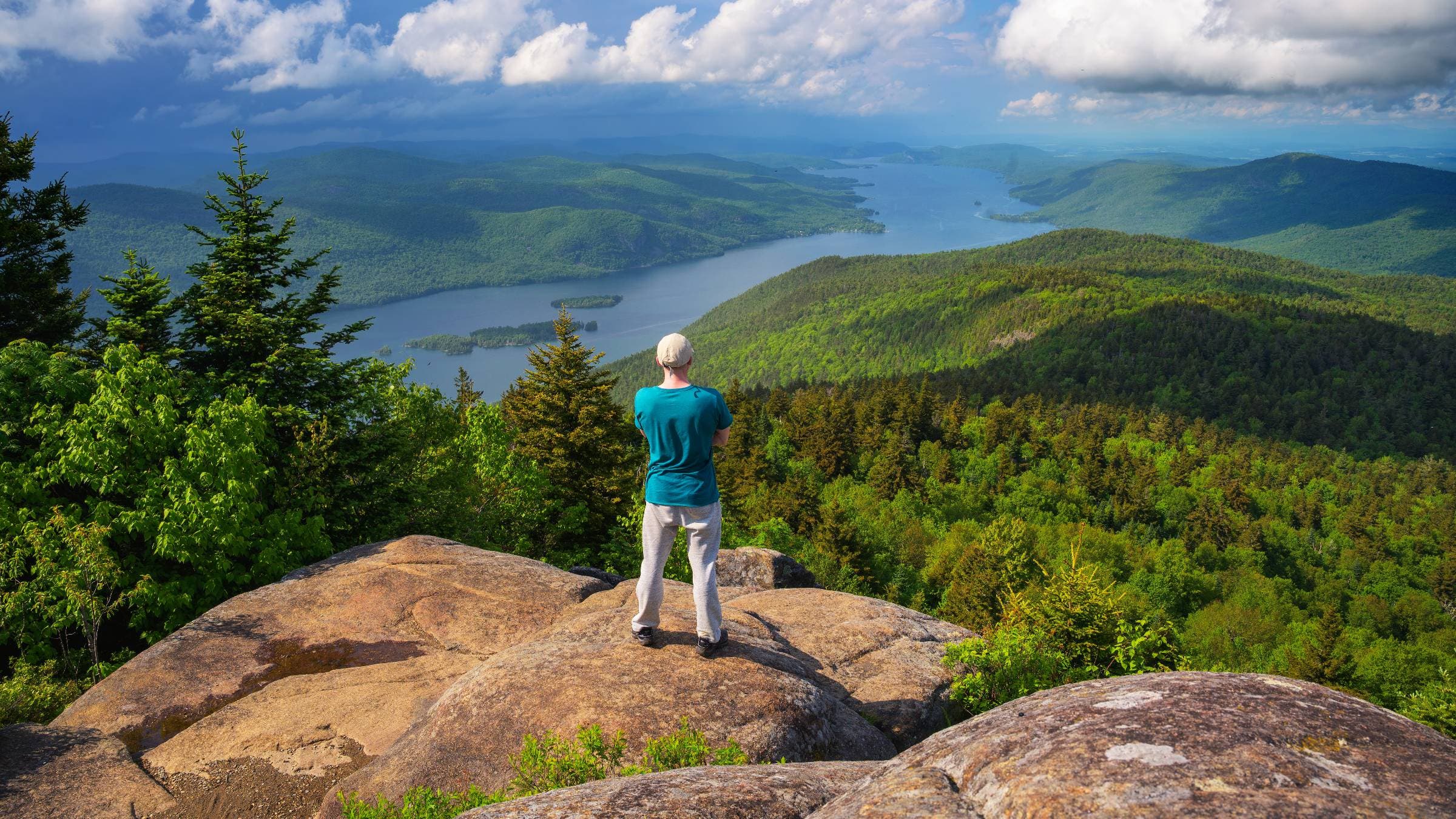
This former manufacturing town (population 15,000) has found new life as an arts and culture hub away from New York City, hitting way above its weight with the renowned Hyde Collection museum showing heavy hitters like Picasso, and active artists working in the historic warehouse called The Shirt Factory. What do you do when you’re not looking at art or cruising the super walkable downtown? You explore the six million acre Adirondack Park to the north, that’s what you do.
The Recreation: Glens Falls sits to the south of Adirondack Park, where epic backcountry canoe and backpacking opportunities abound in the Lake George Area of the park. Or, head 15 minutes south of town and you’re in the middle of the 4,100-acre Moreau Lake State Park, with its mellow paddling and hiking. If skiing is your thing, Gore Mountain Resort is 45 minutes north, offering some of the most robust downhill skiing in the Upstate, with 10 trails across 453 acres of terrain. Hit it top to bottom and you’ll ski more than 2,500 vertical feet—that’s no joke for the East Coast. In the summer, there are hiking and biking trails that traverse the same mountain. Cole’s Woods is a network of groomed XC ski trails and mountain bike trails right in town that even has a 5K lighted loop in the winter. Join the local chapter of the Adirondack Mountain Club, which organizes excursions into the mountains
The Cabins: Consider something in town and adorable, like this three bedroom, one bath cottage for just $250K. Or snag three acres close to Glen Lake for just $215k. Or how about a historic farmhouse south of town on more than an acre for $230k?
Bryson City, North Carolina
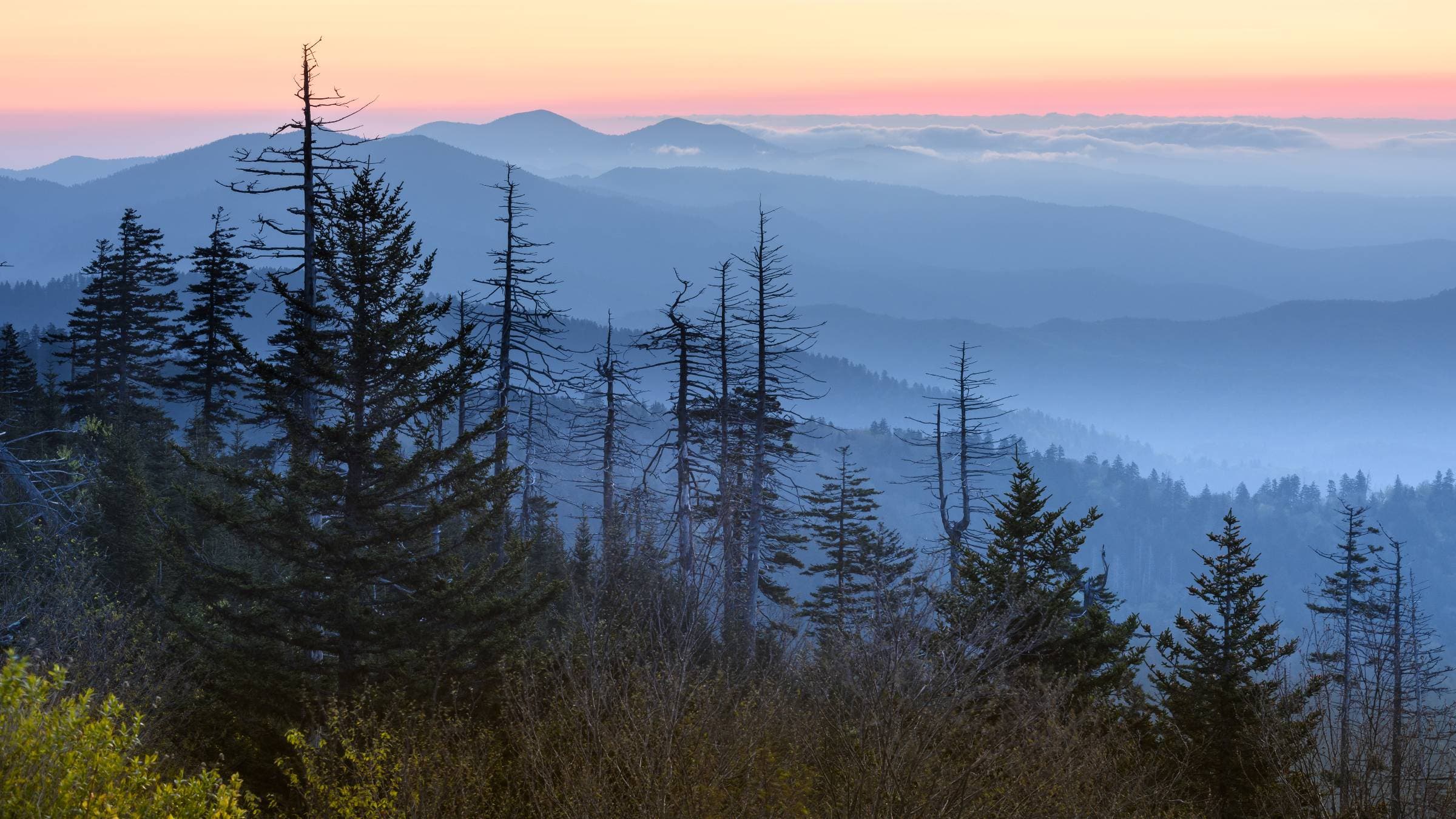
Great Smoky Mountains National Park (GSMNP) sees more than 12 million visitors every year, but Bryson City sits near a much quieter section of the park. The small town (population 1,500) is split in the middle by the mild Tuckaseegee River and has quick access to Lake Fontana, which forms the southeastern border of the national park. The town itself is walkable with a growing food scene and plenty of outdoor shops to keep you well stocked in gear.
The Recreation: Paddling Fontana Lake to remote campsites inside GSMNP is definitely at the top of the list, but there are so many options within half an hour of Bryson City. Rafting the Nantahala River’s class II and III rapids is a staple throughout summer, while pulling smallmouth bass out of the Tuckaseegee is a challenge all anglers love. Mountain bikers have 40 miles of flowy trails at the Tsali Recreation Area inside Nantahala National Forest.
The Cabins: There’s plenty of land for sale outside of town with great views of the surrounding mountains, like this two-acre stunner for $170k. Or you can go full remote with this small (1,027 square foot) cabin in the mountains with a loft near Fontana Lake for just $229k.
Graham Averill is Outside magazine’s national parks columnist. While he loves dreaming about owning a second home somewhere deep in the mountains, he barely has the time to clean the gutters and mow the lawn of his existing home. He recently wrote about some less-crowded alternatives to our most popular national parks.
