

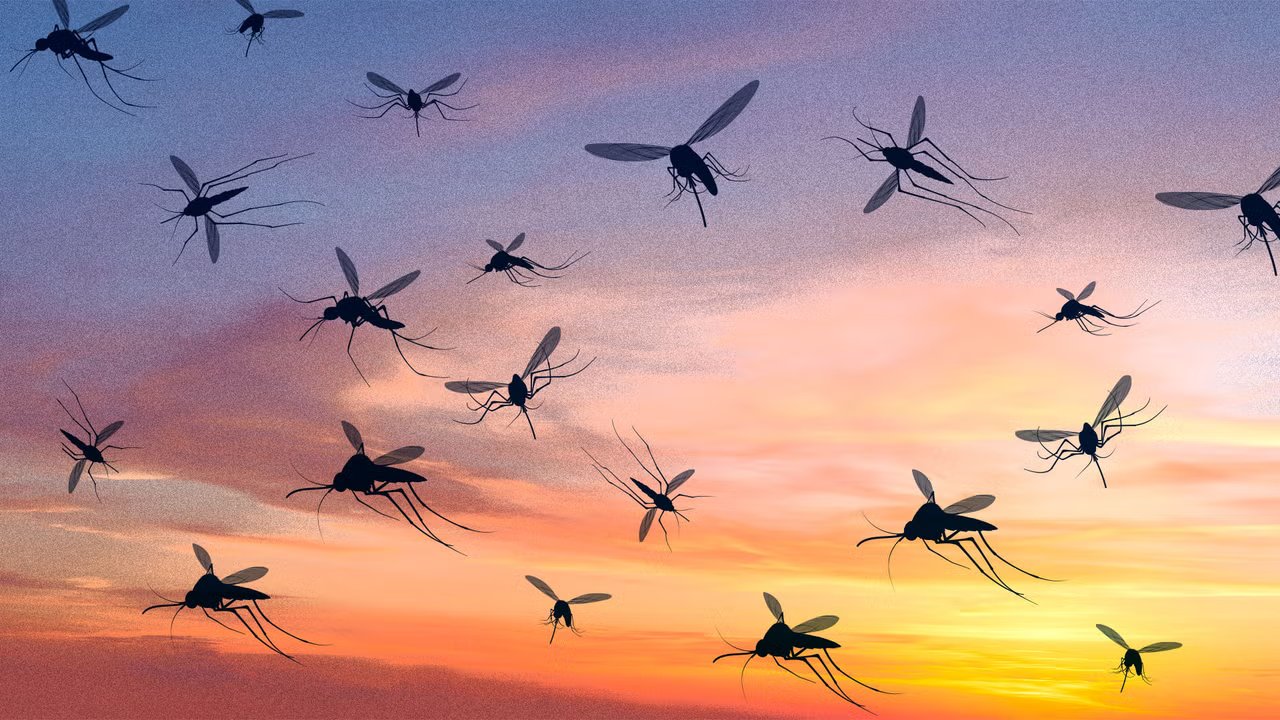
Forget search engines, AI assistants, and smartphones—Google’s next release could be a swarm of millions of mosquitoes.
Through its parent company Alphabet, Google is seeking federal approval to release 32 million mosquitoes in California and Florida over the next two years. It’s part of an ongoing initiative called the Debug Project, which aims to control mosquito populations to cut down on mosquito-borne diseases.
Good bugs versus bad bugs
While adding millions of more mosquitoes to the equation might sound counterintuitive, the Debug Project is all about adding so-called “good bugs” to the “bad bug” population.
Those good bugs are male mosquitoes infected with a naturally occurring bacteria called Wolbachia. The bacteria renders the males sterile, so when they breed with the existing female mosquito population, their eggs won’t hatch. Over generations, this could dramatically cut down the mosquito population, stopping the bugs from spreading dangerous diseases. And in the meantime, male mosquitoes don’t bite, so the additional millions buzzing around can’t spread disease or cause any harm to humans.
The Debug Project’s website notes that it’s employing a method that’s been around since the 1950s called the Sterile Insect Technique, which has been effective on insects like fruit flies, screwworms, and codling moths.
“But it’s never worked with mosquitoes at a large enough scale to stop diseases from being transmitted,” the website reads. “Mosquitoes are fragile and difficult to rear in the necessary numbers. With Debug, we’re developing new technologies to make it possible.”
Those new technologies include automated rearing systems, capable of raising millions of sterile mosquitoes, and advanced sorting systems to separate mosquitoes by sex, ensuring only the sterile males get released into the wild.
The Debug Project
Google’s Debug Project debuted in 2016, and in the decade since its launch, it’s proven that there’s a method to its mosquito-based madness.
One of the Debug Project’s previous initiatives, called Debug Fresno, saw 48 million sterile male mosquitoes released in California’s Fresno County across three years from 2017 to 2019. Each year, scientists noted massive reductions in biting female mosquito populations, including a 95% decrease in 2018.
Though the Debug Project has historically targeted Aedes aegypti, a species of mosquito known for spreading diseases including Zika, dengue fever, yellow fever, and chikungunya, its new proposal would go after Culex quinquefasciatus, commonly known as the southern house mosquito. These mosquitoes transmit St. Louis encephalitis and West Nile virus, the latter of which is the leading cause of mosquito-borne disease in the United States.
The U.S. Environmental Protection Agency is currently reviewing the proposal and accepting public comments through June 5, before deciding whether to issue Google an experimental use permit.
