

Published June 4, 2026 10:14AM
Overview: Mountain bike shoes come in two types: clipless, which attach mechanically to the pedal for efficient power transfer, and flats, which rely on grippy rubber soles. Clipless shoes suit XC and endurance riders; flats favor downhill and trail riders who want freedom of movement. Key factors include sole stiffness, fit, closure system, and weather protection. Our testers rode 10 pairs across Baja, Sedona, Hood River, and Bellingham to find the five best mountain bike shoes for every rider.
If you’re going dancing on singletrack, it helps to have the right dancing shoes. Do you prefer flats, or clipless mountain bike shoes? A shoe that can handle a hike-a-bike, or one built for pure power transfer with a carbon sole? Are you all about sculpted bike park berms, or more often found spinning a lightweight carbon whippet up and up and up? We like it all, honestly—and we put in the miles to prove it. Our testers rode ten pairs of mountain bike shoes across Southern Baja’s sandy desert singletrack, Sedona red rocks, Hood River, and Bellingham’s steep, loamy forest trails. Of the ten shoes we tested, five made the final cut on comfort, traction, durability, power transfer, and value. No matter how you ride, there’s a pair here for you.
Best Mountain Bike Shoes: At a Glance
The Reviews: The Best Mountain Bike Shoes of 2026
Best Clipless Mountain Bike Shoe: Shimano GE9 Hot Seat (GE900HS)
Sizes: EU 38-48
Sole: Clipless
Pros and Cons
+ Durable
+ Roomy toe box
+ Very comfortable on and off the bike
– Expensive
Shimano has done it again. The GE9 Hot Seat—a newly released, slimmed-down variation of the GE9, with a lighter profile and stiffer sole—is an upgrade on the classic ME7 and our testers’ top pick of the season. With a wider fit, relatively stiff but compliant sole, and highly adjustable closure system, it edged out all the other mountain bike shoes in our test.
Designed for “gravity” riding, meaning everything from trail to DH racing, the GE9HS features a velcro ankle strap, a slimmed-down BOA Li2 dial with micro-adjustability, and a stretchy ankle gaiter that keeps debris out. It’s a one-shoe-to-rule-them-all kind of build.
Though slightly narrower than the standard GE9, it still runs a touch above average in width—a win for all-day comfort—and fits true to size. The BOA system and velcro strap combine for a snug, secure lockdown. The sole is stiff enough for long days that include hike-a-bike without wrecking your feet. One note: testers experienced some crank arm rubbing, which was easily fixed by adjusting the SPD cleat placement.
This shoe comes in a stylish black or white design and while they are fairly expensive, they’re built to last—recreational riders should expect multiple seasons of hard use. We’ve ridden clipless enduro and gravity shoes from Five Ten, Fox, and Pearl Izumi, and these are our favorite yet.
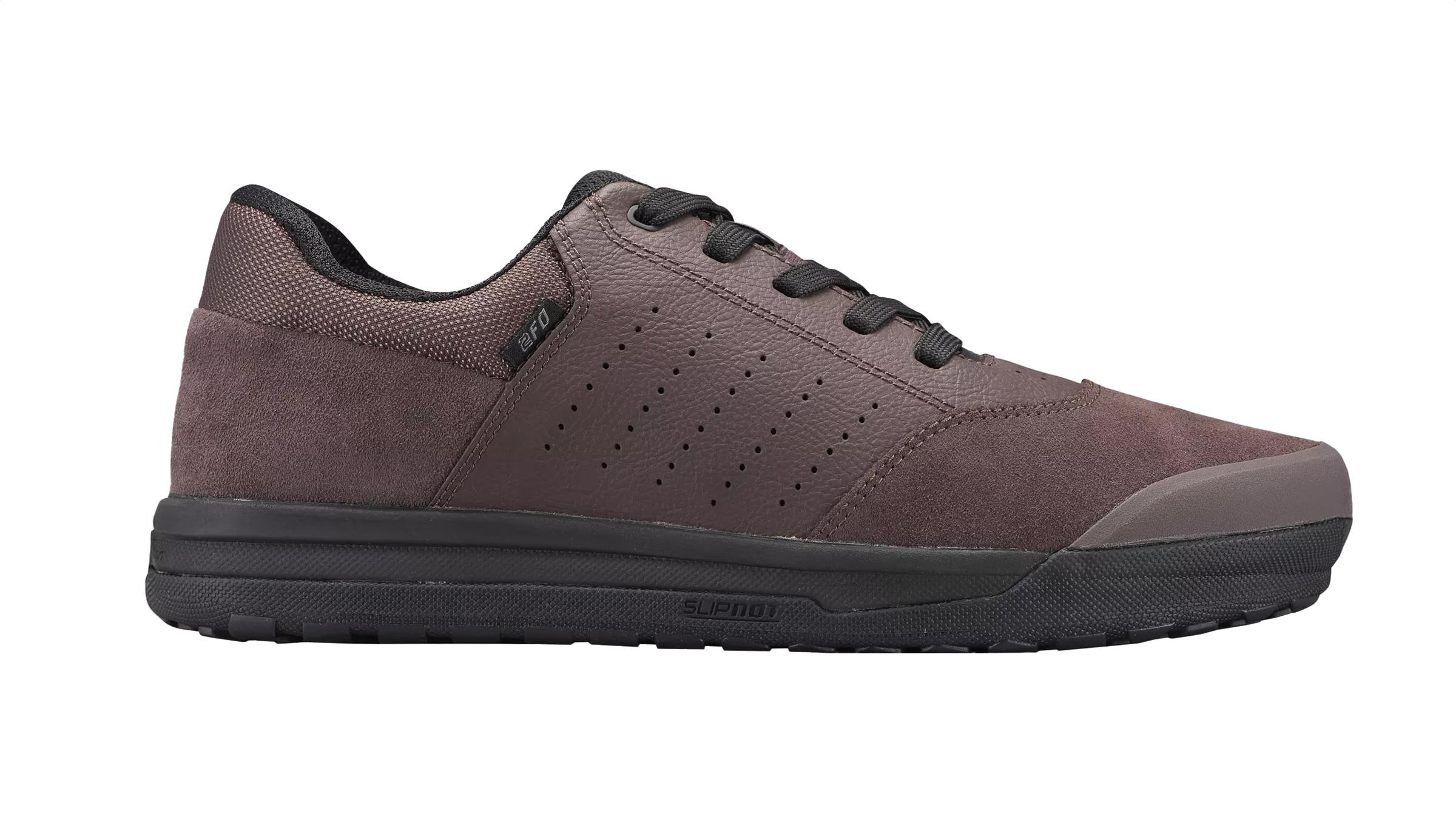
Best Value: Specialized 2FO Roost Flat
Sizes: EU 36-49
Sole: Flat or Clipless
Pros and Cons
+ Excellent traction
+ Reasonably priced
– No added foot protection
The 2FO Roost delivers top-notch grip, breathability, and comfort, making it one of our favorite and most affordable flat pedal shoes. Specialized’s SlipNot ST rubber is a genuine rival to Five Ten’s Stealth—and may actually have an edge in cold weather—with chunkier lugs for a secure feel on the pedal pins, providing confidence-inspiring grip on the most technical trails.
For a trail flat, it handles long descents surprisingly well with minimal foot fatigue, and the deep heel cup kept things locked in on rough ground. Our only real gripe: no protective padding in the toe box, which led to a few jammed toes on aggressive rides.
Overall, the 2FO is a great option for all mountain bike riders looking for an affordable shoe with a simple lace up design, excellent grip, and a roomy toe box. Specialized also offers a clipless version of the 2FO Roost, though our testing was limited to the flat.
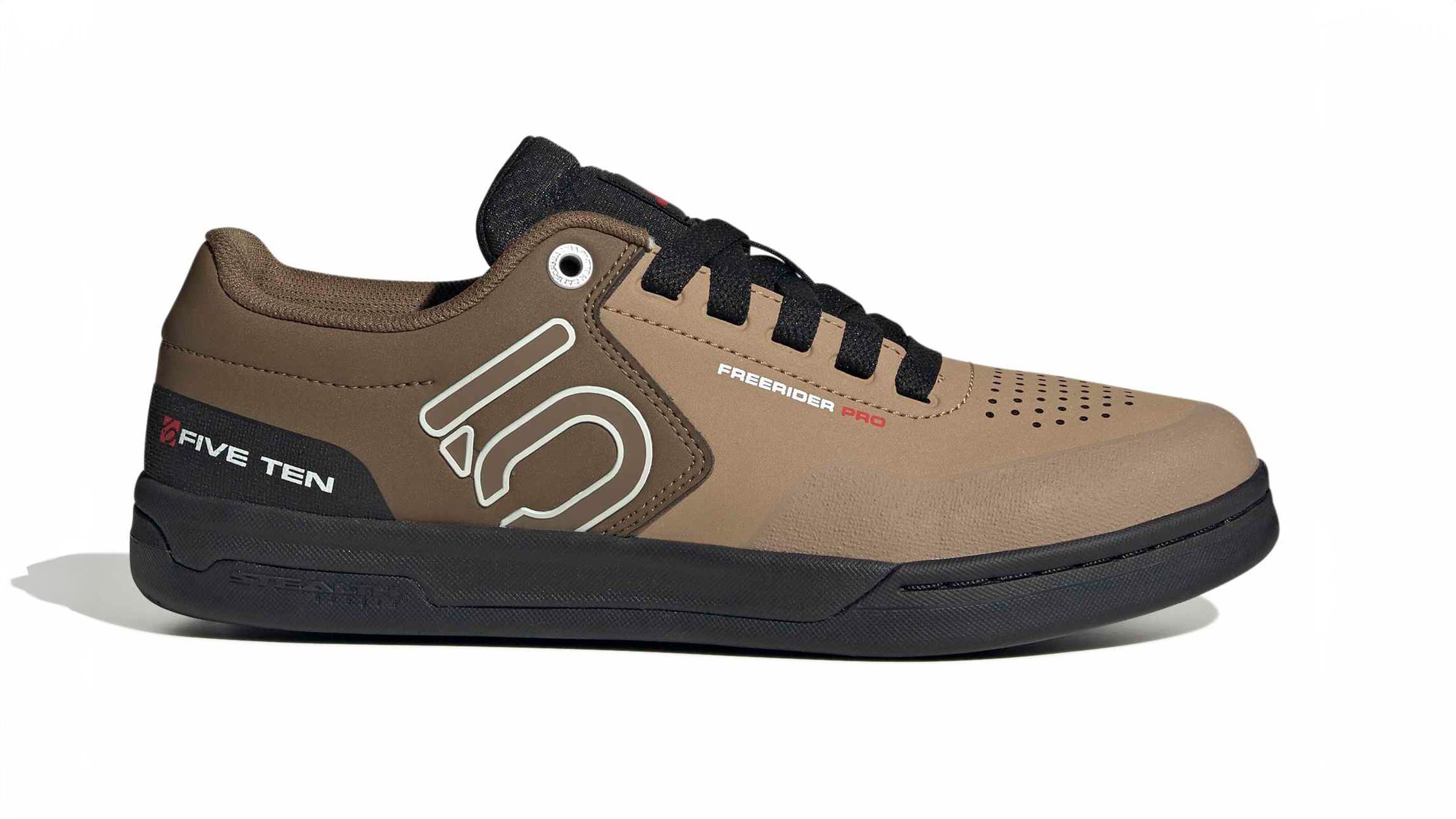
Best Flat Mountain Bike Shoe: Five Ten Freerider Pro
Sizes: US 6-15
Sole: Flat
Pros and Cons
+ Sticky Rubber
+ Outstanding grip
+ Quick drying
– Shoe runs small
– Holds lots of water
There’s a reason the Five Ten Freerider Pro is the benchmark for all other flat pedal mountain bike shoes. First, the wide toe box and cozy heel cup fit a wide range of feet, more importantly, we’re huge fans of Five Ten’s famously grippy Stealth rubber outsole—it keeps us solidly placed on the pedals on even the rainiest days. The Freerider Pro also shines with a stiff sole that leaves us feeling one with the pedal, resulting in excellent efficiency on longer rides.
At $160, it’s reasonably priced for what you get. The shoe features a lace closure, synthetic upper, and a reinforced toe box for added protection. Adidas also offers a BOA closure version for those who prefer that over laces. One fit note: the shoe runs small, so testers recommend sizing up.
The one caveat is wet weather: the synthetic upper doesn’t shed water well, instead absorbing much of it. So while it might to be our top pick for wet rides where puddle jumping is mandatory, for most other conditions, this remains our testers’ favorite flat pedal shoe, thanks to outstanding comfort, excellent pedal grip, and enough style for those who like to show up to the office party in their mountain bike shoes.
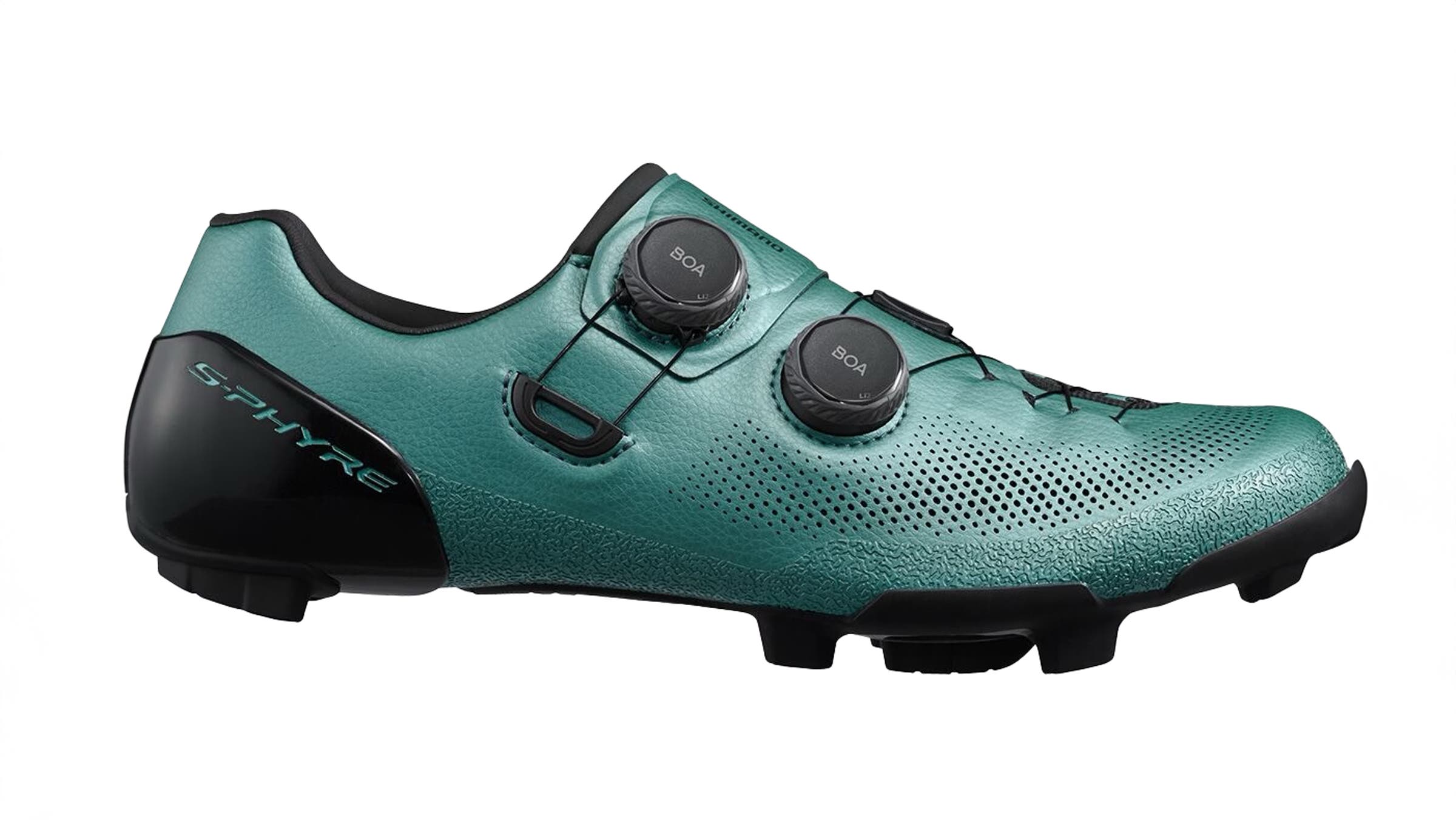
Paid Advertisement by Backcountry.com
Shimano RX910 S-PHYRE Shoe
These are pedal shoes built by racers, for racers. The TPU outsole and low-profile construction provide all the stiffness and stability needed to tackle unforgiving tracks. It maximizes pedal stability and with replaceable pontoons, you can extend the life of your shoes well beyond those of other models. Equipped with Dual BOA®️ Li2 dials, adjustability and comfort come easily, and the dual drain ports keep your feet dry through the wet and cool through the heat.
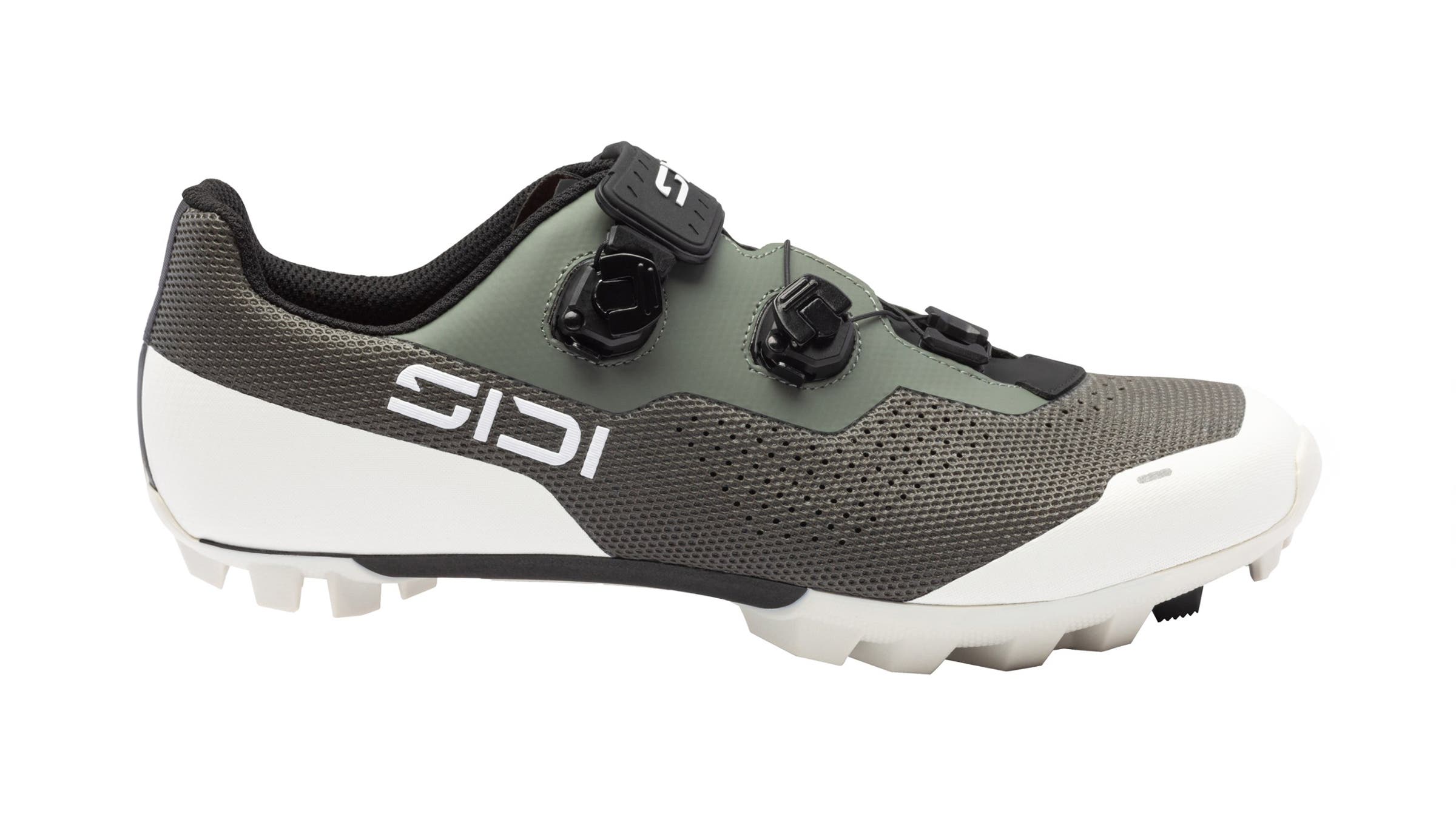
Splurge: Sidi Dominator X
Sizes: EU 36-43
Sole: Clipless
Pros and Cons
+ Roomy toe-box
+ Stiff sole for efficient all-day pedaling
– Expensive
– Dual NUUN dials take some practice
The Sidi Dominator X is an updated entry in Sidi’s long-running Dominator line, built for off-road riding and all-day comfort. It features an X3CC carbon-composite sole with lugs for hike-a-bike grip, dual NUUN aluminum dials for on-the-fly fit adjustment, and Sidi’s “Millennium” fit—an increased volume in the toe box and midfoot that sets it apart from a typical XC shoe.
While Sidi has historically skewed XC, the Dominator X’s slightly softer sole made it work well across all types of trail riding, including occasional hike-a-bike. The NUUN dials take a little getting used to compared to BOA, but once you dial them in, micro-adjustments on the go are easy.
The Dominator X isn’t cheap, but if you spend a lot of time in the saddle and want a stiff, compliant clipless shoe with a roomy, comfortable fit, it’s an excellent choice.
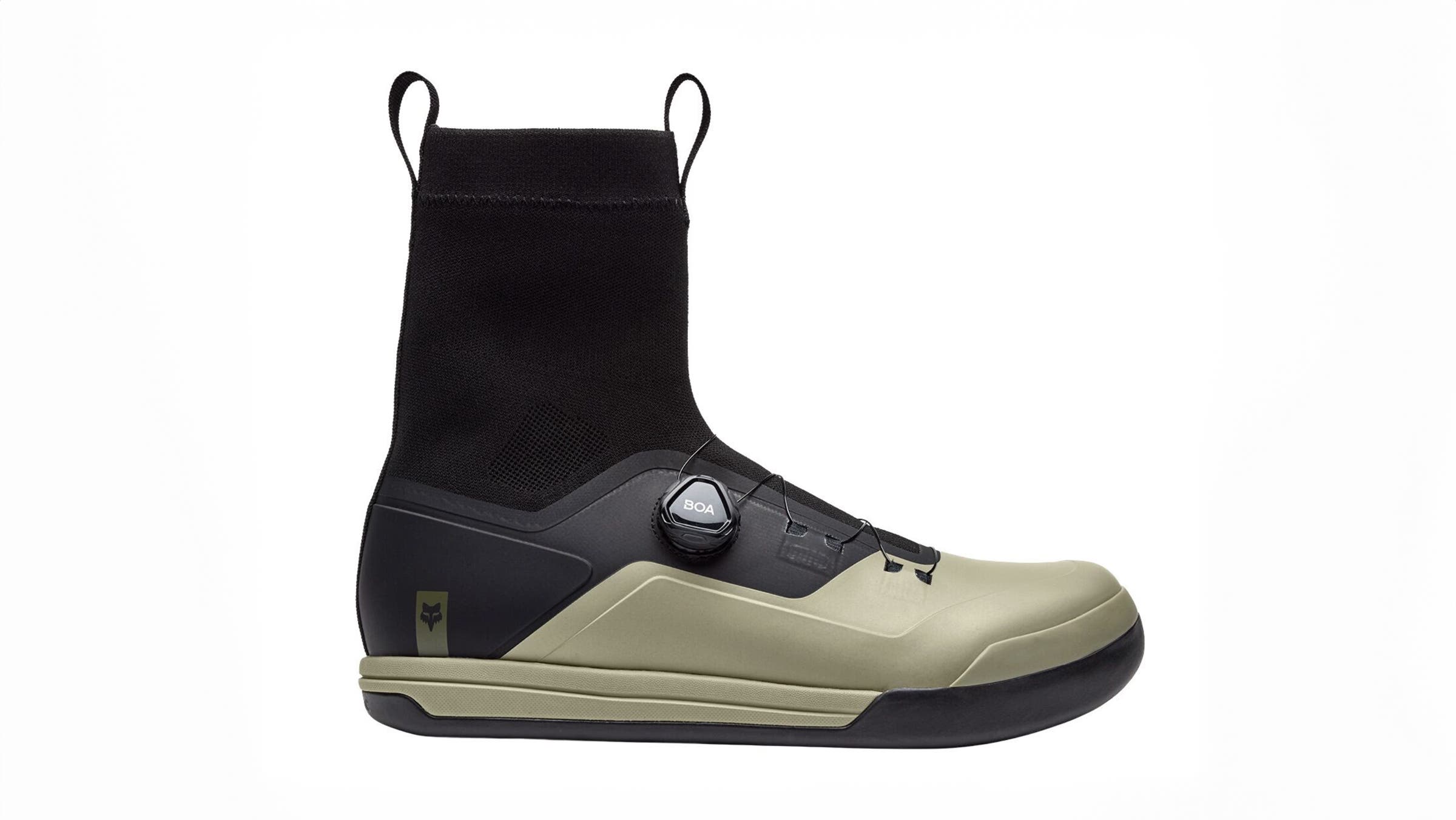
Best Wet-Weather Mountain Bike Shoe: Fox Racing Union All Weather Flat Shoe
Sizes: EU 37-47 (41-46 in half sizes)
Sole: Flat or Clipless
Pros and Cons
+ Fully waterproof materials
+ Sleek design – no velcro to wear out or laces to tangle
+ Quick drying
– Difficult to remove
– Not as tactile on pedal surfaces
The Fox Racing Union All Weather is a mud boot built for shredding trails through the wet season—and if keeping your feet warm and dry matters to you, it’s a solid investment. It features an extra-tall gaiter, Ultratac outsole for serious grip in slop, and a single BOA dial for fit adjustment. Though the price tag is relatively hefty, when it’s on sale (which it often is), it’s competitive with similar options like the Shimano GF8 Gore-Tex and Five Ten Trailcross GTX.
Getting the shoe on and off is a bit of a workout thanks to the tall gaiter—pull tabs front and back help, and it does get easier with use without stretching out. Once on, the gaiter fits snugly and keeps out mud, debris, and water effectively. The sleek design is a bonus: with riding pants over the gaiter, they’re virtually indistinguishable from the standard Fox Union Flat.
As with most winter shoes, the extra material does reduce some dexterity and pedal feel, but Pinkbike tester Matt Beer found it a worthwhile trade. “There’s no longer a need to avoid puddles,” he noted. “Just pick the best riding line and you’ll stay dry.” Once you find the sweet spot, the Ultratac tread delivers enough grip and confidence to charge straight through.
Best Mountain Bike Shoes: Comparison Chart
Frequently Asked Questions
What features should I look for in a MTB shoe?
To choose the right bike shoe, you need to first decide if you need flat pedal or clipless (clip-in) shoes. From there you can evaluate features such as sole stiffness, sole grip, protection, closure system, price, and style.
What’s the difference between flat and clipless mountain bike shoes?
Choosing between clipless and flat pedals—and the shoes that go with them—comes down to riding style, terrain, and experience. Flats are a natural starting point for beginners but scale all the way up to pro downhill racers. A flat pedal is a wide platform you step onto with a flat-soled shoe; they come in nylon/composite or alloy, in varying thickness, and with plastic or metal pins for grip. Flat shoes vary in rubber compound and tread pattern, and finding the right combination is largely a matter of personal preference.
Clipless pedals are generally more efficient, making them the go-to for XC and endurance riders. The two most popular MTB clipless systems are Shimano SPD, a spring-loaded metal cleat that’s durable and adjustable, and Crankbrothers Mallet, a four-sided spring loop that offers more float — meaning your foot can twist out more easily. With either system, a cleat mounts to the sole of the shoe and clips directly into the pedal.
Do I need mountain bike shoes?
For flat pedals, any shoe will technically work, but regular sneakers can slip on the pins, offer less sole stiffness, and cause more foot fatigue than an MTB-specific shoe. The pins can also chew up non-MTB soles over time. For clipless pedals, dedicated mountain bike shoes are required.
Can I use mountain bike shoes on a road bike?
Yes, and some MTB shoes are designed with multi-use in mind. That said, road shoes are built specifically for road cycling—they typically have stiffer soles, less cushioning, and less durability than MTB shoes, and they’re not designed for walking.
How We Tested Mountain Bike Shoes
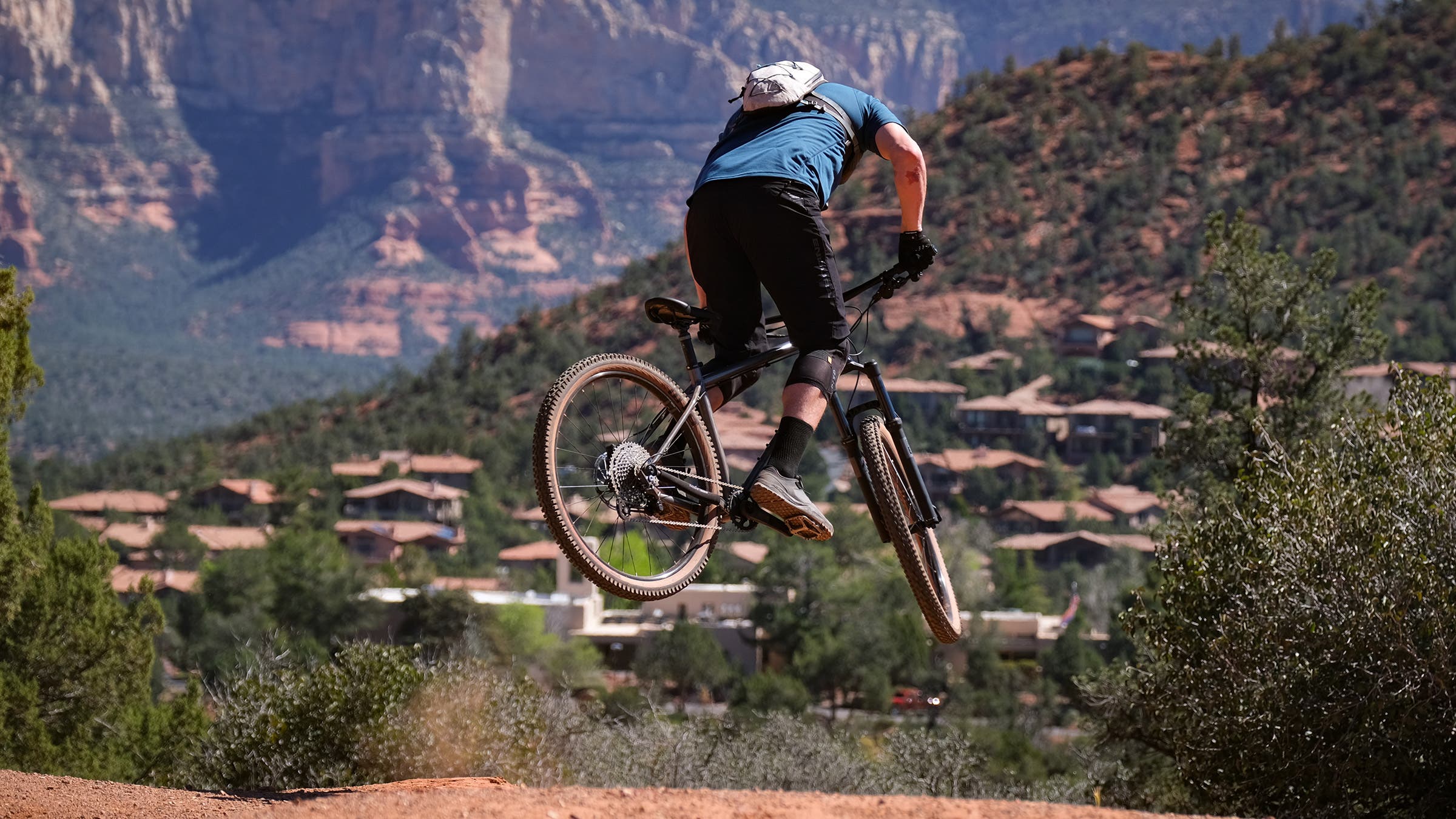
Our team tested ten pairs of MTB shoes, combining our own field reviews with recent testing from Pinkbike staff. We rode from late fall 2025 through spring 2026 across four locations: La Ventana, BCS; Sedona, Arizona; Hood River, Oregon; and Bellingham, Washington. Testers covered everything from sandy desert singletrack in Southern Baja and Sedona red rocks to Hood River’s Syncline, Nestor Peak, and Post Canyon systems, and Bellingham’s steep, loamy forest trails—averaging around 2,000 vertical feet of climbing per ride across jumps, drops, berms, rocks, and cactus. Conditions ranged from sandy, muddy, tacky, and loamy; temperatures swung from below freezing to scorching. Five pairs of mountain bike shoes made the final cut for this guide, selected on comfort, traction, durability, power transfer, and value.
Meet Our Lead Testers
Nikki Rohan has been mountain biking for over 20 years and testing mountain biking gear for Pinkbike and Outside for over a decade. She resides in Hood River, Oregon, with her three kids, two dogs, and a grumpy cat. She spent a chunk of time competing in enduro races in the PNW, as well as events like Trans BC, Trans Provence, Downieville Classic, Grinduro, and the occasional CX or gravel race. When she is not working or traveling, you will find her on the river, the local trails, or exploring the endless forest roads.
Matt Patterson is a New Zealand native who got hooked on mountain biking in 2002 and has been racing downhill and enduro, building trails, and exploring the PNW on two wheels ever since. He currently splits his time in his home on wheels in Hood River Oregon, Bellingham Washington, and La Ventana, BCS. He has two grown kids and a Baja rescue dog named Nutmeg. Matt is happiest when his tires are in the air or touching loam.
