

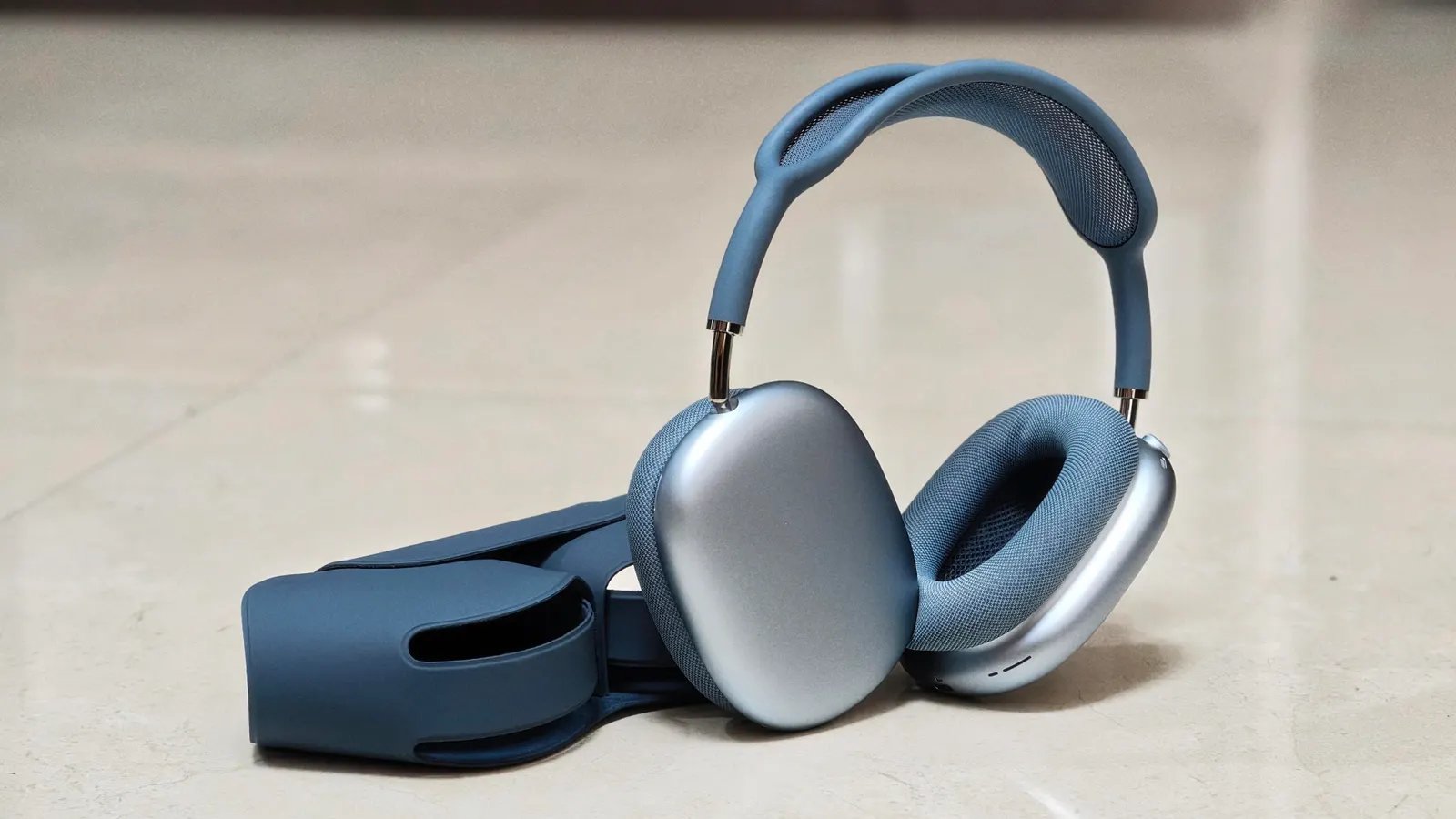
The new custom EQ feature will be supported on AirPods Max 2, AirPods Pro 3 and AirPods 4.
Prakhar Khanna
The Apple Worldwide Developer Conference (WWDC) 26 was more about fulfilling past promises than making new ones. While we waited for OS-centric upgrades, Apple Intelligence and the long-awaited Siri AI took center stage at the event. The new iOS 27 update promises to make your iPhone faster and more responsive, but there’s one more feature related to AirPods that has me excited. Apple briefly mentioned this announcement in a couple of sentences at the event, but here’s why it matters.
The AirPods are all set to get a custom EQ for the first time. Apple has always sworn by its sound engineers, who crafted AirPods to sound as good as possible — a version of this is still mentioned in a Settings footnote. However, people have different tastes, and everyone can’t be fond of the default tuning. That’s why having a customizable EQ is a big deal.
You can now customize your AirPods’ tuning if you prefer a different sound profile. It will give you more freedom to customize the sound. For context, Apple earbuds and headphones have had their own adaptive EQ so far, but they didn’t let you set the EQ yourself. You could only change the AirPods sound profile through Apple Music settings. Now, you get a 3-band (low, mid, high) equalizer.
The AirPods custom EQ feature on iOS 27 is relatively easy to use. You’ll get a graph of low, mid, and high tones with simple handles that you can raise or lower to adjust these frequencies. It can be found under the Settings menu and will be supported on the AirPods Max 2, AirPods Pro 3, and AirPods 4.
Once you add a custom profile, it will live alongside Apple’s recommended EQ profile. However, from the photo shared by the company, it looks like you won’t be able to create multiple custom profiles. Apple says you can “seamlessly switch back and forth to the default AirPods sound tuning.”
While Apple’s custom EQ settings don’t seem as robust as those of its rivals, they’re simple. To compare, Bose offers a 20-point scale to adjust the bass, mids, and treble on its audio products, whereas JBL has a detailed equalizer with 10 frequency bands adjustable in Hz.
