

Published June 10, 2026 03:00AM
Key Takeaways: Recent research published in June 2026 found that just 90 to 119 minutes of strength training per week reduced the risk of death by 13 percent. The study results also indicated a 19 percent lower risk of cardiovascular disease and a 27 percent lower risk of death from neurological conditions. Outside spoke with two certified personal trainers, who shared four types of exercises you can do each week to help you easily meet the time goal.
This article has been medically reviewed by Ingrid Yang, MD.
The benefits of strength training may extend beyond stronger muscles. Resistance training could actually help you live longer, according to a new study published in the British Journal of Sports Medicine.
The study’s researchers tracked the long-term exercise habits of more than 147,000 adults over 30 years. Every two to four years, participants updated questionnaires about how much time they spent working out each week. They compared these long-term patterns against the number of people who died during that 30-year period (a total of 35,798 deaths were recorded) and controlled for factors like smoking, alcohol intake, diet quality, and family medical history. This helped the researchers determine how strength training itself (not just an overall healthy lifestyle) may influence lifespan. They found that people who did resistance training each week lived longer than those who didn’t. Here’s what you need to know.
How Many Minutes of Strength Training Should You Do Each Week to Live Longer?
Those who saw the greatest benefits weren’t die-hard gym rats who spent hours pumping weights. For most people, the sweet spot appeared to be 90 to 119 minutes of strength training per week. That’s about 1.5 to 2 hours. Compared to those who didn’t lift at all, participants who hit this range had a 13 percent lower risk of dying from any cause. The results also indicated a 19 percent lower risk of cardiovascular disease and a 27 percent lower risk of death from neurological conditions like dementia.
Pushing past the two-hour mark offered no extra benefits, while pairing strength training with aerobic exercises (such as running, swimming, or cycling) provided the greatest protection against early death. Doing either aerobic exercise or strength training can delay death on its own, but doing both is even better for you, the researchers found.
One important mention: this was an observational study, so we can’t say and the researchers did not determine that more strength training directly reduces mortality risk. Rather, there is an association between strength training and reduced risk of death.
How Does Strength Training Boost Longevity?
Strength training matters for longevity because stronger muscles don’t just make you fitter in the moment—they support your entire body as you age. “It’s going to be protective of your joints,” Lacee Lazoff, a certified personal trainer, tells Outside. Lazoff owns a kettlebell and dumbbell gym in New York City, New York. “Having strong muscles will help protect your tendons.”
Keeping your tendons strong reduces the risk of injuries later in life while helping you stay active, independent, and healthy, according to Sivan Fagan, a certified personal trainer. Fagan is the owner of Strong With Sivan, a fitness company that offers nutrition coaching and training. Fagan tells Outside that people who strength-train regularly are more likely to break their fall and prevent severe injury than those who don’t.
While the present study offers insight into how much time you should spend on strength training, it didn’t track the specifics of those workouts—such as intensity, weight load, rest between sets, or the exact exercises. To put these findings into perspective, Outside asked Lazoff and Sivan to describe what a longevity-friendly strength routine looks like in practice. Here’s what they recommend.
4 Movement Types to Incorporate More Strength Training Into Your Week
According to Fagan, strength training simply means moving against external resistance. Lazoff says that it can involve dumbbells, resistance bands, weight machines, or your own body weight.
There’s no single “right” way to lift, but they recommend building your routine around the following foundational movement patterns.
1. Hinging
This is any exercise that requires you to bend forward from the hips while engaging the back side of your body—specifically, your glutes and hamstrings.
A deadlift is a classic example. “It really teaches you the mechanics of proper lifting,” Fagan says, since it mirrors everyday movements like picking up that heavy cooler you brought on your camping trip or your stuffed hiking pack. You can also try kettlebell swings, vertical jumps, and hip thrusts.
2. Squat Movements
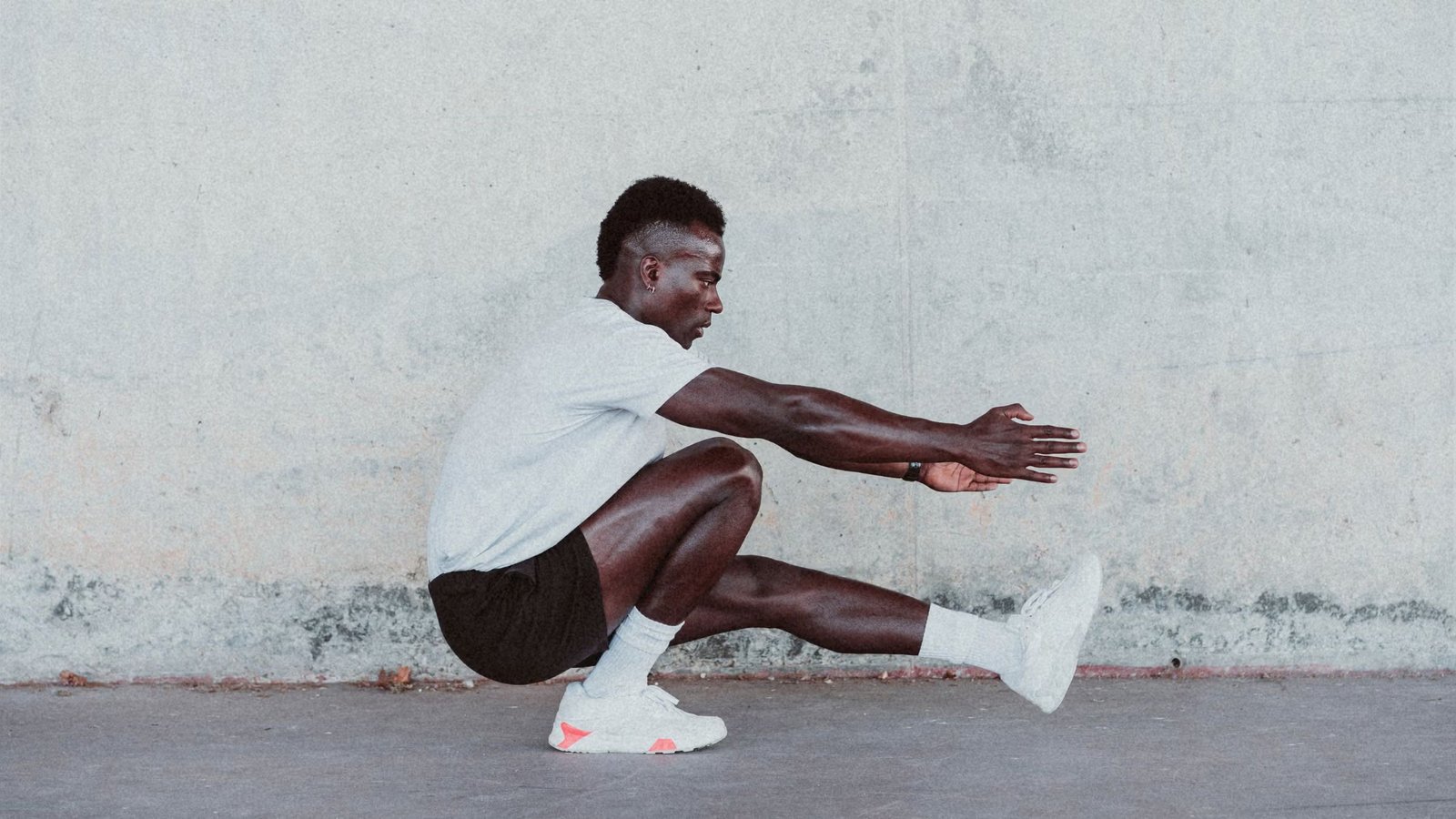
Fagan recommends knee-dominant movements that target your quads, glutes, hamstrings, and core. There are your typical bodyweight squats, as well as split squats and lunges—all of which can help build the lower-body power needed to hike, run hills, and maintain overall balance as you get older.
3. Push Moves
For your upper body, incorporate at least one exercise that presses resistance away from you. Lazoff suggests push-ups, bench presses, overhead shoulder presses, and triceps exercises such as skull crushers or pulsing arm kickbacks.
4. Pull Exercises
Round out your workout with a pulling exercise that draws weight toward you, targeting the muscles along the back of your body and your biceps. Examples include rows, lat pulldowns, and pull-ups, says Fagan.
You don’t need to cram all four movements into a single session. Alternating them throughout the week is a more effective way to prevent soreness and build strength, Lazoff says. What matters more than intensity is consistency.
But also do what fits your schedule. “If you have 45 minutes twice a week, great,” Fagan says. “If you have 15 minutes every day, great.” Because the best longevity routine isn’t the “perfect” one—it’s the one you’ll actually stick with.
Want more Outside health stories? Sign up for the Bodywork newsletter.
