

Published June 12, 2026 09:12AM
Overview: The best mountain bike helmets balance safety ratings, ventilation, and fit for the type of riding you do most. For general trail and enduro riding, look for a half-shell helmet with a certified rotational impact protection system (like MIPS), strong Virginia Tech impact ratings, and a dial-adjustable fit system. Our top pick is the Smith Forefront 3 MIPS.
Choosing a mountain bike helmet used to be simple: you picked a color, cinched a plastic dial, and hoped for the best. Today, the landscape is flooded with proprietary tech, multi-density foams, and confusing safety acronyms. To help you cut through the noise, we’ve rounded up the best helmets for general mountain biking. By “general,” we mean the golden middle of trail and enduro riding—open-face (or “half-shell”) helmets that prioritize deep coverage, ventilation for hot climbs, and lightweight comfort. These differ from road or cross-country bike helmets, which trade protection for featherweight race speeds, and heavy-duty downhill full-faces built exclusively for bike parks and high-speed gravity racing.
To find the best of the bunch, our team put nine leading helmets through a multi-month testing phase, logging hundreds of miles on everything from technical climbs to rocky, high-speed descents. We evaluated each lid on real-world ventilation, strap adjustability and security, and all-day comfort, then cross-referenced impact ratings and safety tech. We narrowed the field to five top picks, organized into distinct categories to help you find the right match.
Best Mountain Bike Helmets: At a Glance
The Reviews: The Best MTB Helmets of 2026
Best Mountain Bike Helmet Overall
Smith Forefront III Mips
Weight: 410 g
Size Range: S-L
Pros and Cons
+ Seamless eyewear storage
+ Extremely comfortable
+ Sleek stylish aesthetic
– Expensive
– No updated Virginia Tech Impact Rating
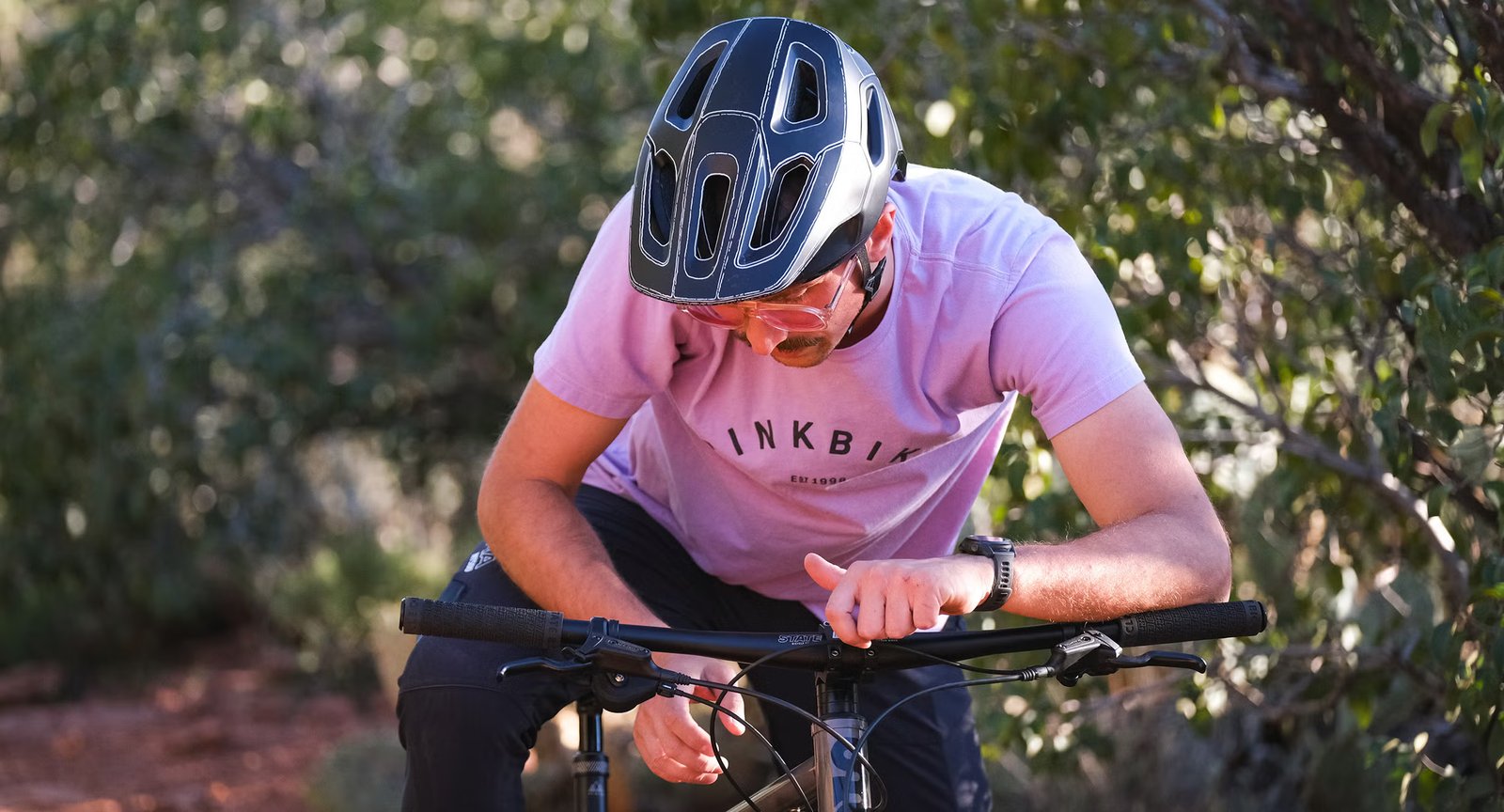
The Smith Forefront 3 Mips is our top pick for one simple reason: it does everything well. The fit is exceptional—a fairly round shape paired with a BOA dial at the rear lets you micro-adjust on the fly until it’s locked in just right. The coverage feels secure and full without being claustrophobic, and Smith updates the colorways regularly so it actually looks good, too. For riders who wear glasses on the trail, the front and back eyewear storage channels are seamless and genuinely useful. We also appreciated the three-position adjustable visor for reducing glare.
The Forefront 3 uses a honeycomb inner structure for energy absorption and ventilated impact protection, and the MIPS system—designed to reduce rotational forces on the brain during angled impacts—is integrated directly into the padding rather than sitting as a separate layer. It’s a cleaner, less noticeable implementation than you’ll find on a lot of helmets. While some might complain that the Koroyd honeycomb reduces airflow, testers had no complaints and felt like the helmet offered exceptional ventilation.
While the helmet lacks an updated Virginia Tech Impact rating (the original Forefront was tested over a decade ago and technology has been updated since), it is certified and meets the same safety standards as all helmets in this review. With that in mind, the Forefront 3 is our go-to half-shell pick for riders who want solid coverage, a comfortable all-day fit, and don’t mind paying for it.
Best Affordable Mountain Bike Helmet
Fox Racing Speedframe
Weight: 410 g
Size Range: S-L
Pros and Cons
+ Affordable
+ Comfortable fit
+ Clean, stylish colorways
– Slightly less overall coverage than premium models
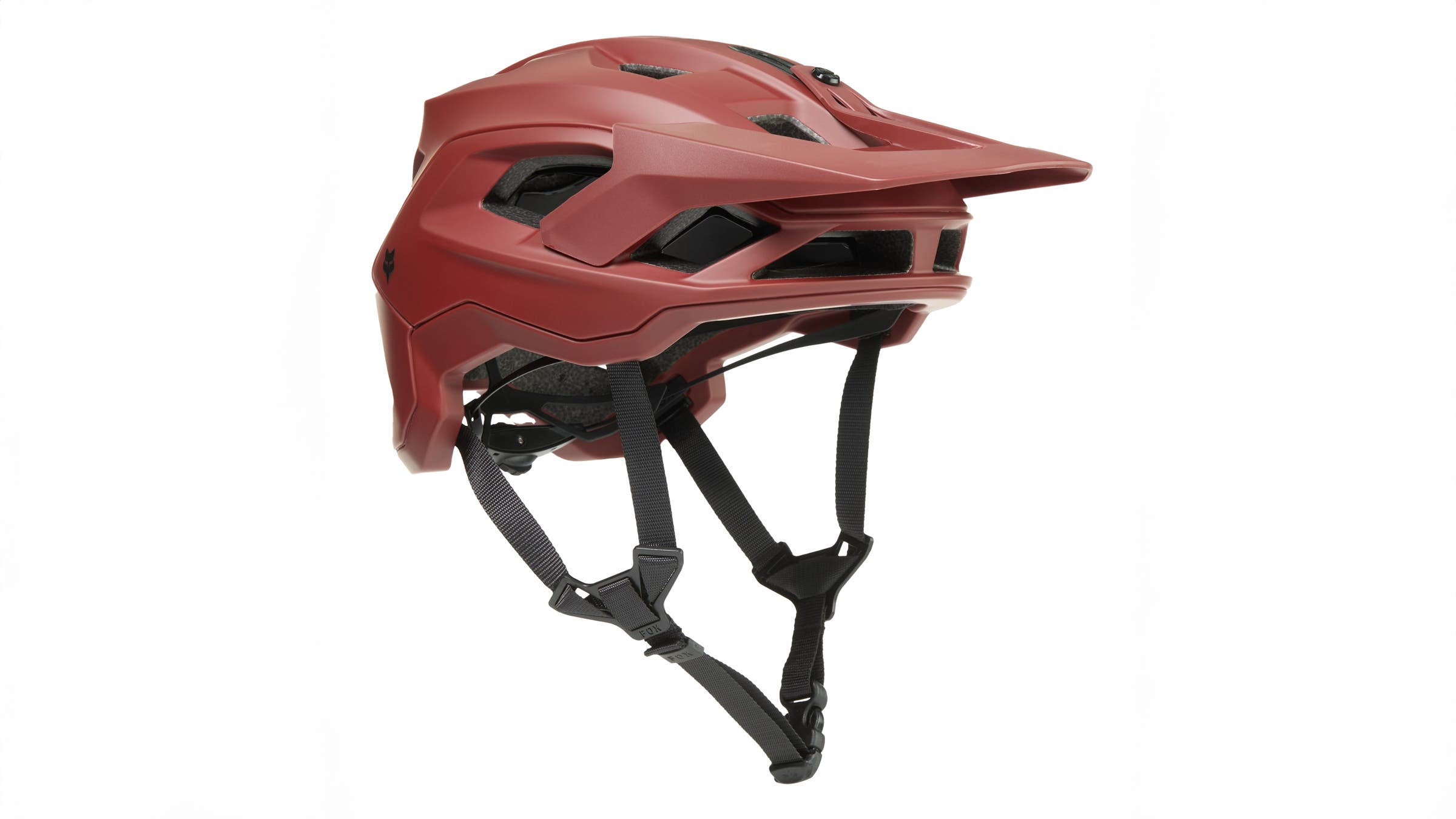
At $120, the Fox Racing Speedframe is the easiest recommendation on this list for recreational riders who want a MIPS-equipped helmet that checks every box without breaking the bank. The fit is cozy and adjustable, and while the shape runs slightly more oval than round, the rear dial let testers dial in a snug, pressure-free hold without much fuss. The visor adjusts to three positions, sunglasses storage is built in, and five clean solid-color options round out a package that looks more expensive than it is.
The Speedframe comes in three tiers—the standard Speedframe (tested), the Speedframe Pro, and the Speedframe RS. They all share the same baseline design but vary in features and price. While the Virginia Tech Impact rating on this affordable base model is slightly lower than the Pro or RS versions, it still earns an above-average rating and easily meets all standard safety certifications.
For most trail riders, the base Speedframe is plenty, offering solid coverage, a comfortable fit, and ample venting at a price that’s hard to beat.
Highest Impact Rating
POC Cularis
Weight: 360 g
Size Range: S-L
Pros and Cons
+ Top-tier Virginia Tech safety ratingHigh impact rating
+ Incredible airflow
– Expensive
– Sunglass storage is finicky with non-POC eyewear
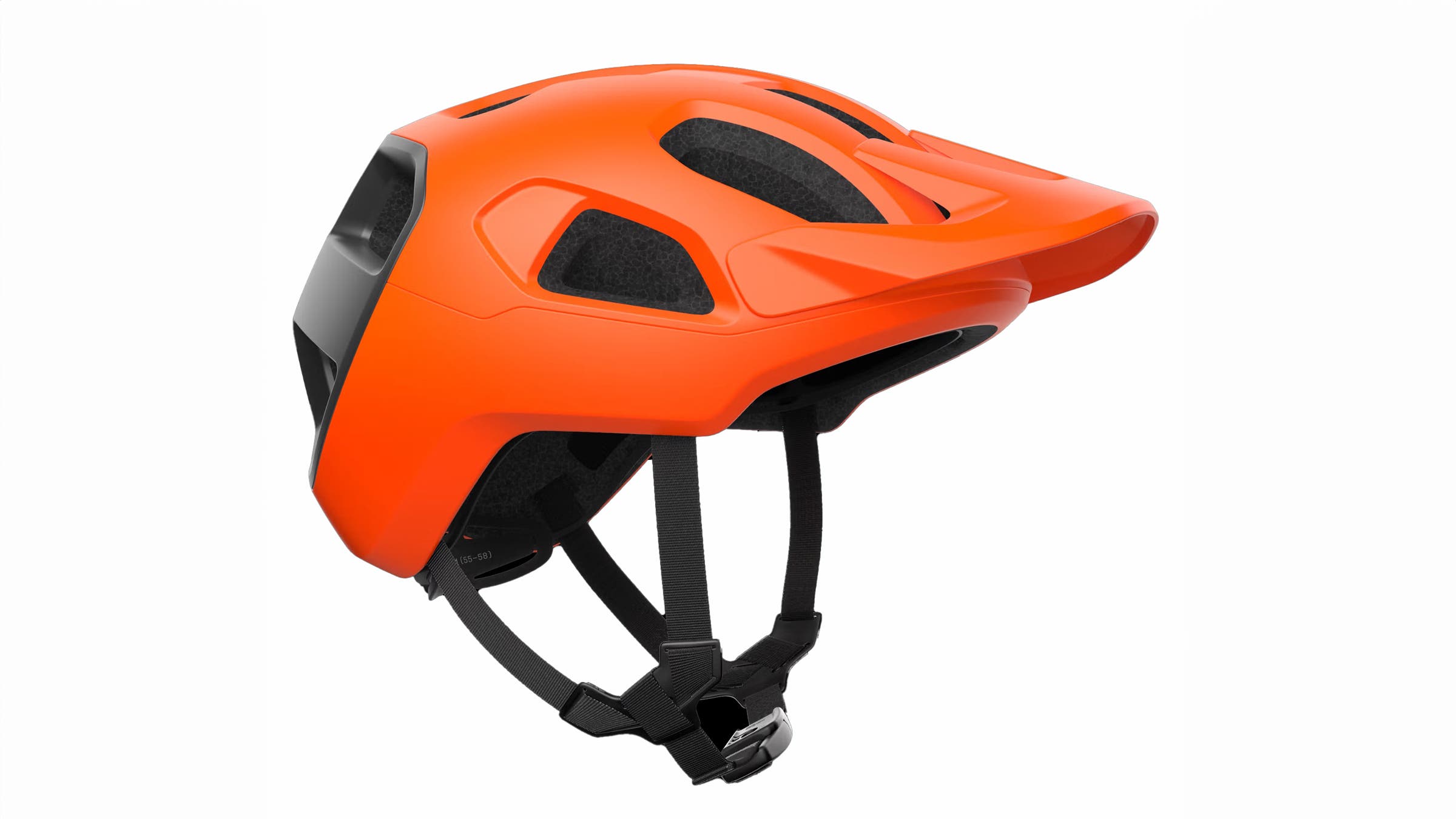
If safety and ventilation are your top priorities, the POC Cularis belongs at the top of your list. Featuring MIPS rotational impact protection and an EPS liner, it’s one of the highest-rated helmets on the Virginia Tech Helmet Rating system. As for ventilation, POC used computational fluid dynamics to map out the venting, and airflow from front to back was noticeably better than almost every other helmet we tested—we never felt overly hot or sweaty on long rides in warmer temperatures.
Comfort is equally strong. The dial-adjustable fit cradled the head without creating harsh pressure points, and the Mips Air Node rotational protection—integrated directly into the padding rather than added as a separate layer—keeps the fit clean and unobtrusive. The magnetic Fidlock buckle is a small but genuinely nice touch once you’re used to it.
The one real gripe: sunglass integration is hit or miss. The slots work best with POC’s own riding glasses—I struggled to get my Smith Bobcats to feel secure while pedaling. And though this helmet is priced on the higher end, it’s still a step below the Smith Forefront 3 and in line with other premium helmets. For riders who want to maximize safety and airflow on technical trails, the Cularis is a solid choice.
Paid Advertisement by Endura
Endura MT500 Mips®️ Helmet
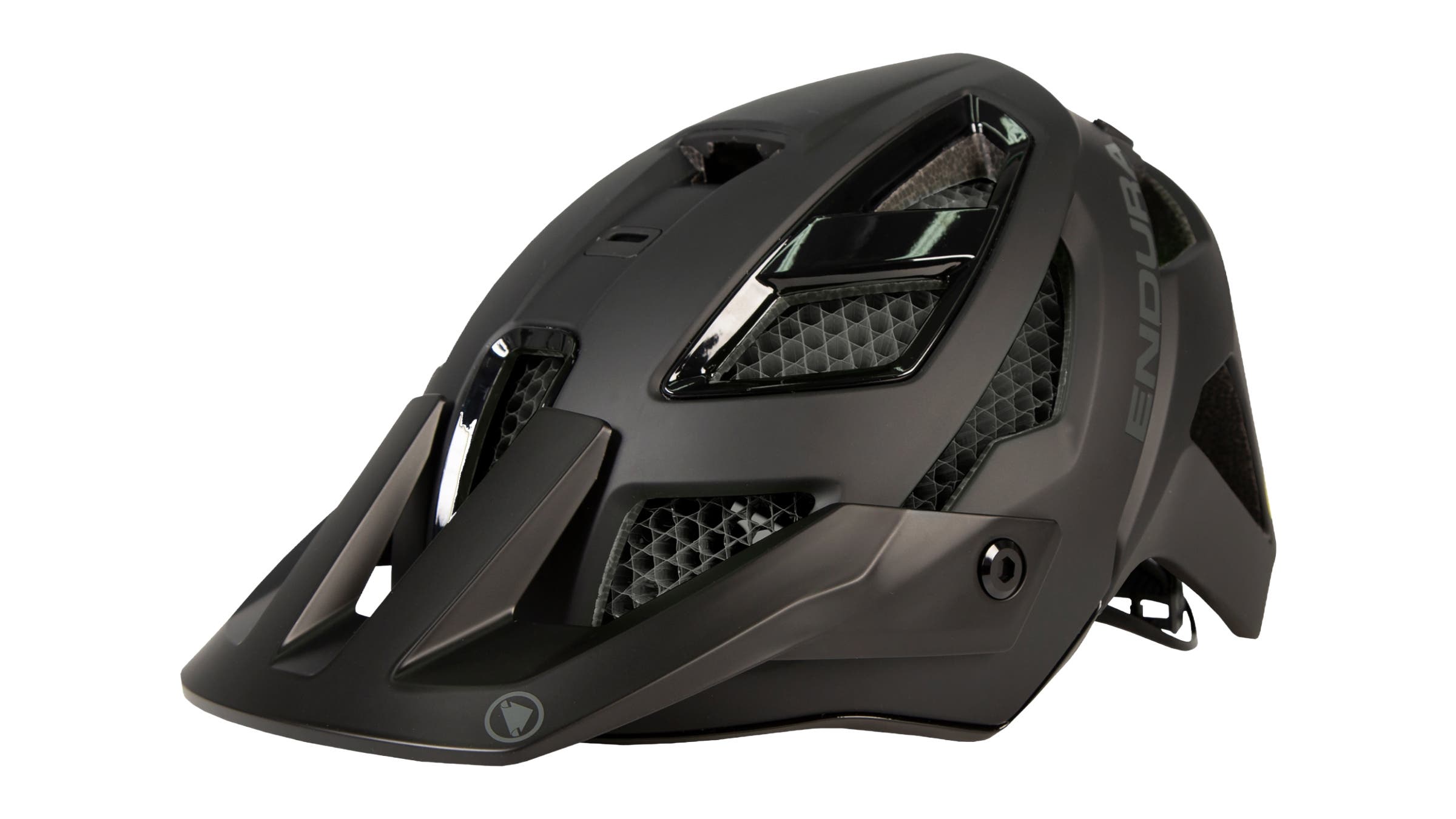
When you’re speeding down dicey singletrack and tackling unknown terrain, you want peace of mind that your head is protected—literally. Endura knows this better than anyone and has upgraded their already award-winning MT500 helmet with added Mips and a full Koroyd core. With maximum impact absorption, a lightweight build, and massive airflow, the Endura MT500 Mips®️ Helmet protects your brain and keeps you cool when you’re pushing hard. It features an adjustable and removable visor, anti-bacterial padding, an eyewear dock, and a clip-on mount for your lights or camera. It has everything you need to keep you safe and comfortable while you enjoy the ride.
Most Comfortable MTB Helmet
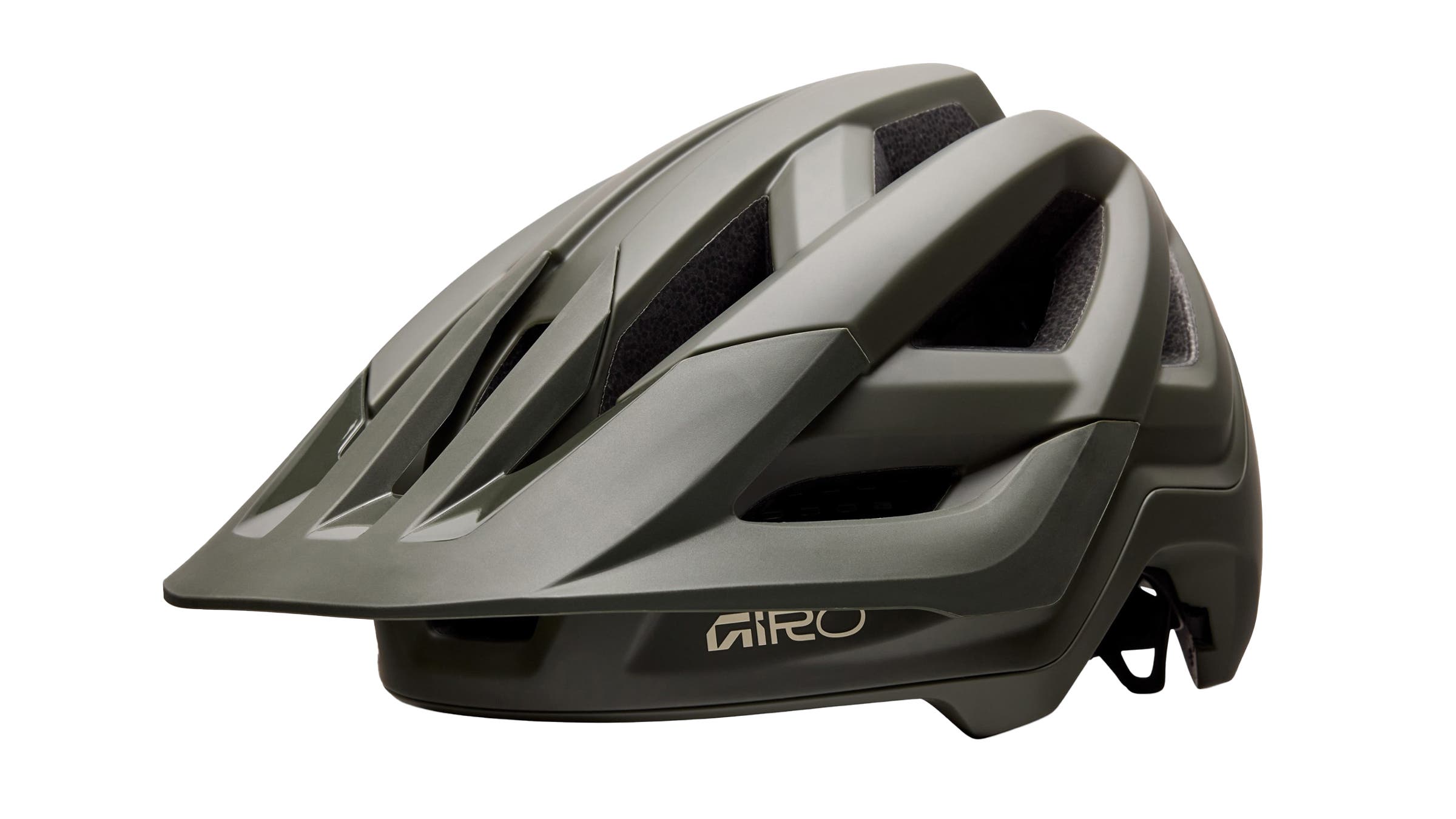
Giro Montaro MIPS III
Weight: 450 g
Size Range: S-L
Pros and Cons
+ Great sunglass retention
+ Extremely comfortable and deep fit
– Noticeably heavier than other trail shells
– No Virginia Tech Impact Rating
The Giro Montaro Mips III earns its place on this list with a roomy, deep fit and ventilation that genuinely impressed our testers. Even grinding through the hotter temperatures of southern Baja, it stayed comfortable and airy. The slightly ovalized shape and uniform dial-adjustable fit system cradle the head evenly, and the magnetic Fidlock buckle, adjustable visor, and integrated sunglass holder round out a feature set that’s well-matched to its price point.
The Montaro doesn’t hold a Virginia Tech rating, but it’s fully CPSC/CE certified and meets the NTA 8776 e-bike safety standard—a stringent benchmark designed for higher-speed protection. Rotational impact protection comes via Mips Evolve Core, integrated right into the padding.
This fit is a little heavy for a trail helmet, but if deep coverage and all-day comfort are what you’re after, the Montaro delivers.
Best Affordable Convertible Full Face MTB Helmet
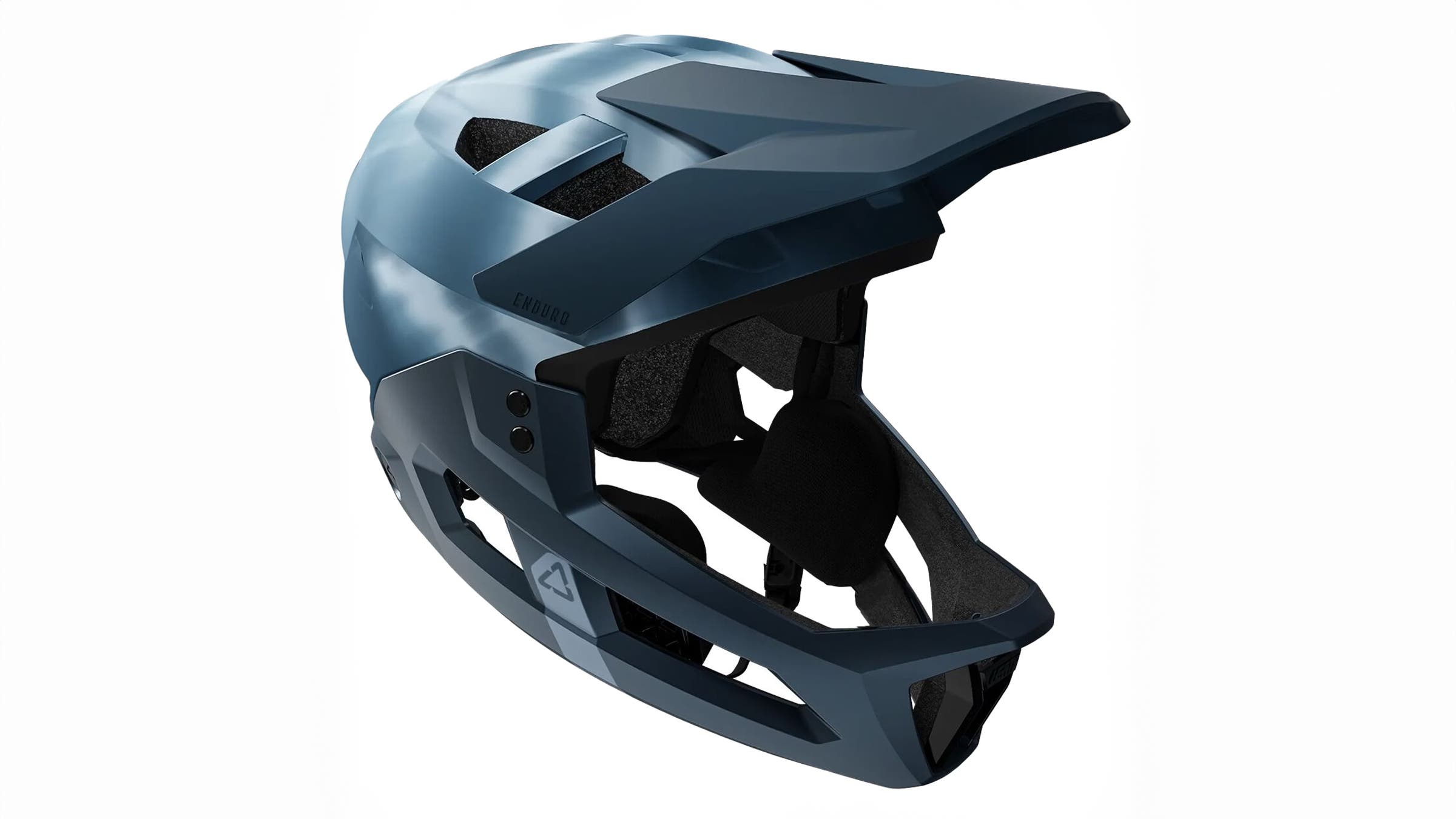
Leatt Enduro 2.0
Weight: 690 g
Size Range: S-L
Pros and Cons
+ Removable chin bar
+ Budget-friendly
+ Impressively lightweight
– No Virginia Tech Impact Rating
The Leatt Enduro 2.0 is a convertible full-face helmet with a removable chin bar—a genuinely clever setup for riders who want extra face protection on the descents but need to breathe on the climbs. A simple push-button detaches the chin bar in seconds; then just snap it back on before dropping in. We tested it across a wide variety of climates and temperatures, and the 20 vents kept airflow excellent on the way down, while climbing with the chin bar off was easy breezy.
At a reasonable $219, the feature set is hard to argue with: magnetic Fidlock buckle, adjustable visor, sunglass docking, and a weight that sits right alongside elite lightweight convertibles like the Troy Lee Designs Stage and the Bell Super 3R Mips. This model hasn’t been rated by Virginia Tech yet, but Leatt’s proprietary 360° Turbine tech offers rotational protection similar to MIPS, paired with high-quality impact foam for solid energy absorption.
As a bonus, Leatt offers the Enduro 2.0 in junior sizing for younger riders, and a step-up Enduro 3.0 is available with beefier padding and downhill-certified protection for riders who want more coverage.
More Mountain Bike Helmets We Tested
Lazer Impala Kineticore ($220): This newer helmet from Lazer features DualCore—a soft, low-density foam layer designed to protect against rotational impacts. When paired with KinetiCore, it provides advanced impact protection comparable to MIPS. Our only gripe: adjustability is limited, causing some fit issues among our testers.
Specialized Tactic 4 ($120): Another budget-friendly option boasting a five-star safety rating from Virginia Tech, the Specialized Tactic 4 is a compelling choice for riders seeking a safety-first design without a premium price tag. The Fox Speedframe edged it out as our value pick for offering a better fit.
Sweet Protection Trailblazer Mips ($220): Earning a coveted five-star safety rating from Virginia Tech, the Sweet Protection Trailblazer MIPS easily goes toe-to-toe with premium rivals like the Smith Forefront 3 and POC Cularis, delivering an exceptional blend of comfort, ventilation, and a highly adjustable fit system. However, helmet fit is inherently tied to head shape, and the Trailblazer favors a rounder profile—meaning testers with narrower heads found it a bit too loose.
Best Mountain Bike Helmet: Comparison Chart
Frequently Asked Questions
Why do mountain bike helmets have visors?
While road helmets are stripped down for aerodynamics, a visor is an essential design feature on a mountain bike helmet. It acts as a shield on the trail—blocking blinding overhead sun glare, deflecting overgrown branches, and keeping mud or rain from pelting your face.
Do I need a bike helmet with MIPS?
The short answer is no; you don’t strictly need a bike helmet with MIPS. All cycling helmets are required to meet baseline safety standards. However, MIPS (and competitors like KinetiCore) offers an upgrade to those standards by adding rotational impact protection, which helps reduce the risk of concussions and traumatic brain injuries.
Are mountain bike helmets different from road bike helmets?
Yes, mountain bike helmets and road bike helmets are fundamentally different. While both are designed to meet strict safety standards, their designs differ significantly in coverage, ventilation, aerodynamics, and accessories to match the distinct demands of each discipline.
How often should I replace my mountain bike helmet?
The standard recommendation is to replace your mountain bike helmet every 3 to 5 years, or immediately after any crash. Helmets are single-impact devices, and even without a crash, daily exposure to UV light and heat will slowly degrade the outer shell.
How We Tested Mountain Bike Helmets
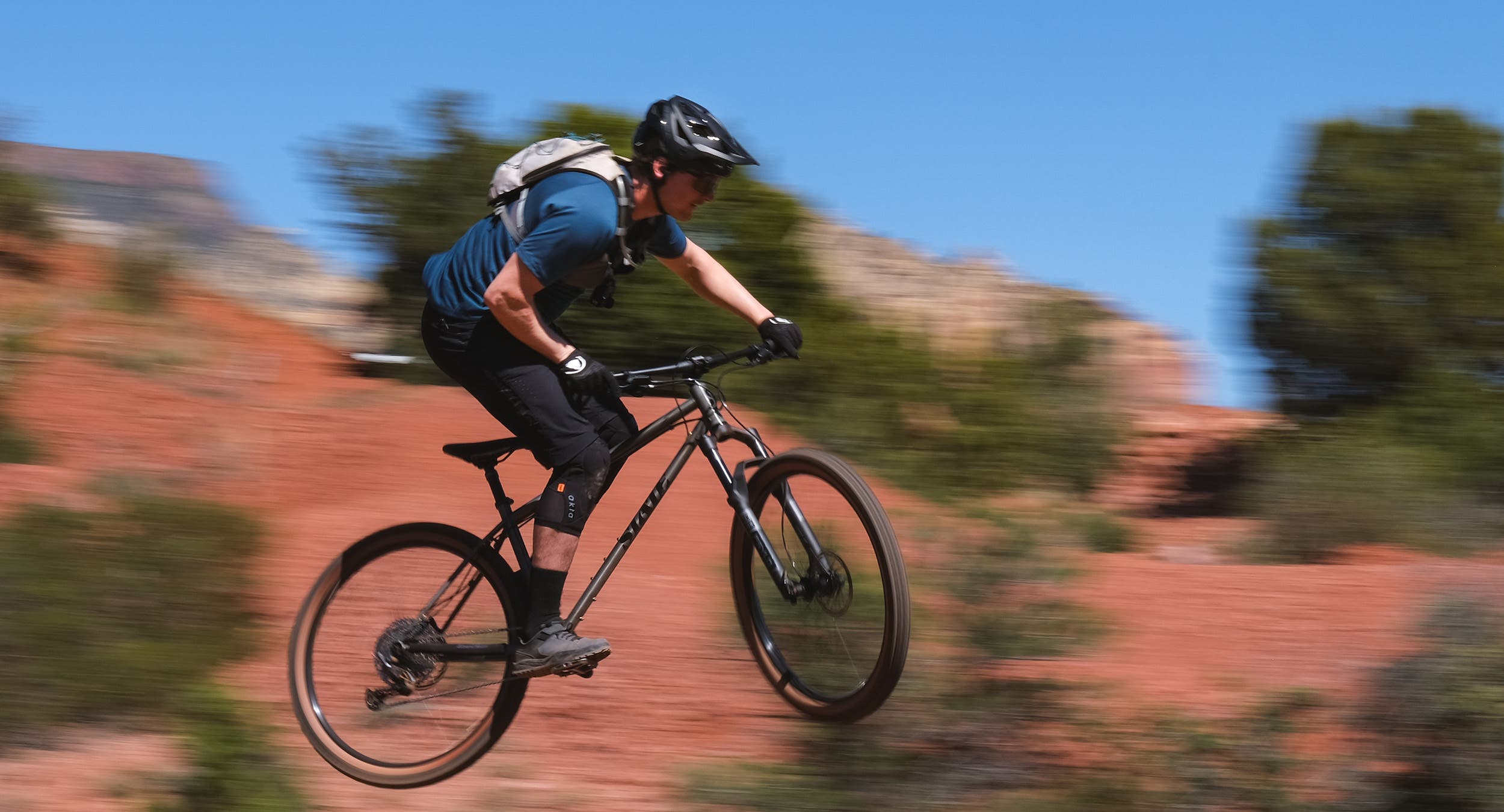
Our team selected nine mountain biking helmets for our 2026 gear tests, drawing on input from Pinkbike staff, veteran testers, and industry colleagues to ensure we secured the most up-to-date version of each model. Testing ran from late fall 2025 through spring 2026 across four distinct zones: the desert heat of La Ventana, BCS, and Sedona, Arizona; the exposed, windy terrain of Hood River, Oregon; and the steep, loamy forests of Bellingham, Washington. Field testing was further supplemented by long-term feedback from the Pinkbike editorial team.
Testers averaged around 2,000 vertical feet of climbing per ride across a mix of jumps, drops, berms, rocks, and cactus.Conditions spanned the entire weather spectrum, ranging from freezing, muddy winter mornings to uncomfortably hot, sun-drenched afternoons.
After months of testing, five helmets made the final cut and were given our stamp of approval by setting the standard for trail comfort, cooling efficiency, modern impact tech and of course style.
Meet Our Lead Testers
Nikki Rohan has been mountain biking for over 20 years and testing mountain biking gear for Outside Interactive, Inc. affiliate Pinkbike for over a decade. She resides in Hood River, Oregon, with her three kids, two dogs, and a grumpy cat. She spent a chunk of time competing in enduro races in the PNW, as well as events like Trans BC, Trans Provence, Downieville Classic, Grinduro, and the occasional CX or gravel race. When she is not working or traveling, you will find her on the river, the local trails or exploring the endless forest roads.
Matt Patterson is a New Zealand native who got hooked on mountain biking in 2002 and has been racing downhill and enduro, building trails, and exploring the PNW on two wheels ever since. He currently splits his time in his home on wheels in Hood River Oregon, Bellingham Washington and La Ventana BCS. He has two grown kids and a Baja rescue dog named Nutmeg. Matt is happiest when his tires are touching loam or in the air.
Annick Chalier is a longtime Pacific Northwesterner who resides in Lyle, Washington, and winters in La Ventana, BCS. She has a passion for all things cycling and has been a mountain bike coach, raced road bikes professionally, raced cyclocross, and dabbled in some endurance mountain bike racing. Through the years of training for racing, mountain biking always remained the counterbalance to the structured intervals: a way to be creative and connect with nature, dance down the trail hootin’ and hollerin’ with friends, and find distance from the outside world by being focused on the moment with the bike.
