

Former leaders of Big Bend National Park and more than a dozen lawmakers are urging the Trump administration to reconsider a border wall through one of America’s most remote national parks.
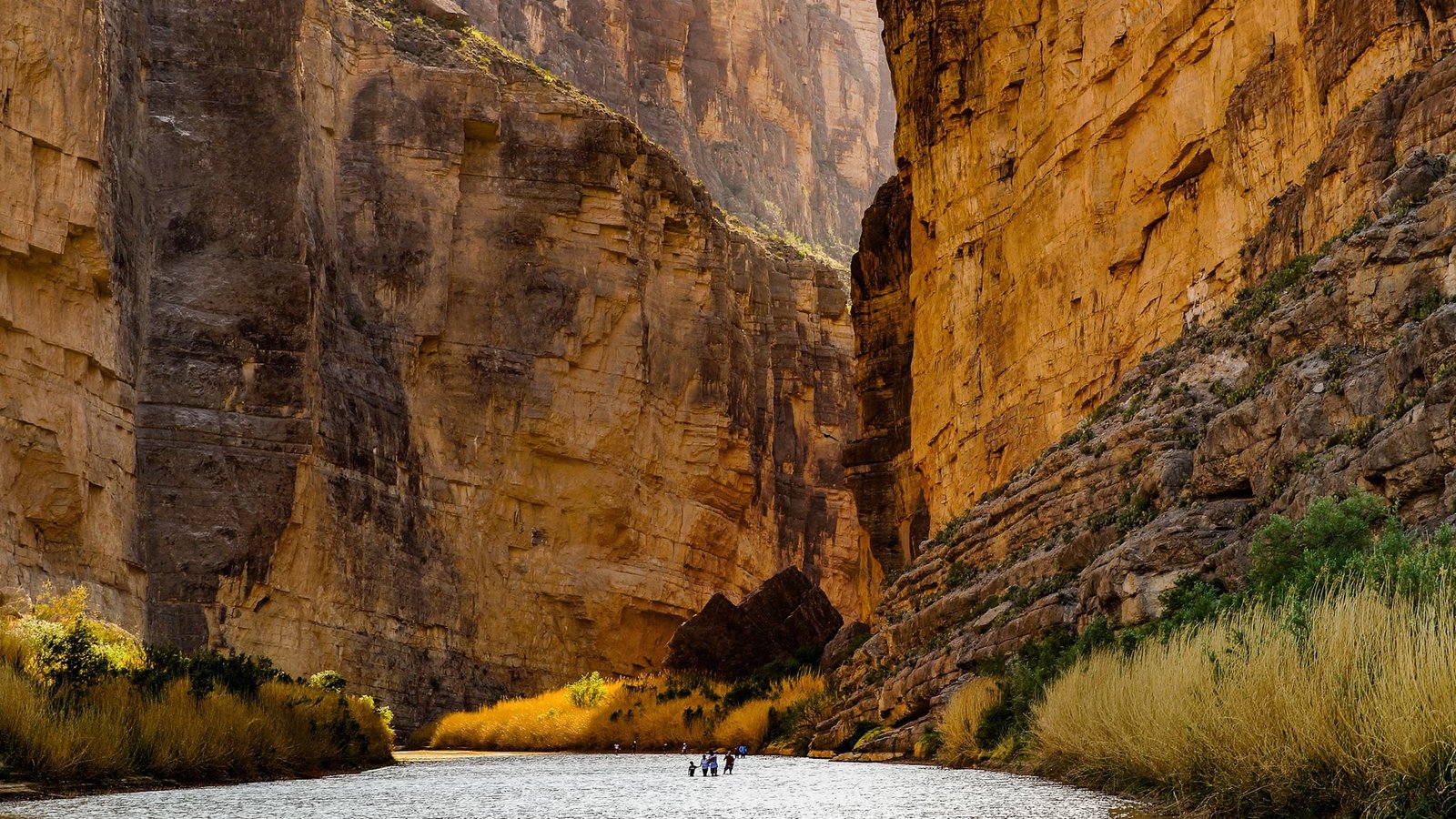
Opponents of the wall argue that Big Bend’s rugged terrain serves as a natural border (Photo: Stacey Campbell/Getty Images)
Published June 17, 2026 12:21PM
Lawmakers and former leaders of Big Bend National Park are sounding the alarm after the Trump administration recently waived dozens of environmental and historic protections. The groups believe the policy changes pave the way for a border wall to be built through the national park, which sits along the U.S.-Mexico border.
One letter was written by 16 members of Congress. The other was penned by seven former park superintendents. Both criticized the federal government for waiving at least 29 protections from the Texas park, including those under the Endangered Species and Clean Water Acts.
“There is no border security emergency here that warrants giving Customs and Border Patrol (CBP) unfettered authority to unnecessarily destroy some of the wildest parts of Big Bend or to disregard the overwhelmingly bipartisan will of the people, the actual data showing minimal numbers of border crossings inside the park, and the values that Texans and all Americans hold dear as represented by the National Parks,” Congressional signatories wrote in their June 16 letter.
The latest multi-billion-dollar border wall proposal would also strip the National Park Service (NPS) of its authority over the area, build 205 miles of roads in the borderlands—some as wide as 24 feet—and jeopardize 17 miles of pristine riverways, the writers warn.
In a separate letter on June 15, seven former Big Bend National Park leaders told Department of Homeland Security (DHS) Secretary Markwayne Mullin that border security enhancements don’t have to come at the expense of destroying natural landscapes.
A CBP spokesperson told Outside that the agency is still developing its border barrier plans in the Big Bend area, and is prioritizing areas with historically high levels of illegal crossings. In May, CBP told Outside that the government was scrapping plans for a physical barrier, instead relying on natural terrain and smart technology to guard the border.
Advocates of the park say border infrastructure is unnecessary, however. Workers would likely need to blast mountains in some areas to build roads, further jeopardizing an ecologically sensitive area in an otherwise vastly remote wilderness.
Big Bend National Park is home to the largest expanse of roadless public lands in Texas. It’s also one of the nation’s most biodiverse national parks, with more than 1,200 plant species and over 500 animal species—including the Mexican black bear, which has slowly but naturally repopulated the park after facing extinction. Located 600 miles from San Antonio, Big Bend is also one of the country’s most remote NPS sites. That remoteness, along with its rugged landscape and towering canyon walls, adds up to what CBP Commissioner Rodney Scott called a “landscape that serves as a natural deterrent.”
In March, a group of Texas sheriffs also pushed back against the federal government’s plan to build a border wall, saying its construction “would not represent the most practical or strategic approach to border security in this area.”
A wall through Big Bend has been on the table for decades, Former Big Bend National Park Deputy Superintendent David Elkowitz told Outside.
“This is not a new conversation, but every time it has come up, it’s been decided that it wasn’t a solution in this area because of the park’s remoteness, distance, and tough terrain,” Elkowitz said.
Construction related to the wall in the Big Bend region, outside the national park, has already begun, including clearing land for temporary housing for the workforce in nearby Van Horn, Texas. In early June, CBP told the Texas station Marfa Public Radio that it plans to begin construction of the border barrier in the region later this summer. The federal government awarded a $1.7 billion contract that includes the national park and runs through December 2028.
Letter co-author and former Big Bend National Park Superintendent Bob Krumenaker, who also chairs the non-profit Keep Big Bend Wild, recommends that people submit their comments on the CBP proposal, which is open now through July 13.
