

Published June 19, 2026 04:15AM
Overland Expo West has two important resources: gear and people. It’s a showcase for new and innovative products, but also a gathering of folks who have lots of experience on the road. This year we went looking for veteran overlanders, people we’re calling “Overland OGs,” to get their best gear and travel tips. It wasn’t hard to find overlanders who’ve spent five, 10, or even 40 years out adventuring. Here’s their best advice.
Keep it Simple: Start with What You’ve Got
Lots of newby overlanders overdo it in the gear department. They think $10,000 worth of stuff guarantees a great trip. The OGs we spoke to said nothing could be further from the truth. Too much stuff weighs you down, makes it harder to pack, and often doesn’t get used.
“My main piece of advice for people who are thinking about moving onto the road is to go and do it with what they have, or build your rig very slowly,” said Raquel Hernández, who travels with her partner Sam Salwei and runs the Instagram account @yogaslackers. “Do a third of [the upgrades] you think you want to do, go use it, figure out what you actually like or don’t like—before you go out and spend a lot of money on something you regret.”
Lesa NeSmith (SimplyLesa on YouTube) has been car camping since 1978 and lives on a $1,000/month fixed income, so she can’t afford to splurge on the latest gear. But that doesn’t stop her from heading out. She drives an affordable 1998 Chevy Tracker and doesn’t feel the need to keep up with the Joneses when it comes to flashy gear.
“I buy some of my stuff from Walmart. If I can figure it out, if I can go [on adventures], you can go. Just go do it,” she says.
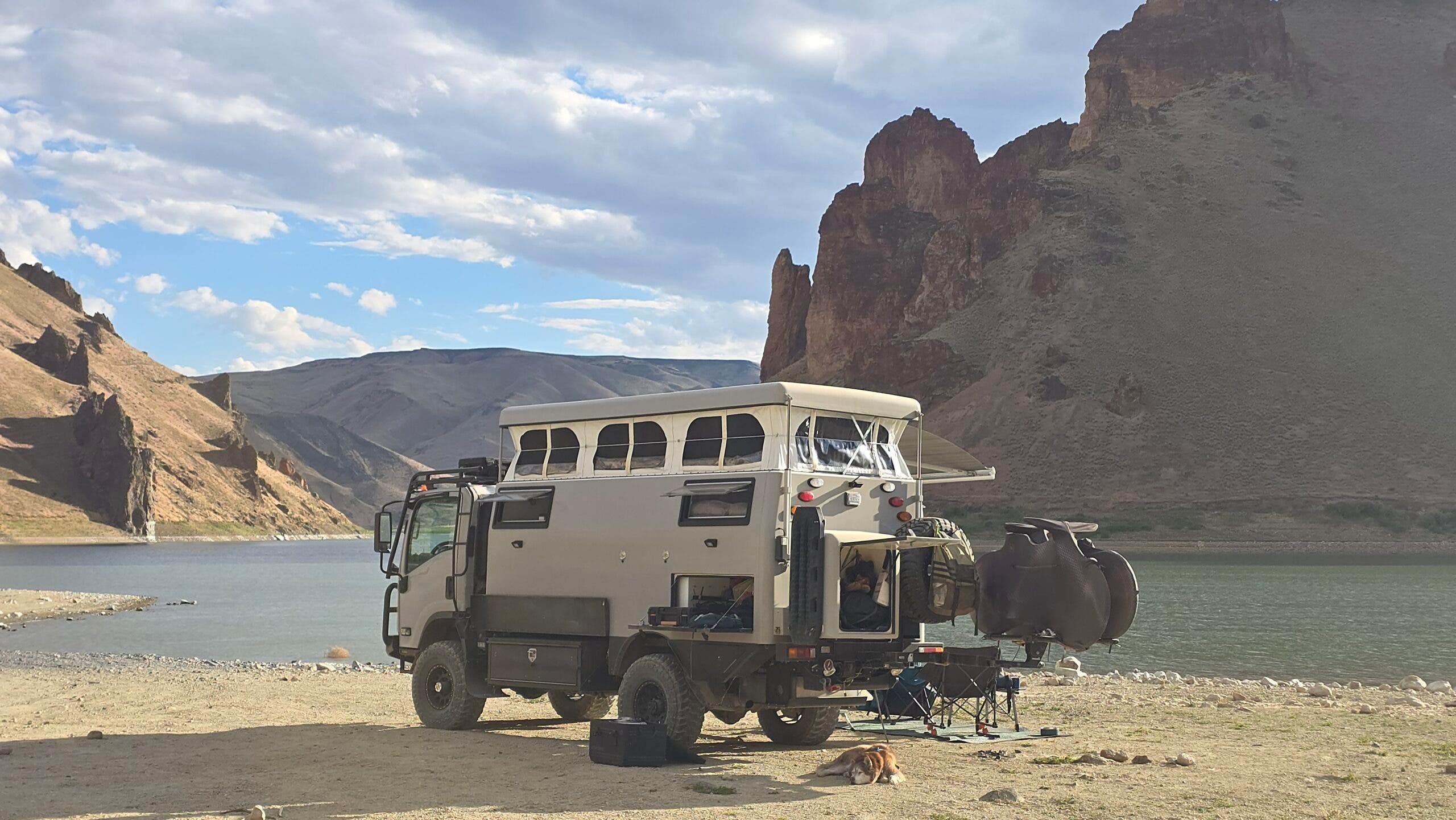
David Jenden has been adventuring in various four-wheel-drive vehicles since 1988. He currently drives a large Iveco 135E18, but says he graduated to something complicated after starting simple.
“For off-roading and enjoying the outdoor life, I think it’s probably about making the most of what you’ve already got. You don’t have to have a brand new super shiny rig. You can actually go out and have a really fun time in a $2,500 old pickup truck with a tent in the back and an old mattress,” he said.
When it comes to fancy navigational tech, he advises staying analog.
“I’m old school. I like to look at a proper map and go, ‘Oh, that looks like a really cool road, I’m going to drive up there. And then of course there are always stunning views and all the fun things that happen on the way,” he said.
Allan Ivy and his wife Fancie started overlanding in 1980 back in South Africa. Like Jendem, they now drive a large and well-equipped overland vehicle—a refurbished fire truck from Switzerland—but they started simple and advised others to not let a vehicle be a barrier.
“My only advice is don’t look back. Get out there with whatever you have at your disposal,” Allan said.
Be Prepared, Be Smart, Be Flexible, Be Mindful
Overland OG’s also had advice on how to approach the unpredictability of off-road life.
Stan Dietzman, who’s been off-roading since 1971, said he learned over time that he has to be self-reliant if he’s going to explore anywhere off the beaten path.
“My biggest piece of advice is: Get comfortable with helping yourself out of a hard spot. Don’t rely on others, because that’s kind of setting yourself up for failure,” he said. “I have put myself into a bind more than 12 times, but it’s the idea of being able to get out of that bind that has made it enjoyable for me. I feel like I can go pretty much anywhere now and feel like I can get home.”
Steve and Sioux Tobueren, who’ve been adventuring together for the past 50 years, take a different approach. When they know something could go wrong, they stop before it’s too late.
“Be conservative. Turn around instead of pushing the limits,” says Steve.
“If you want your wife to keep going with you, turn around,” adds Sioux.
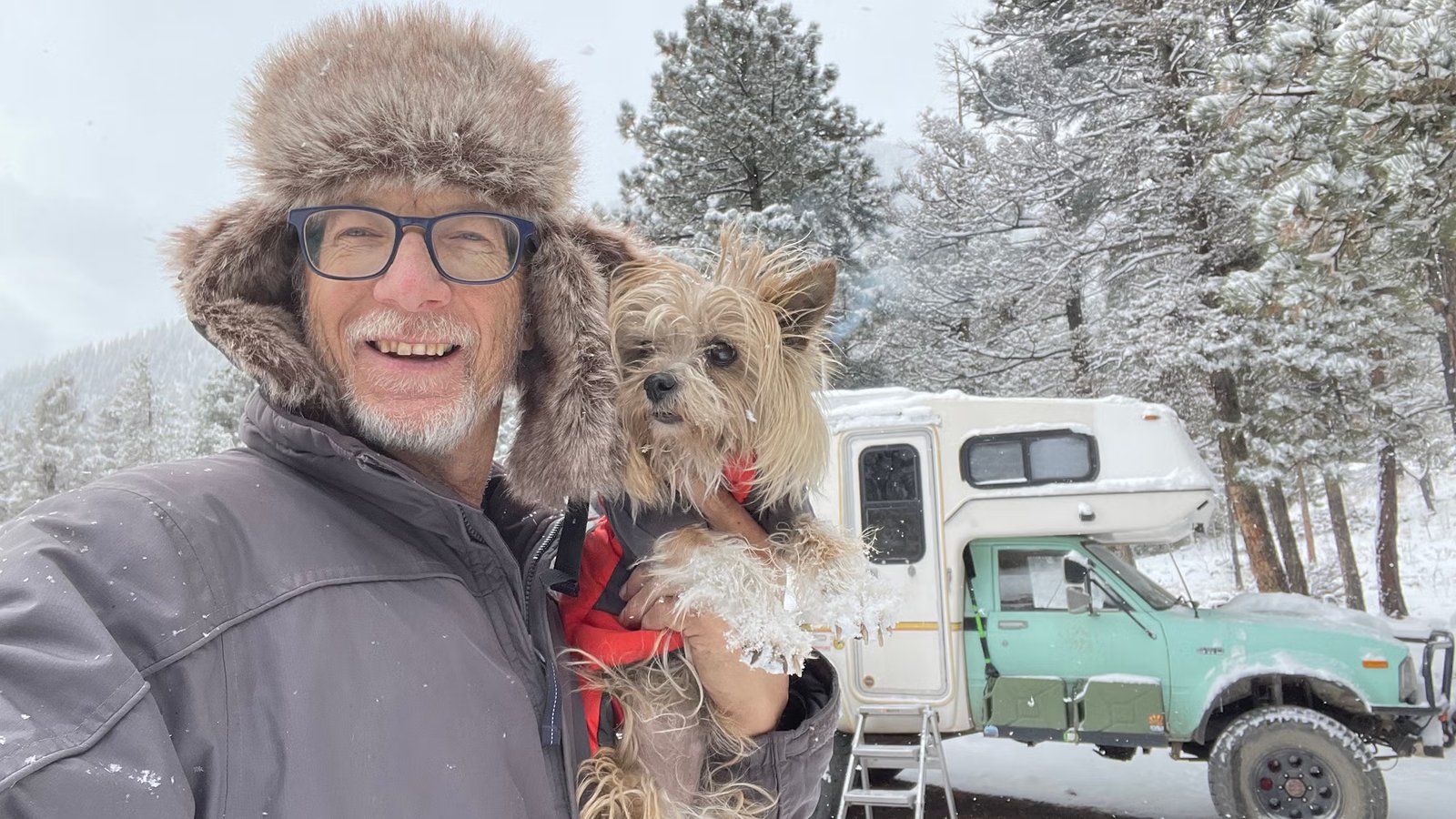
When Bradley Enlow built out his off-road 1982 Toyota Sunrader he thought it would be his ticket to pristine camping spots that he had to himself. Instead, he found himself camped next to other people all the time. At first he hated it, but eventually realized that meeting people is part of the adventure.
“People pull up with their 40-foot fifth-wheels with their generators going, and you think, ‘Take off, get out of there.’ But when I stay, I end up meeting some of the most genuine and incredible people,” he said. “The challenge of living on the road is when you break down, you need to be rescued, you need help. I have met some people who’ve just said, ‘Hey, if you are ever in our area, reach out to us. We have a place for ya, whatever you need.’”
Jeff and Kristi Hosea have been overlanding since 1994 and said they’ve learned that if they veer off-course or run into an unexpected change of plans, it’s a chance to learn and explore.
“You have to be flexible and adaptable out on the road. Don’t panic,” Jeff said. “You never know what’s going to happen and you should take that opportunity to go see something that you didn’t plan on seeing.”
Kristi revealed her secret to be ready to keep adventuring, no matter what comes your way: “Have a daily ritual,” she said. ”I think it’s important to kind of ground yourself every day…practice a little mindfulness. It helps set you up for whatever you might encounter that day, because you don’t know most of the time.”
