

You have probably noticed that you have times during your day when you’re locked in and feel like you’re working at your peak and other times when your mind isn’t keeping up with everything that needs to be done. Some of that may reflect your circadian cycles. If you’re a morning person, you may arrive at work in the morning raring to go, but if you’re a night person, it may take you a while to get warmed up.
A big influence on your cognitive effectiveness is fatigue that can build up over the course of the day. A lot of work on ego depletion suggests that the more difficult mental work you do in a day, the harder it can be to continue to do that work later. In some sense, your ability to control your thinking and actions is a limited resource that needs to recharge periodically.
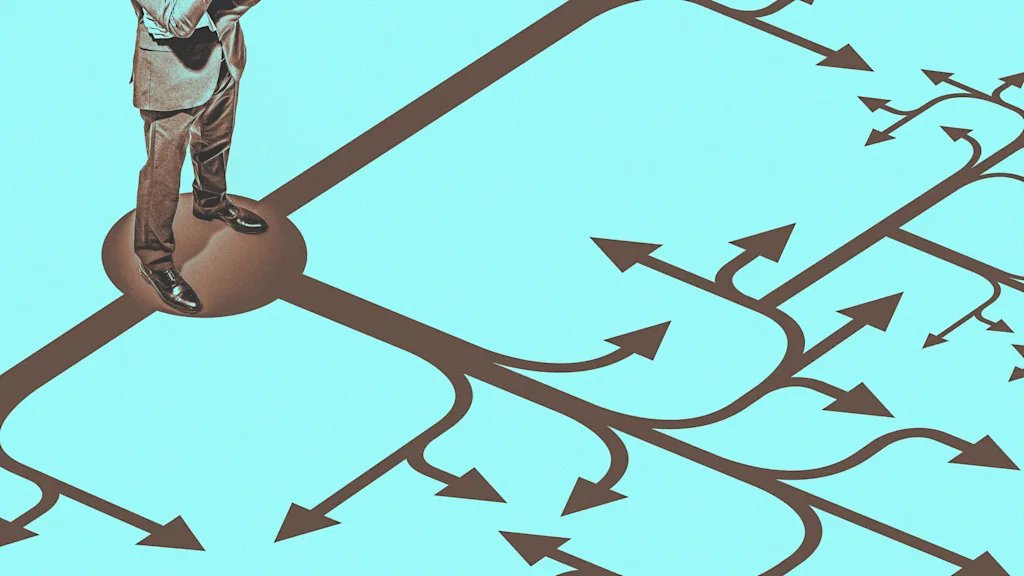
One of the big depleters of this resource is decision fatigue. Decisions are complicated. You have to identify a set of options, weigh the possibilities, and ultimately select one. Even if the particular decision isn’t highly consequential, if you put in effort on those choices you may find that you reach a point in the day where you start choosing more arbitrarily. This fatigue can be a particular problem when you are called upon to make important decisions at work or in your personal life.
Luckily, there are a few things you can do to minimize the impact of decision fatigue.
Master the effort-accuracy tradeoff
One problem many people struggle with is that they put more effort into all kinds of tasks than is really required. We all know that the more time we spend on things, the more likely we are to create a good outcome. The trick is to try to match the amount of effort to the quality that is required.
In decision making work, that is called the effort-accuracy tradeoff. If you’re buying a new car, you should probably spend a lot of time reading reviews, test driving, getting estimates of reliability, and thinking through the ways you’ll use the car. The choice matters, because cars are expensive, and there are real consequences to choosing the wrong one. If you’re buying a candy bar, though, you don’t need to deliberate much. Even a sub-optimal candy experience is still a pretty good experience in life, so you can’t go too far wrong if you don’t pick the idea.
The problem with putting too much effort in on decisions is that you’re tapping that potentially limited resource in ways that may lead to a negative impact when you are faced with something important you need to address. Try making a few of your inconsequential decisions with less thinking. If you’re still happy with the outcomes, then you can continue to choose a less effortful path in the future.
