

From dodging venomous vipers to finding water in the desert, a veteran producer reveals the high-stakes process of picking locations for hits like ‘Naked and Afraid.’
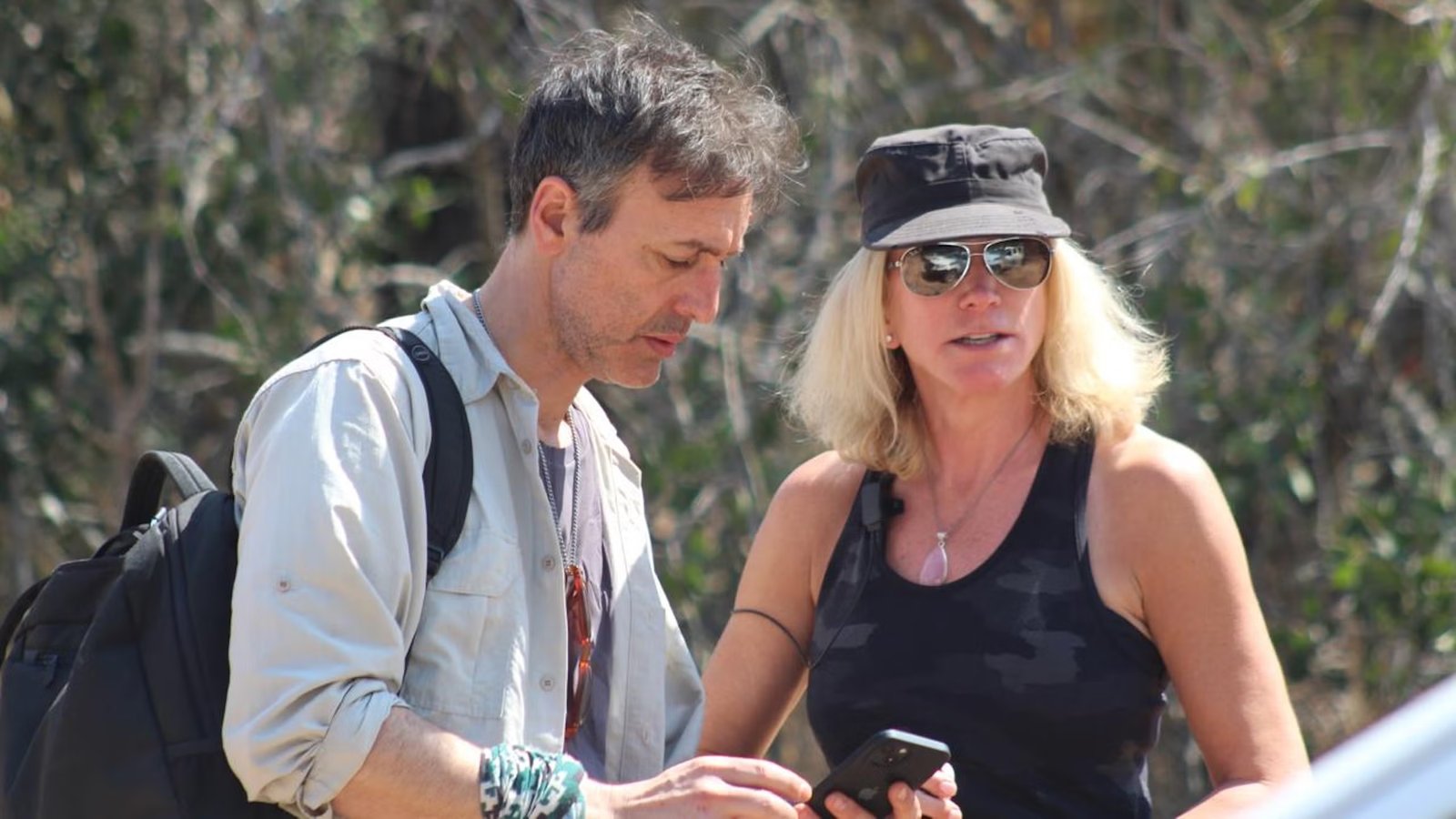
The author in South Africa (Photo: Rachel Maguire)
Published April 8, 2026 03:25AM
Have you ever watched your favorite outdoor reality show and wondered what it’s like to pick the location? Most shows are shot in a studio or a controlled environment, but when you venture into the great outdoors, the game changes. As an adventure and survival television producer, with 25 years under my belt, the most important part of any show that is shot in nature is the scout.
When I scout a location, I am meeting a main character. It’s exciting and fun, but it’s also brutal and stressful, as things rarely go as planned. It’s physically demanding and can be dangerous. Here’s what happens on the ground before your favorite survival shows start filming.
Before I Go
Before I set foot on a plane, I need to settle on where I want to film. A survival show is unique because people have to genuinely survive, so I need to know whether there are enough resources to sustain the cast. In the case of Naked and Afraid, weather was always a concern since the participants are naked and therefore more vulnerable to the elements than on other survival shows. There are also financial considerations such as tax rebates, infrastructure, the cost of local drivers, medical teams, and other general support. To help me figure it all out, I work with fixers from around the world. A “fixer” provides invaluable scouting services and assists with all the logistics.
Looks Can Be Deceiving
The next step is more glamorous, but it can also disappoint. I have to get on the ground and see what’s really there, as pictures are never sufficient. There have been many instances where something looks and sounds perfect, but when I arrive, I realize that it’s not. It’s harrowing to think you had a handle on things and then discover that the photo of the water source was taken months earlier and will be dry when you need it.
I Land on the Ground
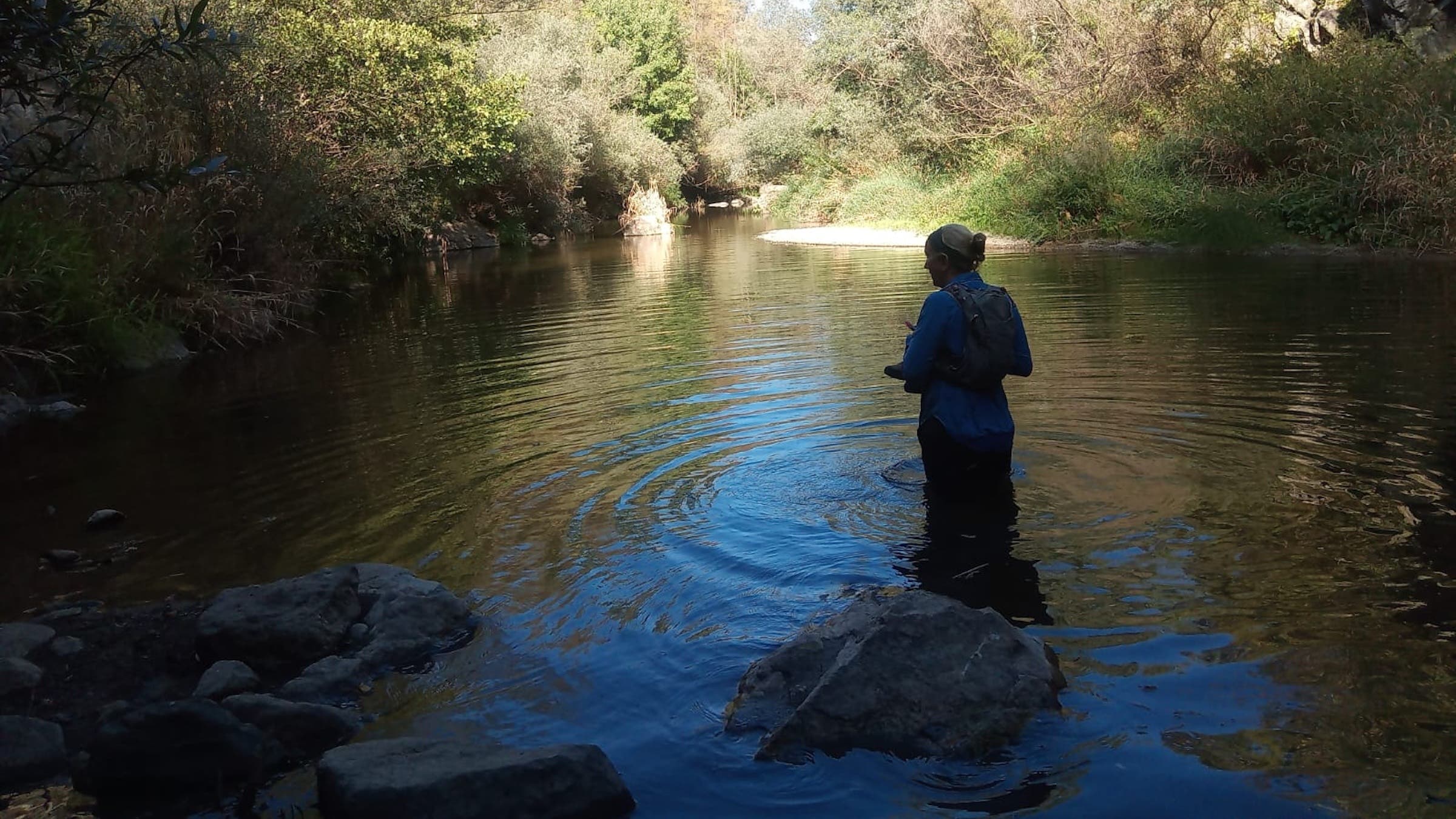
Over the next few days, I wake up before the sun rises, hike in, and explore the land. It usually consists of long, hot days in the pounding sun, and we often get rained on. Staying hydrated is key. I wear long sleeves, pants, a hat, and proper footwear to protect my body. Anything can happen. I have tripped and fallen down rocky hills, dodged widowmakers plummeting from trees, picked ticks off my body, come very close to being bitten by a venomous viper in South Africa, and have been attacked by swarms of bees more than once in Colombia.
I Assess the Main Area
My priority is getting eyes on the survival area to determine if people can actually survive there. The number one concern is the water source. Is it potable? How far away is it, and is there enough for it to last the duration of the shoot? If the water works, then my focus shifts to food and shelter-building supplies. The location also has to make logical survival sense. I’ve had people show me what they thought was a perfect spot, but it was miles from the water source. That’s not going to work. You’re not going to set up a camp that far from hydration. If things are not lining up, it’s intense because I only have a few days to figure it out, and I will need to find alternate spots fast.
I Consider the Crew’s Needs
After several exhausting days in the elements, the next thing to focus on is where the crew will be housed. By the nature of the beast, survival shows are remote, so accommodations are usually less than stellar. Hot water is a bonus, and Wifi often has to be brought in. In some countries, you have load shedding, so you don’t always have power. Our equipment runs on rechargeable batteries, so we have to time the charging of gear properly, and/or make sure we have a generator. We also need food, proper transportation, and drivable roads. No location has everything; there will always be a compromise.
Safety First
For any production, safety is paramount. This is often one of the most stressful aspects of scouting. How far are hospitals? What level are they? What about political strife? I am often scouting and filming in parts of the world that are considered high risk. Do we need security? Do we have anti-venom? Do we need it? How about other animal peril? One time, I had a female cougar with a cub in the area. I had to determine if it was safe to have people nearby. I decided that as long as the cast lit a fire, it would be. Every day is filled with questions that must be answered.
I Evaluate All of the Possible Challenges
Anticipating the unknown is probably the biggest challenge during scouting, and every terrain poses different variables. If you’re shooting on a beach in the Bahamas, what is the tide schedule? Will you be able to get the camera crew in and out by boat? And what will you do if you miss the window? I have to think about the weather, the seasons, and the potential for natural disasters. It’s all about anticipating what can go wrong and what you will do when it does.
