

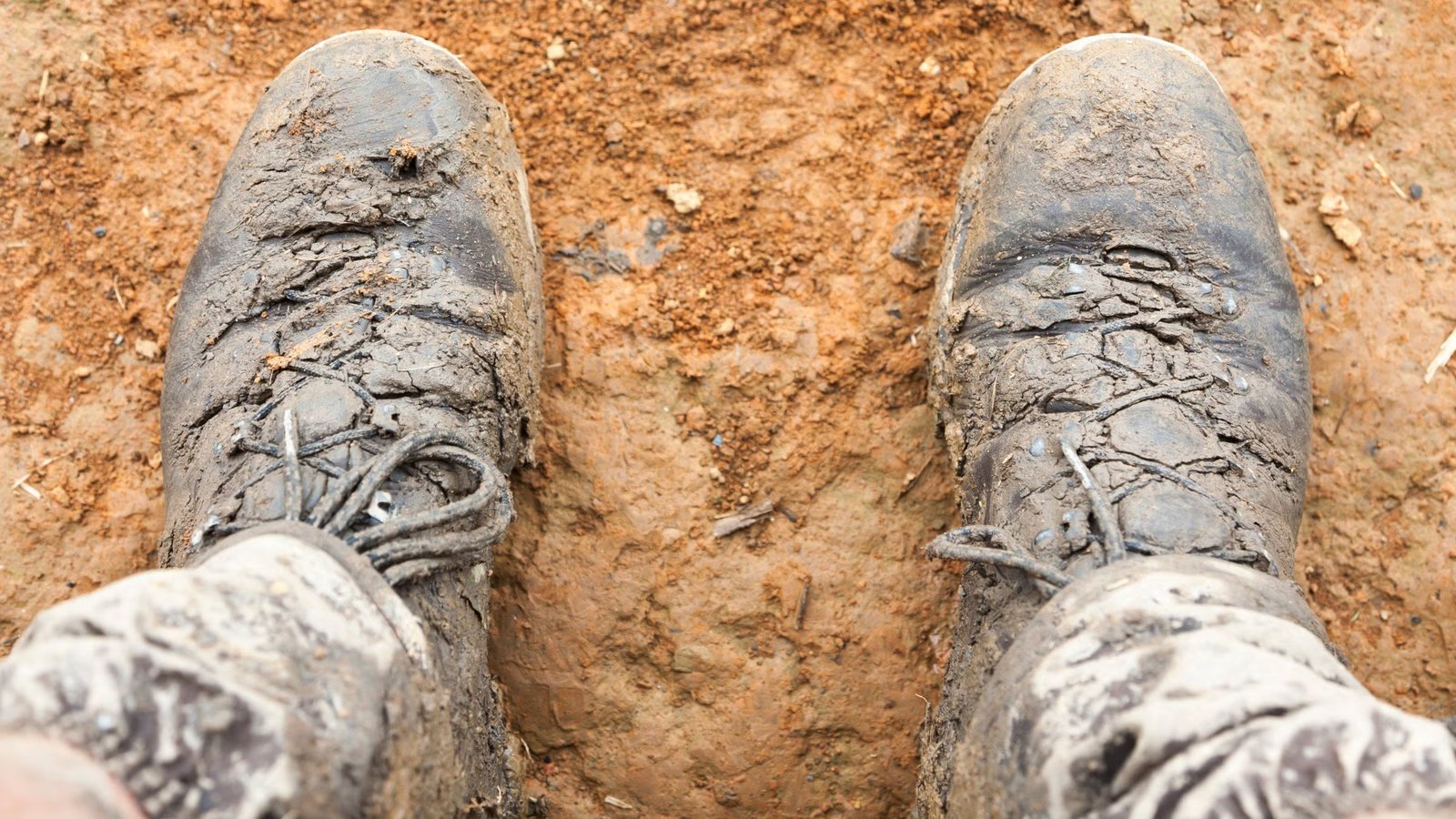
A bit of cleaning, care, and repair can keep your footwear in rotation for years.
Clean your boots after each trip to keep them in good shape (Photo: Andrew Peacock / Moment via Getty)
Published April 8, 2026 01:50PM
Hiking boots are meant to be worn—not kept in a display case like a pair of Nike Dunks. That means, out on the trail, they’re bound to get dirty. Dust finds its way into every crevasse, mud cakes onto the tread, and creek crossings soak the lining. With every mile, your boots take on the terrain and, almost invisibly, begin to break down.
But worn doesn’t have to mean worn out. A pair of hiking boots can last years longer than you realize, as long as you treat them less like disposable gear and more like tools worth maintaining. The difference often comes down to small habits like rinsing off the day’s mud, drying them the right way, and conditioning leather’s cracks. A little care goes a long way.
Before you consider replacing them, here are a few ways to maintain, clean, and fix your hiking boots and shoes.
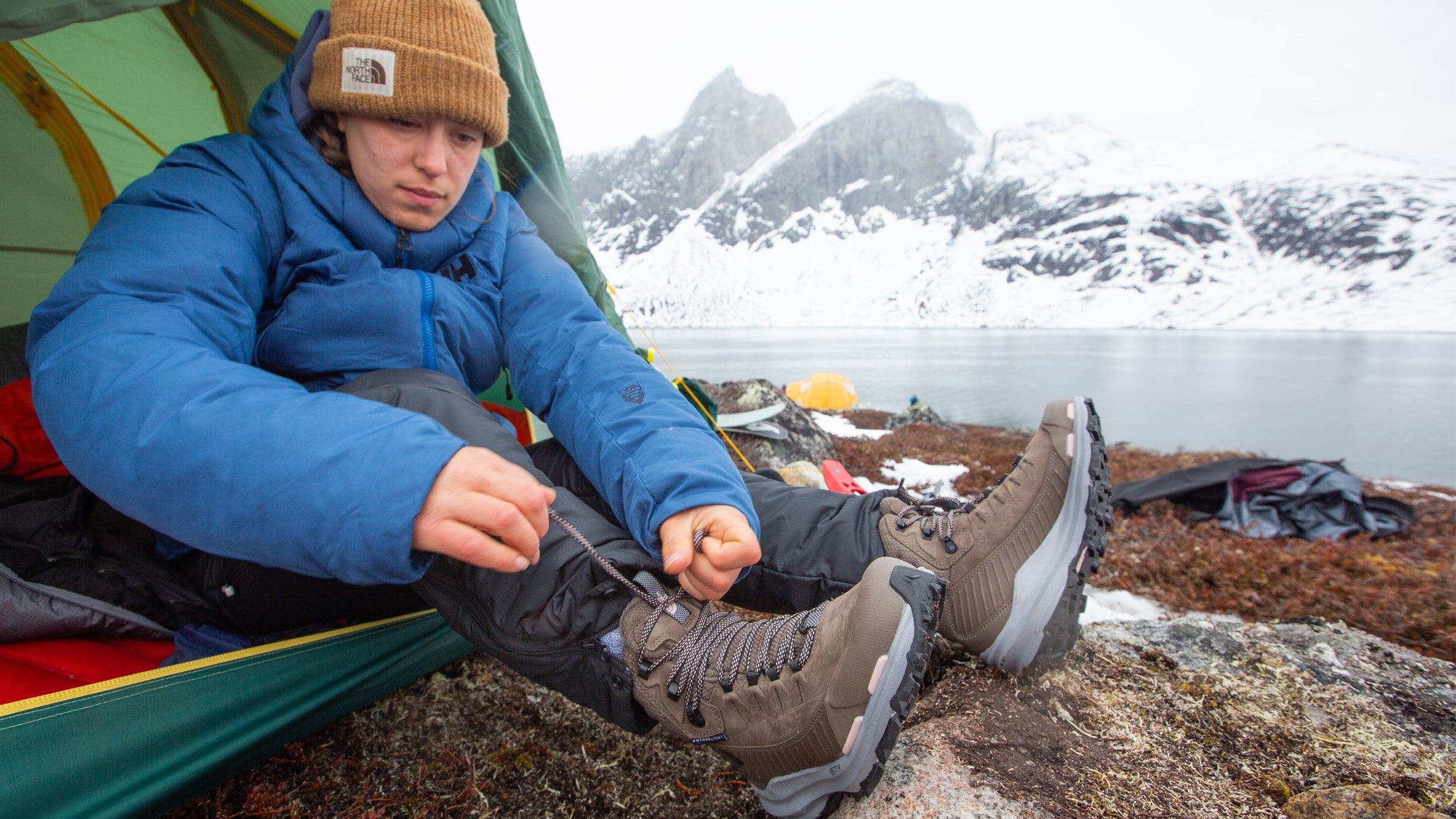
First, Clean
Washing your boots isn’t only about aesthetics. Grime can clog pores and seams, trapping moisture and hindering breathability. Over time, buildup in the crevasses acts like sandpaper—grinding against fabric and leather, wearing down stitching, and weakening adhesives.
As tempting as it might be to toss your mucky shoes in the washing machine and dryer, treating by hand is best. It’s gentler on the materials and more thorough. Here’s what we suggest for both leather and synthetic boots and shoes:
- Remove laces and wash by hand in the sink. You can even let them soak while you go through the following steps.
- Fill a bucket or sink with about a half-gallon of water and dunk the boots thoroughly.
- As for soap, you can either add a drop of dish soap or a boot cleaner like ReviveX Boot + Shoe Cleaner. Or, apply Nikwax Footwear Cleaning Gel directly to the shoe.
- Scrub the boot with a medium stiff brush or washcloth, inside and out. Don’t forget about the stinky insole; some are removable.
- Rinse the boot and insole under the faucet or with a hose until no soap is left.
- Let the shoes and laces completely air dry in the shade; avoid direct sunlight, which can break down materials with UV rays.
- Apply a waterproofing treatment, if needed. Nubuck/suede, leather, and synthetic fabric all get their own special solution.
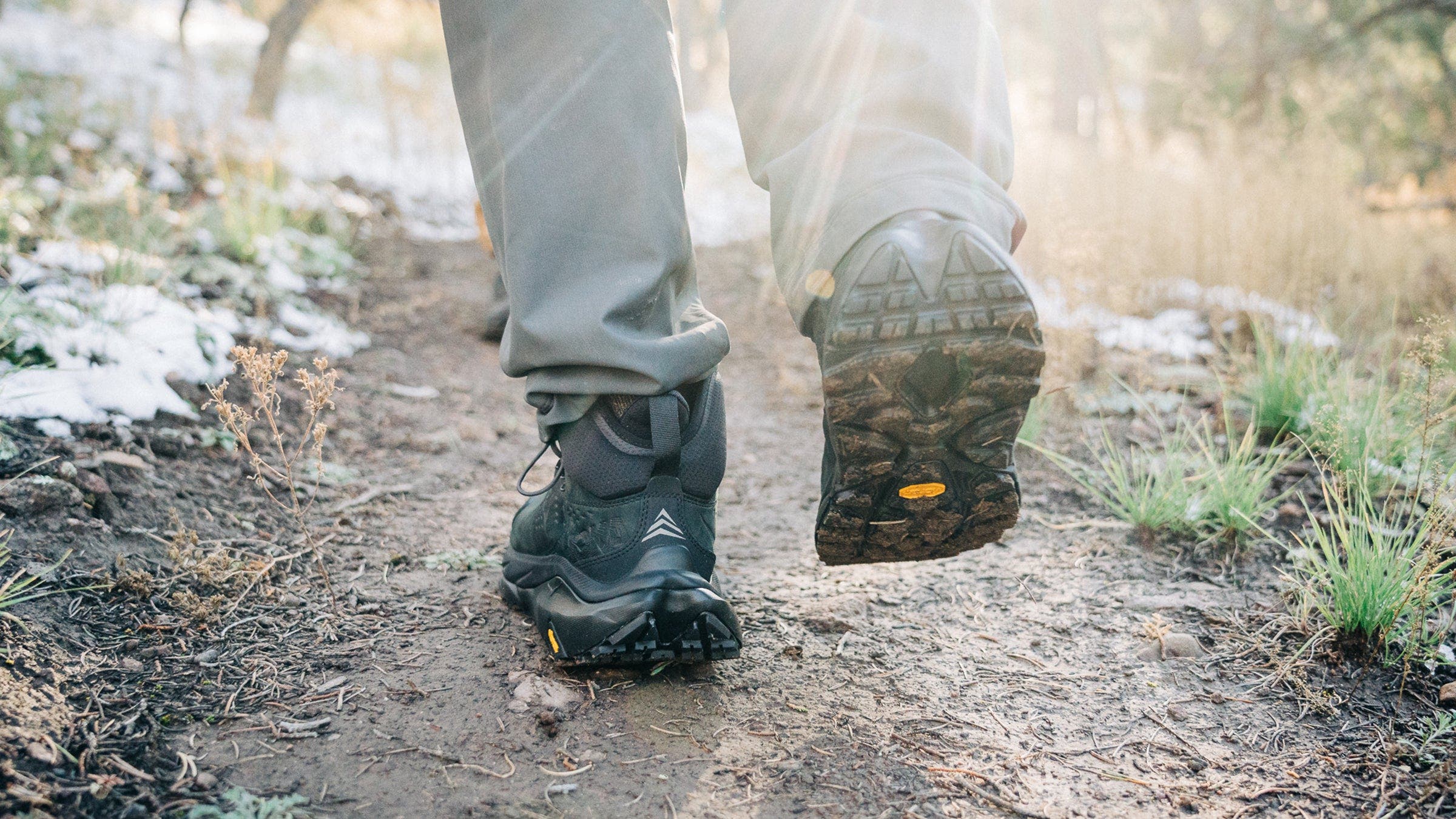
In-Between, Maintain
In between washings, a little extra TLC will prolong the life of your shoes and prevent you from needing a new pair sooner than you expected.
After every trip, give your shoes a good once-over with a stiff-bristled brush or damp washcloth to remove any dirt, plant material, or other grime. Check the soles and gently remove any stuck pebbles or dried mud with a pointy tool like a stick or screwdriver. (Just don’t gouge the rubber.) In addition to discomfort, stuck debris can puncture or carve pits in the rubber.
Wet boots? Remove your insoles to let them dry, and place the boots upside down to help drain out any excess water. Keeping your boots dry will keep them from developing mold and funky smells. Avoid exposing them to direct heat, which can shrink or melt leather and synthetics.
No matter how fastidious you are, your insoles will probably develop a stench anyway. Over time, the cushioning also compresses. It’s easy enough to buy replacement insoles from companies like Tread Labs (for removable options) or Kila Run for custom ones—great if you deal with foot pain.
Treat as needed. If you’re noticing your boot leather lighten or crack, renew it with a silicone- or water-based treatment like Aquaseal Leather Waterproofing and Nikwax Waterproofing Wax for leather. Use sparingly to prevent leaking into and clogging your boot’s membrane.
And lastly, where you store your shoes matter. The trunk of a car is not the place. Between wears, keep them somewhere cool and dry with good airflow, away from direct sunlight and temperature swings. The shoe shelf of a closet or mudroom is perfect. Be careful not to crush them under heavy gear, or seal them in a bin before they’re all the way dry.
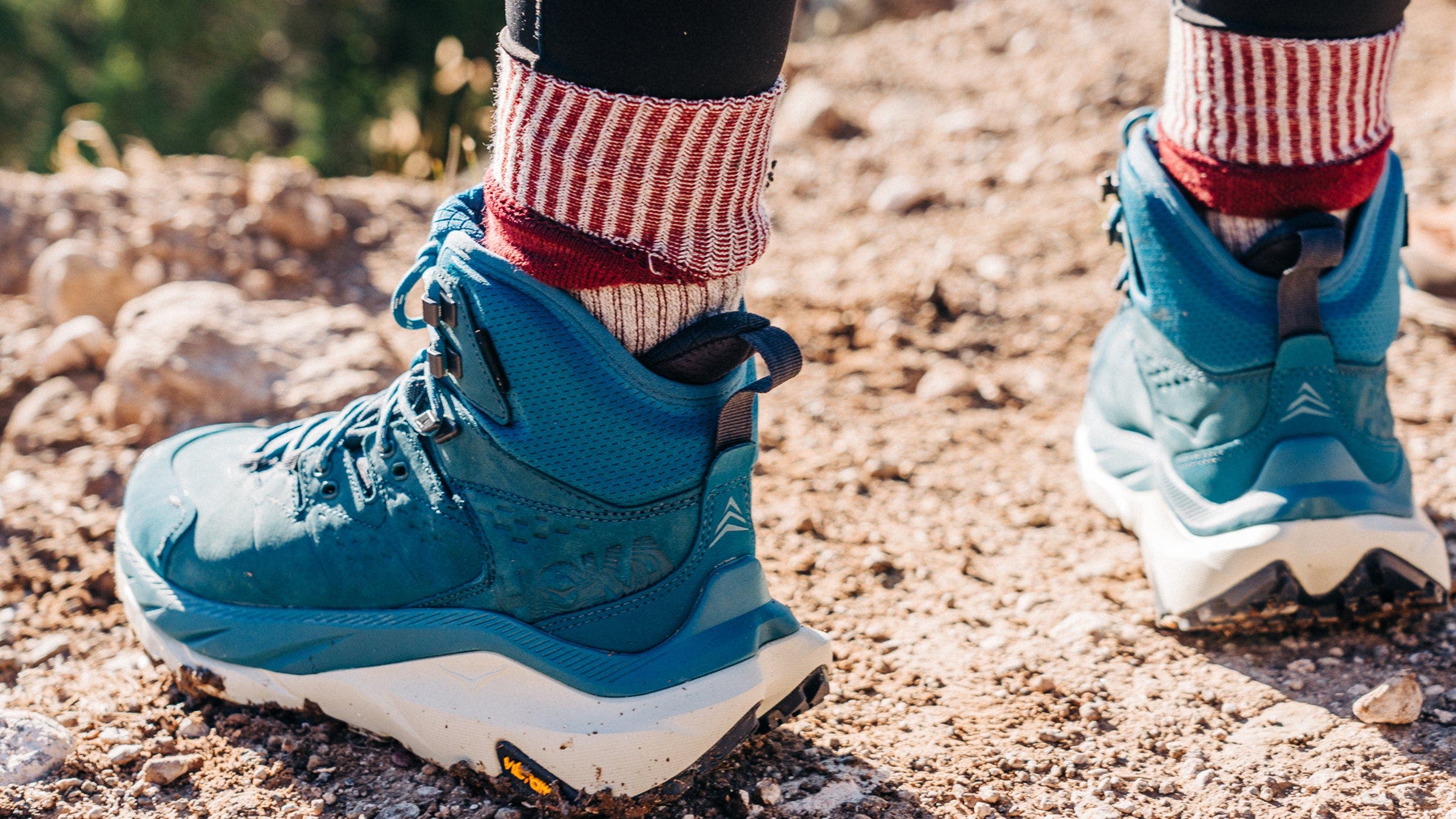
Occasionally, Fix
More footwear brands are starting to offer repair services. Danner does rebuilding and resoling through its recrafting workshop. LOWA will also resole your boots. Chaco has the ReChaco program for lace and strap replacement. Your local cobbler or gear fixer is another viable option.
While resoling and broken hardware are best handled by professionals, some fixes you can do yourself. Blow a bootlace? Keep a spare in your repair kit, or repurpose some cordage (just make sure it fits the eyelets first).
For the more ambitious DIYer, a delaminated sole (when the upper material and rubber separate) takes time and precision but is possible to fix at home. First, pick out any debris wedged between the upper and sole, and wipe both down with an alcohol pad from your med kit.
If the heel is separating, glob in a bunch of Gear Aid Aquaseal, a durable waterproof urethane adhesive. Squeeze the upper and sole together, and weigh it down with a rock or clamp. If it’s the toe, glop in the Aquaseal, squeeze the parts together, and wrap it tightly in duct tape.
Practice patience: It takes at least a day to set.
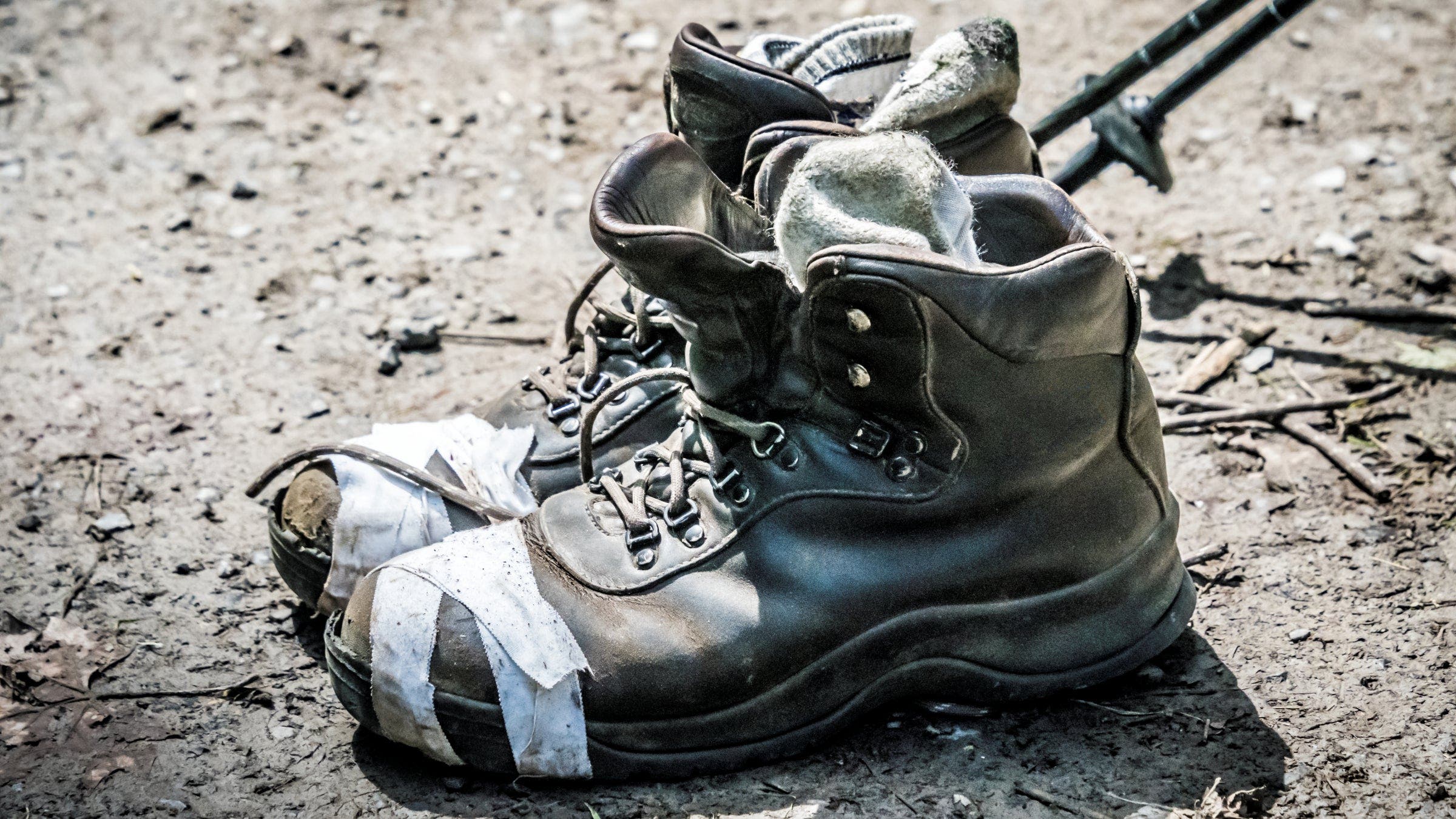
Last Resort: Retire
A lot of hikers assume their boots are toast when the tread wears down or the uppers look beat. But the real end-of-life for a boot is hidden in the midsole. Most hiking boots use EVA foam, which slowly compresses and loses its ability to cushion and support. Unlike a torn seam or a worn lug, that breakdown is subtle. You don’t notice it all at once; your feet, knees, or hips start to feel more fatigued after hikes that used to feel easy.
A few telltale signs: If your boots feel flat or dead underfoot, if you’re slipping more despite decent tread, or if new aches start creeping in, the midsole may be shot. You can also look for physical cues: creases that don’t bounce back, uneven wear that tilts your foot, or soles that are beginning to separate from the upper.
Unlike laces or insoles, midsoles can’t really be fixed. Resoling only replaces the outsole—not the cushioning beneath it. Once the structure is gone, no amount of cleaning or conditioning will bring it back. Now’s the time to go shopping.
