The Scottish pioneer, who won eight Emmys for his work alongside David Attenborough, suffered a brain hemorrhage while on a trek to Annapurna Base Camp.
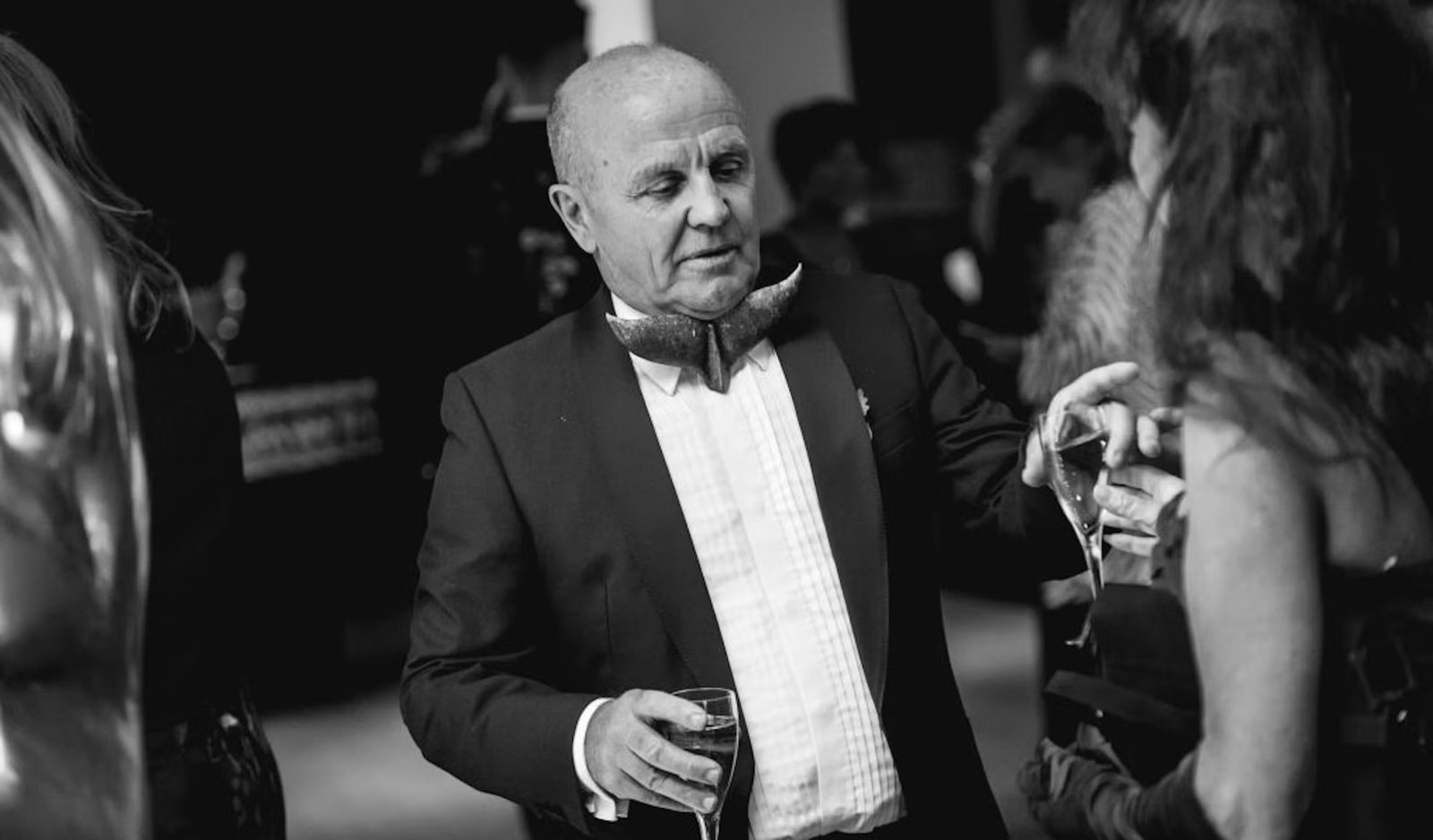
Doug Allan at the British Academy Scotland Awards in 2017 (Photo: Alan Peebles/BAFTA via Getty Images)
Published April 9, 2026 02:43PM
Pioneering wildlife cameraman Doug Allan, whose cinematography was featured on BBC series like Planet Earth and The Blue Planet, died at the age of 74.
The BBC reported on April 9 that Allan suffered breathing difficulties and fell ill soon after setting out on a trek to Annapurna Base Camp on April 6. He reportedly died of a brain hemorrhage in a hospital near the city of Pokhara on April 8.
Allan’s management company, Jo Sarsby, said that he died while “immersed in nature and surrounded by friends.”
At 26,545 feet, Annapurna is the world’s tenth-highest peak, located roughly 124 miles west of Mount Everest. For the outdoor and filmmaking community, Allan wasn’t just a cameraman. He was the lens through which millions of fans first saw the planet’s polar regions.
“A true pioneer of wildlife filmmaking, Doug captured some of the most breathtaking and intimate moments in the natural world,” Jo Sarsby wrote on Instagram. “Doug leaves behind a visual legacy that few could ever match. His work brought audiences closer to the wonders of our planet, inspiring awe, understanding, and deep respect for the planet.”
The Scottish videographer worked closely with renowned English broadcaster David Attenborough and won eight Emmy Awards for his work.
“When we think of Doug, we will always remember his unforgettable kindness and his extraordinary talent,” Joe Sarsby wrote. “He was a true gentleman, and he will be profoundly missed.”
According to the BBC, Allan was on the first day of his trek near Dhampus, a village north of Pokhara, sitting at an elevation of about 5,741 feet, police told the outlet. Outside contacted officials in Nepal for further details of Allan’s passing, and will update this article accordingly.
Dr. Sanjay Chhetri told the BBC that Allan was in critical condition and arrived “under ventilator support.”
According to his website, Allan was born in 1951 in Scotland and graduated with an honors degree in marine biology from Stirling University in 1973.
“On completion of his degree, he decided that science at the sharp end wasn’t quite where he sought to be. Underwater anywhere became the drive, and for the next three years, he worked on a wide range of diving jobs,” his website read. This work took him to search for freshwater pearls in the rivers of Scotland, to commercial diving in Germany, and to marine biological expeditions in the Red Sea.
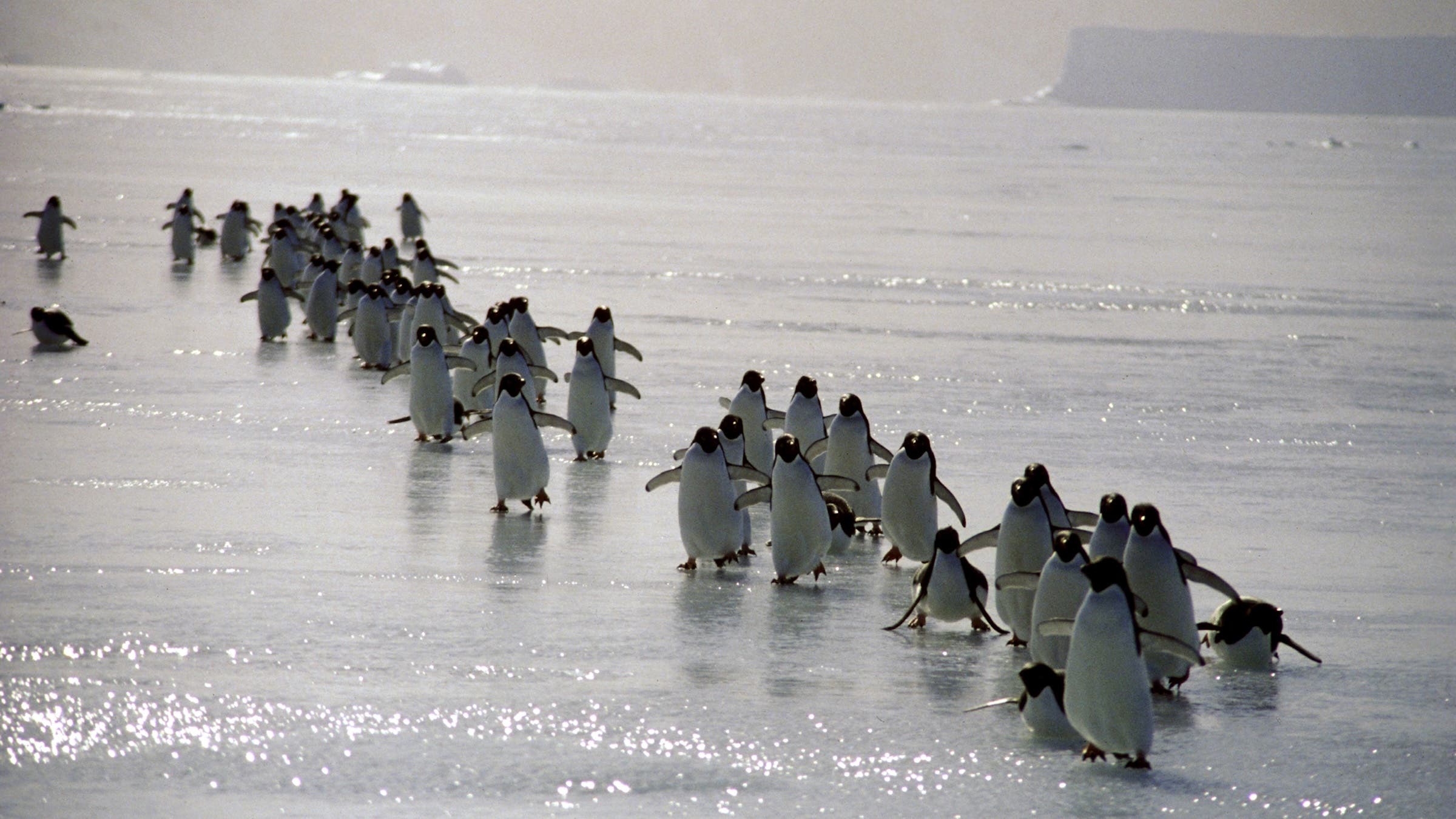
In 1976, Allan’s big break came when he traveled to Antarctica to work as a research diver on the British Antarctic Survey. He assisted scientists in conducting underwater studies, which sparked his lifelong love affair with ice that lasted until his death.
Alla proposed two films to the BBC in 1987, launching his decades-long career as a cinematographer.
In addition to his work on The Blue Planet and Planet Earth, Allan contributed to series such as Life, Human Planet, Frozen Planet, Expedition Iceberg, and Forces of Nature. In February 2012, Allan published a collection of polar pictures and experiences in his book, Freeze Frame.
Allan lived in Bristol before his death.