

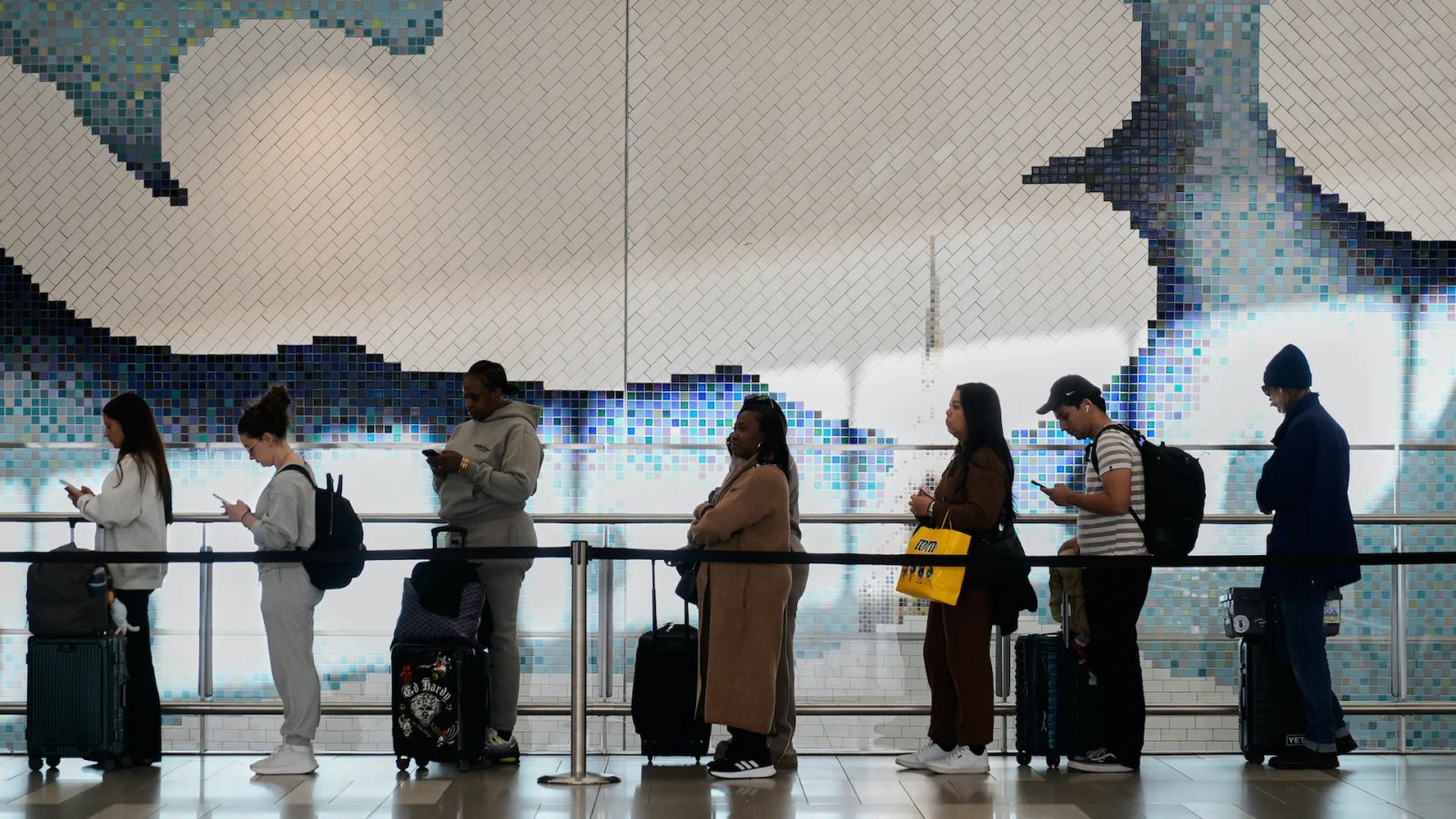
A new reality is setting in for travelers worldwide: rising fees, fewer flight options, and difficult decisions about whether a trip is worth the cost.
The culprit is volatile oil and jet fuel prices, which have spiked sharply since the war in the Middle East began and fighting near the narrow Strait of Hormuz created a chokepoint for global oil supplies.
“Volatility is the real story here,” said Shye Gilad, a former airline captain who now teaches at Georgetown University’s business school. “Right now, the airlines are trying to make bets on what they think will happen in the future.”
Airlines are responding cautiously, trimming schedules and adjusting prices in ways that experts say will ripple unevenly across the market but ultimately affect nearly every type of traveler.
Budget airlines and the price-conscious customers who rely on them are likely to feel the pinch first and most acutely, experts say, but even travelers in premium cabins won’t escape the higher prices and less convenient schedules.
Oil prices have swung wildly in recent weeks, briefly topping $119 a barrel at one point, plunging Wednesday below $95 on news of a two-week ceasefire that temporarily reopened the Strait of Hormuz, and then climbing back toward $100 on Thursday as uncertainty over the fragile deal grew. Iran again closed the key artery for global oil shipments in response to Israeli strikes Wednesday in Lebanon.
“When prices move quickly in both directions, it’s very hard for airlines to make predictions,” Gilad said. “That’s why there’s a lag between oil market moves and what passengers see in ticket prices.”
