

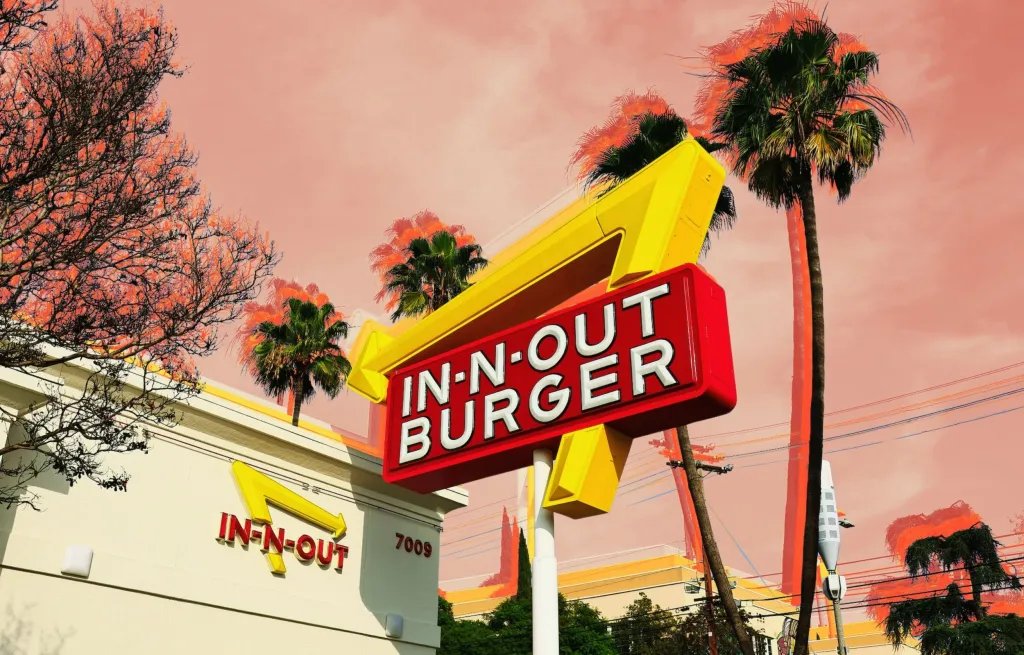
In-N-Out is going animal style on tradition — and that means no apps, no online ordering, no compromise. The iconic West Coast burger chain, founded in 1948 as a 10-square-foot stand in California, has built a cult following by doing things differently. Now owner Lynsi Snyder-Ellingson is doubling down on that approach, flatly rejecting digital ordering during a recent Pepperdine University talk.
The reasoning is simple. Snyder-Ellingson says real customer interaction is sacred and mobile ordering would eliminate that. She also pointed to freshness, noting that ingredient quality and preparation time would suffer under a digital model.
Her leadership philosophy is rooted in legacy preservation. When pitched new methods, she typically responds: “No thanks. We’ll keep doing it the way we’ve done it.” The strategy works. In-N-Out operates over 400 locations and employs roughly 27,000 people. Customers come to them — happily — rather than the other way around.
In-N-Out is going animal style on tradition — and that means no apps, no online ordering, no compromise. The iconic West Coast burger chain, founded in 1948 as a 10-square-foot stand in California, has built a cult following by doing things differently. Now owner Lynsi Snyder-Ellingson is doubling down on that approach, flatly rejecting digital ordering during a recent Pepperdine University talk.
The reasoning is simple. Snyder-Ellingson says real customer interaction is sacred and mobile ordering would eliminate that. She also pointed to freshness, noting that ingredient quality and preparation time would suffer under a digital model.
Her leadership philosophy is rooted in legacy preservation. When pitched new methods, she typically responds: “No thanks. We’ll keep doing it the way we’ve done it.” The strategy works. In-N-Out operates over 400 locations and employs roughly 27,000 people. Customers come to them — happily — rather than the other way around.
