

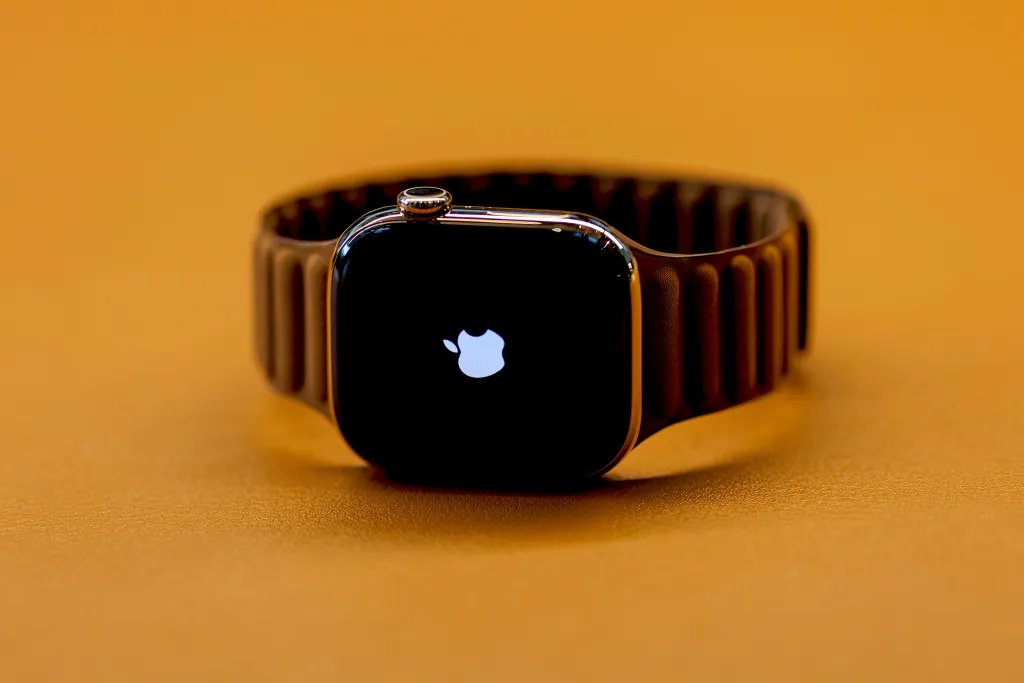
Apple Watch needs to watch its back. A scathing critique in Bloomberg by Mark Gurman warns how the company “risks falling behind in the next phase of the industry it helped create” as competitors like Whoop and Oura redefine wearables with screenless devices.
Eleven years after launching the Apple Watch — a product that’s generated an estimated $100 billion in lifetime sales — Apple faces a leadership exodus and talent drain. Former Chief Operating Officer Jeff Williams retired last year. Fitness+ leader Jay Blahnik is leaving amid litigation, health marketing chief Stan Ng also recently retired and Apple has lost talent to competitors. Adding to the watch woes, Apple executive Eddy Cue reportedly uses Whoop and Oura for health tracking. Meanwhile, screenless wearables built multibillion-dollar businesses around AI-powered insights that Apple’s Health app struggles to match.
Cue has pushed for broader changes, but Apple’s ambitious AI health coaching project, Mulberry, was recently scaled back. The company now relies on rare promotions to drive sales. “A screenless band or ring should be something it is pioneering, not racing to copy,” Bloomberg’s Mark Gurman wrote. With Tim Cook stepping down in September, incoming CEO John Ternus must decide whether Apple can move fast enough to lead a category it once dominated.
Apple Watch needs to watch its back. A scathing critique in Bloomberg by Mark Gurman warns how the company “risks falling behind in the next phase of the industry it helped create” as competitors like Whoop and Oura redefine wearables with screenless devices.
Eleven years after launching the Apple Watch — a product that’s generated an estimated $100 billion in lifetime sales — Apple faces a leadership exodus and talent drain. Former Chief Operating Officer Jeff Williams retired last year. Fitness+ leader Jay Blahnik is leaving amid litigation, health marketing chief Stan Ng also recently retired and Apple has lost talent to competitors. Adding to the watch woes, Apple executive Eddy Cue reportedly uses Whoop and Oura for health tracking. Meanwhile, screenless wearables built multibillion-dollar businesses around AI-powered insights that Apple’s Health app struggles to match.
Cue has pushed for broader changes, but Apple’s ambitious AI health coaching project, Mulberry, was recently scaled back. The company now relies on rare promotions to drive sales. “A screenless band or ring should be something it is pioneering, not racing to copy,” Bloomberg’s Mark Gurman wrote. With Tim Cook stepping down in September, incoming CEO John Ternus must decide whether Apple can move fast enough to lead a category it once dominated.
