

Published April 15, 2026 02:09PM
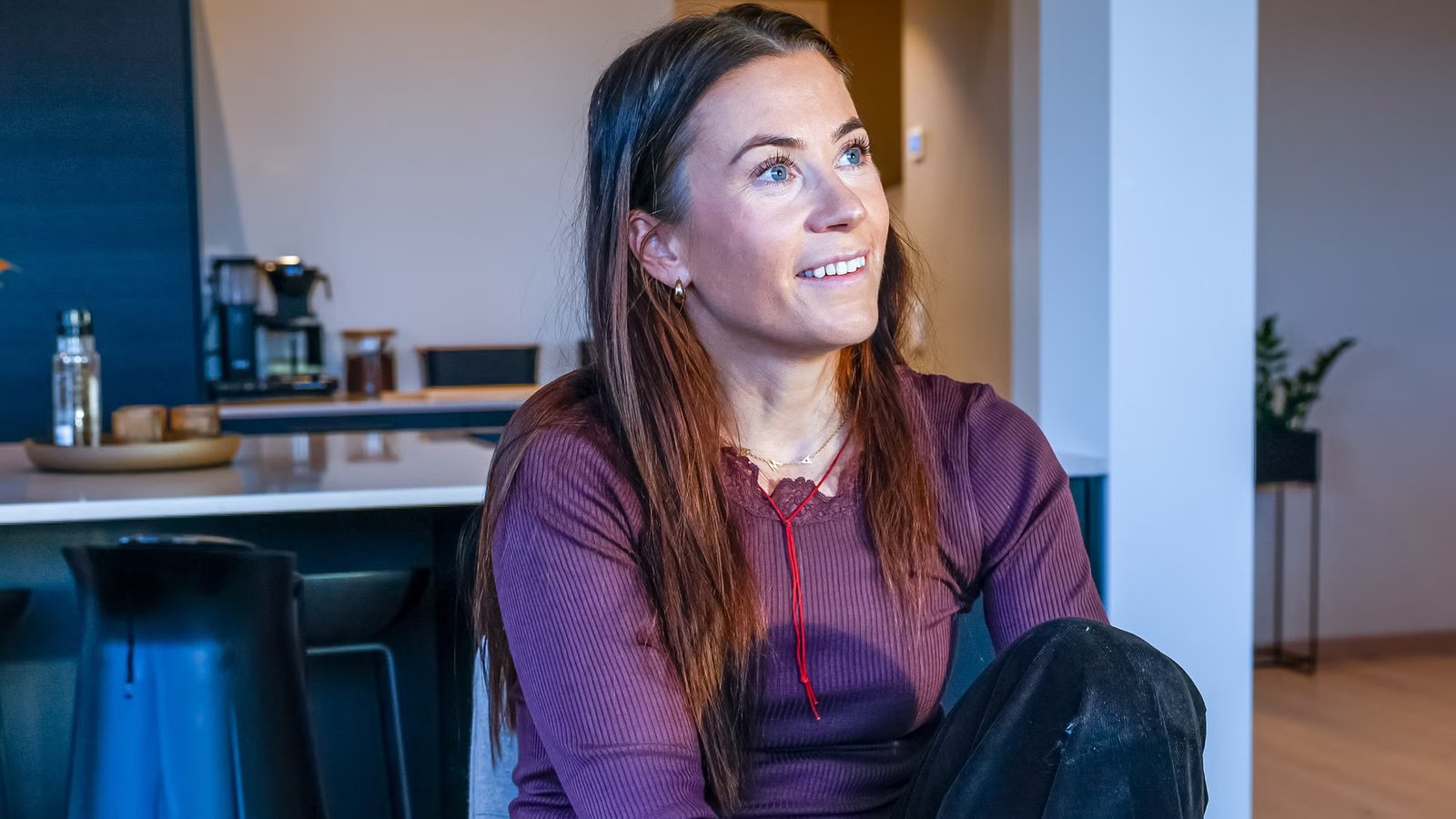
I recently met Norwegian climber Kristin Harila in the empty restaurant of Kathmandu’s Aloft Hotel, which is the bustling epicenter of the Mount Everest climbing scene. In 2022, I watched Harila enter the hotel lobby to the cheers of fans during her first attempt at setting the speed record for climbing the 14 peaks above 8,000 meters—a goal she accomplished in 2023. Over the years, I’ve frequently seen fans approach Harila for photos and autographs in the hotel during the height of her popularity.
But when I met with her this year, the hotel was unexpectedly quiet, and the Harila fans were nowhere to be seen.
“I wish that people didn’t recognize me,” Harila, who is 40, told Outside. “People are mostly very nice. But I think with everything that happened in the media and social media, it affected my life in a negative way.”
Harila is among the most recognizable figures in modern mountaineering, thanks to her record-breaking ascent of all 14 peaks above 8,000 meters in just 92 days. Her celebrity status also brought critics on social media, who attacked her for climbing with supplemental oxygen, perpetuating a culture of speed climbing on the peaks, and continuing on to the summit of K2 while a porter was dying lower on the peak.
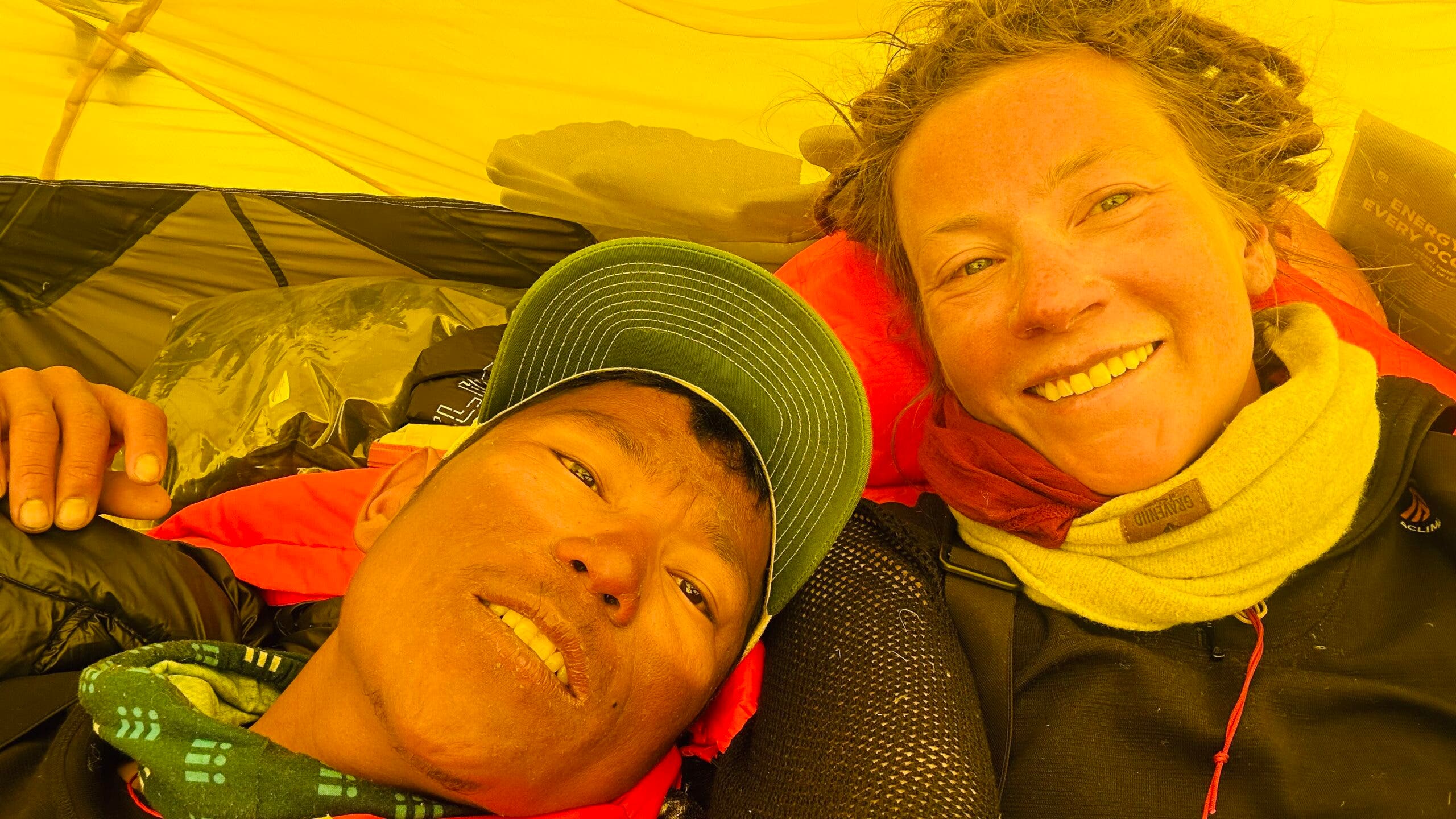
Harila’s fame was also driven in part by tragedy. Her climbing partner, Tenjin “Lama” Sherpa, died a few months after completing the record when he was buried by an avalanche on Shishapangma in Tibet. Since then, Harila has hoped to find his remains on the mountain and has taken an active role in his children’ s education. When I met Harila at the Aloft in 2025, she was preparing for her second trip to Shishapangma to look for Tenjin Lama.
This year Harila is back in Nepal for a different reason: she is planning an audacious ascent of Mount Everest. The expedition, Harila told me, is her way of bidding farewell to the world’s highest peak. Because after this year, she does not plan to return.
“I will still continue to be active in the mountains,” Harila told me. “But in a different way.”
The Mount Everest Triple Crown
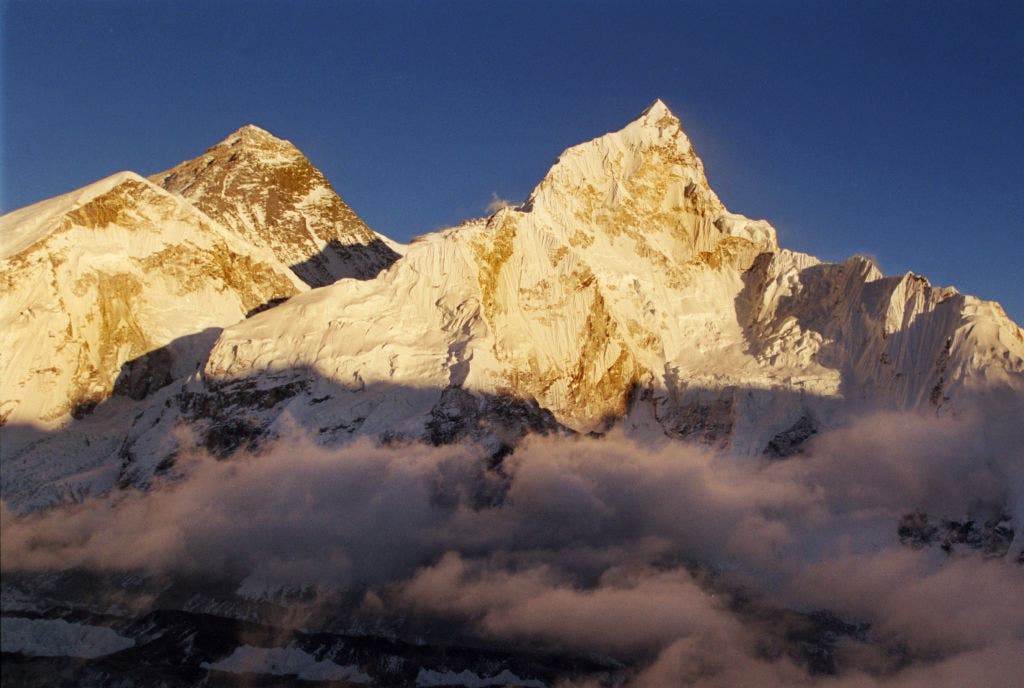
Harila’s “different way” still involves an objective most climbers would consider extreme. For 2026, Harila has set her sights on the so-called Mount Everest Triple Crown: climbing Everest, 27,940-foot Lhotse, and 25,791-foot Nuptse in a single season. Only four people in history have completed the feat, and no woman has done it.
Harila also hopes to climb all three without supplemental oxygen. Critics have pointed out that, despite her 8,000 meter record, Harila has little experience climbing at extreme altitude without supplemental oxygen. Harila, however, noted that her light-and-fast approach when setting the record often left her climbing without it.
“The media still continues to write that I used oxygen on all the mountains,” she said. “But we climbed without it on Gasherbrum I. We did many of the other 8,000 meter peaks with only one bottle each.”
The most difficult of the Everest Triple Crown is also the shortest. Reaching the summit of Nuptse, at 25,791 feet, requires technical climbing along dangerous and exposed ridges. Many climbers stop at the lower summit because reaching the true top requires a climber to straddle a steep, corniced ridge, and inch their way across.
According to the Himalayan Database, a website that chronicles ascents in Nepal, only 48 climbers have stood on Nuptse’s true summit, compared with the nearly 850 people who climbed Everest last year alone. According to the Himalayan Database, only two women have ever reached the summit.
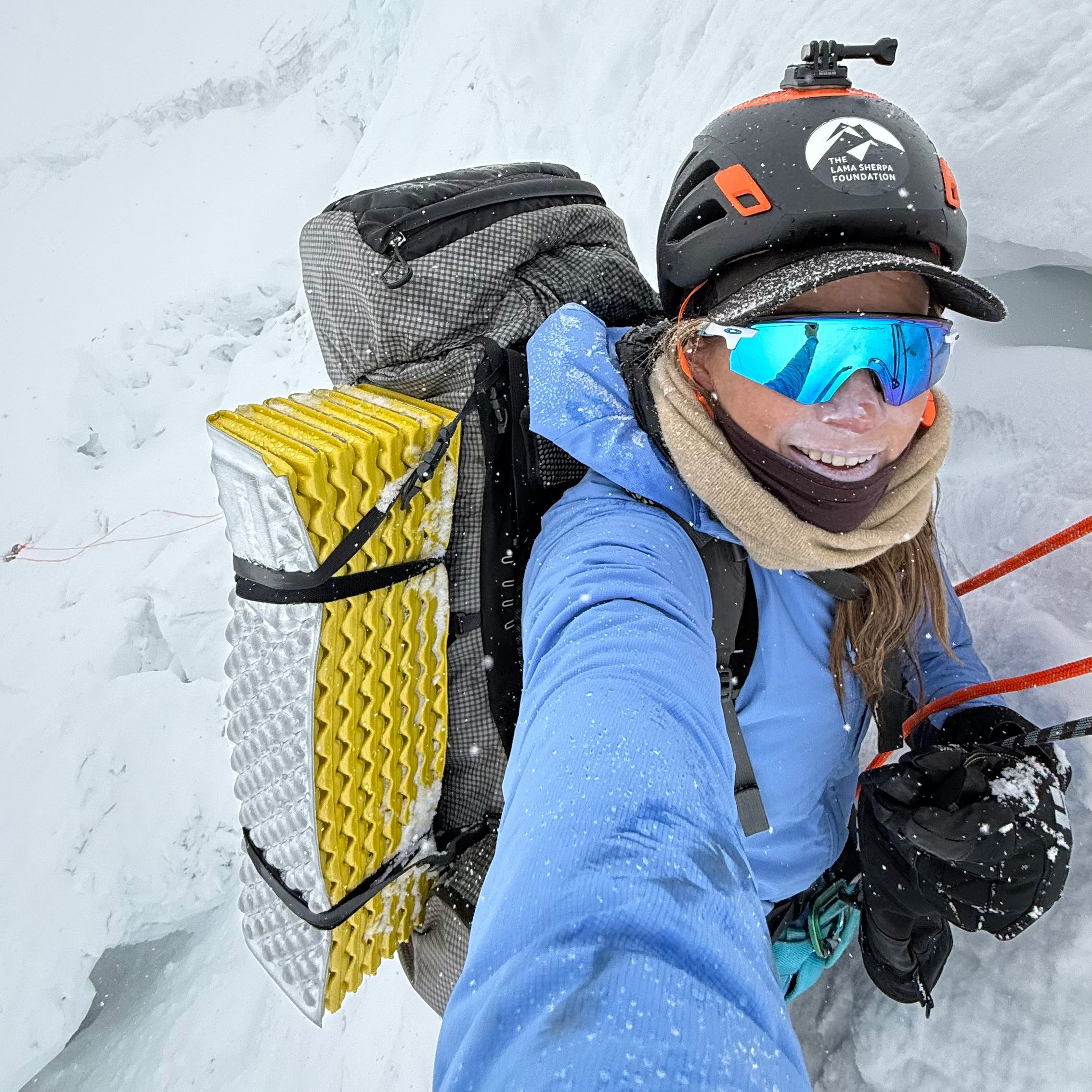
After failing to secure a Chinese visa to search for Lama, Harila spent the 2025 spring season on Mount Everest preparing for this climb. Even though she didn’t summit, she spent stretches at higher camps without oxygen. If anything, this experience demonstrated to her how the extreme height of Everest introduces a major element of uncertainty.
“But going on Everest is a massive difference,” she said. “You have to be lucky on a lot of things.”
A Return to the Himalayas to Say Goodbye
Harila’s return to Everest this year marks her sixth season traveling to the Himalayas for an expedition. But the rhythm that once energized her has started to feel heavier.
“One part of me loves to climb mountains,” she said. “But when I left home this time, I was like, ‘Am I really leaving for another two-month expedition again?’”
The decision to step away from mountaineering stems from Harila’s desire for a life outside of climbing. She told me she wants to spend more time at home in Norway. She wants to start a family. Eventually, she’d like to start a different career.
“Going on long expeditions two or three times a year, I don’t see that continuing forever,” she said.
Harila operates a nonprofit foundation named after Tenjin Lama. She also financially supports Tenjin’s sons, who are teenagers and hope to attend college in Norway.
Harila said that she started to think about a life after climbing when Tenjin Lama died. The loss forced her to confront the fragility of life in a way she had not before.
“I think this is what happened to me after Lama died,” she said. “I came to this conclusion that we are all going to die someday, and we don’t know how long we are going to be here. It’s not like I don’t have any goals. I do—for this expedition and for the future. But I think with everything that happened I just want to enjoy every day and a good cup of coffee and just the small things in life.”
Saying Goodbye to Mount Everest
Throughout our conversation Harila returned to the idea that her relationship with climbing, and herself, has shifted. The outcome of this season, she said, matters less to her than it once did. She’s now climbed 8,000-meter peaks on 29 separate occasions.
“It’s ok if this is the last time,” she said.
Still, the unfinished business of her reputation remains. In 2025, Harila released her first book in Norway, written with journalist Ingerid Stenvold. The title translates roughly to The Ultimate Triumph and the Tragedy that Followed. Four European language translations are scheduled for release this year, and an English edition is expected thereafter.
A feature film about Harila’s climbing career, titled A Savage Mountain, is also scheduled to premiere on the Sky Universe channel in the UK this September. Harila hopes the film will finally settle lingering questions about her controversial K2 climb.
As our conversation wound down, she described one moment in the film that still affects her deeply.
“It’s a drone filming on Dhaulagiri,” she said. “It’s super weird that it makes me so sad. Me and Lama are just dancing down the mountain. We are jumping and dancing. It’s just us. It’s super nice to see that he’s just happy. But also it’s super sad to see, because he’s not here.”
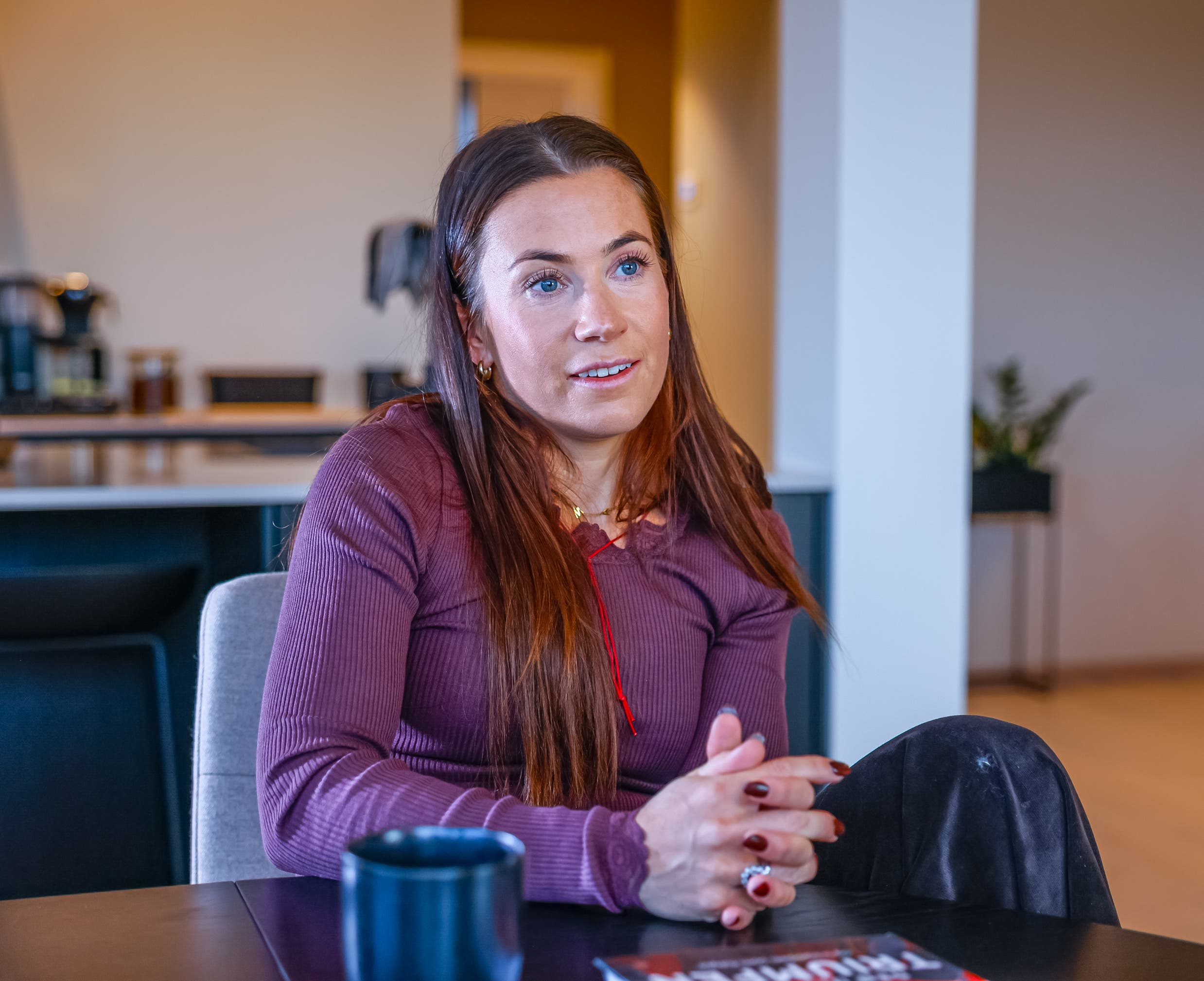
By the time we finished the interview, a few people had begun to drift into the hotel lobby. Harila and I stood up and recorded a few quick selfie videos. No one seemed to recognize us. A young couple started a game of pool nearby, and the crack of the cue ball scattered our final words.
As we hugged and promised to connect again at Base Camp, one line from our conversation stayed with me. Harila said she wanted to go up to Everest one more time and say goodbye.
Then she paused and smiled.
“But I’ve said goodbye to Everest a couple of times before,” she added.
