Published April 18, 2026 09:01AM
One of the largest agencies overseeing America’s public lands is headed for a major shake-up at the hands of the Trump Administration.
On March 31, the U.S. Forest Service (USFS) announced sweeping changes to the agency’s structure, makeup, and headquarters. The USFS will officially move its headquarters from Washington, D.C., to Salt Lake City, Utah. The agency will abandon its regional structure in favor of one that focuses on state offices. Finally, the agency will shutter a sizable portion of its research division. While the government claims the move will streamline bureaucracy, critics argue it is a strategic step toward shredding federal land protections. Currently, the USFS oversees 193 million acres of public land.
“That is what makes this so dangerous,” Tracy Stone Manning, former director of the Bureau of Land Management, told Outside. “When you set the agency up to fail, you set up public lands and the communities that rely on them to suffer with it.”
Outside spoke with public lands experts and former Forest Service managers to gauge how this move will affect the agency and its management of our national forests.
A Strategic Retreat from the Capital
In a memo distributed on March 31, the USFS argued that restructuring puts decision-makers closer to the forests and communities, while also simplifying the chain of command and giving field leaders greater ability to respond to on-the-ground conditions.
“For an agency whose lands, partners, and operational challenges are overwhelmingly concentrated in the West, this shift represents a structural reset and a common-sense approach to improve mission delivery,” the memo said.
Under the new directive, the Forest Service is abandoning its regional structure in favor of a state-led one. Previously, the USFS operated around ten regional offices. Now, the agency will:
- Close nine regional offices and establish 15 state offices.
- Relocate two-thirds of D.C. staff to the Western U.S.
- Shutter 57 research stations and consolidate others into a hub in Fort Collins, Colorado.
“This is about building a Forest Service that is nimble, efficient, effective, and closer to the forests and communities it serves,” said Forest Service chief Tom Schultz in a news release announcing the decision. “Effective stewardship and active management are achieved on the ground, where forests and communities are found—not just behind a desk in the capital.”
But conservation groups like Public Employees for Environmental Responsibility (PEER) warn that closing specialized research stations from Alaska to Florida cripples the agency’s ability to understand local forest diversity and combat climate change. Sweeping changes could isolate groups and slap a one-size-fits-all approach to the 193 million USFS-managed acres.
For the millions of Americans who use these lands for recreation, and for groups that promote conservation, the move represents a fundamental shift in who owns, and who protects, the American West.
“D.C. is where our government is located, and moving the headquarters isolates the agency from other agency leadership and decision makers in the government,” Stone-Manning said.
What the Move Means for Your Public Lands
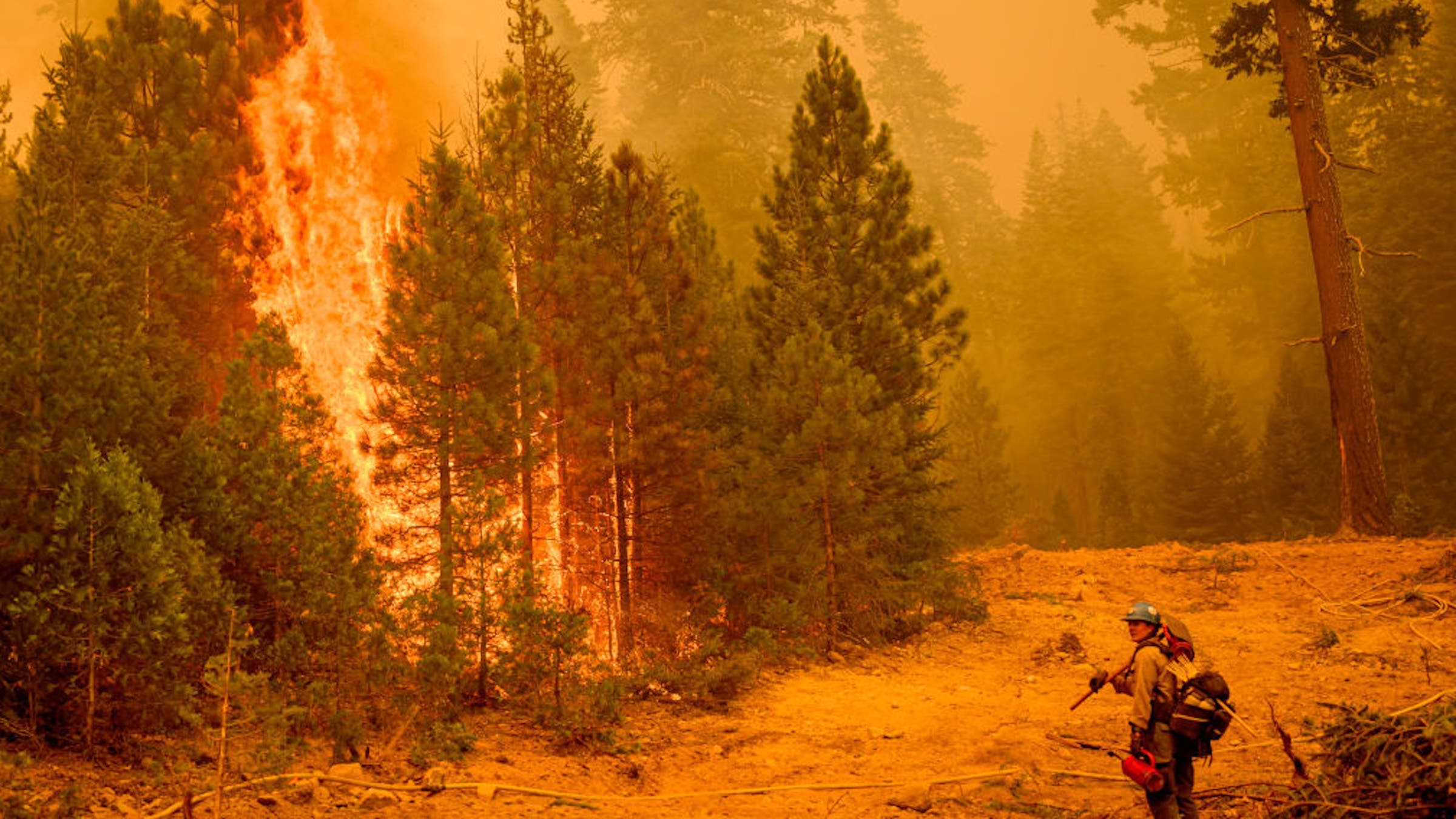
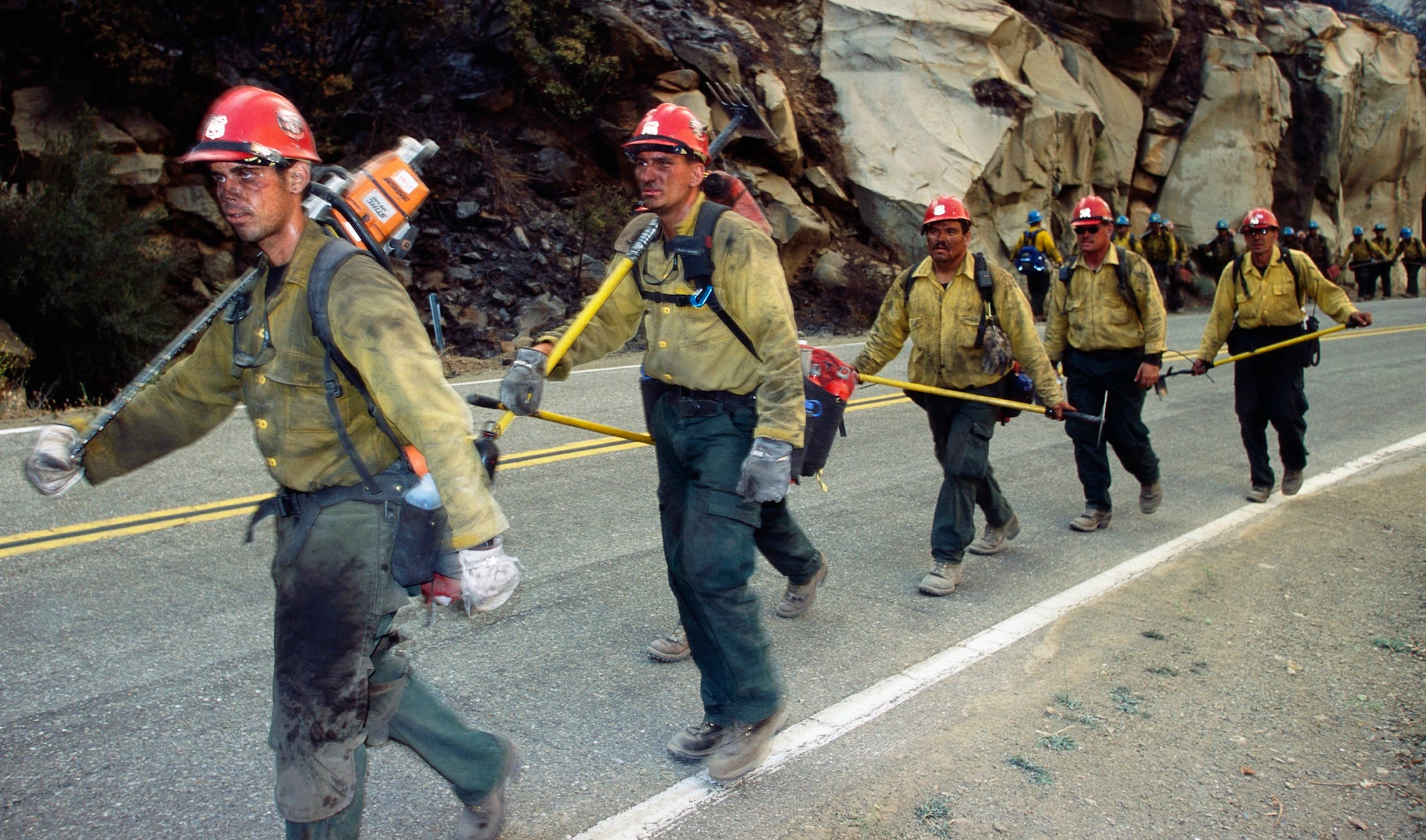
Stone-Manning, who is now president of the non-profit conservation group The Wilderness Society, told Outside that moving the NFS headquarters to the West could result in a wide range of changes: closures to forests, fewer maintenance projects, more strain on trails and campgrounds, and a lack of preparation for wildfire season.
“When you weaken the Forest Service, you weaken the public’s experience of public lands. These places belong to all of us, and people should be able to count on safe access, healthy forests, and the freedom to enjoy them. This kind of disruption puts all of that at risk,” Stone-Manning said.
Stone-Manning saw disruption like this firsthand. In 2019, the Trump Administration moved the BLM headquarters from Washington, D.C. to Grand Junction, Colorado, a move that led to a mass exodus of staff from the agency. Stone-Manning took over as director in 2021, shortly after the Biden Administration reversed the move and relocated the agency back to the nation’s capital.
“When you drive out staff, disrupt leadership and strip away expertise, you get less stewardship on the ground: less capacity to reduce wildfire risk, protect wildlife habitat, safeguard clean water and keep these places open and usable for the public,” she added.
Fewer on-the-ground staff will diminish the agency’s ability to protect lands for conservation, and weaken its ability to do vital jobs like issue permits and clean up public spaces. A transition plan hasn’t been released, and it’s unclear how key roles—such as researchers, planners, and permit specialists—will fit into the new structure.
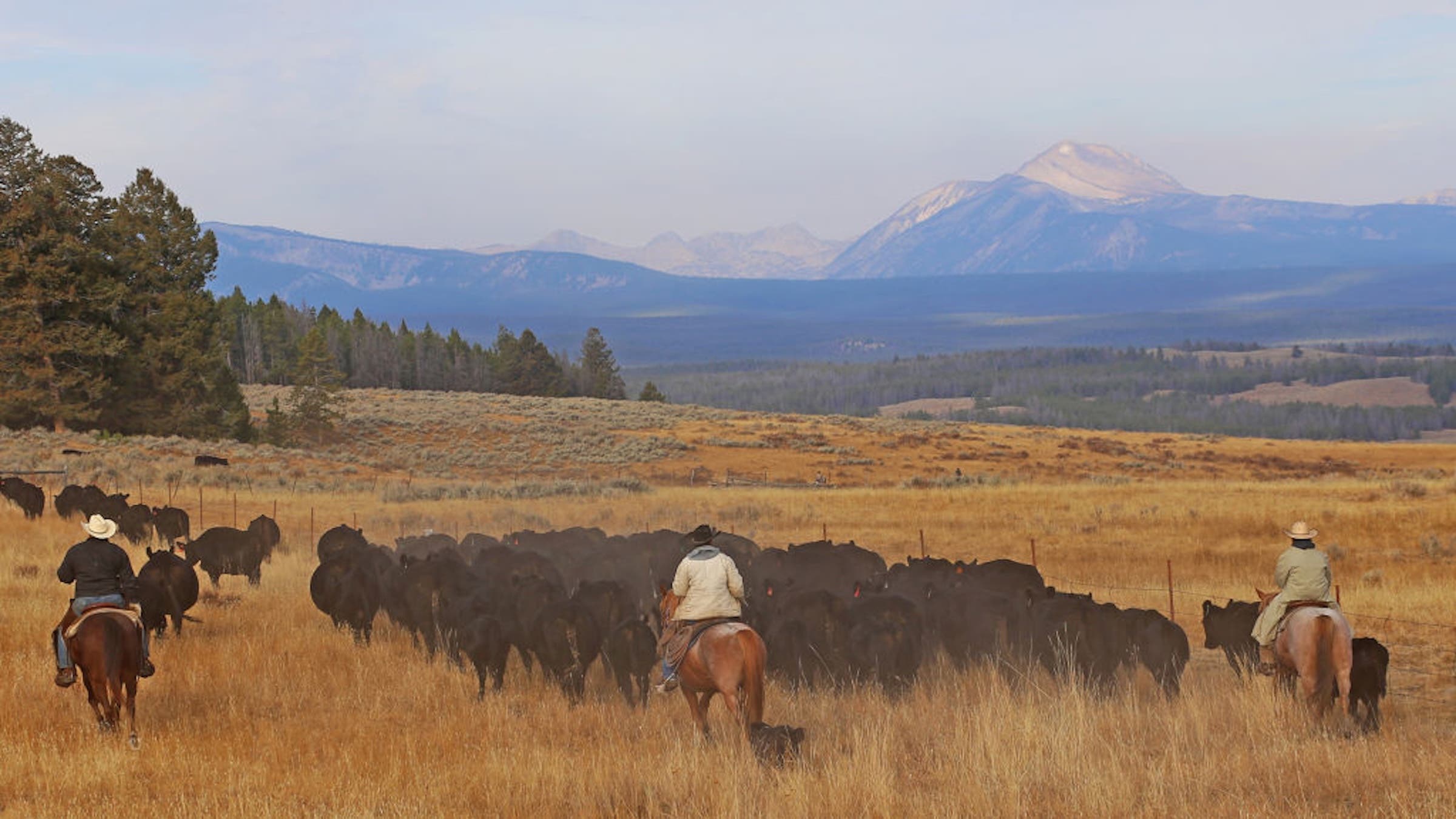
The move could also pave the way for the sale of public lands, advocates fear. Unlike the National Park Service, which emphasizes preservation, historically the Forest Service followed a multi-use model, balancing conservation with grazing, timber, and recreation. By moving the agency to Utah, critics fear the balance is shifting permanently toward extractive industries, advocates say.
“The biggest change will be that the agency seems to be shifting toward more extraction and development, and away from conservation and recreation,” Tania Lown-Hecht of the public lands advocacy group Outdoor Alliance told Outside. “In practice, this will mean things like more timber development, with clearcuts through your favorite trails.”
At the Heart of the Sagebrush Rebellion
For nearly 40 years, Bill Kaage worked across America’s public lands—from the Everglades to Sequoia and Kings Canyon. He spent a decade with the Forest Service, mainly in wildland fire, and also worked for the National Park Service at the Powell Ranger District in Idaho.
“I care deeply about public lands,” Kaage told Outside. “They affect us every day, from watershed management to the air we breathe and the critters that live there.”
But the agencies Kaage spent his life serving are undergoing a radical transformation.
The choice of Salt Lake City is seen by some as symbolic and politically motivated. Utah was central to the Sagebrush Rebellion, a 1970s political movement that attempted to transfer federal public lands to state or private control.
The recent relocation follows a 2025 legislative proposal by Utah Republican Mike Lee that would require the USFS and Bureau of Land Management to sell off roughly 3 million acres by 2030. Lee also proposed a now-defunct plan that critics said would pave the way for the sale of national parks.
“It’s not lost on me that the move to Utah with Senator Mike Lee,” Kaage said. “Why Utah and not somewhere else?”
Huge swaths of public lands currently face an uncertain fugure—from Minnesota’s Boundary Waters to the Arctic National Wildlife Refuge—if protections are weakened. Rolling back protections on forest service lands could open them to extractive industries.
“Certainly Utah shares the perspective with the administration that public lands are something to make money off,” Lown-Hecht told Outside. “This administration is keen to reward states aligned with their viewpoint.”
The End of Local Forest Science?
For more than a century, the federal government safeguarded America’s public lands. Congress laid the framework for a federal forestry agency in 1876. By 1891, the Forest Reserve Act authorized the president to designate western public lands to forest reserves. By 1905, these lands were officially transferred to the USFS.
Leaders like naturalist John Muir, scientist Franklin Hough, and President Theodore Roosevelt promoted the preservation of American wilderness areas like Yosemite and Yellowstone. Regional offices like those Kaage worked in help bridge gaps between the federal government and local communities, ensuring that each forest is studied and protected individually.
“Not all forests are the same, but the Forest Service is weakening its ability to understand forest diversity by eliminating almost 60 specialized research stations looking at local forest conditions,” PEER Western Lands and Rocky Mountain Advocate Chandra Rosenthal said in a blog post.
By moving the headquarters away from the seat of government in D.C., the agency becomes isolated from other federal leadership, potentially making it more susceptible to local political pressure.
“This is not just a bureaucratic shuffle. It could affect the water people drink, the forests they visit, and the government’s ability to respond to wildfire when it matters most. And that is what makes the timing so dangerous. After months of cuts and staff losses, the Forest Service should be gearing up for fire season, not being thrown into more chaos,” Stone-Manning said.
Kaage and Stone-Manning said that the power to protect public lands now rests with the public.
“This land is mine, it’s yours,” Kaage said.