

National Park Service data shows a significant drop in fatalities from the pandemic peak, but one group of people makes up an overwhelming majority of those deaths. Plus, five parks make up one-quarter of all deaths.
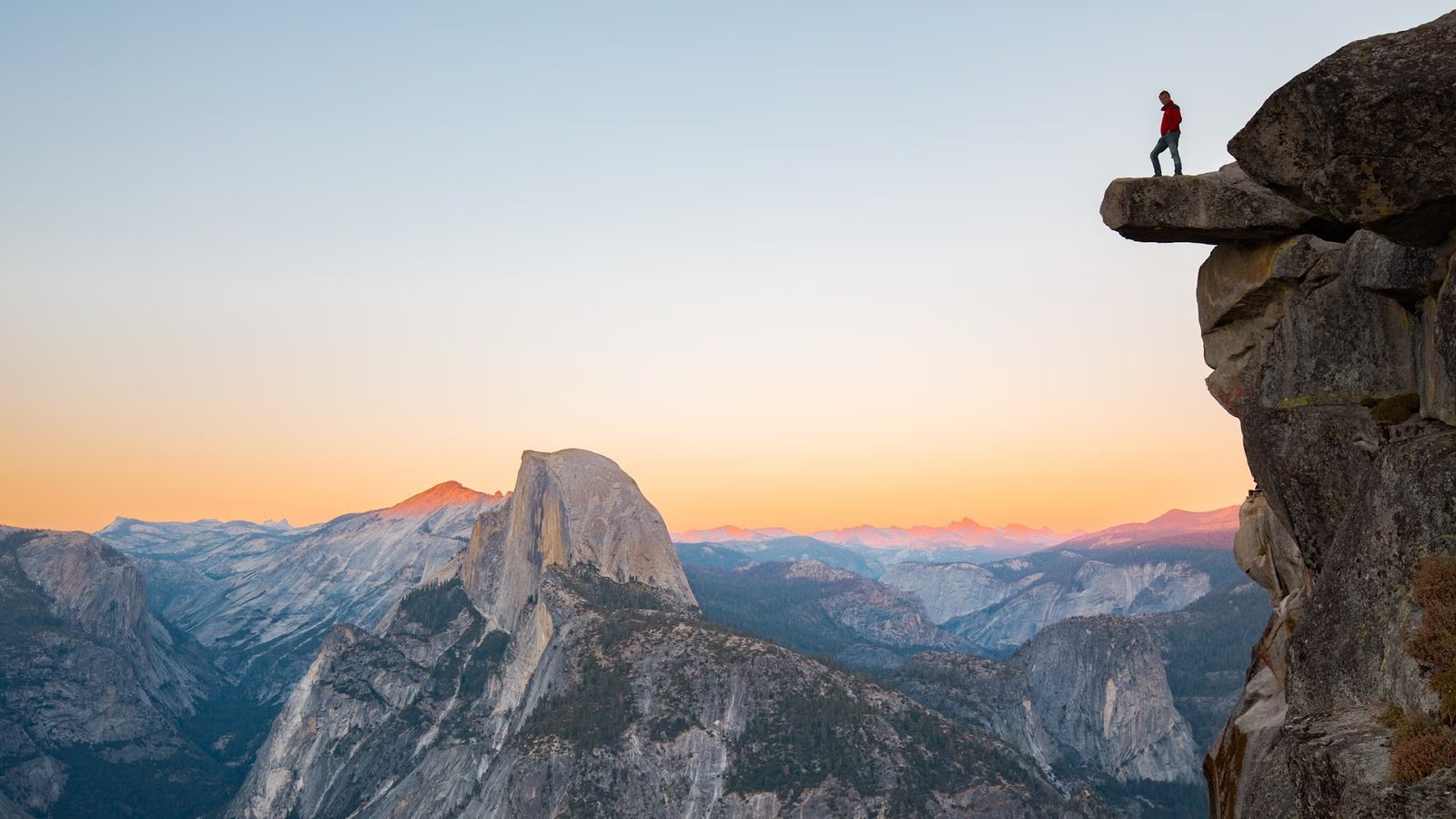
Yosemite National Park ranked among the highest in death numbers across NPS sites (Photo: Bluejayphoto/Getty Images)
Published June 2, 2026 10:04AM
In 2025, 198 people died at National Park Service (NPS) sites across the United States, according to a recent NPS report. But one demographic accounted for the vast majority of those deaths, representing 83 percent of all reported fatalities: men.
Every year, the NPS releases its mortality data, tracking how many people died and from what causes across the country. Outside dug through the data, which was released in April, and found that 114 of the deaths last year were men. Another 23 women died, while the sex of 61 individuals was not recorded.
Dan Whitten, 57, a search-and-rescue expert, told Outside that men have certain traits that make them more susceptible to backcountry accidents. Men are more likely to take risks and also make up a higher proportion of those engaged in high-risk activities such as solo backpacking or off-trail climbing. Now retired, Whitten spent 26 years leading search and rescue operations in California’s rugged San Bernardino Mountains.
“In my experience coordinating rescue operations, I’ve seen that men seem to inherently think they can do certain things that may traditionally fall into ‘masculine’ roles,” Whitten said. “Some people think that because they’re male, they have some advantage in the wilderness. That’s just not true.”
There’s another factor behind the lopsided ratio of male deaths in national parks, however. Nationally, men account for nearly 70 percent of all motor vehicle collision fatalities, according to data published by the Centers for Disease Control and Prevention. By comparison, the overall male crash fatality rate is more than double that of women.
Whitten said a person’s biggest threat when visiting a national park probably isn’t being eaten by a bear or getting lost in the woods. It’s hopping in the car to get there.
“The most dangerous thing most of us do on a daily basis is drive,” he said. “A lot of the fears that people have about the wilderness, the chances of those things happening are so small as to be statistically insignificant.”
Outside also determined the five national parks that recorded the highest number of deaths last year.
Five NPS Sites Account for One-Quarter of All Deaths
Overall, deaths at national park sites decreased when compared with previous years. During the pandemic between 2020 and 2023, an average of 314 people died annually across national park sites. The annual average between 2014 and 2019 was even higher, at 358 a year.
Total Deaths Across NPS Sites Per Year
- 2025: 198 deaths
- 2024: 193 deaths
- 2023: 238 deaths
- 2022: 369 deaths
- 2021: 374 deaths
- 2020: 277 deaths
But five NPS sites—all of which are among the most visited—accounted for nearly one-quarter of all deaths.
These NPS Sites Recorded the Most Deaths in 2025
Overall, Lake Mead National Recreation Area, located near Las Vegas, recorded the most overall deaths in the NPS system. Lake Mead attracts anglers and boaters, and the park reports multiple drownings every year. Three of the top five parks—Blue Ridge Parkway, Natchez Trace Scenic Byway, and Great Smoky Mountains—are located within major highways and annually see a high number of vehicle deaths. NPS data from previous years show that motor vehicle accidents are overwhelmingly the highest cause of death, followed by drowning.
- Lake Mead National Recreation Area: 11 deaths
- Natchez Trace Scenic Byway: 11 deaths
- Great Smoky Mountains National Park: nine deaths
- Blue Ridge Parkway: nine deaths
- Yosemite National Park: nine deaths
“What it really comes down to is accessibility,” Whitten said. “It’s the parks that are the easiest to access, the easiest to recreate in. Those are going to have the most deaths.”
