

Updated April 24, 2026 08:42AM
We might not be able to permanently erase our footprint on the planet, but there have never been more ways to tread lightly and responsibly. Hotels and lodges have set a new standard for sustainability, embracing zero-waste and carbon-positive practices, sourcing hyper-locally and seasonally, and making sure they not only take care of the land, but also local communities.
On a recent trip to Hawaii Island, I was pleasantly surprised to see just as many locals as guests hanging in the common spaces of my hotel, SCP Hilo. And even more pleased to learn every stay results in one tree planted and 2.2 pounds of trash removed from local beaches. In Mexico, I learned that Playa Viva recently founded a women’s cooperative to empower local women to embrace agricultural jobs that were traditionally reserved for men and educate them about regenerative farming techniques. Guests can meet and assist the women on twice-weekly tours of the resort’s 20-acre permaculture farm.
I usually get claustrophobic visiting cities, but the nature-inspired design of Populus hotel in downtown Denver immediately put me at ease. The 13-story building resembles an aspen tree on the outside and channels the feel of walking in an aspen grove on the inside—a ceiling installation of Reishi, an eco-friendly leather alternative sourced from the root of mushrooms, even gives the lobby an earthy florist-floor scent. What I was most impressed with was when the general manager brought me into the back of the kitchen after my meal at Pasque to show me a completely empty dumpster. All food scraps go straight into an onsite biodigester to be composted so nothing goes to waste.
From a new DarkSky Approved glamping retreat in Yosemite to a former seaweed camp-turned-nature lodge in Patagonia, here are 9 hotels, lodges, and retreats where you can feel like your stay is making a positive impact.
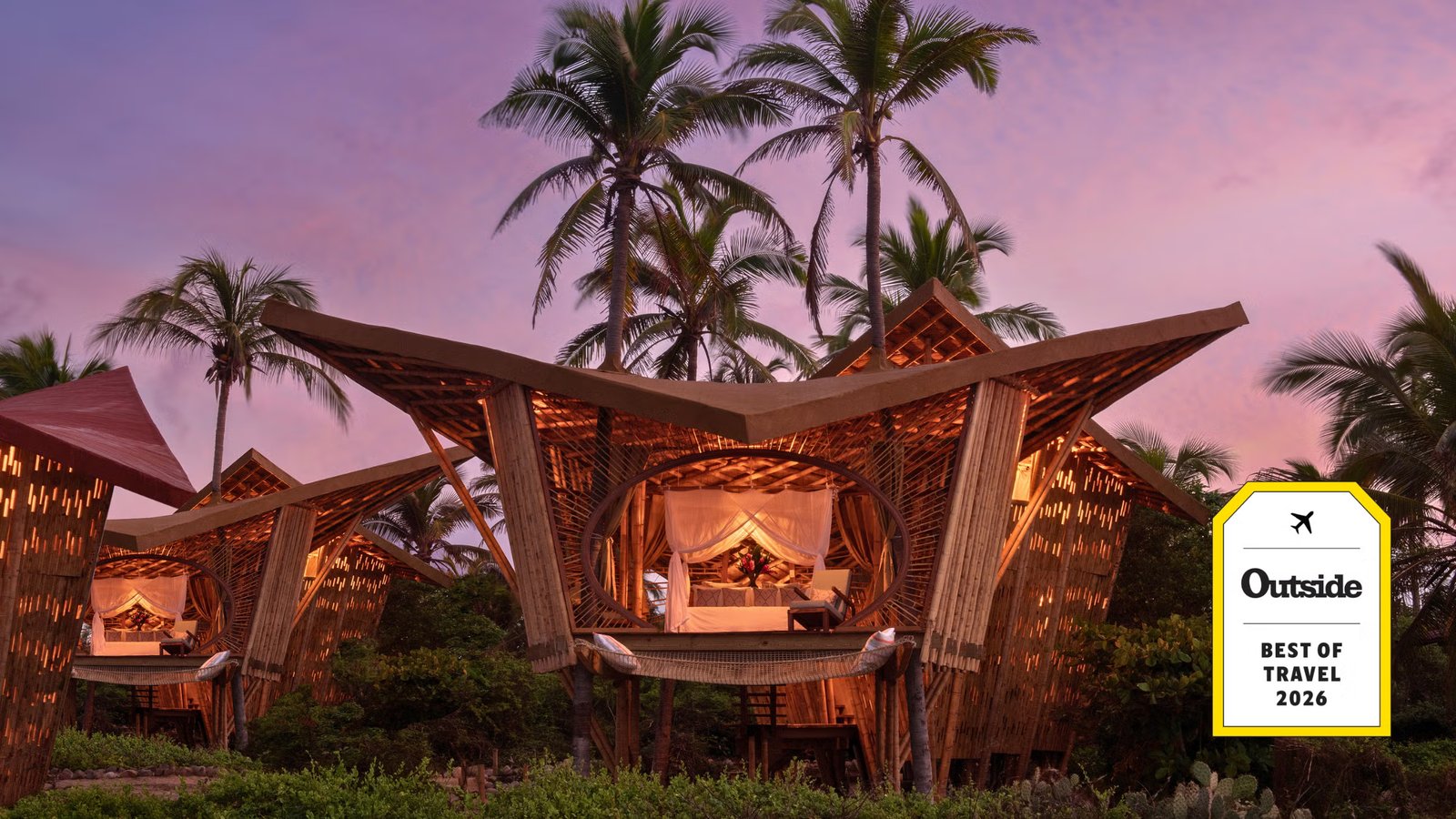
Playa Viva, Juluchuca, Mexico
This 100% off-grid retreat is located on 200 acres between the Sierra Madre Mountains and the Pacific Coast in the sleepy coastal village of Juluchuca. Locally harvested and sustainable materials were used to build the 20 rooms, which range from eco-casitas to bamboo treehouses designed to look like manta rays. On property, guests can tour the 20-acre permaculture farm or between October and January, witness the baby turtle release at the hotel’s turtle sanctuary just a 10-minute walk down the beach. Off-property excursions range from boat trips to snorkel in Zihuatanejo Bay to ATV tours into the mountains that stop for lunch with a local family. Playa Viva received its B-Corp certification in 2023 with a record-setting score of 110, a testament to its community and environmental efforts. Rates from $320; playaviva.com
Populus Denver, Colorado
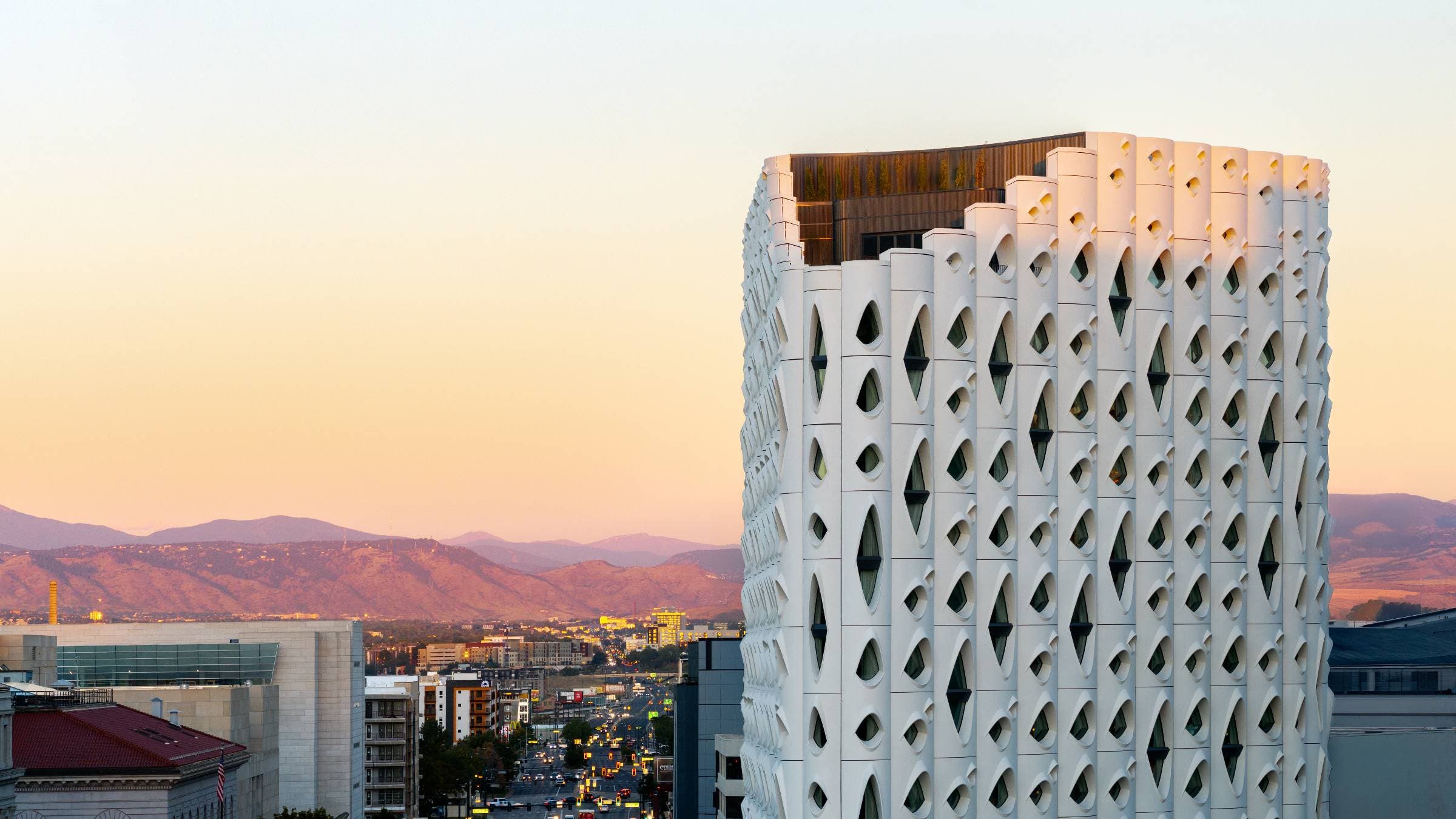
America’s first carbon-positive hotel (meaning it sequesters more carbon dioxide from the air than it emits) cleverly channels the feel of walking through an aspen grove from its forest floor-inspired lobby all the way to its “canopy”-level rooftop bar. Innovative sustainability strategies include the use of low-carbon concrete, 100 percent renewable energy, and converting every scrap of food into compost that gets returned to local farms. The 265-room property is the perfect urban landing pad enroute to your mountain adventures or for the Outside Days Festival, which takes place across the street at Civic Center Park May 29-31, 2026. Even in the heart of downtown Denver, guests are hit with nature at every turn, from the headboards crafted from fallen beetle kill pine to the elevator soundtrack of bugling elk and birdsong that was recorded in Rocky Mountain National Park. Guests can feel good knowing the hotel plants a tree for every night’s stay through the One Night, One Tree program. Rates from $359; populusdenver.com
SCP Hilo, Hawaii Island, Hawaii

SCP stands for Soul Community Planet, a nod to the ethos of this boutique chain that launched in 2018. The brand is currently pursuing EarthCheck certification (a rigorous environmental, social, and economic benchmarking) at all 10 of its properties, sprinkled between California, Oregon, Colorado, Hawaii and Costa Rica. Fair pricing is part of the brand DNA and at SCP Hilo, that extends to complimentary locally roasted coffee, free use of bikes to explore town, and complimentary paddleboards to cruise around neighboring Hilo Bay. The mentality here is everyone is welcome, which means even locals can join weekly yoga and meditation classes and cultural workshops. The hotel also champions 100-plus local makers by displaying their art throughout the 128-room property and selling their hand-crafted products in its provisions market. You’ll find products from local artisans, such as Waipunalei Ohana Farm, a multi-generational family farm that grows ingredients for its herbal body products, like the rose honey sugar scrub I took home. Rates from $169; scphotel.com/hilo
Nightfall, Queensland, Australia
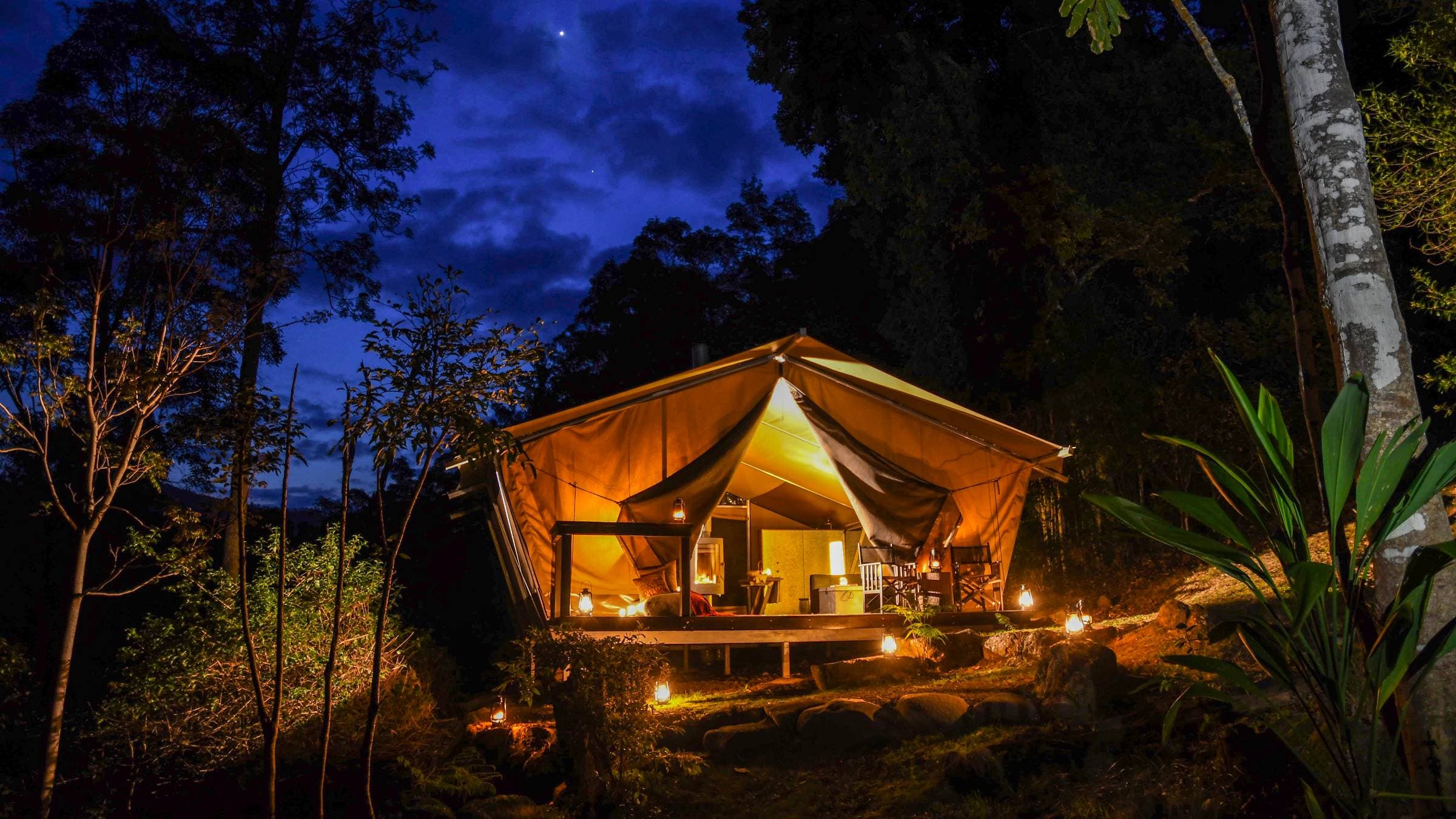
This intimate glamping retreat is set on 257 acres of private forest on the edge of World Heritage-listed Lamington National Park. Each of the four palatial safari tents was handcrafted by the owners. Spanning nearly 670 square feet, they’re kitted out with fireplaces, vintage bathtubs, rainshowers, organic bedding, and kitchenettes stocked with local treats. Most of the retreat’s electricity is generated by a 5kw grid-connected solar-power system and waste water is treated on site. Guests can hike the park’s 80-mile network of walking tracks, cool off in natural rock pools, and spot red-necked pademelons and glossy-black cockatoos by day. At night, guests gather for wood-fire, communal meals featuring ingredients from Nightfall’s kitchen garden and bush-tucker orchard, as well as local farms. Rates from $700, including meals; nightfall.com.au
The Bull Organic Inn, Tontes, UK
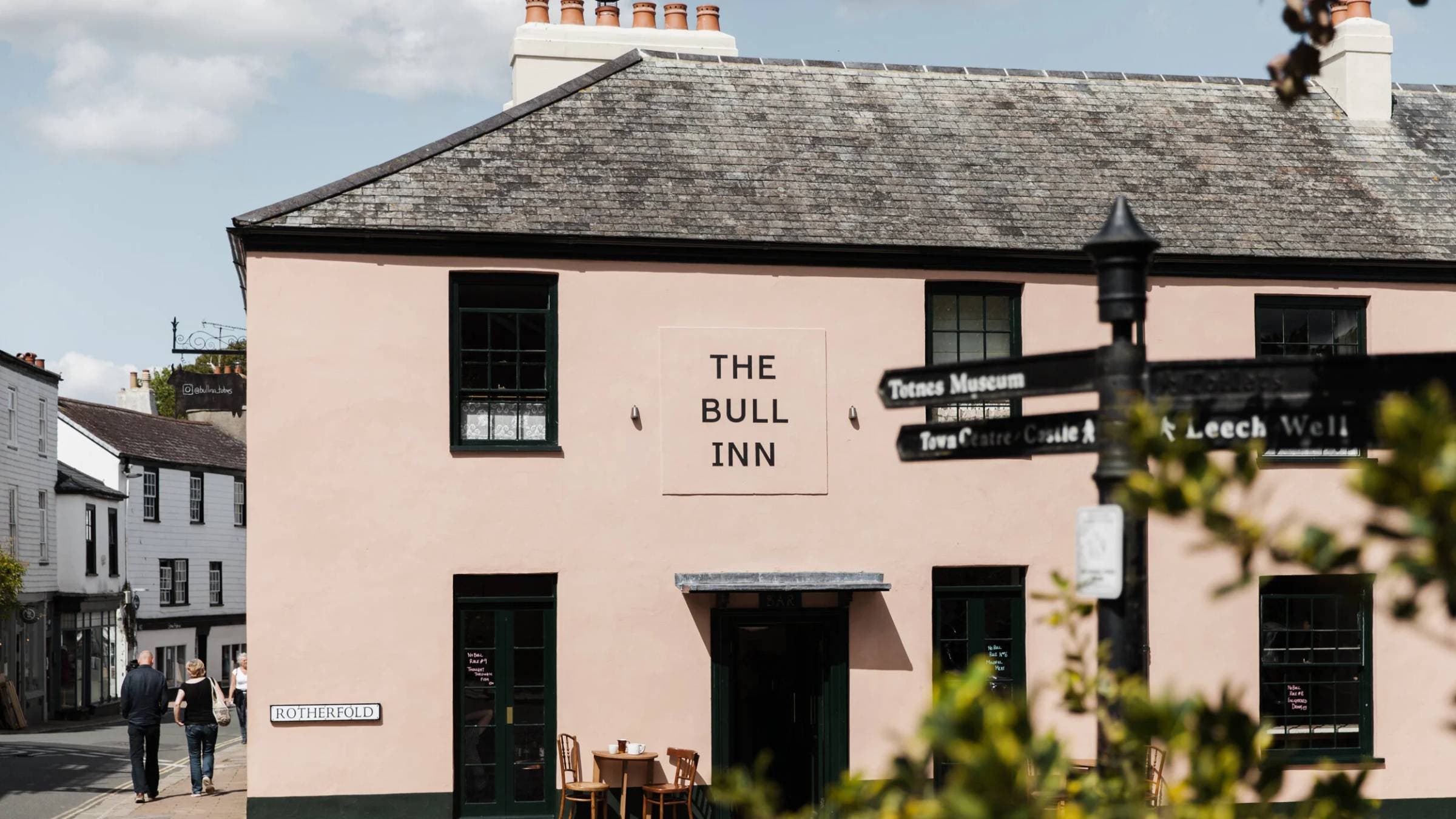
When this ethical, eco-conscious pub and inn opened in South Devon in 2019, owner Geetie Singh-Watson developed a radical set of “No-Bull Rules” that include practices such as returning packaging to suppliers, fair pay and play for employees, and field-grown, Fair Trade ingredient sourcing. Its nine rooms and four-bed self-catering apartment feature antique and second-hand furniture, lighting by local artisans, locally made tiles, and organic bath products and linens. The Dart Valley Trail is walking distance from the inn’s door and the wilds of Dartmoor National Park, known for its fishing, hiking, and canoeing, and only a short drive east. After a day of adventure, guests can indulge in plant-forward dishes such as beetroot dressed in pesto and goat cheese and pints of organic beer. Earlier this year, the inn launched the world’s first regenerative hospitality course to share its knowledge with other hotels and restaurants. Rates from $190; bullinntotnes.co.uk
Under Canvas Yosemite, California
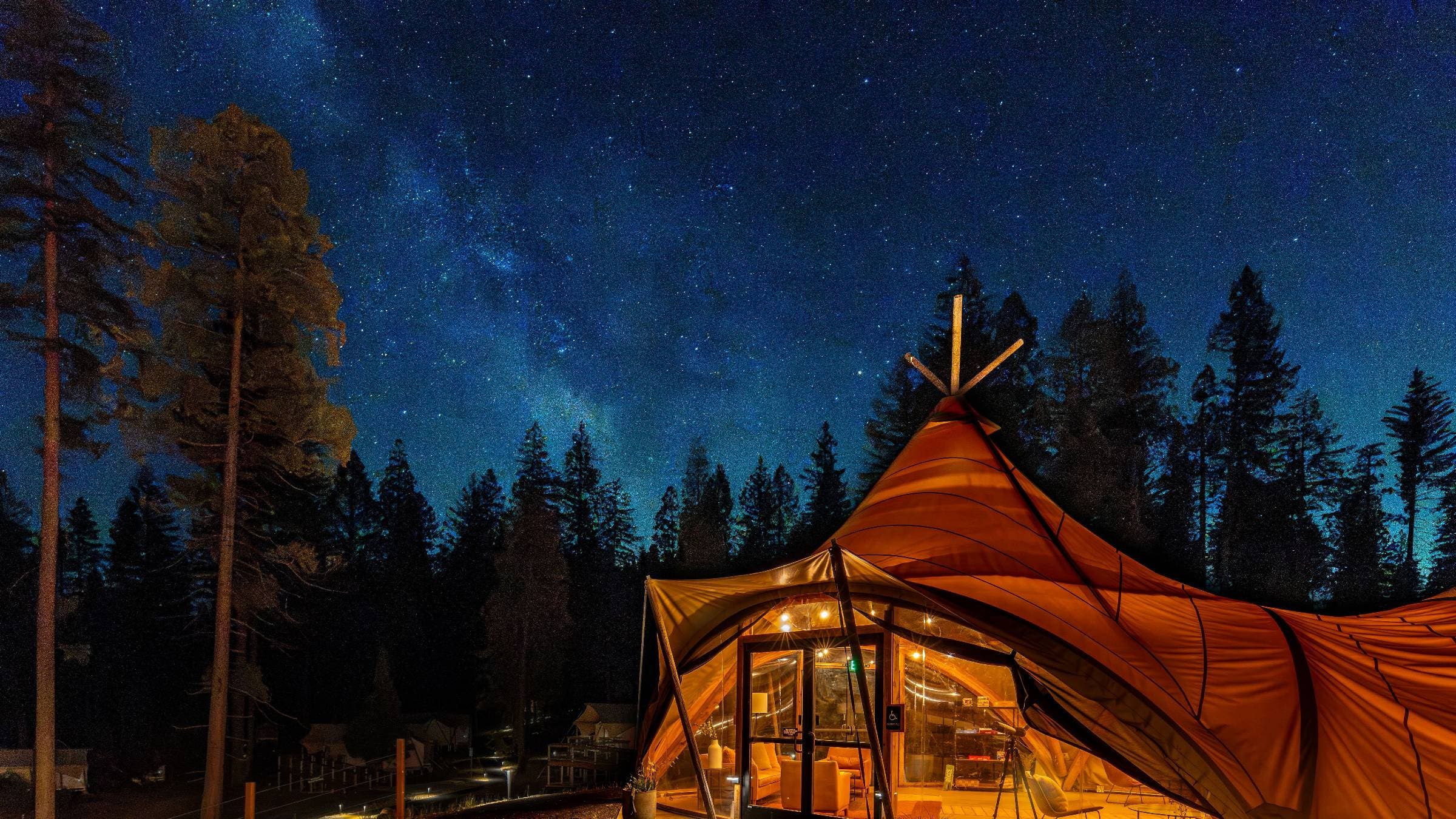
Under Canvas recently debuted its first location in California just 10 minutes from the west entrance of Yosemite National Park. Of the brand’s 13 camps, this is the sixth that has been certified by DarkSky International and it marks the first ever DarkSky Approved lodging in California. The glamping brand’s low-impact business model prioritizes solar power, recycling, and carbon offset practices. Under Canvas Yosemite’s location across from a Yosemite Area Regional Transportation System stop allows for easy, car-free park access. In addition to stargazing, guests at the 71-tent camp can book guided experiences through the on-site adventure concierge including hiking tours, rock climbing, rafting, fly fishing, and photography excursions. Rates from $314; undercanvas.com
Rocksresort, Laax, Switzerland
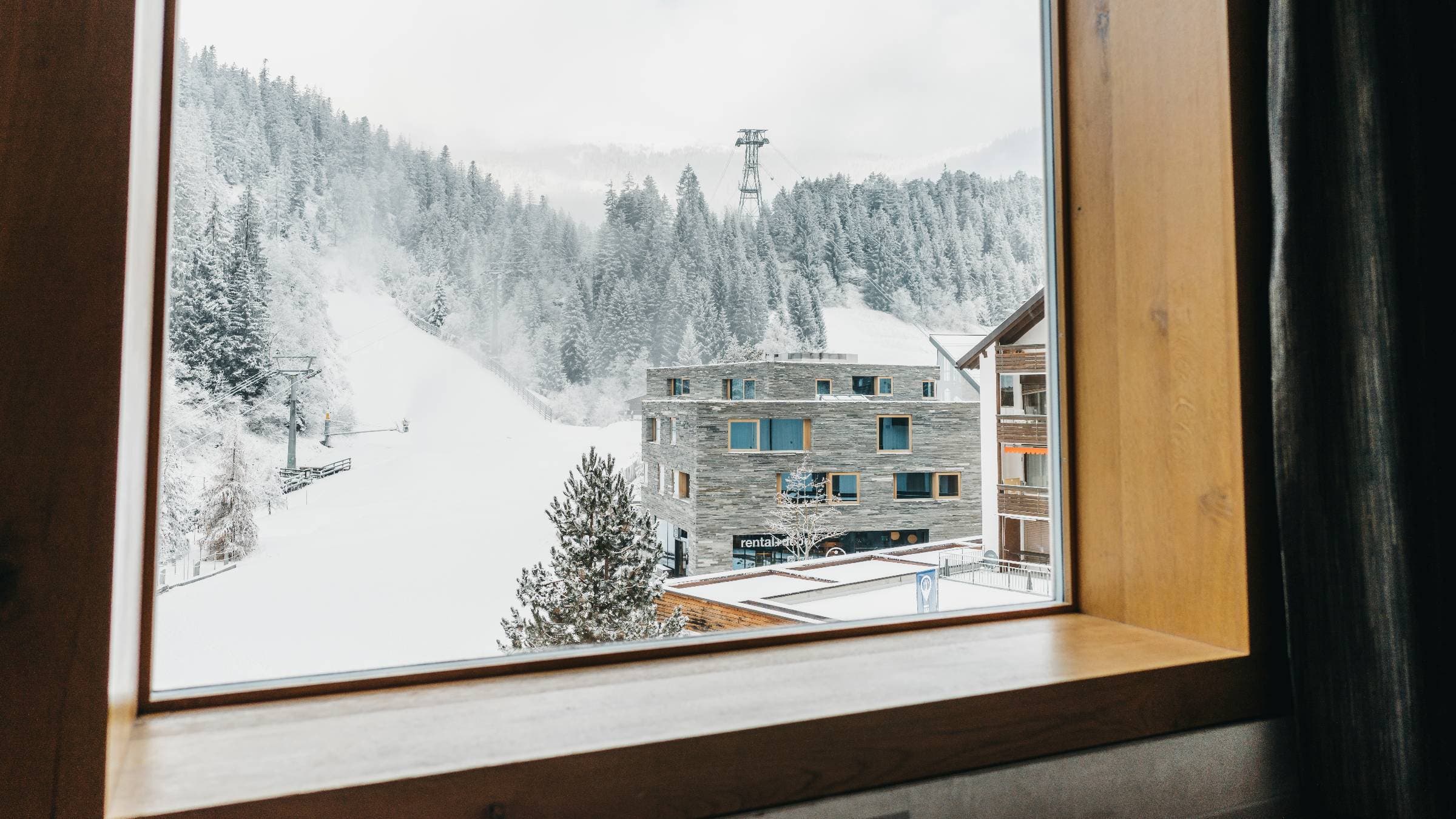
Laax is best known as Europe’s freestyle ski capital but it’s also quietly emerged as one of the planet’s most sustainable ski resorts. This zero-waste ski area is powered by 100% renewable electricity (a combo of solar and hydro) and was the first resort to commit to carbon neutrality by 2030. Gondolas run on an as-needed basis, snowcats run on hydropower, and even the wax used on skis and boards is biodegradable. Any excess heat generated from ski lifts goes to warming buildings across the resort, such as Rocksresort, a striking collection of apartment-style buildings constructed from 40-million-year-old local stone. Guests are steps from the gondola, as well as restaurants, shops, a pump track, and the world’s longest treetop walk. Rates from $333; rocksresort.com
Klahoose Wilderness Resort, British Columbia, Canada
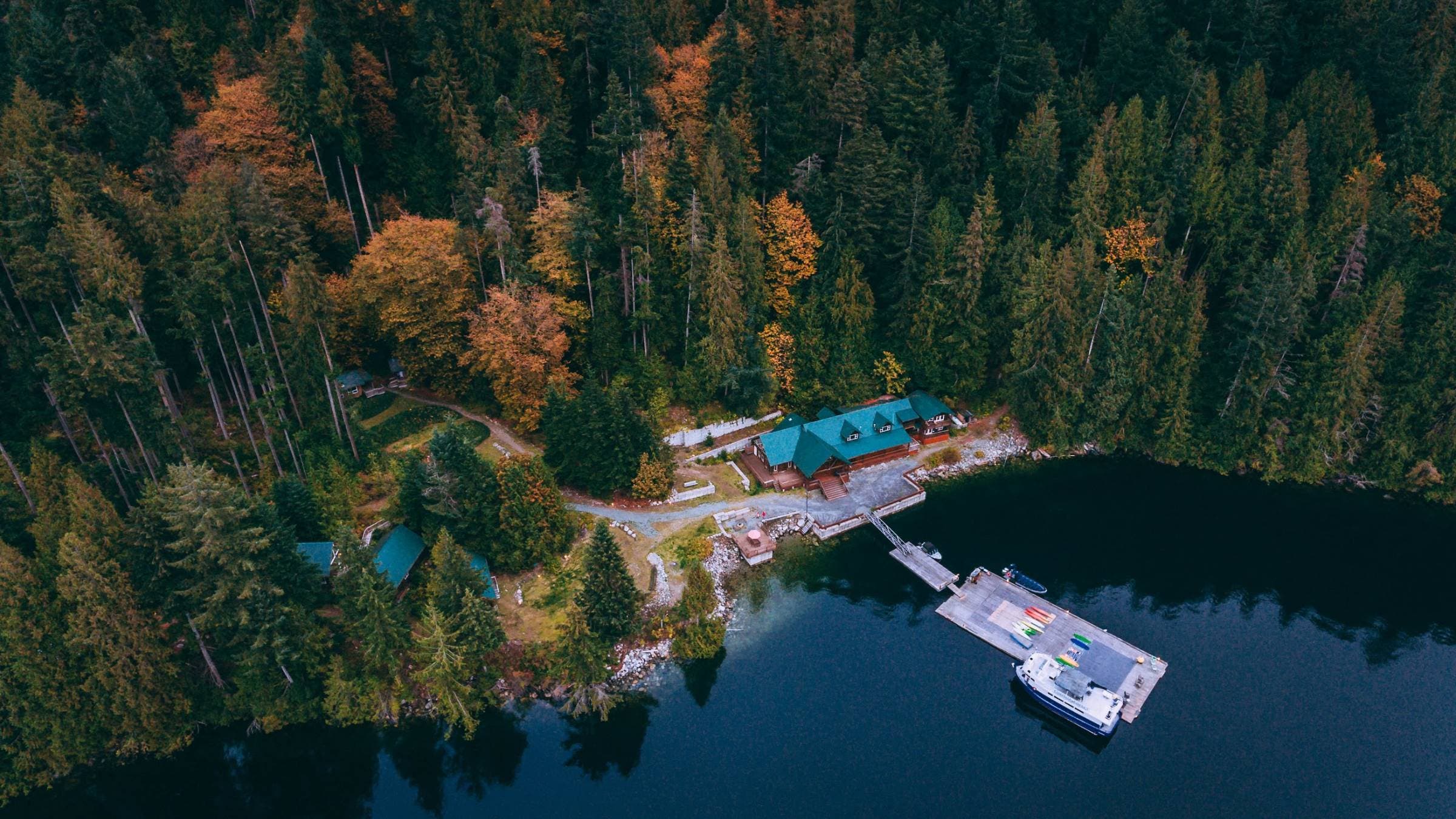
This all-inclusive wilderness resort is owned and operated by the Klahoose First Nation on their traditional territory in Desolation Sound. Accessible via a 60-minute seaplane flight from Vancouver or a 45-minute boat transfer from Lund, British Columbia, the resort is surrounded by more than 2,500 acres of pristine coastal wilderness (think plummeting glacial waterfalls and temperate rainforest). The resort operates entirely off-grid, powered by a hydroelectric system that triples renewable energy generation from stream runoff while storing power more efficiently. Four lodge rooms and three cedar cabins all face the sea and three- to four-night packages blend nature, culture, and adventure. Guests might wake to views of spouting humpbacks, spend an afternoon on Indigenous-led grizzly bear viewing tours or kayak outings, then return to the lodge for a smudging and brushing ceremony. Three-night packages from $3,080, all-inclusive; klahooseresort.com
Bahía Bustamente Lodge, Patagonia, Argentina
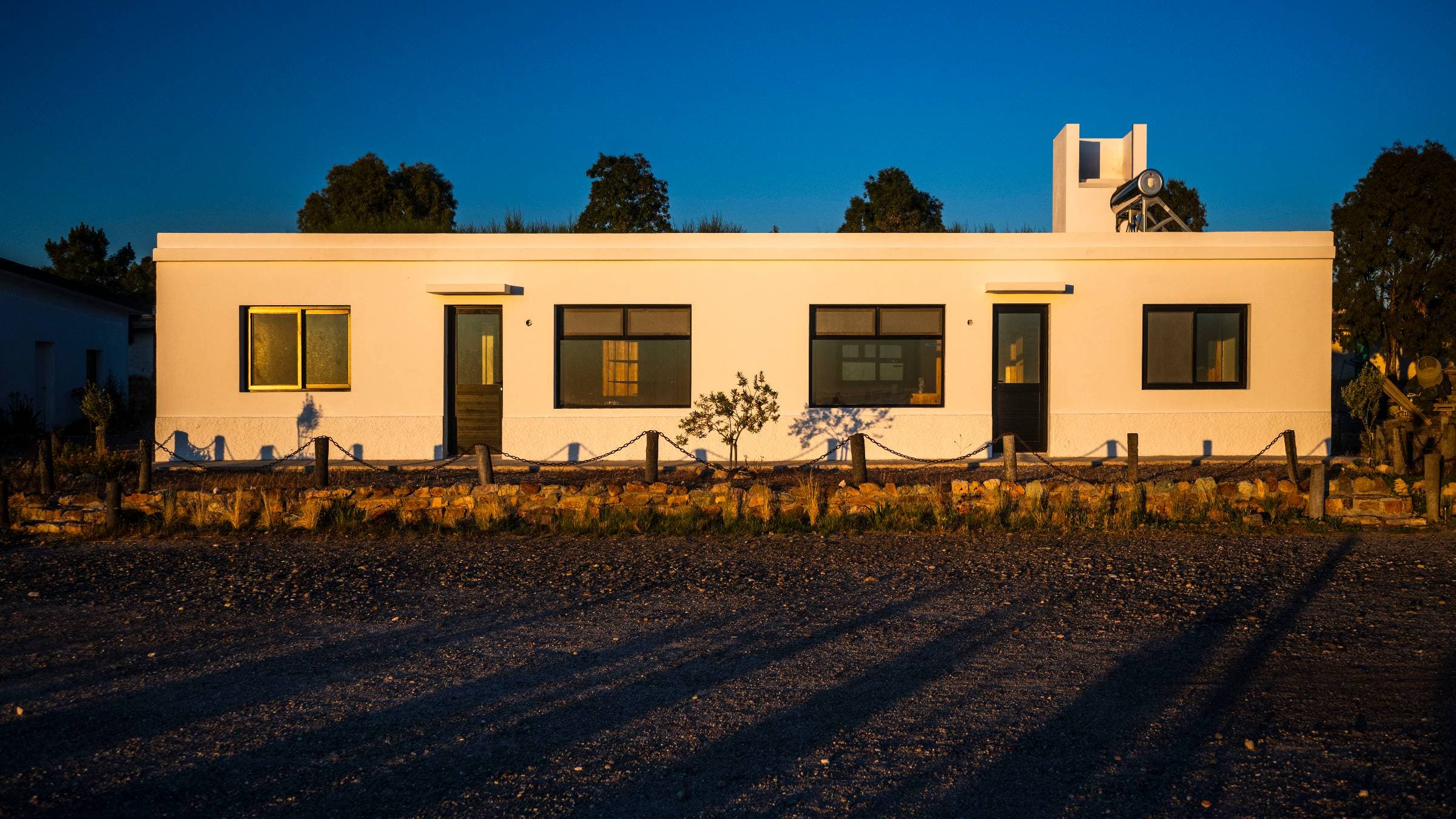
This seaweed collection camp turned nature lodge on Argentina’s Patagonian coast is located within the Patagonia Azul Biosphere Reserve. One of the most wildlife-rich pockets of the South Atlantic Ocean, it’s often called the Galapagos of Argentina. The property encompasses nearly 200,000 privately protected acres of virgin coastline and arid steppe. Guests stay in the restored homes of the original seaweed camp and have one of South America’s most biodiverse landscapes at their doorstep. Armadillos, sea lions, Megellanic penguins, and more than 200 species of birds make this land their home. A team of expert guides can lead guests on treks in the property’s petrified forest, to remote rock pools for swimming, or on mountain bike excursions past archeological sites. A historic shed serves as a wildlife interpretation center and the lodge hosts scientists and researchers throughout the year. Rates from $200; bahiabustamante.com
Jen Murphy is a regular contributor to Outside. She thinks all urban hotels should take a cue from Populus Denver and play a soundtrack of wildlife calls in the elevator.
