

Published April 24, 2026 03:16PM
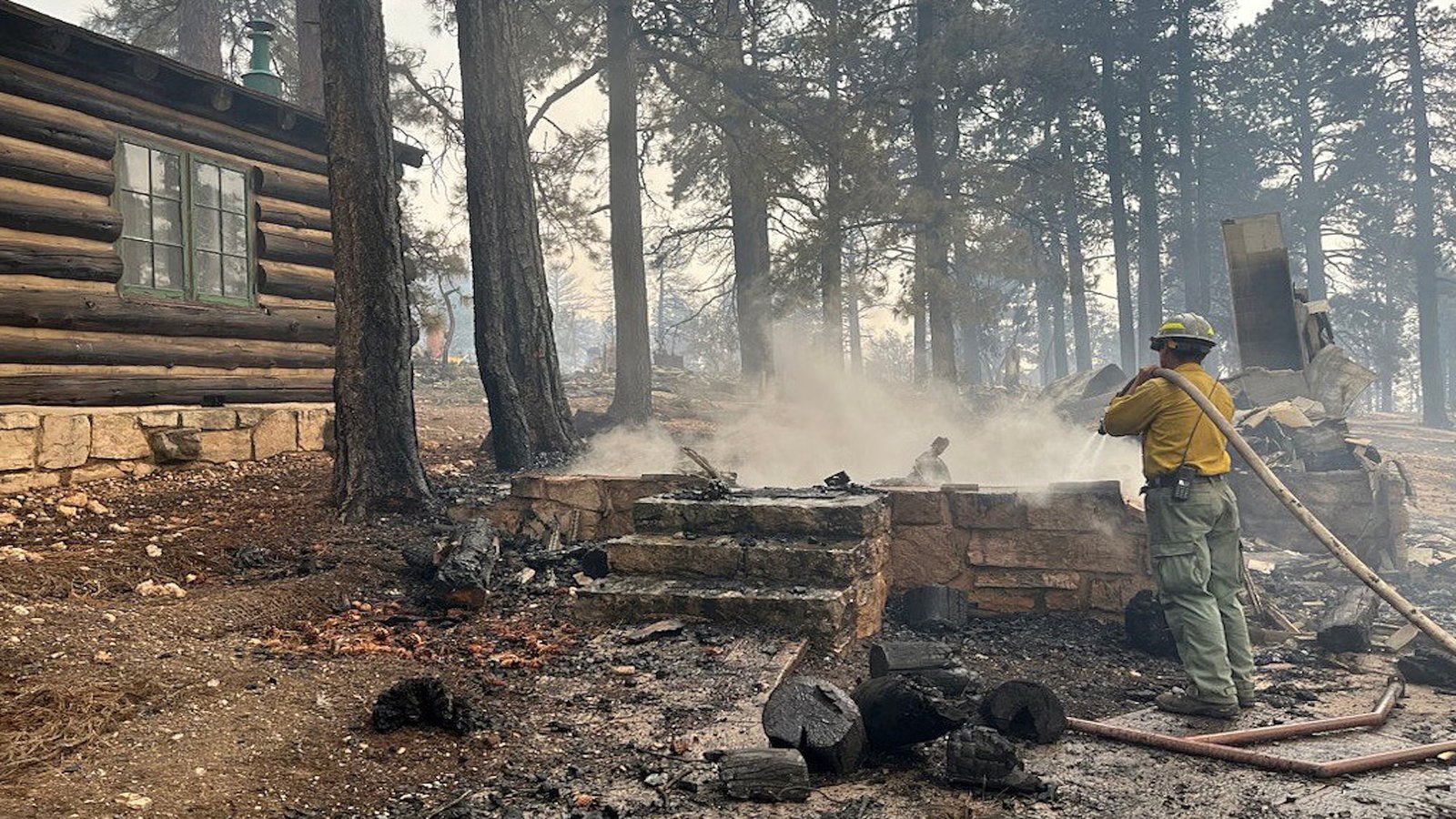
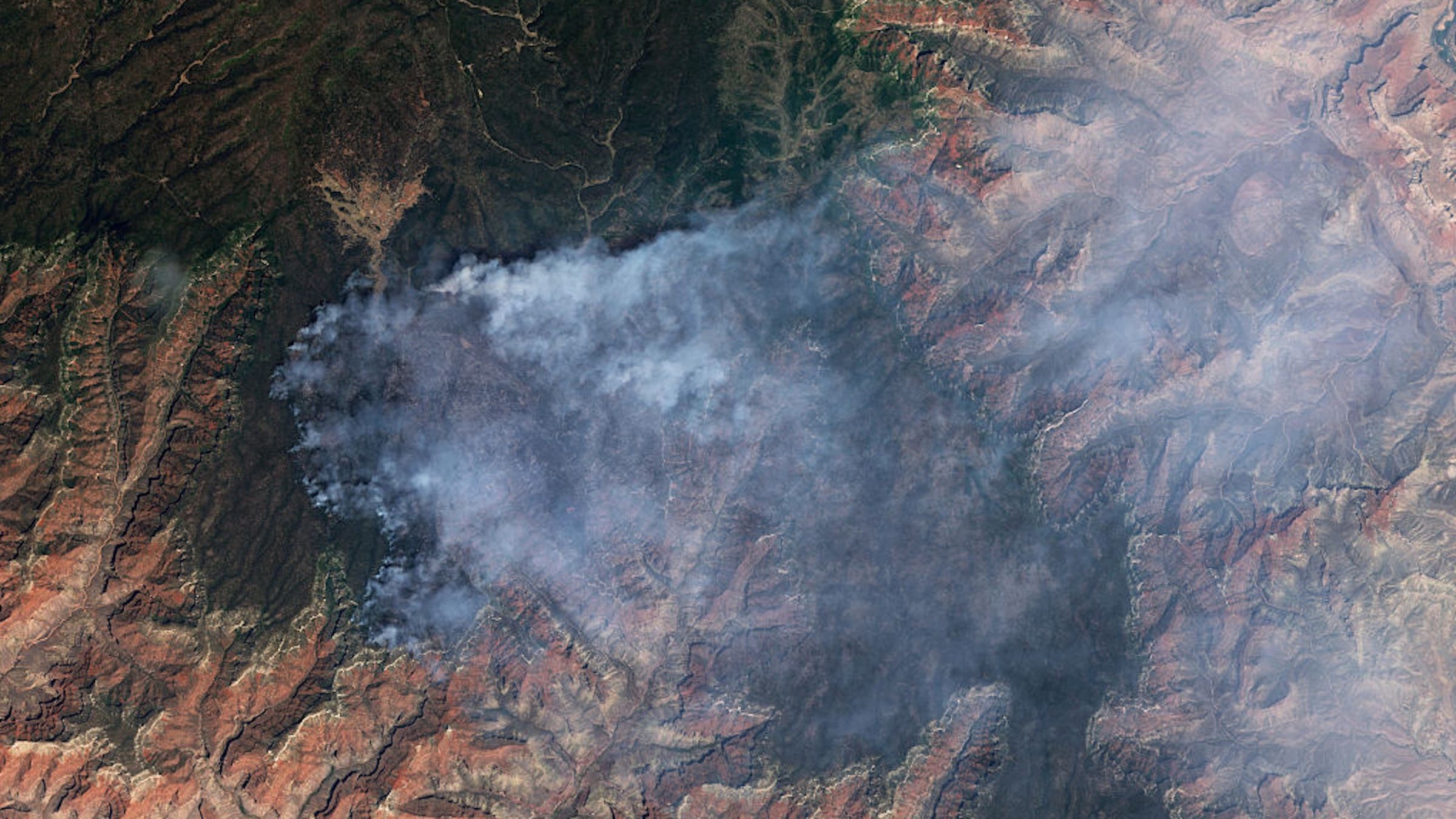
One of the most destructive wildfires in National Park Service (NPS) history, the Dragon Bravo Fire tore through the Grand Canyon in 2025, scorching nearly 150,000 acres. Federal officials now say the response from government agencies was inadequate—and that much of the devastation may have been preventable.
During a Senate hearing on April 22, 2026, Secretary of the Interior Doug Burgum spoke to his agency’s plans for wildfire management strategies. When asked about coordination between state and federal agencies by Nebraska Sen. Deb Fischer, he recalled the Grand Canyon’s catastrophic fire.
“Last year at Dragon Bravo, where we ended up losing the North Rim Lodge in the Grand Canyon National Park … in retrospect, an approach of suppression versus containment might have saved hundreds of millions of dollars of historic properties,” Burgum responded.
In an email to Outside, the Department of the Interior declined to comment on Burgum’s testimony, writing that the agency had “nothing further to add in addition to the Secretary’s remarks.”
Riva Duncan, president of Grassroots Wildland Firefighters, a nonprofit that advocates for wildland firefighters, worked for the U.S. Forest Service for 32 years. She told Outside that she feels Burgum is unfairly shifting blame onto firefighters.
“I think it was lousy of Burgum to say the Park Service mismanaged that fire, because basically, he threw the firefighters under the bus. And I think that’s really an awful thing for a leader to do,” Duncan said.
The Dragon Bravo fire tore through the North Rim of the Grand Canyon last summer, burning down the historic Grand Canyon Lodge, visitor center, and 114 buildings. An NPS report found that the fire affected 73 miles of trails, prompting closures and uncertainty ahead of the 2026 season.
“The Government Really Dropped the Ball”
Adding fuel to the fire, the area around the Dragon Bravo blaze had not burned for decades, Duncan said, and the canyon’s steep terrain made it initially unsafe to put firefighters on the ground. She added that the government didn’t clearly communicate to the public what was happening, either.
“The government really dropped the ball and tried to walk some things back, and I don’t think that showed integrity or was honest with the public,” Duncan said. “We’ve got firefighters and fire managers on the ground doing the absolute best they can with what they have. But wildfires are still a natural process. Weather changes and forecasts get missed, and things don’t always turn out as expected. Everybody who does this job loves the land.”
An investigation published by the media outlet Arizona Republic in August 2025 alleged that Grand Canyon National Park officials didn’t follow their own wildfire management plan in the days leading up to the fire. According to the report, park officials told the public that the fire was under control and that the NPS was employing a suppression strategy—even though the blaze was rapidly growing. On social media, however, federal agencies stated they were letting the fire burn natural fuel, the report claims.
Outside also contacted the NPS, but did not receive a response in time for publication.
The Future of the Forest Service
In his testimony, Burgum said the Dragon Bravo Fire illustrates why the Interior Department’s fire management strategies need to evolve. They cover roughly 500 million acres managed by the National Park Service, the U.S. Fish and Wildlife Service, and the Bureau of Land Management.
He also promoted the newly established Wildland Fire Service—a controversial restructuring of the Department of the Interior’s wildland fire programs—and argued that wildfires should now be fully suppressed. Critics warn this approach could backfire, leading to hotter, larger fires, since some landscapes depend on natural burning to maintain healthy ecosystems.
“It’s going to be a year of suppression, meaning that when a fire begins, we’ll put it out,” Burgum said. “Sometimes we’ve had land managers that feel like they’ve been underfunded in terms of fuel load management, and so they’ll let a fire burn, you know, in a national park or in a wildlife refuge. They’ll let it burn, thinking like, ‘Oh, I can manage some of my fuel load.’”
Duncan called Burgum’s position is a “naive” approach.
“To that suppression mindset, where that’s our only focus, and that’s the only way forward, is really, really, really naive, and it’s just gonna kick the can down the road,” Duncan said. “We’re going to keep getting ourselves into more and more trouble, especially as we move deeper into the climate crisis.”
What Does This Mean For the Upcoming Wildfire Season?
Now retired, Bill Kaage spent decades with the NPS and U.S. Forest Service, mainly in wildland fire, and also worked for the National Park Service. In a phone interview with Outside, he said that state governments often respond to wildfires with full suppression efforts on private property and in towns. Once resources are deemed safe, officials will usually then respond to wilderness areas.
“States try to limit the damage right from the get-go. Federal agencies, generally speaking, fight fires on wild lands and protect federal lands out in the backcountry. In these cases, it doesn’t always make sense to go full expression right from the get-go,” Kaage told Outside.
“The Grand Canyon has an extensive history—decades—of fire response where they manage for ecological benefit. They have that big ditch in the middle of the canyon itself that helps them separate the south side of the park from the north side,” Kaage said. “Obviously, climate change, things are different now than they were 20 years ago.”
In a year already challenged by low snowpack and a gutted federal workforce, Duncan told Outside that she is trying to stay optimistic, despite multiple reasons to worry about fire danger.
“The administration is gutting the workforce of these land management agencies, and a lot of us are worried about that as we move through the rest of this administration,” Duncan said.
Duncan stressed that officials and the general public shouldn’t view all wildland fires as bad. “We just can’t,” she said. “We have to learn to live with fire, and we have to learn to use fire to our benefit. And I think we can do both.”
