

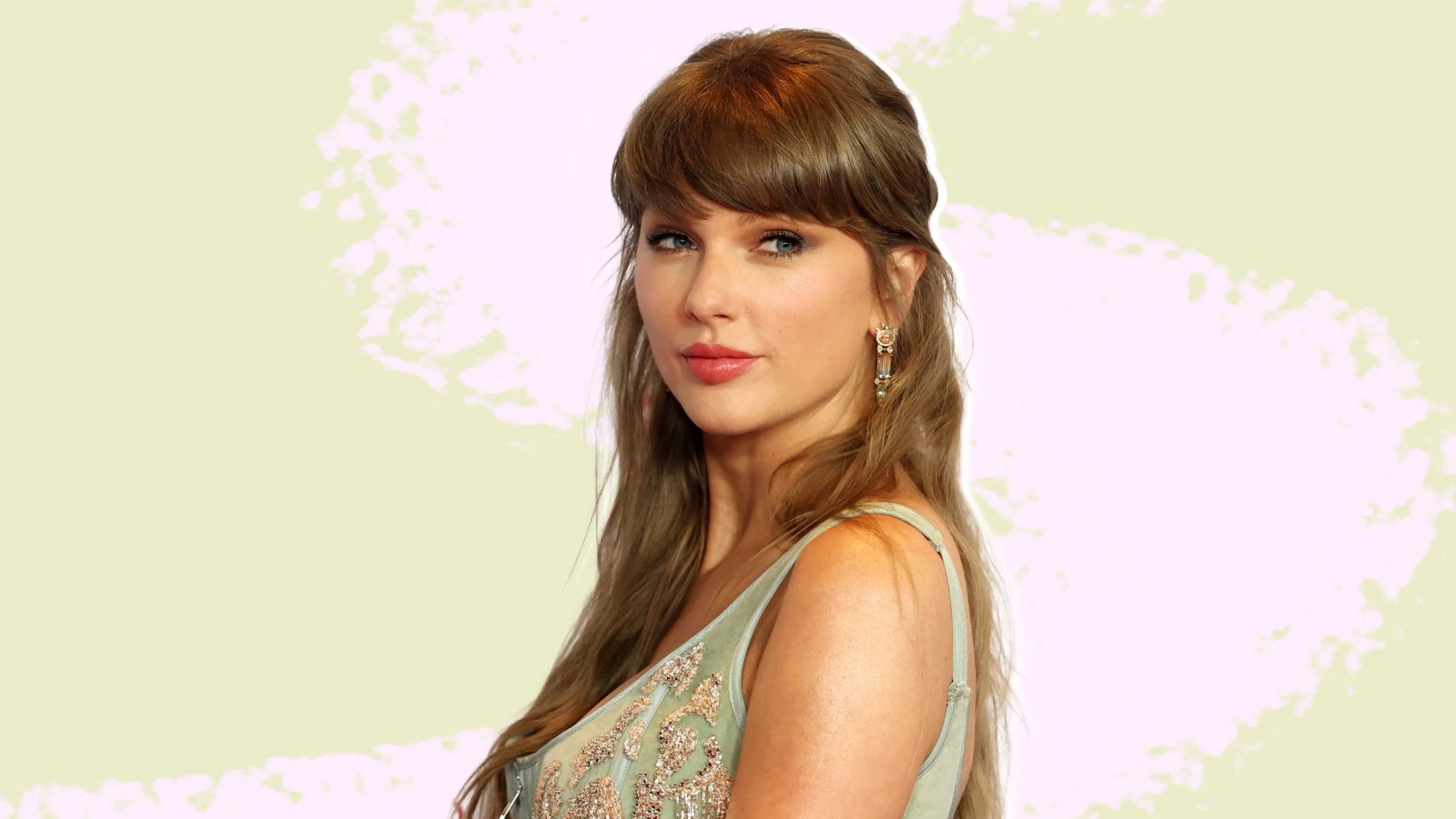
Taylor Swift recently filed a series of trademark applications designed to protect the star from AI-enabled impersonations. Swift already holds a wide array of trademarks, but these latest filings, at least one intellectual property firm suggests, serve a new purpose: protecting the timbre and character of her voice itself through what is known as a “sound mark.”
In two recent filings, posted April 24 by Swift’s company, the celebrity applied to trademark two recordings. In one, she says, “Hey, it’s Taylor,” and in the other, “Hey, it’s Taylor Swift.” The recordings themselves are not particularly novel, but that is likely beside the point.
“The concept of protecting sound as a trademark is not new, though it remains relatively rare,” wrote Josh Gerben, the Gerben IP attorney that spotted the trademarks on the law firm’s website. “Historically, singers relied on copyright law to protect their recorded music. But AI technologies now allow users to generate entirely new content that mimics an artist’s voice without copying an existing recording, creating a gap that trademarks may help fill.”
Gerben added that, in theory, if an AI-generated imitation of Swift’s voice became the subject of litigation, she could argue that uses resembling her registered vocal trademarks infringe on her intellectual property rights.
Gerben surmises that the goal is to protect the sound of Taylor Swift’s voice much like NBC protects its signature chimes. The strategy, which Matthew McConaughey has also pursued, reflects a novel approach for the AI age, though it remains untested in court.
Celebrities are among those most vulnerable to AI-enabled impersonations and broader unauthorized uses of their likenesses. While top artists and actors already face an enduring, whack-a-mole-style battle against fakes, the latest generation of AI models has made producing these imitations unnervingly easy and scalable.
For similar reasons, celebrities, particularly women, are frequently targeted by deepfake operations that use their faces and bodies in nonconsensual pornographic imagery. Swift herself has been subjected to such campaigns, including in early 2024, when illicit AI-generated images of her spread widely on platforms like 4chan.
