

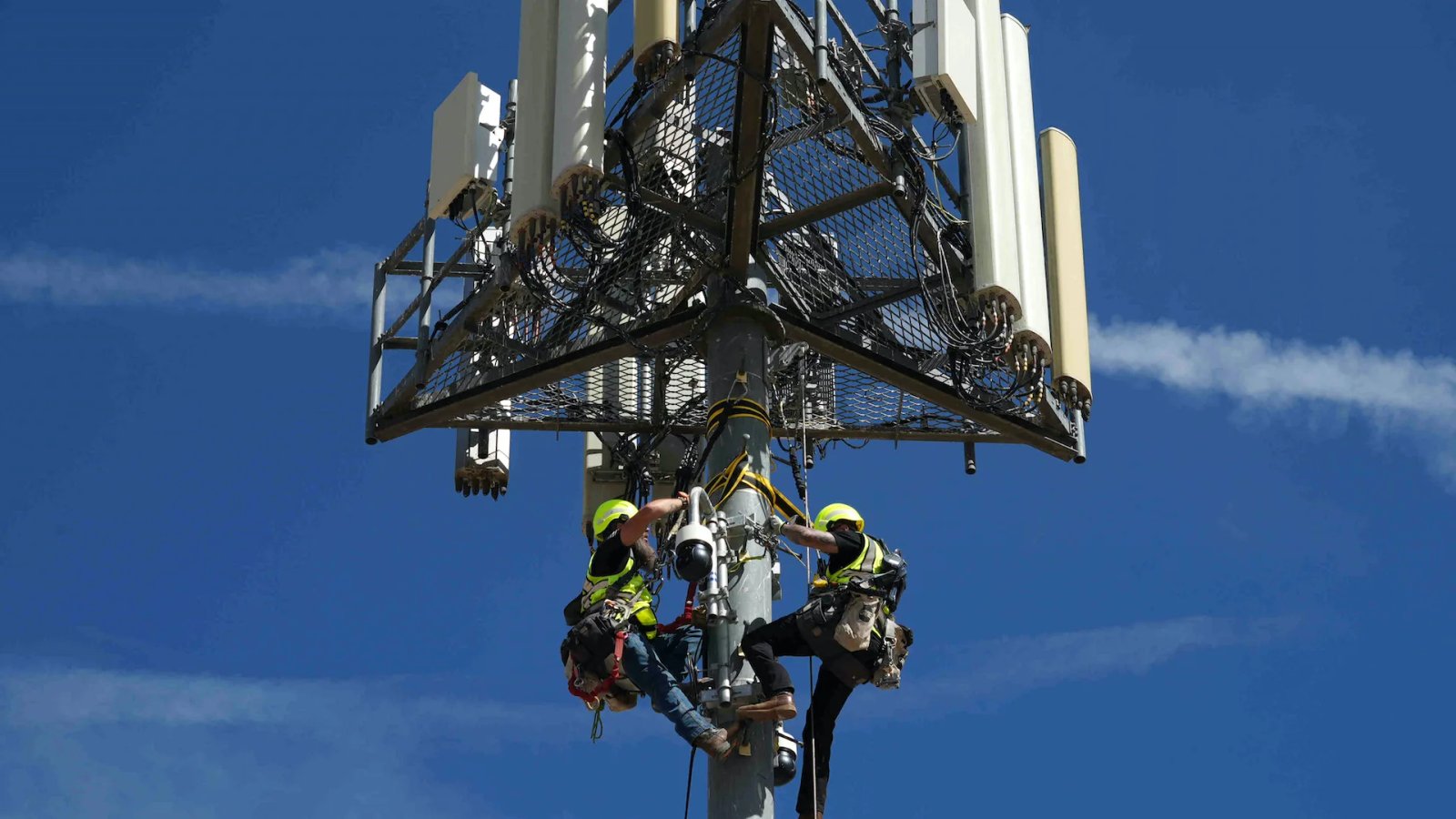
On a March afternoon, artificial intelligence detected something resembling smoke on a camera feed from Arizona’s Coconino National Forest. Human analysts verified it wasn’t a cloud or dust, then alerted the state’s forest service and largest electric utility.
One of dozens of AI cameras installed for the utility Arizona Public Service had spotted early signs of what came to be known as the Diamond Fire. Firefighters raced to the scene and contained the blaze before it grew past 7 acres (2.8 hectares).
As record-breaking heat and an abysmal snowpack raise concerns about severe wildfires, states across the fire-prone West are adding AI to their wildfire detection toolbox, banking on the technology to help save lives and property.
Arizona Public Service has nearly 40 active AI smoke-detection cameras and plans to have 71 by summer’s end, and the state’s fire agency has deployed seven of its own. Another utility, Xcel Energy in Colorado, has installed 126 and aims to have cameras in seven of the eight states it serves by year’s end.
“Earlier detection means we can launch aircraft and personnel to it and keep those fires as small as we can,” said John Truett, fire management officer for the Arizona Department of Forestry and Fire Management.
Where there are fewer eyes, AI looks for fires
ALERTCalifornia is a network of some 1,240 AI-enabled cameras across the Golden State that work similar to the system in Arizona.
Human intervention keeps the risk of false positives low and trains the technology to become more accurate, said Neal Driscoll, geology and geophysics professor at the University of California, San Diego, and founder of ALERTCalifornia.
