

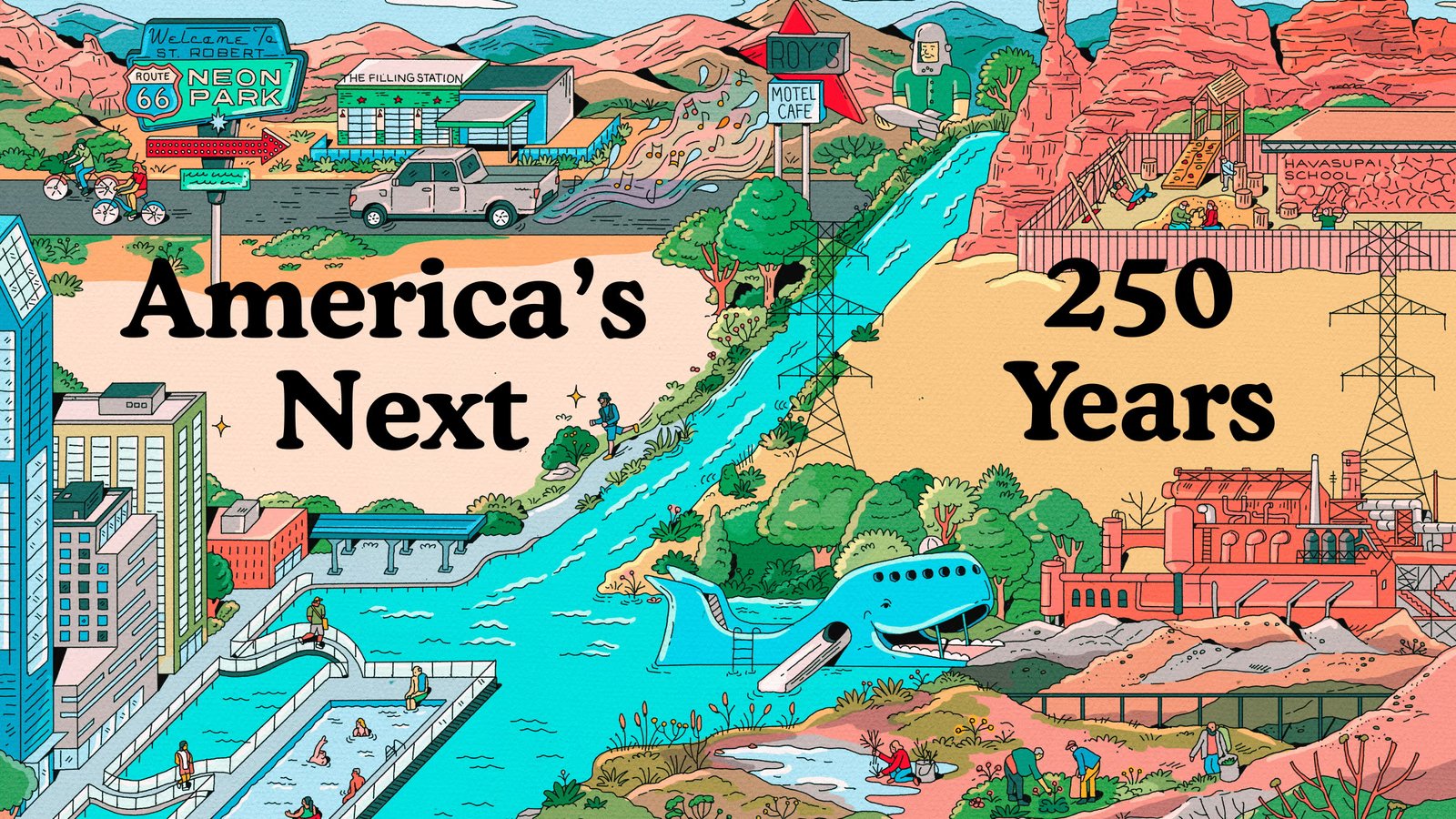
As the United States’s big birthday approaches, meet the people and forces redrawing its outdoor future.
(Photo: Kathleen Fu)
Published May 27, 2026 04:01AM
This July 4, the United States will celebrate 250 years since the signing of the Declaration of Independence. Across the nation, this semiquincentennial milestone provides a moment for reflection on where we’ve been, where we’re going—and what we dream of achieving. What will the next 250 years hold for our nation? (Will we still be a nation in 250 years?)
On the eve of this big birthday, we look at the people, places, and forces reshaping our outdoors, from sea to shining sea.
Beyond Belonging
By Gloria Liu
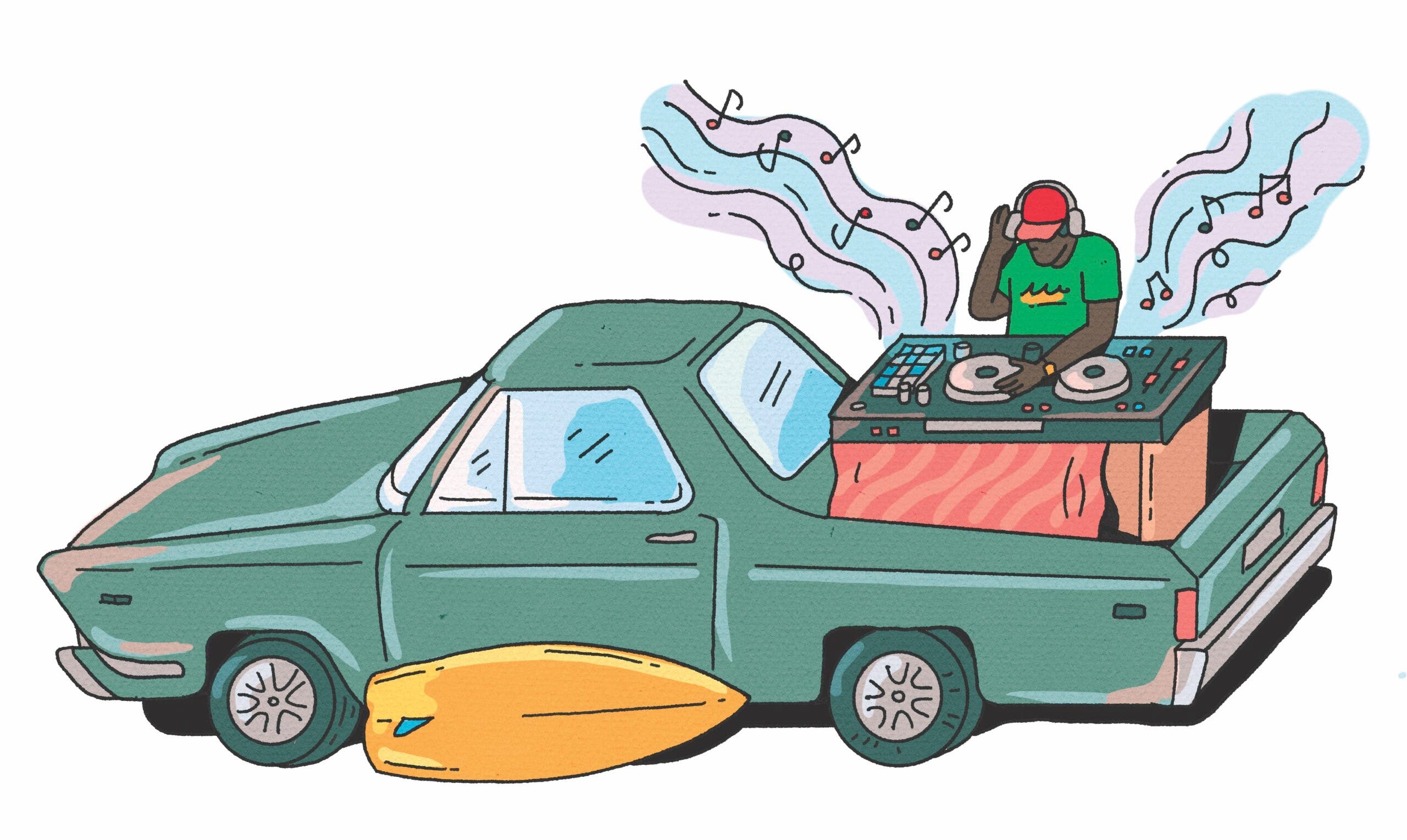
From surf clubs to land trusts, leaders are broadening culture and protecting land to ensure nature is truly accessible for the next century and beyond.
The Route 66 Redux
By Jessica Dunham
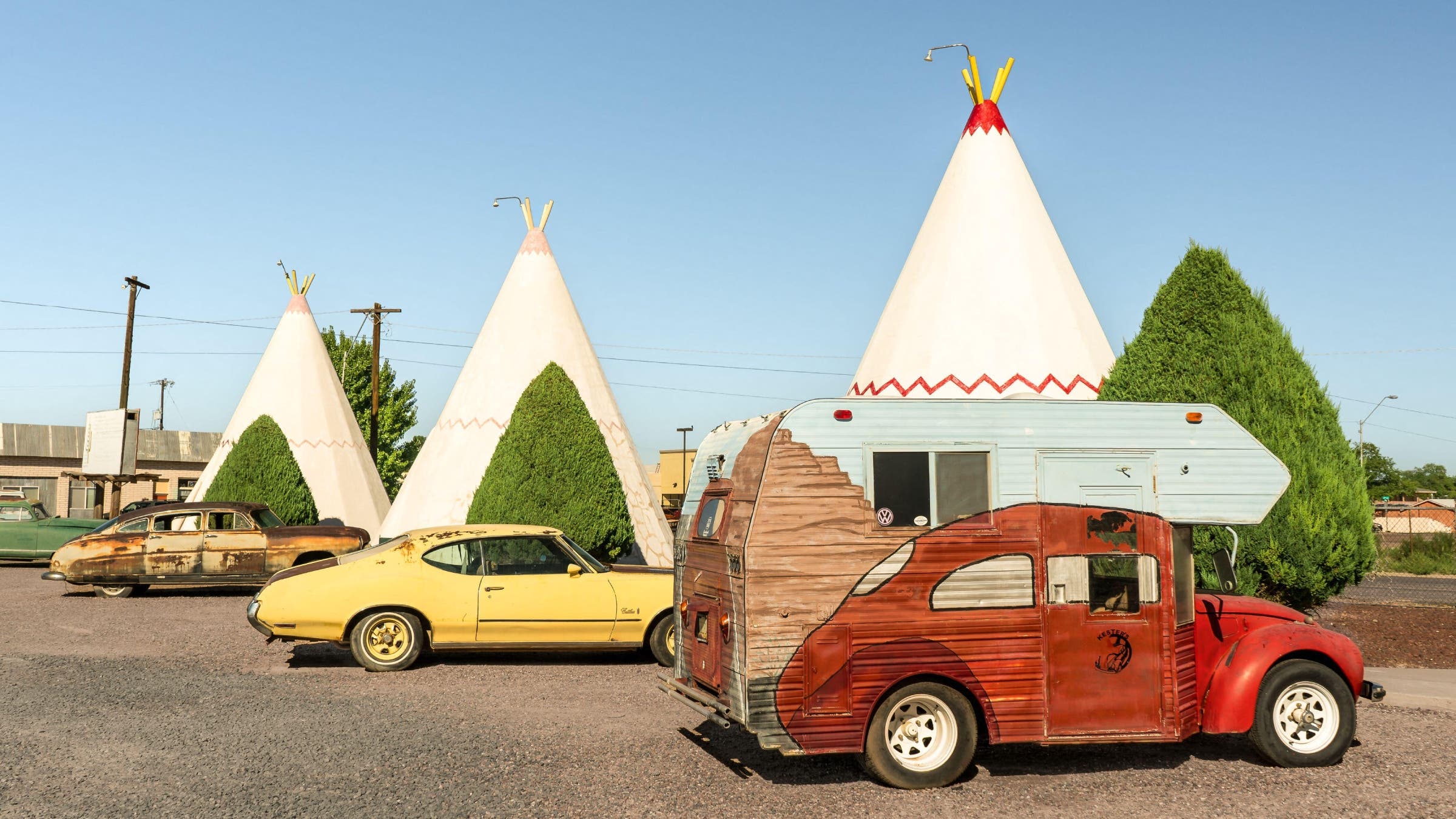
On its centennial, the nation’s Mother Road gets a glow-up with boutique hotels and pavement that sings (for real).
Tribal Current
By Len Necefer
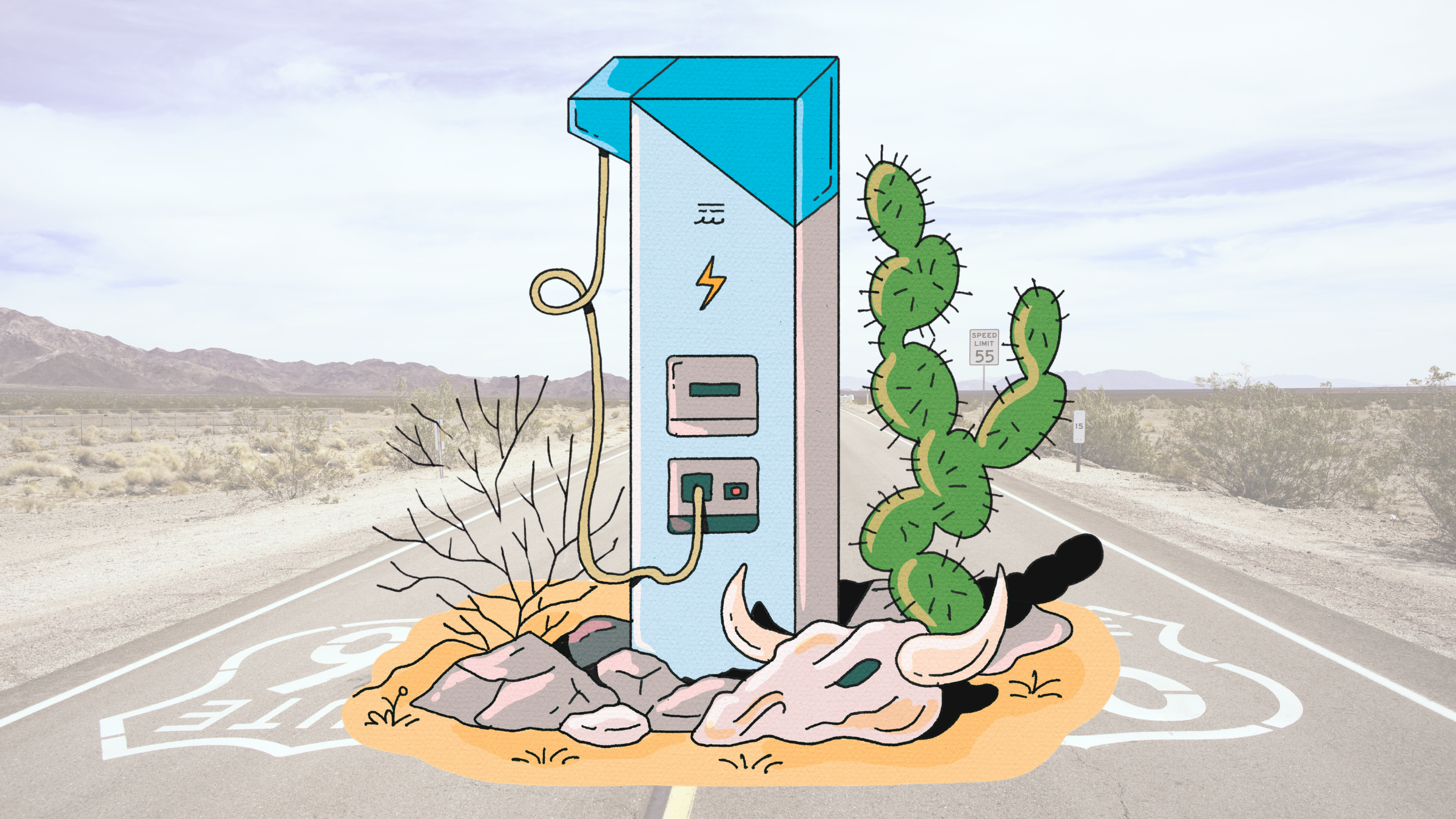
Forget federal maps—Native nations are bypassing gridlock to lead the electrification of the road on their own terms.
Meet the Politician Who Ran Across America
By Frederick Dreier
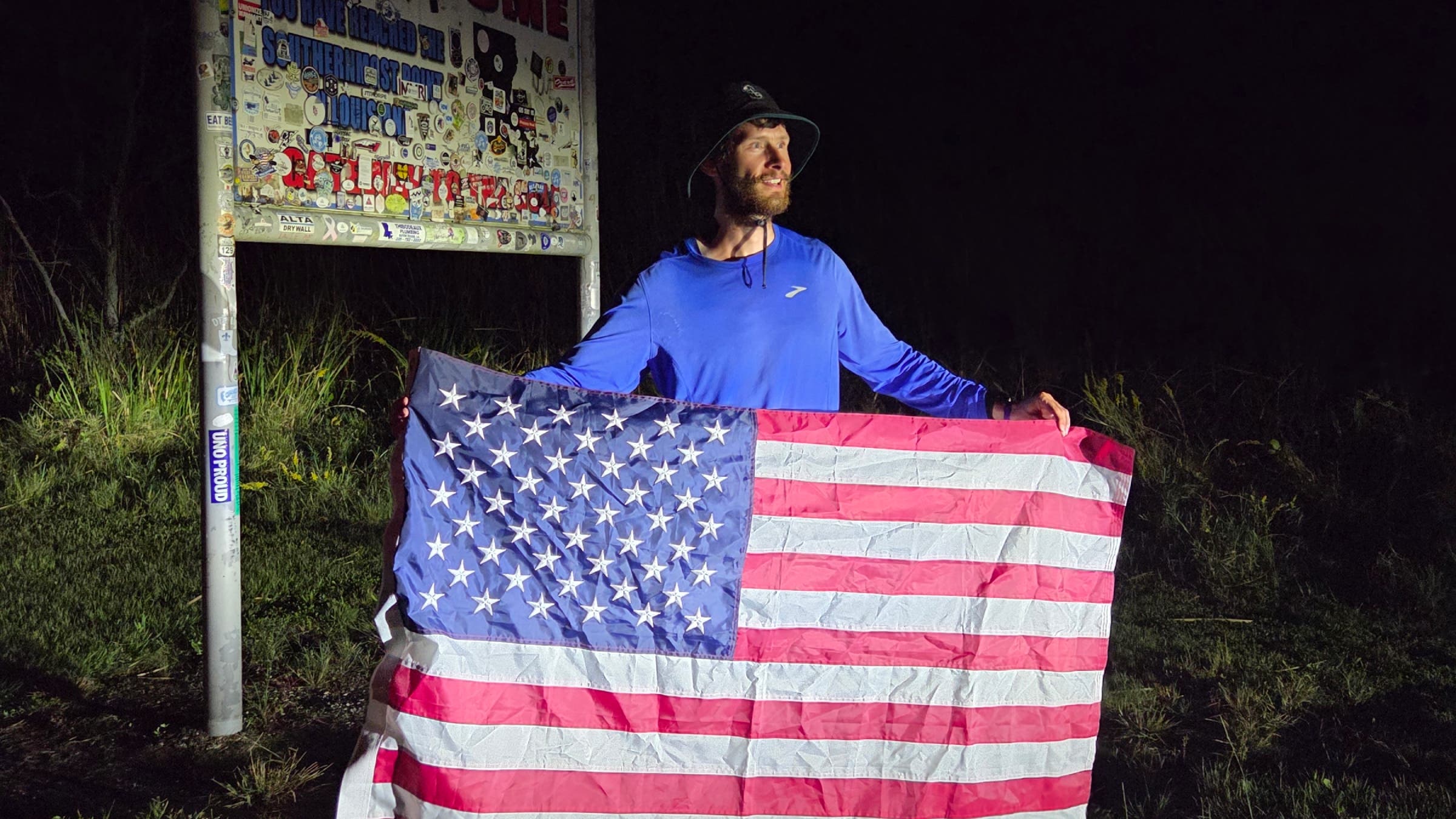
Greg Nance, House Representative from Washington, recently jogged the length of the Mississippi River to learn more about the country’s political divide.
Finders, Keepers
By Beth Kracklauer
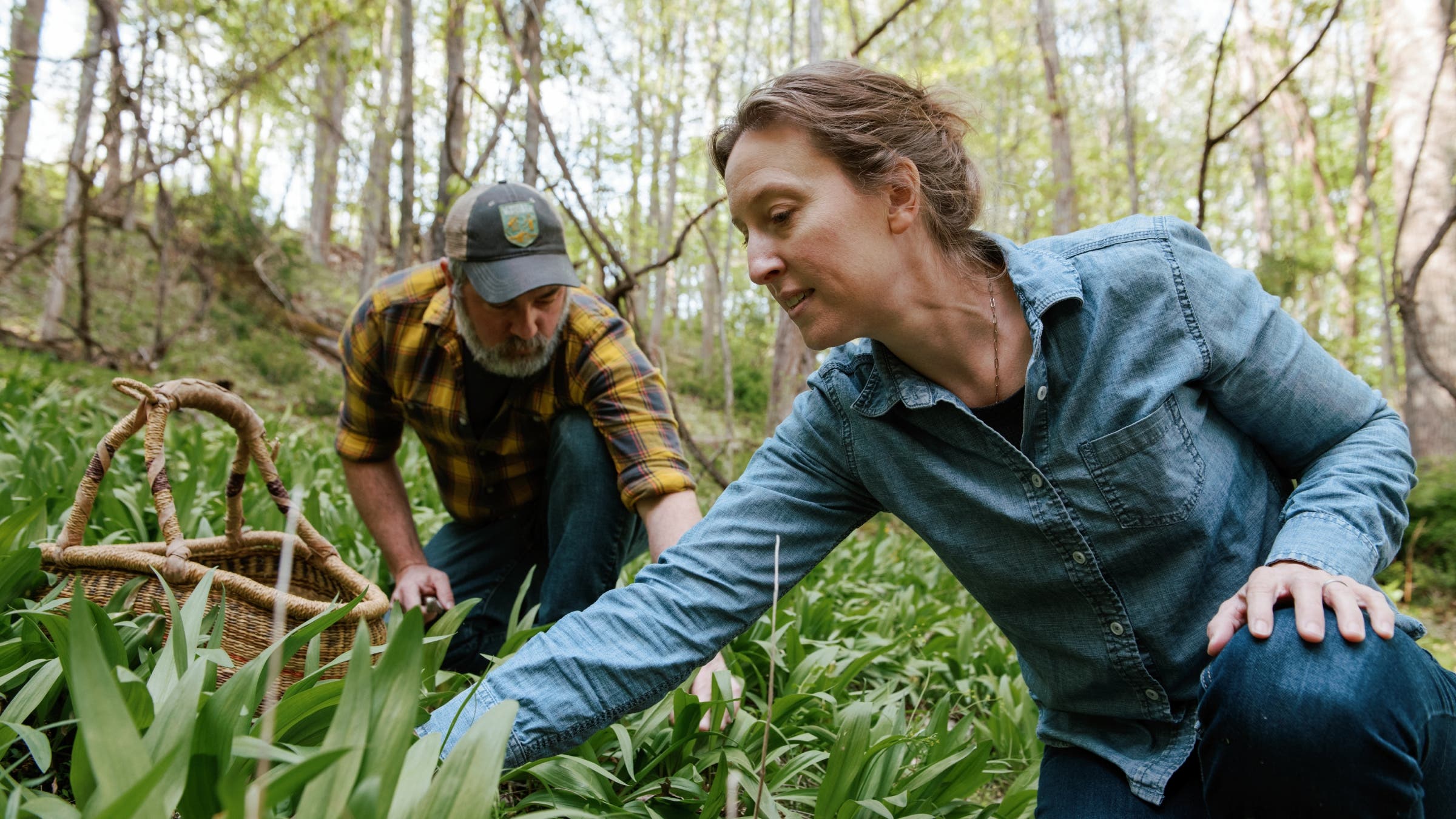
American Rust Belt landscapes are ripe for rediscovery. In postindustrial Ohio, Pennsylvania, and West Virginia, these foragers are taking a radical approach to stewardship of their environment: they’re eating it.
The Campfire Is Dead. Long Live the Campfire.
In a hotter, drier American West, manufactured fire pits are the new thing to gather ’round.
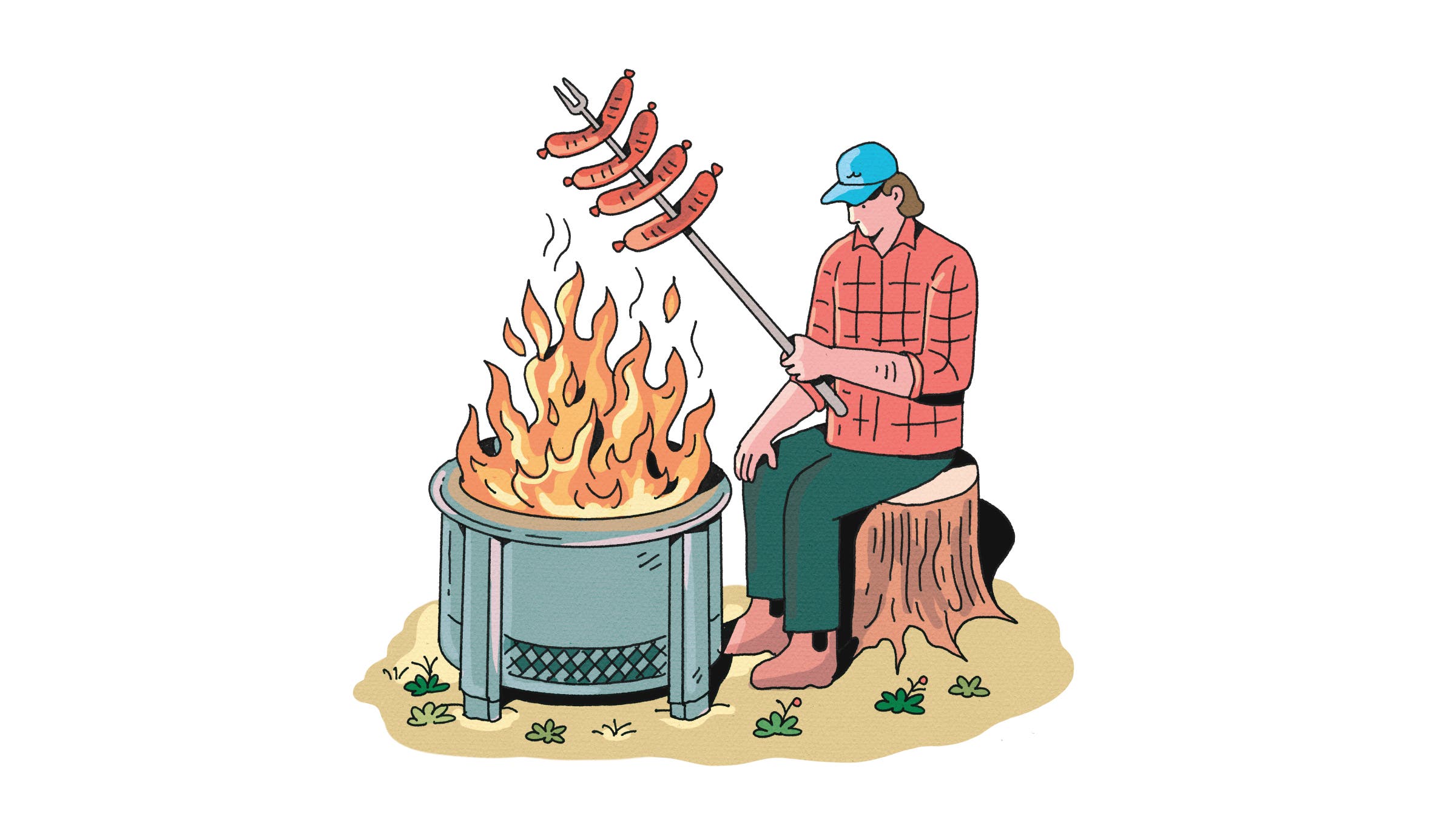
Colorado is in the middle of its driest year since record-keeping began: In the middle of April, snowpack was at 19 percent of the median, meaning it’s less than one-fourth of what the state usually has this time of year, according to the USDA National Water and Climate Center. Twenty-four counties are already in various levels of fire restriction, from warnings to outright bans (no smoking, no sparking, no friction at all, please). For Coloradans—and the more than 95 million visitors to the state each year—that means no campfires this summer.
The campfire is an enduring image: the first concept of human ingenuity and community, enshrined as an American icon thanks to Westerns, made modern by campfire rings. It’s where we go to cook hot dogs, roast s’mores, and swap stories from the trail. Is it bound to be another casualty of climate change?
Maybe. But American companies are stepping in to help you keep the fire going. Breeo, designed and manufactured in Pennsylvania, makes smokeless, portable fire pits with stainless steel canisters and heat shields so that embers are better contained. Still want a fire in a stage 2 ban? Howl Campfires designs and builds propane-powered pits in Colorado.
“Gathering around the fire” may change, from a smoky, crackling bonfire to a calmer, blue-based flame—but at this point, evolution is the American way.
—Jessica Campbell-Salley
The Great Urban Dip
By Patrick Scott
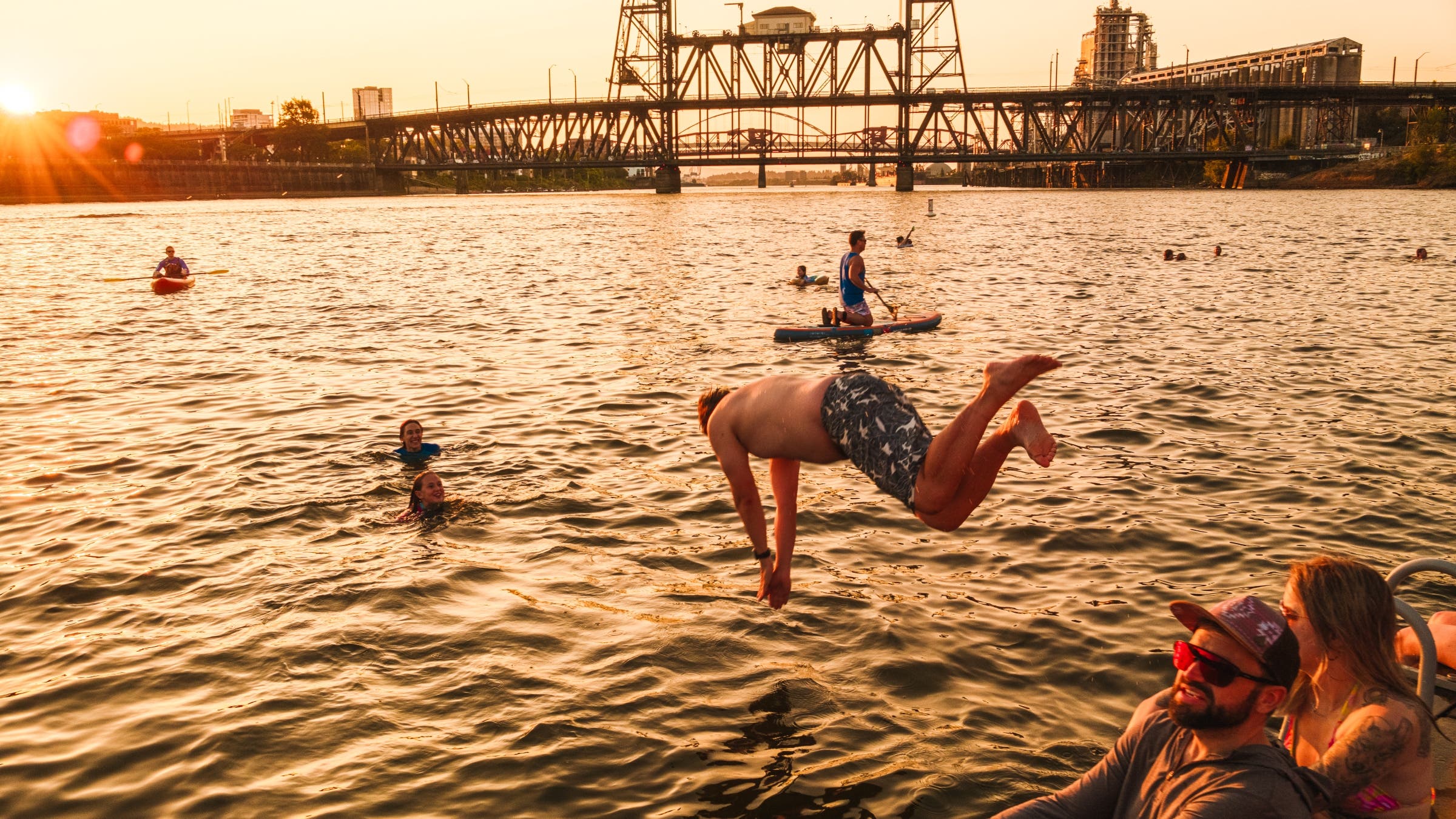
Once-toxic rivers are becoming the nation’s newest playgrounds as swimmers reclaim their right to city waters.
The Rewilding of the Schoolyard
By Abigail Wise
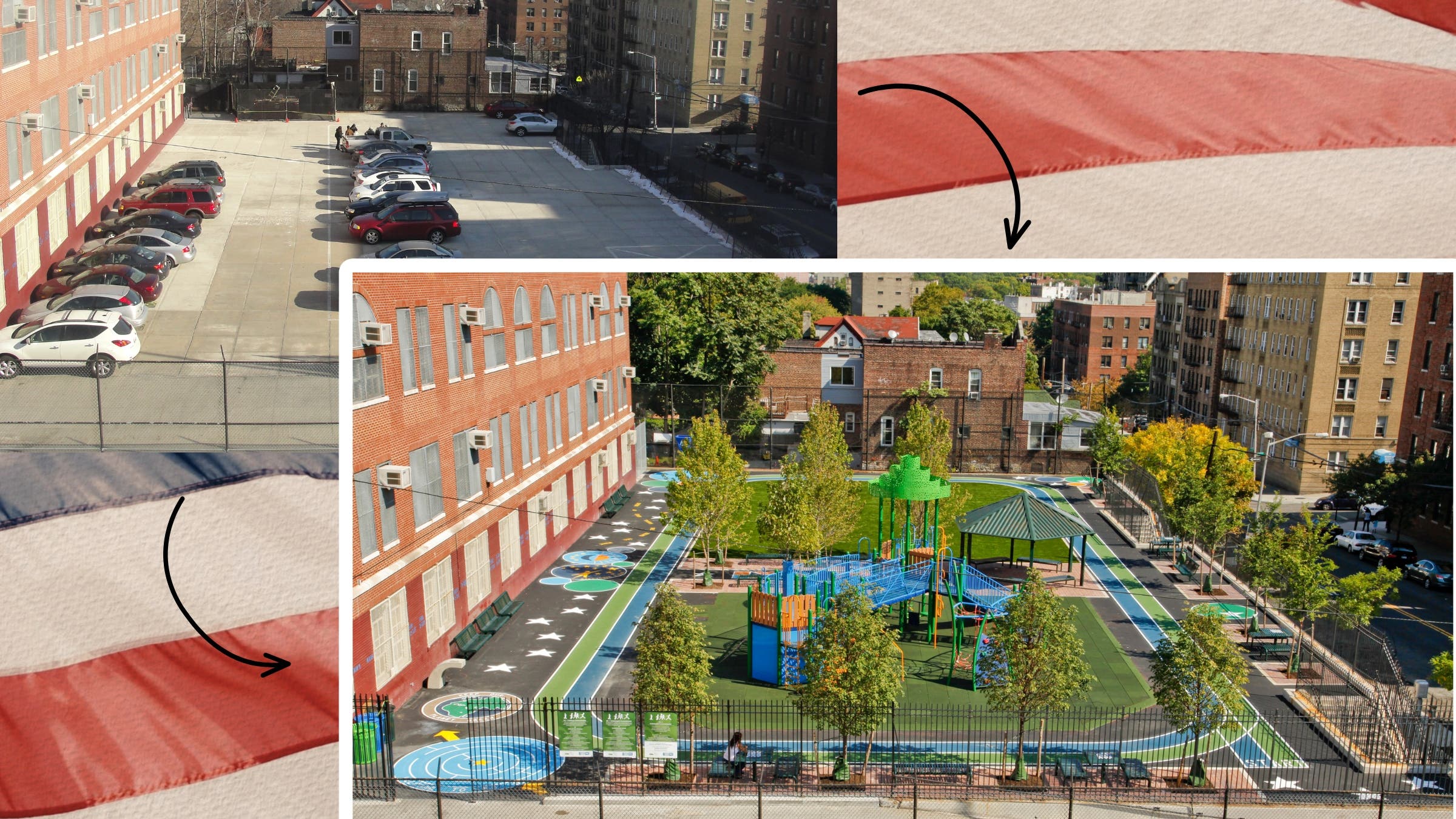
A national movement is swapping concrete playgrounds for ecosystems to ensure every child has nature within reach.
Georgia’s Ocmulgee Mounds and the Race for Park Number 64
By Sheeka Sanahori
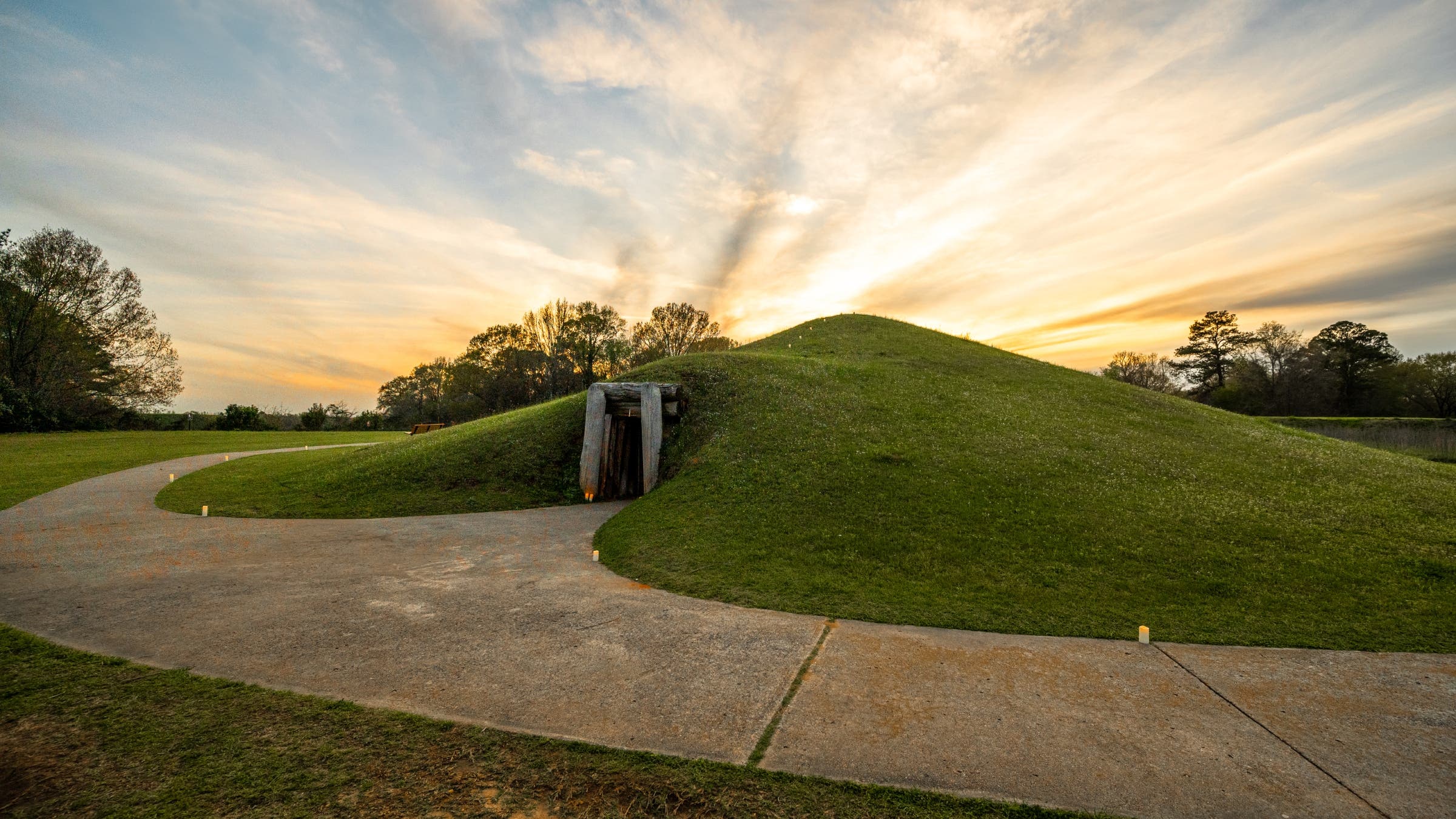
And 65, and beyond. From the ceremonial earth lodges of Georgia’s Ocmulgee Mounds to the rugged peaks of Maine’s Katahdin, America’s landscape could be on the verge of a historic expansion.
This article is from the Summer 2026 issue of Outside magazine. To receive the print magazine, become an Outside+ member here.
