

Published June 9, 2026 09:45AM
Overview: Water shoes are built to get wet—and keep performing when they do. They drain fast, dry quickly, and grip slick surfaces that would send a hiking boot sliding. After testing 25 pairs across 12 bodies of water, our top picks are the Astral Brewer 3.0 (best water sneaker), the Bedrock Cairn Evo 3D Pro (best water sandal), and the Salomon Solamphibian (best for hiking to water).
Whether you’re scrambling through slick alpine streams or chasing shade on a lazy river, the right water shoes can make or break the mission. The best pairs are equal parts amphibious and all-terrain: grippy, breathable, quick-drying, and unbothered by a little sand in the seams.
Today’s water shoes cover serious ground. Technical river sandals lock your foot in place for whitewater and rocky portages. Trail-to-water hybrids handle miles of wet singletrack before you ever touch the put-in. Casual water shoes and closed-toe sandals move seamlessly from the beach to the bar. Deck boots keep your feet warm and protected in cold, fast-moving water. And dedicated wading boots give fly fishers the ankle support and grip they need to work a river for hours. There’s a right shoe for every kind of water activity—and the wrong one will remind you of that fact pretty quickly.
Our crew of water-loving testers, ranging from professional river guides to weekend water warriors, put 25 shoes and sandals through the wringer. From high alpine lakes to technical whitewater, over rocky portages and sandy put-ins, here’s what held up when the rubber hit the river rock.
Best Water Shoes and Sandals: At a Glance
Honorable Mentions
Best Water Sandals
Bedrock Cairn Evo 3D PRO Sandals
Size Range: Women’s 6 – 15 & Men’s 5 – 14
Comfort Rating: 9/10
Traction Rating: 10/10
Pros and Cons
+ New footbed design enhances comfort
+ Three adjustable straps for dialed-in fit across foot shapes
+ Exceptional durability with resole program for extended life
+ Seamless transition from technical water activities to casual wear
– No half sizes available
– Minimal protection compared to closed-toe options
The Bedrock Cairn Evo 3D Pro returns as our top water sandal pick, and the 2026 version brings one meaningful upgrade: a significantly more cushioned footbed that adds softness and support without touching the technical performance that made the original a favorite among river guides and weekend warriors alike.
“The new footbed is much more comfortable — this is exactly what I was hoping Bedrock would come up with,” said one tester of the updated Evo C footbed.

Everything else that made these sandals legendary remains intact. The three-point adjustable strap system delivers that dialed-in fit across rocky river scrambles and casual lakeside hangs. The open-toe design sheds water and dries fast. And the crossover appeal is still unmatched — these are sandals you can wear from Class III rapids straight to dinner without looking like you’re still geared up.
“I had rafting guests asking me about my shoes all trip,” said one veteran river guide. “I couldn’t recommend them enough.”
The Vibram outsoles are built to last years of hard use, and when they finally do wear down, Bedrock’s resole program means you extend the life of the sandal instead of tossing it.
One fit note: Bedrocks don’t come in half sizes, so consider sizing up. But for water lovers who want one sandal that’s comfortable, handles technical terrain, and looks good doing it, the updated Cairn Evo 3D PRO is hard to beat.
Runner Up: Astral Webber Sandals ($80)
The Webber brings Astral’s signature grip to a sandal that works just as well at the coffee shop as it does on the river. “They have a casual look with an outdoorsy feel,” said our tester, who wore them through long days in town and at the riverbank. The recycled canvas and webbing drain quickly, and the footbed stays comfortable without going squishy after submersion. The one caveat: the non-adjustable heel strap allows some internal foot slippage on unstable terrain. Great for leisurely river days and casual wear, but not when you need a locked-in fit.
Best Water Sneaker
Astral Brewer 3.0
Size Range: Women’s 6 – 15 & Men’s 5 – 14
Comfort Rating: 9/10
Traction Rating: 8/10
Pros and Cons
+ Stylish sneaker design with excellent drainage
+ Comfortable for all-day wear
+ Works well with neoprene socks for cold water
– Runs small
– Durability concerns with heavy use
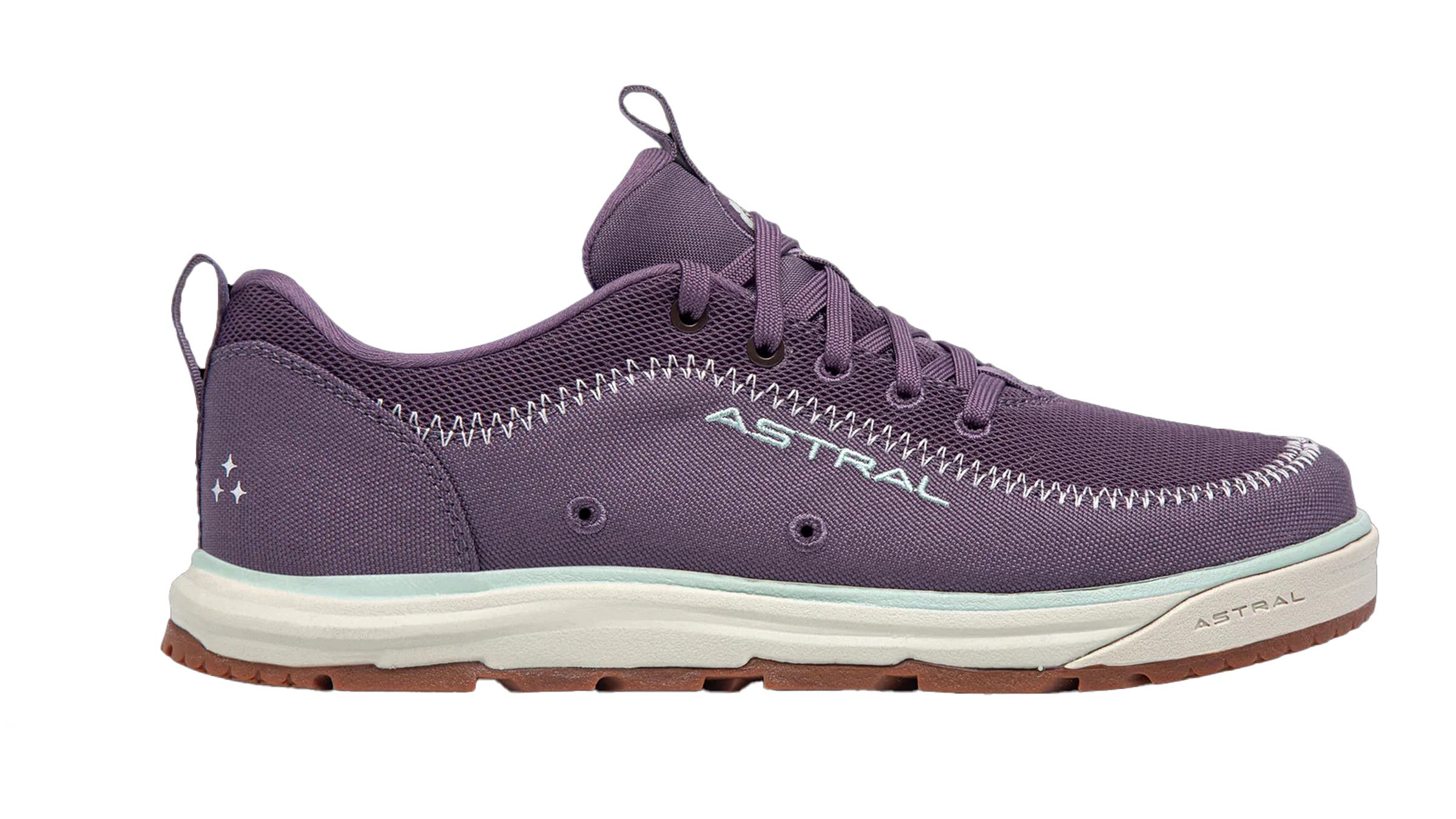
Testers named the Astral Brewer 3.0 the best water sneaker for the second year running, and for good reason. This shoe has stood the test of time among river guides, weekend paddlers, and anyone who needs a closed-toe option that handles serious water without looking like technical gear.
“The Astrals are classic. They look good, drain well, and are comfortable,” said one tester. The low-profile sneaker aesthetic gives them a streetwear edge most water shoes can’t pull off — without sacrificing grip, drainage, or comfort. They also fit great with neoprene socks for cold-water paddling, which not every water shoe can say.
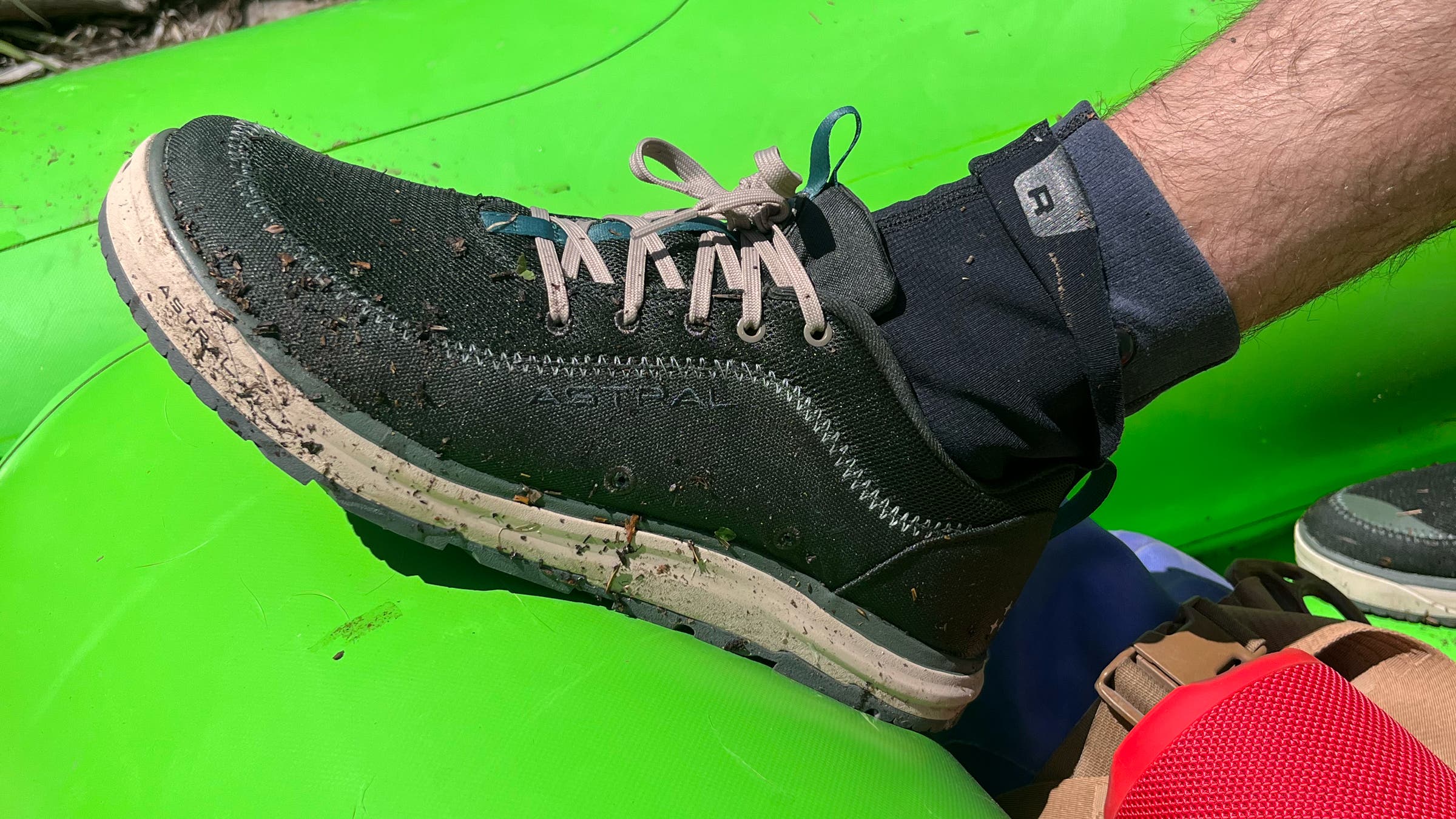
The super-sticky rubber outsole is built for wet, uneven surfaces, and the quick-dry canvas and breathable mesh upper kept our testers comfortable across everything from early-season runoff to hot sandy beaches. “Comfortable and trustworthy on variable terrain. Water drains well and they’re grippy on rocks,” said another tester, who ran them through Class III-IV whitewater.
The fit runs small, so size up, especially if you plan to wear them with neoprene socks or drysuits. And while durability emerged as a concern for guides putting them through daily abuse, most recreational users found them plenty robust for weekend adventures and occasional river trips.
For a water shoe that seamlessly transitions from technical rapids to post-float brewery hangs, the Brewer 3.0 remains the gold standard. Two years of testing have only confirmed it: these are the water sneakers to beat.
Runner Up: Danner Rivercomber ($140)
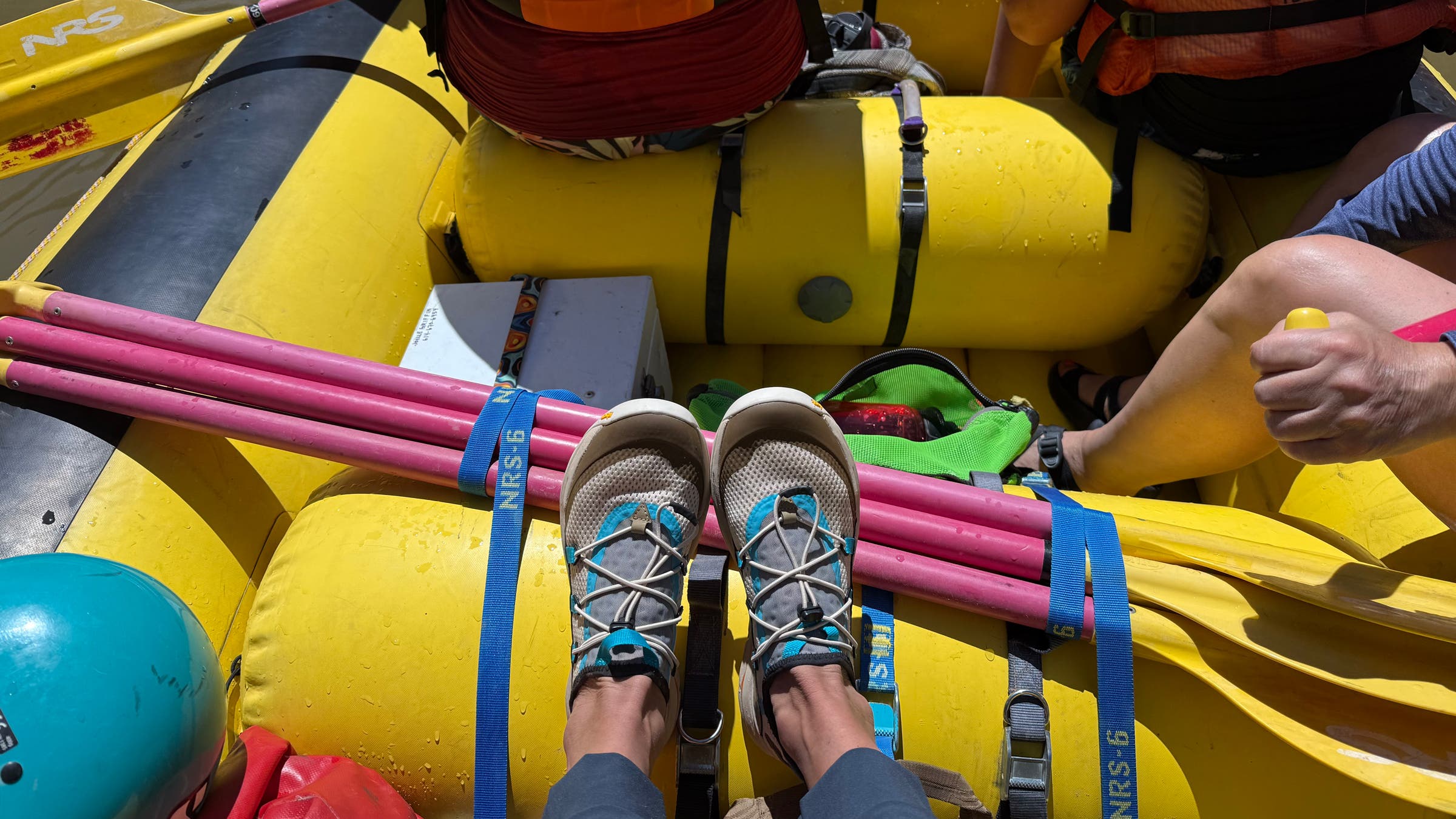
The Rivercomber impresses as a sharp-looking, all-around performer that nails the balance between style and function. The lightweight, quick-drying design provides solid traction on wet rocks without a profile that screams “technical footwear.” However, thought the snug slip-on design provides a secure fit around the ankle, these sneakers can be difficult to get on. But once you do, they deliver reliable performance and dry quickly. For recreational paddlers who prioritize style and don’t need an easy slip-on shoe, the Rivercomber is a solid choice that looks as good in town as it does on the water.
Best Hybrid Trail-Water Shoe
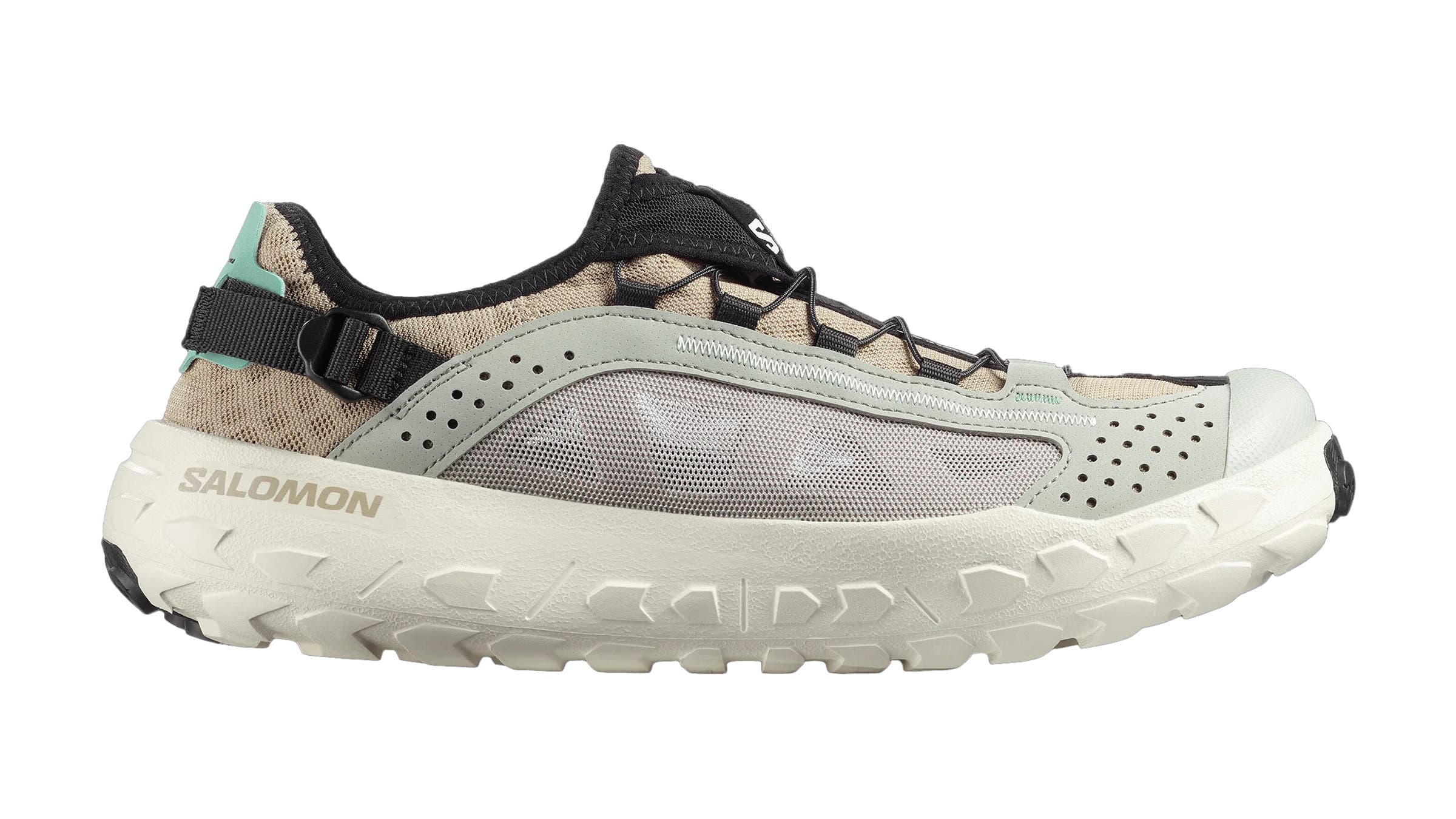
Salomon Solamphibian
Size Range: Women’s 5 – 11 & Men’s 7 – 14
Comfort Rating: 9/10
Traction Rating: 8/10
Pros and Cons
+ Exceptional versatility for summer adventures
+ Comfortable for both hiking on dry land and walking through water
+ Wide, secure sole feels stable on rocky terrain
+ Great for trail-to-water transitions
– Slower drainage
– Limited color options
If you’ve ever had to choose between water shoes and hiking shoes for a multi-terrain day, the Salomon Solamphibian is the answer. Whether you’re hiking to a river put-in or looping alpine lakes with stream crossings, these are built for days that start on dirt and end in water.
We tested them rafting and scrambling on the rocky banks of Colorado’s Gunnison River and hiking around high-altitude mountain lakes. The wide sole and cushioned midsole made them genuinely comfortable on land, while the wet-surface grip provided confident traction where it counted. The lacing system and adjustable heel strap keep your foot locked in across both terrain types.
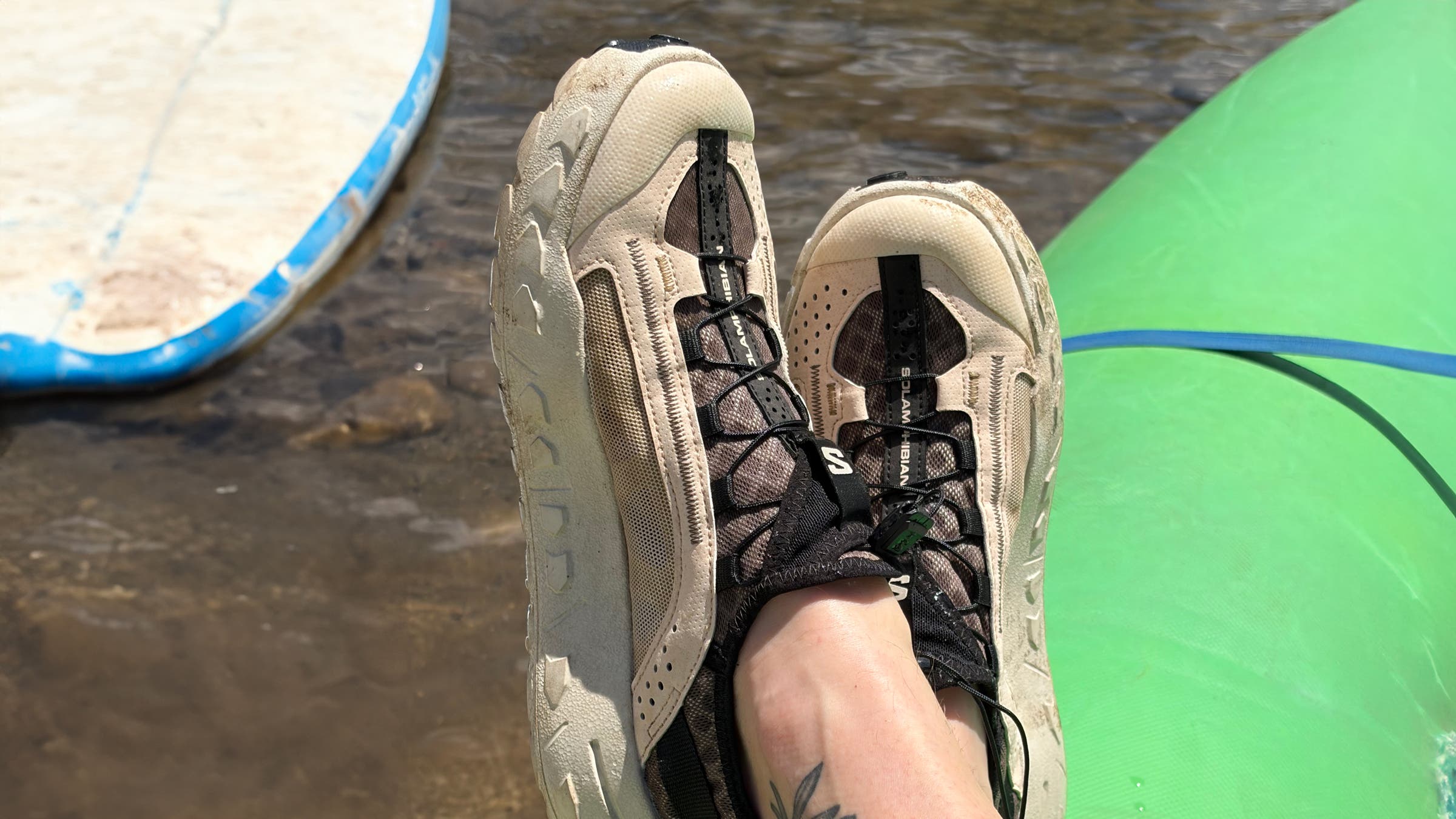
Most hybrid water shoes ask you to compromise somewhere. These don’t feel like a water shoe tolerating dirt — they feel like a trail runner that can handle a portage. The main tradeoff is drainage: the mesh dries slower than more open water shoe designs, which is worth planning around but not a dealbreaker for most use cases. And if you’re particular about aesthetics, note that color options are limited—and the cream colorway in the women’s line shows every speck of trail dust.
For multi-sport adventurers who don’t want to choose between two pairs of shoes, the Solamphibian makes a compelling case that you don’t have to.
Runner Up: Teva Hydratrek Fairwind Water Shoe ($100)
These slip-on water sneakers impressed our tester with their cushy sole and quick-draining design that flushes water without letting in larger pebbles. They held up well on side hikes and slippery rocks during a three-day Rio Chama paddleboard trip, though they struggled in deep muddy conditions where the slip-on design became a liability. A solid choice for paddlers and hikers who prioritize comfort and quick drainage, but not the move if your adventures require a locked-in fit.
Paid Advertisement by Xtratuf
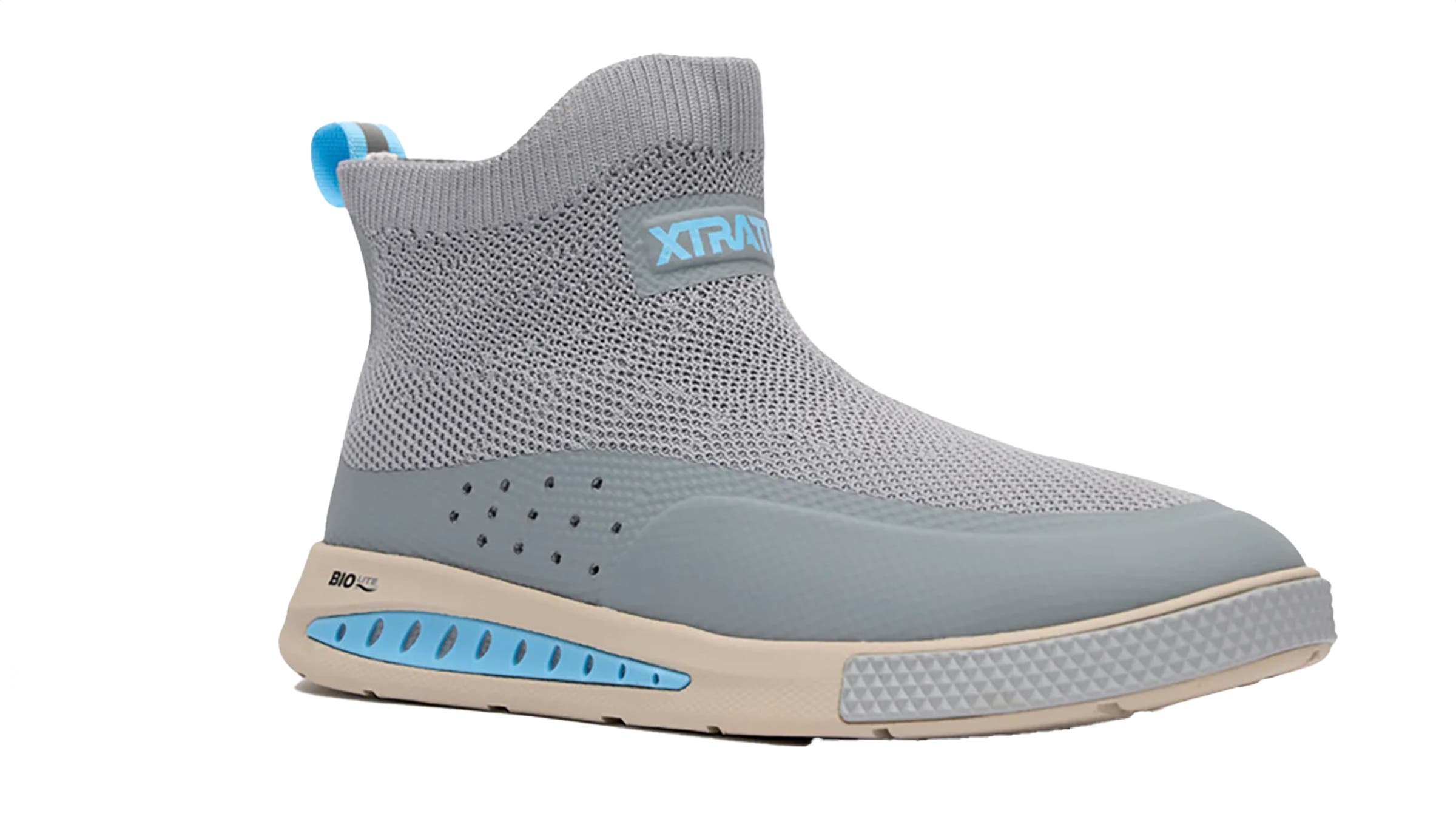
ADB Sport DriftTech
The ADB Sport DriftTech combines a slip-resistant, non-marking, and drainable BioLite outsole with a DriftTech engineered mesh upper that allows water to flow through the full boot. Breathable and drainable, while also featuring high abrasion overlays for added durability.
Best Casual Water Shoe
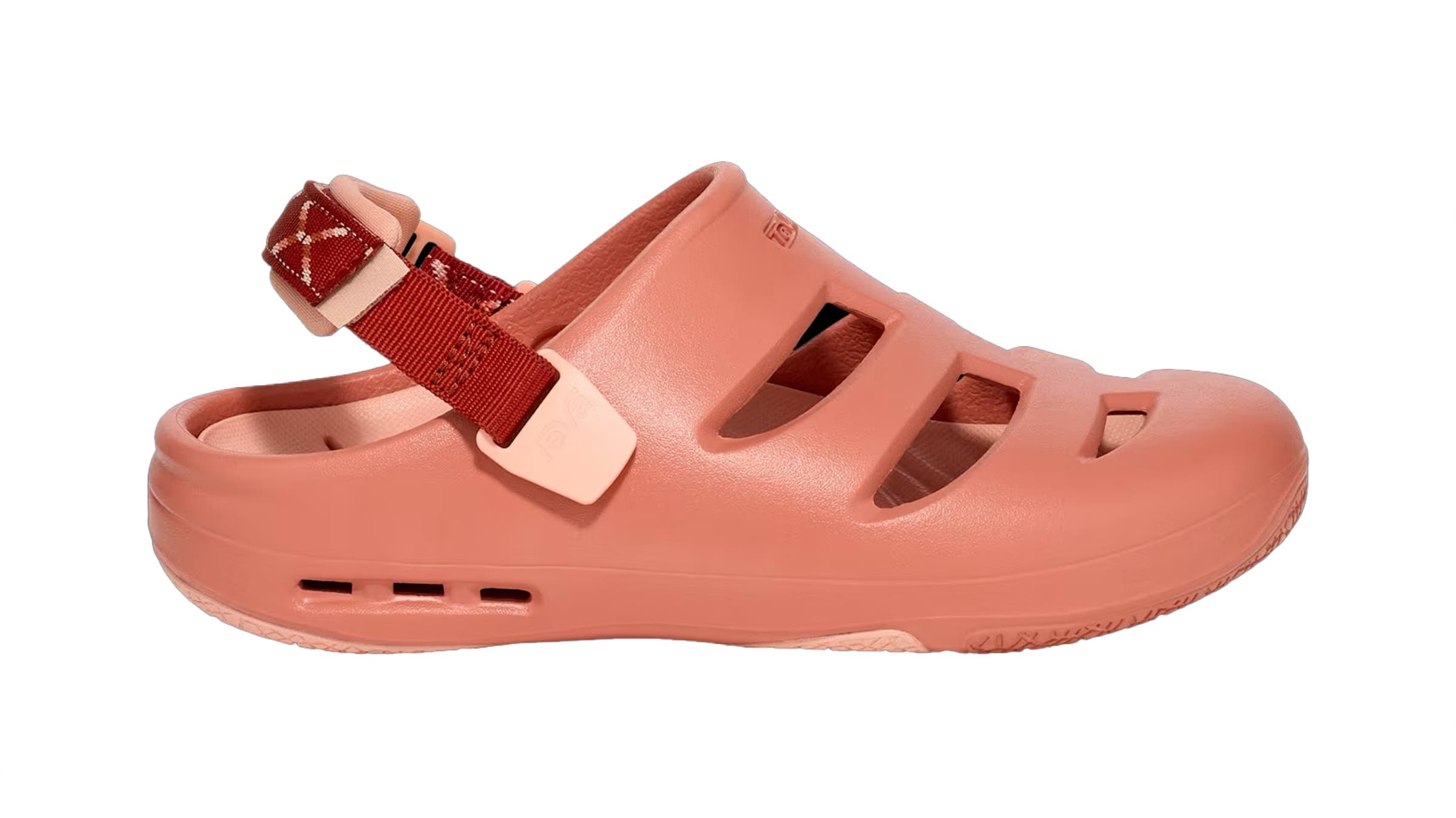
Teva ApreAqua Closed-Toe Water Sandal
Size Range: Women’s 5 – 16 & Men’s 3 – 14
Comfort Rating: 10/10
Traction Rating: 7/10
Pros and Cons
+ Adjustable heel strap
+ Fast draining and quick-drying material
+ Versatile design for multiple activities
+ Eccentric look
–Sizing runs small
The Teva ApreAqua Closed-Toe Water Sandal nails the sweet spot between casual water use and everyday life. These are the shoes that take you from morning dog walks to afternoon river floats to evening errands without asking you to change.
“I am living in these every day—they’re my new go-to shoe for leaving the house,” said one tester who wore them across slick rocky riverbanks, grassy trails, and paved sidewalks. If you’re the type to embrace socks-with-sandals, they pair well with wool socks on land and neoprene in the water.
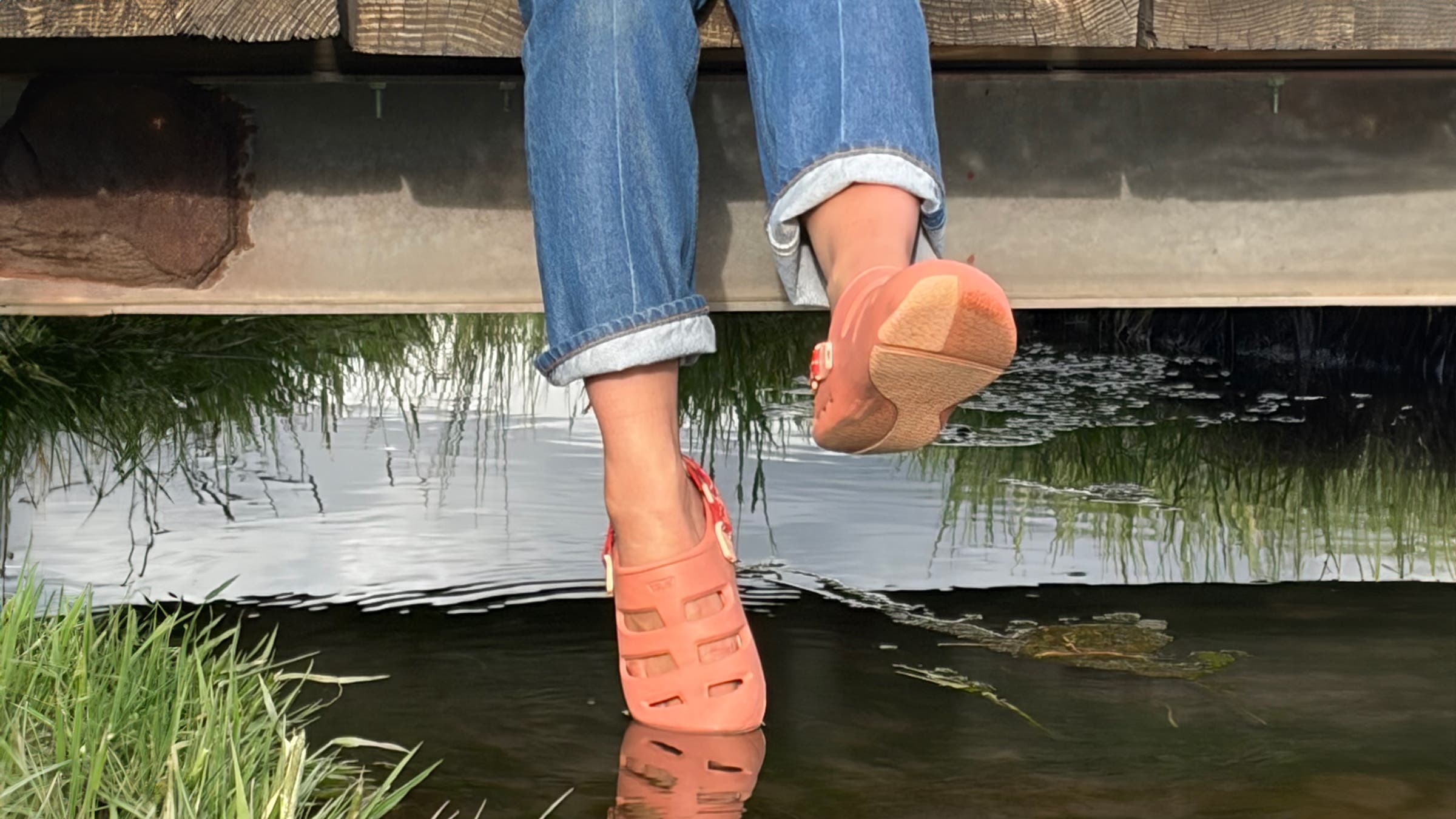
The adjustable heel strap toggles between sport mode for longer objectives and slipper mode for casual strolls, while the cushioned midsole and grippy outsole check both comfort and traction boxes. The styling is polarizing—our tester will be the first to admit it—but it’s also a reliable conversation starter. The shoe does run small, so we recommend sizing up.
For mountain town dwellers, casual paddlers, and anyone who wants a water-capable shoe they can actually live in, the ApreAqua is one of the more versatile pieces of footwear we tested.
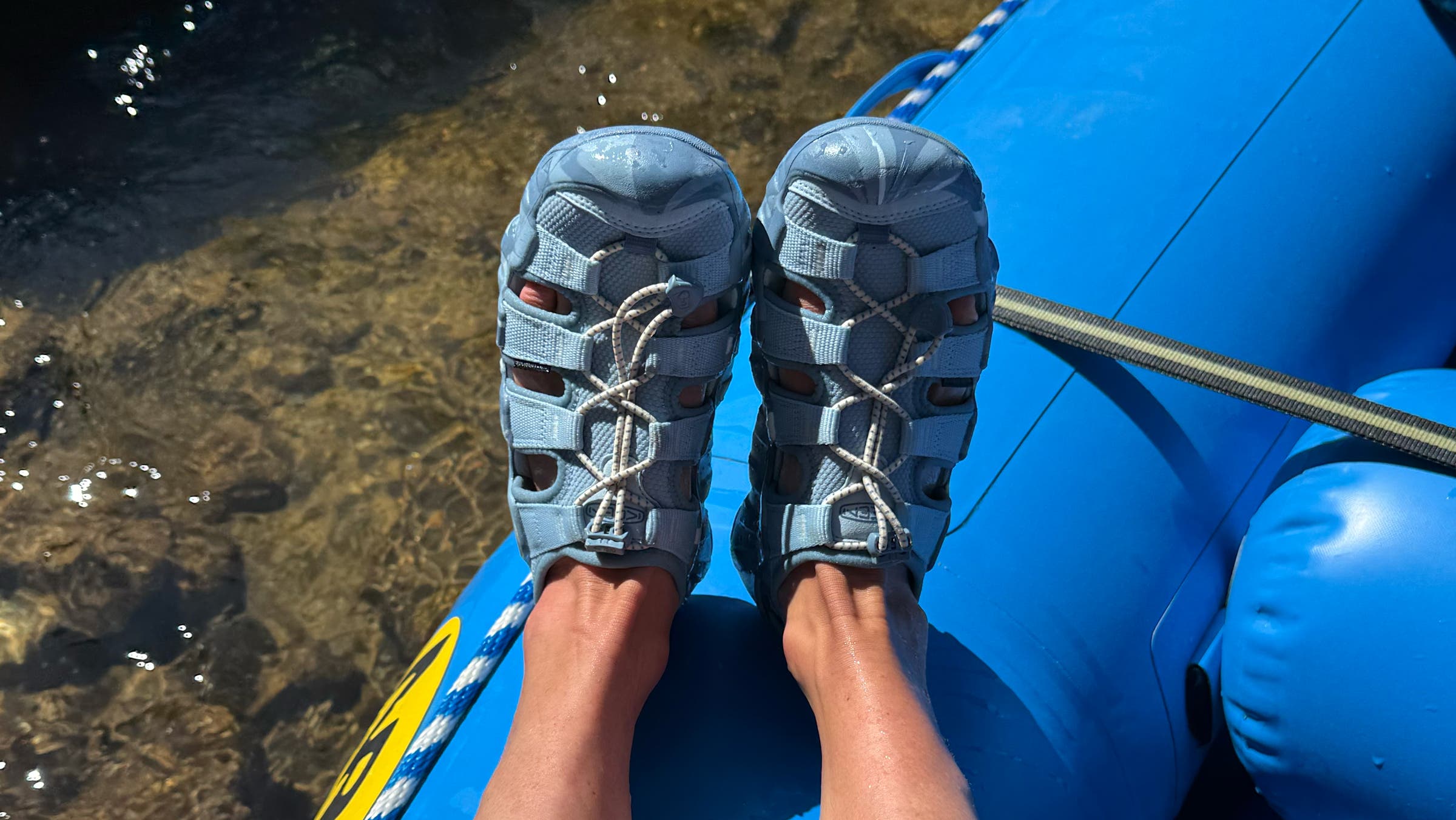
Runner Up: Keen Hyperport H2 Sandal ($120)
The Hyperport H2 returns as a solid choice for casual water activities, though it’s a better choice for those who prioritize comfort over real performance. The plush, injected foam midsole and breathable design with strategically placed cutouts deliver exceptional all-day comfort and quick drainage, perfect for lazy river floats and beachside lounging. Offering limited traction on wet rocks, they’re not our pick for activities requiring confident footing. But for water lovers who stick to casual outings, the Hyperport H2 is a cushy choice.
Best Water Boot
Xtratuf Hightide
Size Range: Men’s 7 – 14
Comfort Rating: 9/10
Traction Rating: 8/10
Pros and Cons
+ Lightweight design with excellent breathability
+ Quick drainage
+ Minimal slippage and stable on rocky terrain
– Limited arch support
– Not secure enough for technical activities
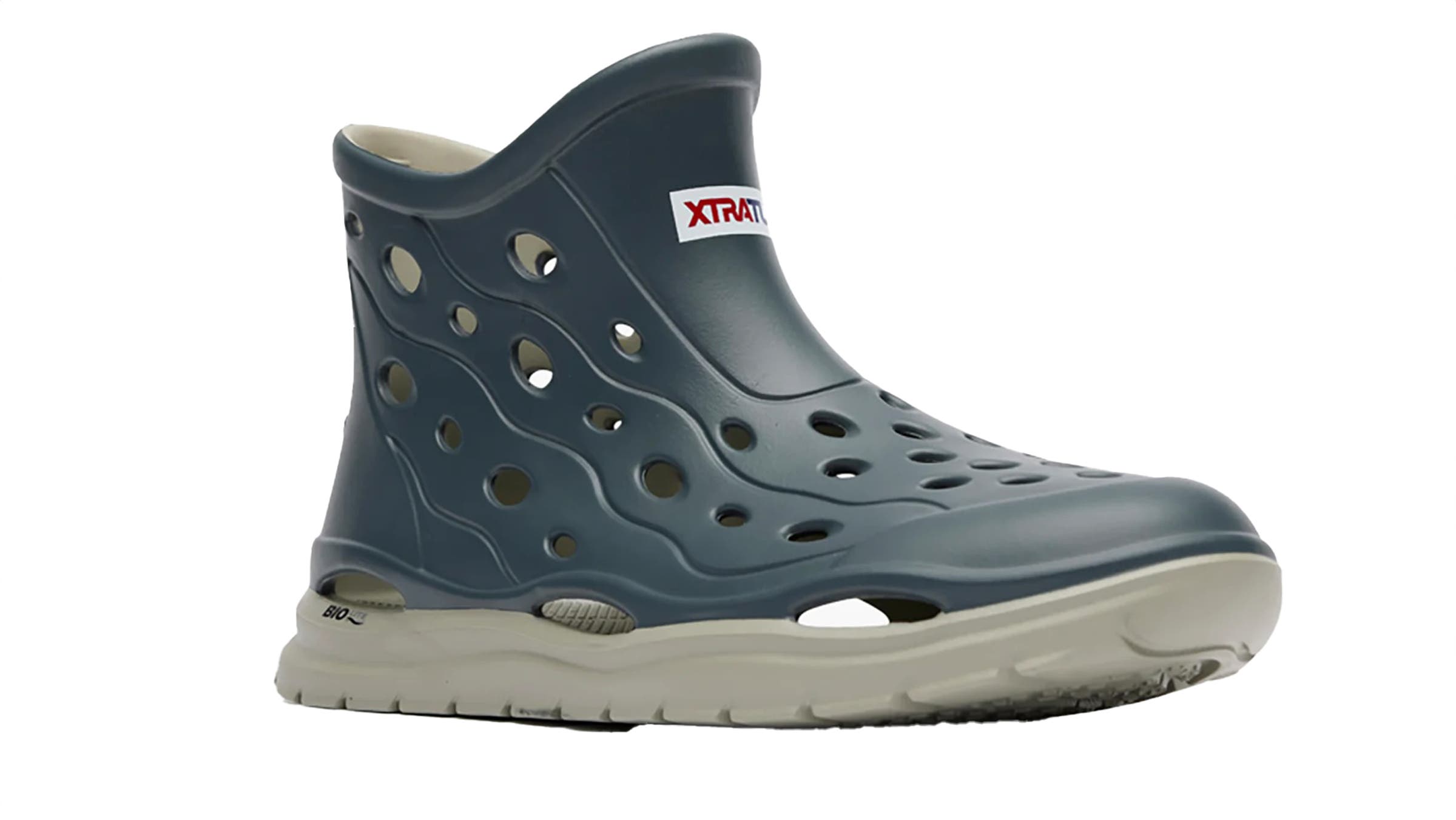
The Xtratuf Hightide fills a genuine niche in water footwear as a lightweight ankle boot that offers more coverage than a sandal without the bulk of a traditional hiking boot.
“They feel like ankle boot Crocs,” said our tester after putting them through their paces on the
banks of the Gunnison and Taylor Rivers. That’s meant as a compliment: the ankle coverage and support feel substantial, but the shoe itself is light and breathable enough for warm summer days. Drainage holes throughout the upper shed water instantly, and the perforated design keeps things cool when the sun is out. “They breathe very well — my damp socks dried inside of them,” our tester reported. The wide, stable sole inspires confidence on rocky terrain, making these a natural fit for stream crossings, rocky shorelines, and casual hiking where you want ankle protection without committing to a full boot.
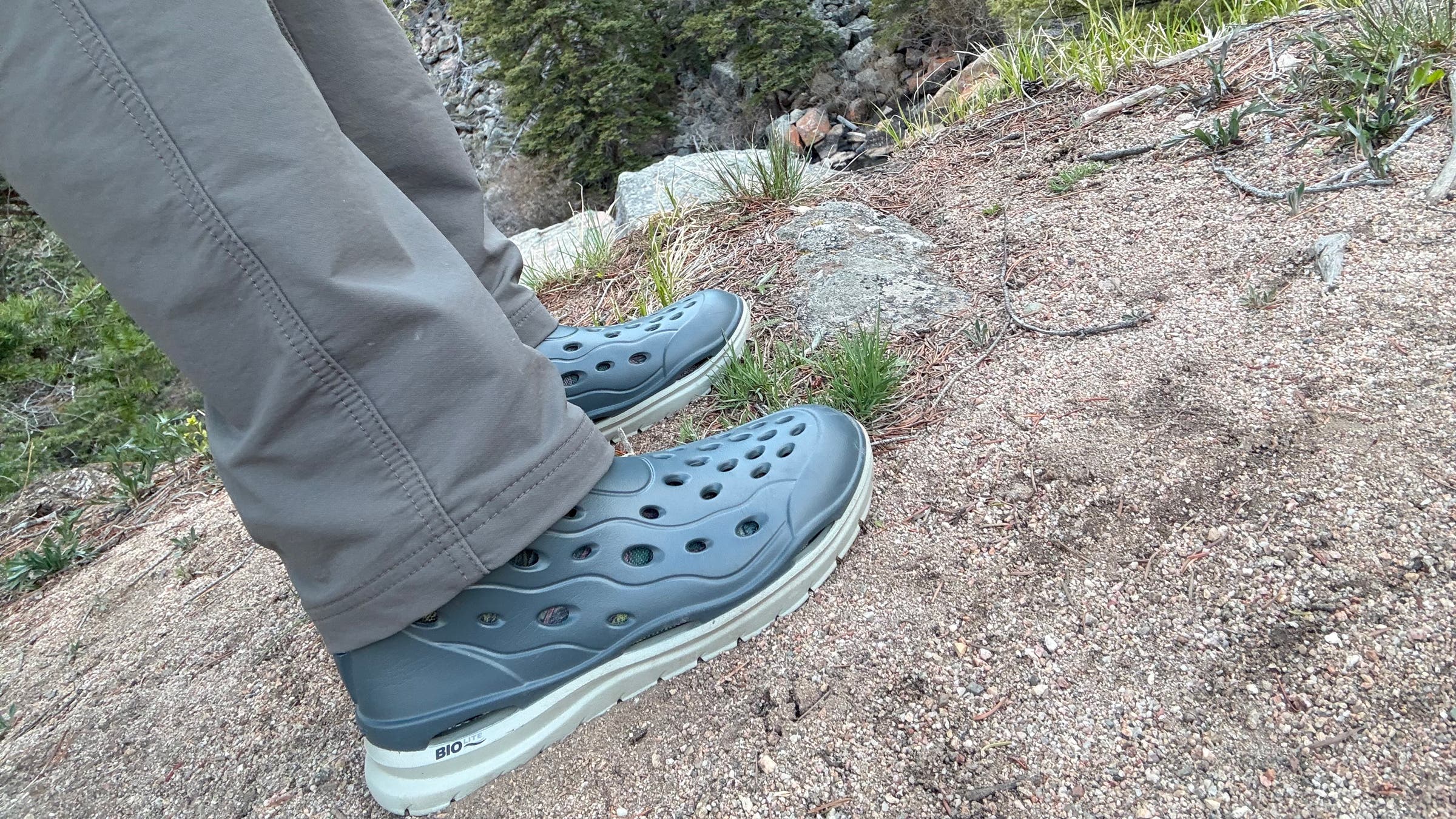
The simple design comes with a tradeoff: no arch support and no adjustable straps make these a tough sell for longer hikes or technical water activities. But for casual summer adventurers who want lightweight ankle coverage that can handle water, trails, and most things in between, the Hightide delivers.
Runner Up: Simms Access Wading Boot ($300)
No water shoe guide is complete without a fishing nod, so we couldn’t wait to get the Simms Access Wading Boot on our feet. Built with a dual-compound Vibram outsole using Simms’ proprietary G.O.A.T. (Grip On Aquatic Terrain) construction, they deliver serious traction on slippery river rocks, with the durability and stability to handle technical rocky terrain and swift currents.Built for serious wading and fishing adventures, we don’t recommend these for casual water play or post-river town strolls. But for anglers, guides, or anyone who needs maximum grip and protection in moving water, these wading boots are the gold standard.
Best Water Shoes and Sandals: Comparison Chart
Frequently Asked Questions
What are water shoes?
Water shoes are footwear built to get wet — and keep performing when they do. Unlike waterproof shoes, which try to keep water out, water shoes are designed to drain fast, dry quickly, and grip slick surfaces like river rocks and wet shorelines. They range from open-toe technical sandals and closed-toe water sneakers to ankle boots and dedicated wading boots, each suited to different water environments and activity levels. The right pair depends on what you’re doing: a river guide running Class III rapids needs something different than a casual paddler floating a lazy river or a fly fisher working a mountain stream.
What’s the difference between waterproof shoes and water shoes?
Waterproof shoes are designed to keep water out, using materials like Gore-Tex or other water-resistant membranes. Great for rainy hikes or slushy streets, but once they’re wet on the inside? Game over.
Water shoes, on the other hand, are built to get wet. They’re designed for traction on slick rocks, protection from sharp riverbeds, and fast drainage when you’re in and out of the water. Whether you’re paddleboarding, scrambling along a rocky shoreline, or hopping off the raft for a side hike, water shoes are designed to dry quickly, shed debris, and keep you on your feet.
How should water shoes fit?
A good water shoe should fit snug. Too loose and you’ll be slipping around inside the shoe. Too tight and you’ll regret it halfway through a portage. If you’re wearing them barefoot in warm weather, look for a true-to-size fit with just enough room up front to wiggle your toes. For colder water or shoulder seasons, you’ll want to size up slightly to accommodate neoprene socks or liners. Keep in mind that some models stretch a bit once wet, and others don’t give at all. Materials like mesh or knit tend to mold to your foot over time, while burlier rubberized options stay rigid.
Should I wear socks with water shoes?
It depends on where you’re headed and how long you’re out. For quick dips, mellow floats, or SUP laps around the lake, barefoot works just fine. But if you’re clocking longer hours on the river, hiking to remote put-ins, or dealing with colder water, socks start to make a big difference. Neoprene socks are the go-to for chilly conditions because they add warmth without sacrificing too much dexterity. For warmer weather, lightweight wool or synthetic socks can help prevent blisters and cut down on that soggy-foot friction. Just remember, if you’re planning to wear socks, especially bulkier neoprene ones, size up accordingly.
Can I wear water shoes for hiking?
You can, but not all water shoes are built the same, and not all trails are forgiving. Some models are purpose-built for water: lightweight, minimal, and made to drain fast which are great for water and rocky riverbanks, but not the best choice for grinding out miles with a heavy pack.
Others are true hybrids: beefier soles, more foot support, and enough structure to handle light hiking, side trails, or hauling gear to and from the put-in. If you’re fishing or wading, look for options with low profiles and stealthy tread. For SUPing, lightweight and grippy is key. Whitewater? You want something that won’t come off mid-swim and protects your toes.
So yes, water shoes can multitask, but the right pick depends on how, and where, you plan to roam.
Are water shoes worth it?
Sure, you can wear your old running shoes on the water, but you’ll probably regret it by lunchtime. Water shoes are designed specifically for wet, uneven terrain. They drain fast, grip slippery surfaces, and dry out quickly. No sloshing around hours after you’ve left the water. In our opinion, they’re worth it. Once you try a real water shoe, you’ll wonder why you ever lugged a soaked pair of sneakers up a canyon in the first place.
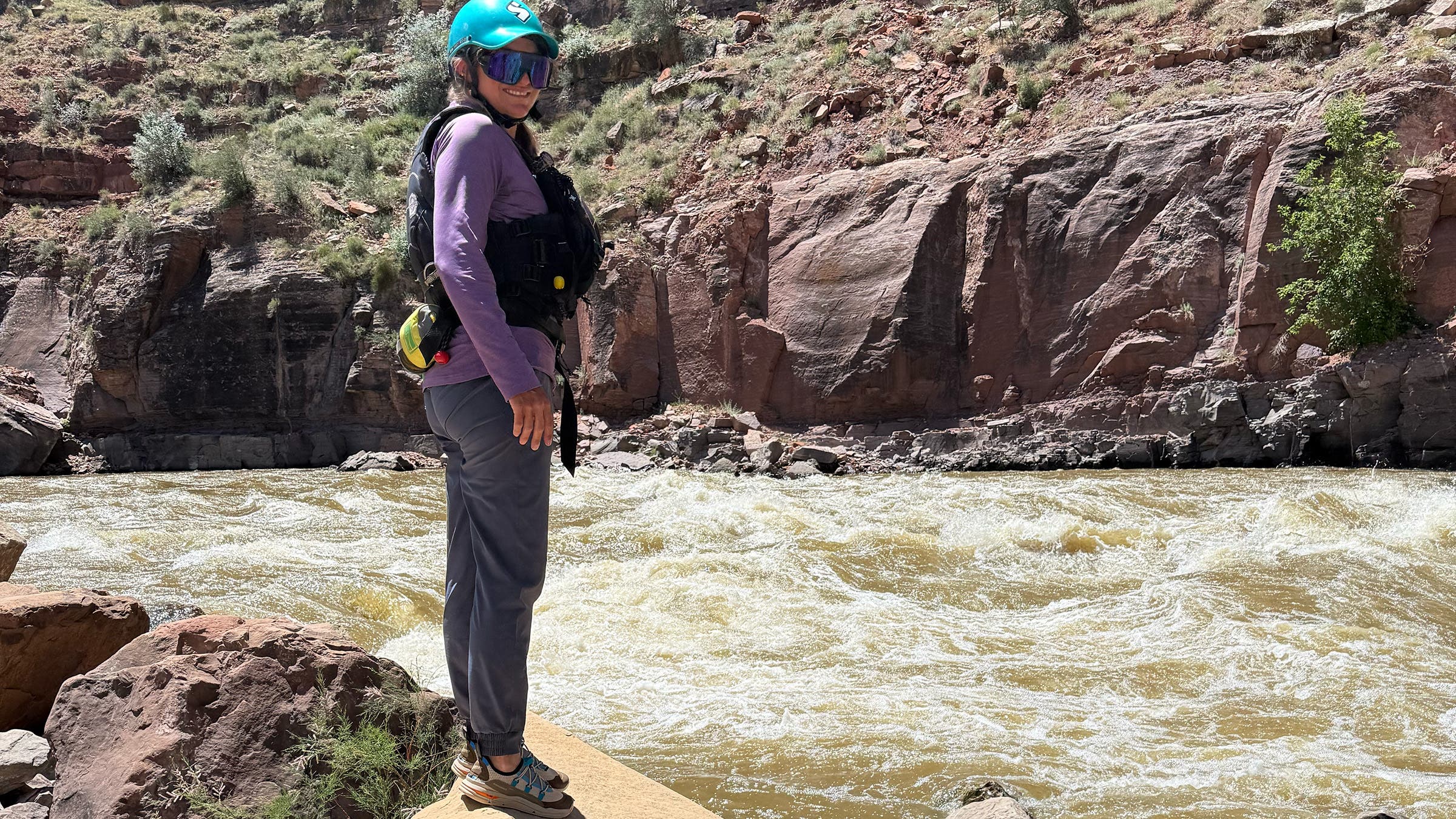
How We Test Water Shoes & Water Sandals
- Number of testers: 8
- Number of products tested: 25
- Bodies of water tested in: 12
Our testers ranged from professional whitewater guides to weekend river warriors—people who play in and around water every day and know what works and what doesn’t. Over several months, we put this year’s crop of water shoes through their paces from the flows of the Rio Chama to the headwaters of the Colorado, with side trips to alpine lakes and icy headwater streams around the Rockies.
We tested each pair in the scenarios that actually matter: scrambling over mossy riverbank boulders, scouting rapids, balancing on SUP boards, and hiking into remote put-ins. We wore them through long days on Class III whitewater and walks around town for post-river brews. We focused on the fundamentals: grip on slick rocks (nobody wants an unplanned swim), drainage after full submersion, all-day comfort, and durability under real river abuse. We paid close attention to how each shoe handled dry land, too, because the best water shoes shouldn’t leave you sloshing around town.
Beyond pure performance, we looked at the details that matter in the field: how easy they are to slip on when your hands are full of gear, whether they stay put when you’re swimming, and whether you’d actually want to wear them off the river. Because the best water shoe is the one you keep reaching for—whether you’re headed out on a multi-day mission or a float around the neighborhood lake.
Meet Our Lead Tester
Skylar Kraatz is a writer, gear tester, and amphibious enthusiast based in Crested Butte, Colorado. She’s guided rivers across Southwest Colorado, from the Dolores to the San Miguel, and has twice ventured down the Big Ditch (aka the Grand Canyon). When she’s not on the river, you’ll find her exploring alpine lakes in the high country. Her work has appeared in Outside, SKI, Warren Miller, and beyond.
