

Published July 24, 2026 05:00AM
After years (and miles) of wade fishing, I’ve always wanted my own kayak but could never quite figure out how to practically store one. Living in an apartment in upstate New York means I simply don’t have the space to stash a hard-shell boat. Add in the hassle of buying a trailer or a roof rack just to get it to the water, and owning a kayak has always been like a down-the-line dream.
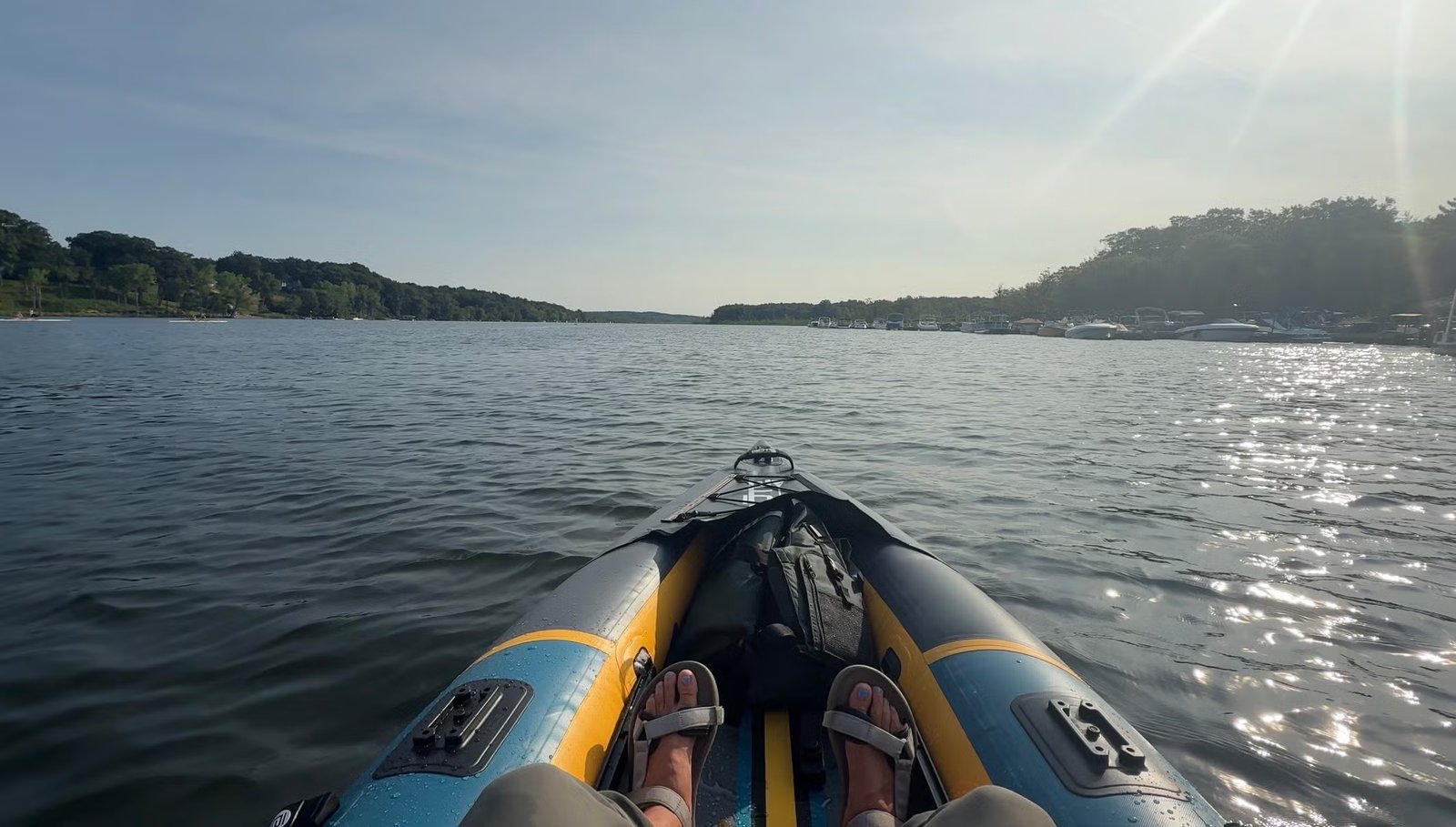
Sure, inflatable fishing kayaks have existed, but I’ve always been skeptical. For years, they carried the reputation of being soft, couch-y, and one fish hook away from disaster. But the category has evolved, and Bote’s new Argo Aero—the brand’s first dedicated inflatable fishing kayak—promised the stability and fishability of a hard shell, without the headache of actually owning one. After taking it out on the water, I found myself forgetting that it was inflatable at all.
Bote Argo Aero Single Kayak
Capacity: 675 pounds
Inflated weight: 33 lbs
In-bag weight: 67.4 pounds
Pros
+ Packs into a rolling bag—no roof rack, trailer, or garage required
+ Lightweight and easy to transport solo
+ Elevated frame seat is comfortable and an easier casting angle
+ Generous accessory kit includes paddle, pump, seat, fin, repair kit, and bag
+ Feels surprisingly close to a hard-shell on calm water
+ Easier to inflate by hand than other inflatable water vessels
Cons
– Doesn’t paddle as quickly or efficiently as a hard-shell, especially in wind
– Rod holders and attachments need to be purchased separately
– $1,499 can be cost-prohibitive
Who it’s for: Anglers who want the performance of a fishing kayak without the hassle of owning one
Setup Is Surprisingly Painless
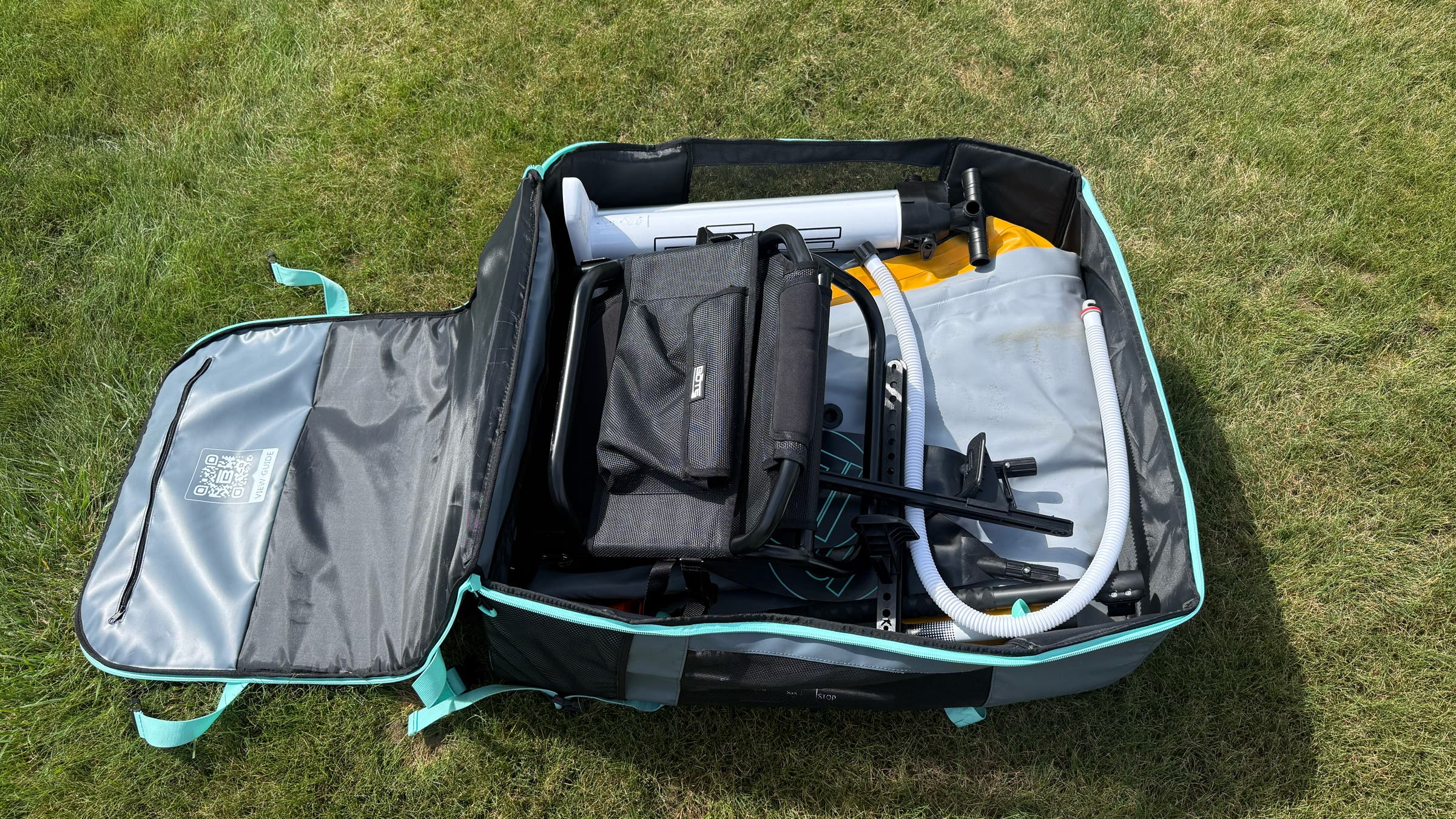
The biggest advantage of an inflatable kayak is obvious before it ever touches the water. Instead of wrestling a 100-pound boat onto my roof, the Argo Aero comes neatly folded in an included rolling travel bag that fits in my Subaru’s trunk. In the bag, the Solo model and its accessories weigh 67 pounds (the 15-foot Tandem comes in at 84 pounds), making it dramatically easier to move than most hard-shell fishing kayaks.
But as someone who has owned inflatable paddleboards for years—including a few from Bote—I was fully expecting the inflation process to be the worst part. Pumping a SUP to 12-plus PSI always devolves into a sweaty mess, so much so that I’ve since defaulted to using an electric pump that plugs into my car to save myself the misery.
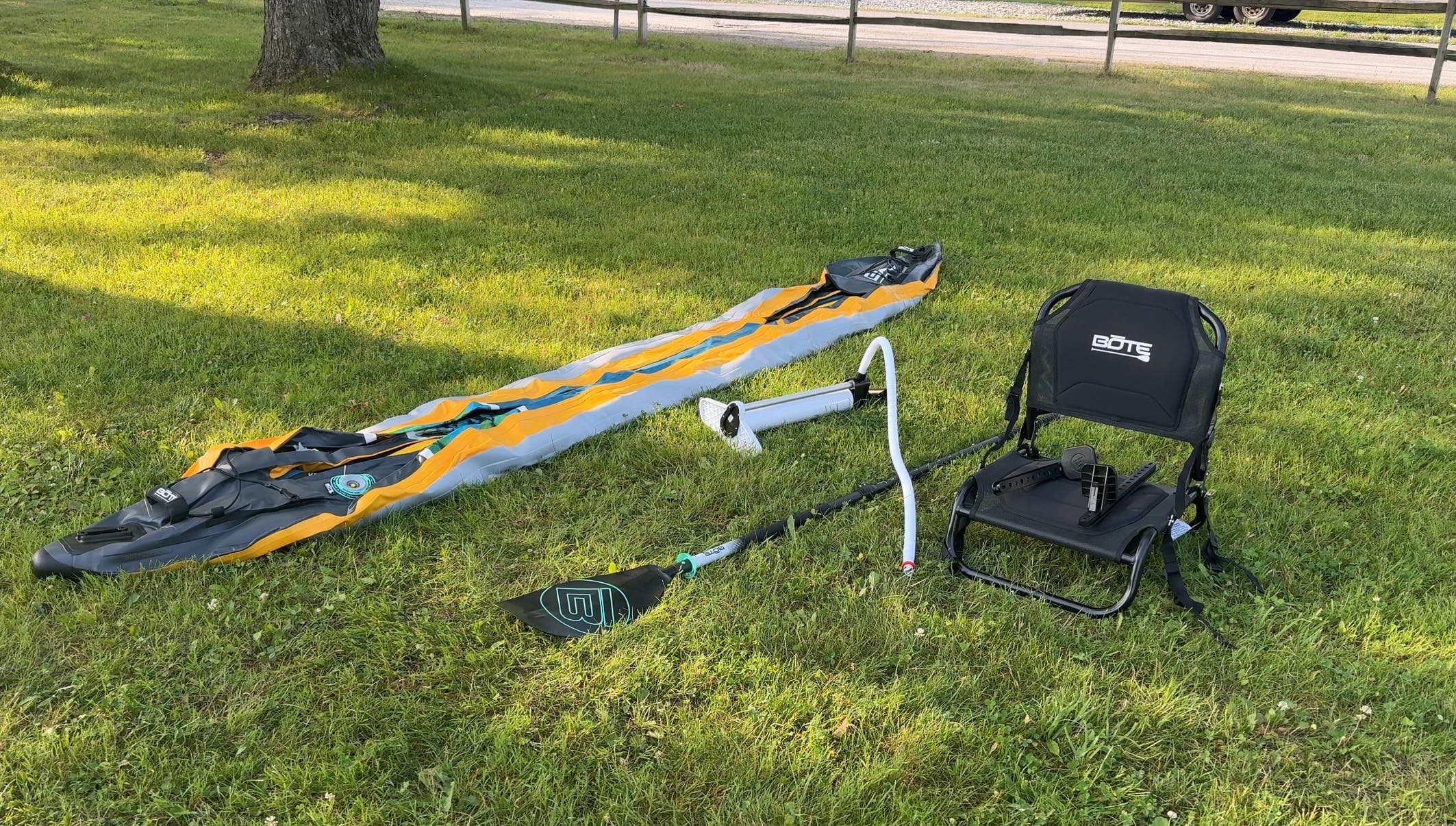
Shockingly, the Argo Aero doesn’t require that much sweat at all. The side pontoons only need 2 to 3 PSI, and the floor inflates to 6 to 8 PSI, so I had the whole thing ready to launch by hand in about 8 minutes. It’s the first inflatable watercraft I’ve used where the setup didn’t make me want to skip the paddle altogether.
Once inflated, setup was straightforward: I attached the elevated Solis Frame Seat (included), assembled the included five-piece paddle, and slid in the adjustable footrests. I grabbed my rod, gear bag, and PFD, of course, hopped in, and shoved off from shore. The whole process took me around 20 minutes to hit the water—considerably less time than I thought it would for my maiden voyage.
It Doesn’t Feel Inflatable
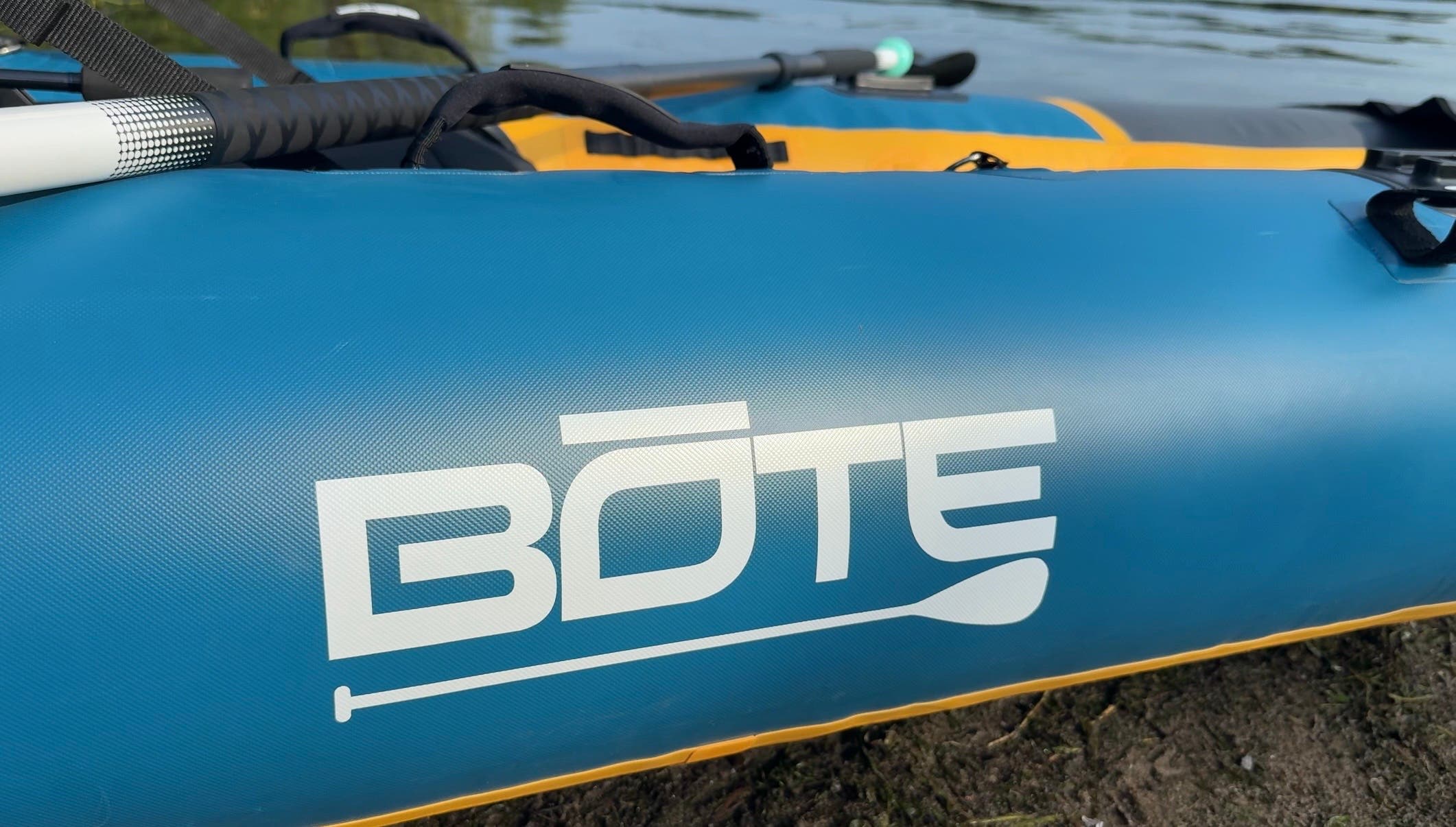
This is where I expected the Argo Aero to lose me, but it didn’t. The 41-inch-wide pontoon-style hull makes for a stable platform. I never felt that wobbly sensation that some kayaks—and many inflatables—can have. I was also impressed by its ample, “real” boat-like features, including bungee tie-downs, lash points, and even scuppers in the bottom of the hull designed to self-bail in rocky water. Bote also borrowed a few thoughtful touches from its paddleboard lineup, like MagnePod magnetic compatibility that keeps your water bottle or tumbler from sliding around, plus Rac receivers for quickly mounting accessories like rod holders, camera mounts, and other gear without resorting to a bunch of DIY rigging.
On the water, the Argo Aero tracked surprisingly well. Most inflatable kayaks, and even some paddleboards, “wag” from side to side when you paddle instead of holding a steady line. The Argo Aero didn’t, especially when outfitted with the removable fin. Now, it doesn’t paddle with quite the same efficiency or speed as a composite touring kayak, but that’s not what this boat is trying to be. I got fairly blown around in windy conditions only because of the lightness of the hull. But on calm days on my local lake, I forgot it was inflatable within the first few minutes.
Built for Fishing, Not Just Floating
The standout feature is the Solis Frame Seat, which sits a bit higher on the deck than other seats on fishing kayaks. That elevated position improves visibility into the water and gives you a much better casting angle than the low, reclined seats found on many recreational kayaks. It also makes spending several hours on the water way more comfortable.
Casting a spin rod from a seated position felt natural, and I had no hesitation leaning over the side or behind me to grab gear. Standing up to cast felt surprisingly stable, too, as the pontoon sides provided something to anchor my feet against. Bote also included plenty of thoughtful rigging points for accessories, dry bags, and gear, so the kayak feels customizable without becoming cluttered.
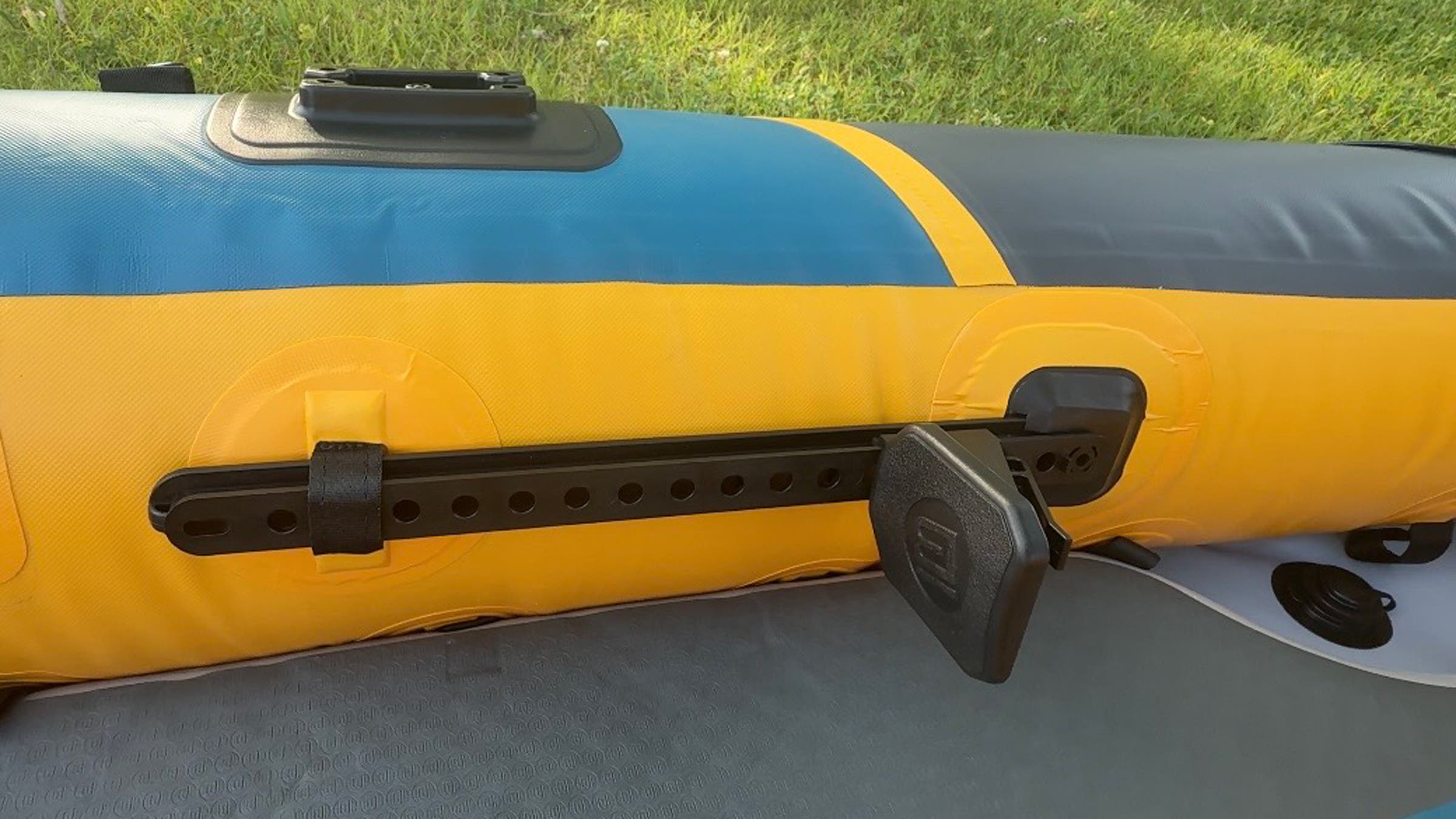
After testing the kayak for about a month, I definitely recommend buying a rod holder. The first day I took my Argo Aero out, I forgot my Slide-In Rac Receivers from my Bote paddleboard that I’ve had for a few seasons. I got away with laying my spin rod down behind me with the butt of the rod underneath my seat, but I prefer to have a secure place for my gear, and now I always bring the Racs with me. Still, throughout that first paddle, I shifted my weight while reaching for tackle, changing lures, and repositioning my rod, and I never felt unsettled or like my rod would fall out.
The Verdict
At $1,499, the Argo Aero isn’t inexpensive. In fact, you can find budget hard-shell fishing kayaks for a similar price. The difference is that those kayaks also require somewhere to store them and a way to transport them—and even then, they don’t include some of the extras (the paddle, bag, foot rests, etc.) that the Argo Aero does.
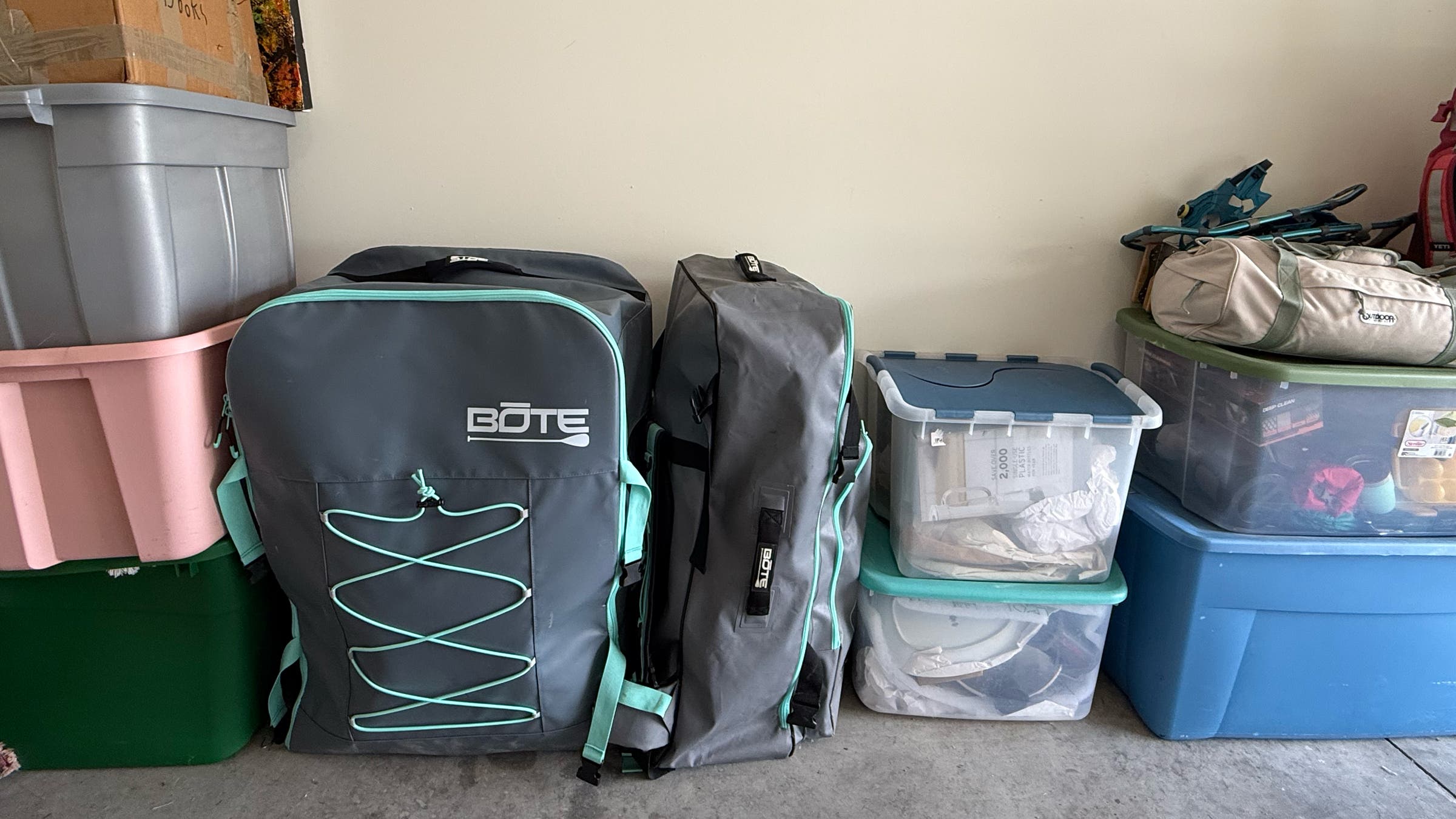
Will the Argo Aero replace a premium fishing kayak? No. Dedicated anglers who spend every weekend chasing fish in salt water or choppy conditions will probably still appreciate the speed and rigidity of a premium hard-shell. And while the Argo Aero is compatible with a wide range of Bote accessories, it doesn’t come built-out to fish, so you’ll need to purchase rod holders separately, which can be expensive ($30-$250 depending on which Rac systems you go with). But if you’ve avoided kayak fishing because you don’t have a garage or trailer (or you’ve simply gotten tired of wrestling one around) the Argo Aero makes a remarkably convincing argument that inflatable kayaks are way better than they used to be.
