

Published June 10, 2026 03:30AM
Jessica Moerman, an evangelical preacher based in Washington D.C., believes it’s the duty of everyone to care for the Earth. Ray Gaesser, a farmer from Corning, Iowa believes the health of the planet impacts his livelihood. Benji Backer, a 28-year-old conservation activist, believes that protecting the environment is the most important issue facing his generation.
Moerman, Gaesser, and Backer are all political conservatives who also promote conservation, environmental protection, and climate activism. The three play a central role in a new documentary The (Conserv)atives by filmmaker Nadia Gill, which explores the intersection between right-wing politics and conservation.
“These Republicans have something to share,” Gill told Outside.
Gill told Outside that the idea came from a conversation with a Republican friend about how environmental protection had become a polarizing political topic. Policies to curb the emission of greenhouse gasses were largely backed by Democrats, as were bills aimed at preserving land for conservation and recreation.
During the 2020 presidential race, Gill asked herself how conservationists could reach Republican voters, when party leaders had turned their backs on the issue.
Conservatives can care about climate change and the environment, Gill says, and conservative activists who care about conservation have the power to convince their peers. But reaching Republican voters takes effort, she says. and that work revolves around building connections and showing people how conservation fits into their existing worldview.
This idea is the central thesis of The (Conserv)atives, which premiered at the Environmental Film Festival in Washington D.C. in March, and will soon embark on a screening tour through communities throughout the country.
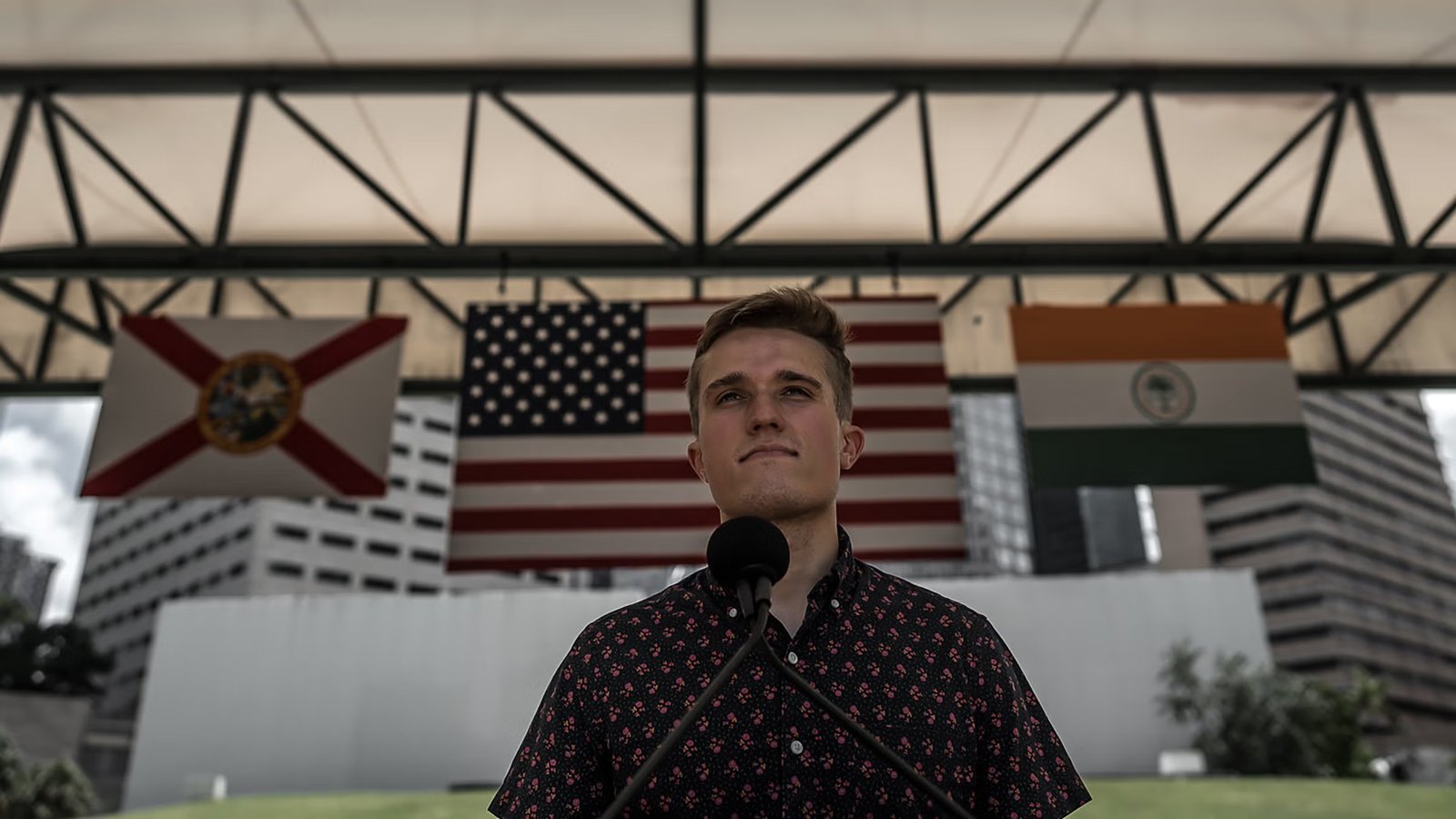
In the film, Gill and co-director Dominic Gill follow four conservative leaders who are also climate activists in the run-up to the 2024 election: Moerman, Gaesser, Backer, and Miami Mayor Francis Suarez.
“If I went and looked for people who had the same worldview, who were trying to communicate this message, would we find from them ways of speaking and talking about the issue that resonated?” she wondered.
For some of the film’s subjects, the documentary follows their personal transformation. Suarez dubs himself a ”different kind of Republican” early in the film, as he promotes tech industry growth in Miami while trying to address how climate is impacting his city. Backer, on the other hand, grapples with his political identity as the party he called home fails to address conservation head-on.
“The environment comes before ‘conservative’ for me,” he says.
Why Right-Wing Voters Choose Conservation
Backer, the youngest of the film’s subjects, has been involved in conservative politics since childhood, when he begged his parents to help him campaign for then-presidential candidate John McCain.
He founded the American Conservation Coalition in college upon realizing there were no conservative environmental groups on campus.
In the film, Backer says that his Gen Z cohort believes climate change is real. After witnessing polarization in his own party drive leaders away from meaningful change, he founded the Nature is Nonpartisan nonprofit to encourage solutions across party lines.
He, Gaesser, and Moerman don’t believe conservation contradicts their long-standing political values. And as they advocate for conservation in their own circles, their messaging centers around showing their peers how.
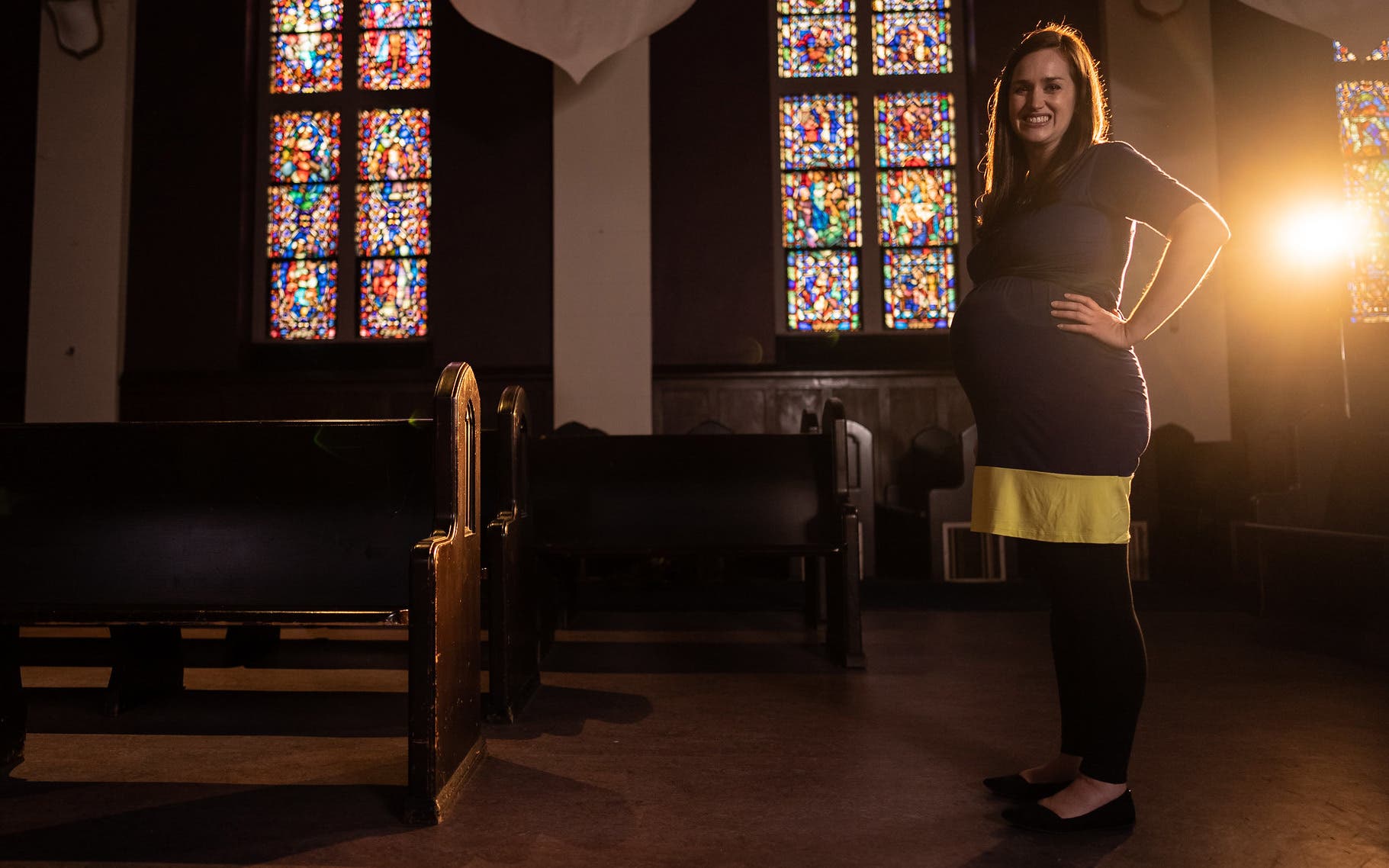
“We don’t need to adopt new values to care about this,” Moerman told Outside.
In addition to being a preacher, she holds a Ph.D. in Earth and Atmospheric Sciences from Georgia Tech, and her resume includes research positions at Johns Hopkins University, University of Michigan, and the Smithsonian National Museum of Natural History.
To her, the choice to study science was “an overflow from teachings from the faith,” which she further puts into action as president and CEO of the Evangelical Environmental Network.
The Bible, she believes, calls Christians not just to protect creation, but to give special care to the most vulnerable of God’s people. And the poor, homeless, elderly, sick, and stewards of the land are often the first to feel the impacts of climate change.
Gaesser, an Iowa-based farmer, falls into the latter category and recalls years when he thought his farm would go under due to a bad harvest. Now, he’s dedicated to researching and promoting sustainable agricultural practices that are better for the land and the people who work it.
He’s now a board member for Solutions from the Land, which champions policies that support sustainable agriculture, and has served in various roles for trade organizations like the American Soybean Association and the North American Climate Smart Agriculture Alliance.
“Farmers learn from other farmers,” he said. And while he knows some of his peers are skeptical about the science of climate change, when he shows them a more effective way to manage their crops, the knowledge has an impact.
Embracing the Paradox
As filming wrapped up and Trump was elected, Gill said the election result validated the idea that “we have to do this work.”
The environment is facing a plethora of threats, and she believes it’s essential to get everyone on board with defending it.
She cautions left-leaning conservationists not to write off Republican neighbors, noting even if they voted a certain way due to other priorities, they can still get behind conservation. But, reaching them takes a change in what she calls “tone and tenor.”
“People are not going to leave their entire worldview behind because they care about the environment,” she said. And even if there is truth in it, she said, arguments that lead with language Republicans take as anti-capitalist or anti-Christian will fall on deaf ears among the audience they need to reach.
“Don’t talk about abstract large things,” she said. “You talk about what matters to somebody: their local plot of land, their neighborhood, the mountain in their backyard.”
She encourages starting small, noting this includes advocating for climate-friendly policies with representatives at all levels of government. She views the federal government as broken and says that while political change can happen, it will have to come from people coming together to reach their politicians.
Importantly, Moerman noted, this doesn’t mean shying away from big issues like the need to move away from fossil fuels or the disproportionate impact of climate change on vulnerable communities across the world. It just means framing them differently, and starting that conversation from a point of connection.
After all, these very points do address major conservationist ideals like intersectionality and unchecked capitalism, just using other words.
“By meeting people where they’re at, understanding where conservatives, people of faith, would care, and then connecting with them on that, that is going to lead to having more people in the movement,” she says.
