

Published June 23, 2026 10:05AM
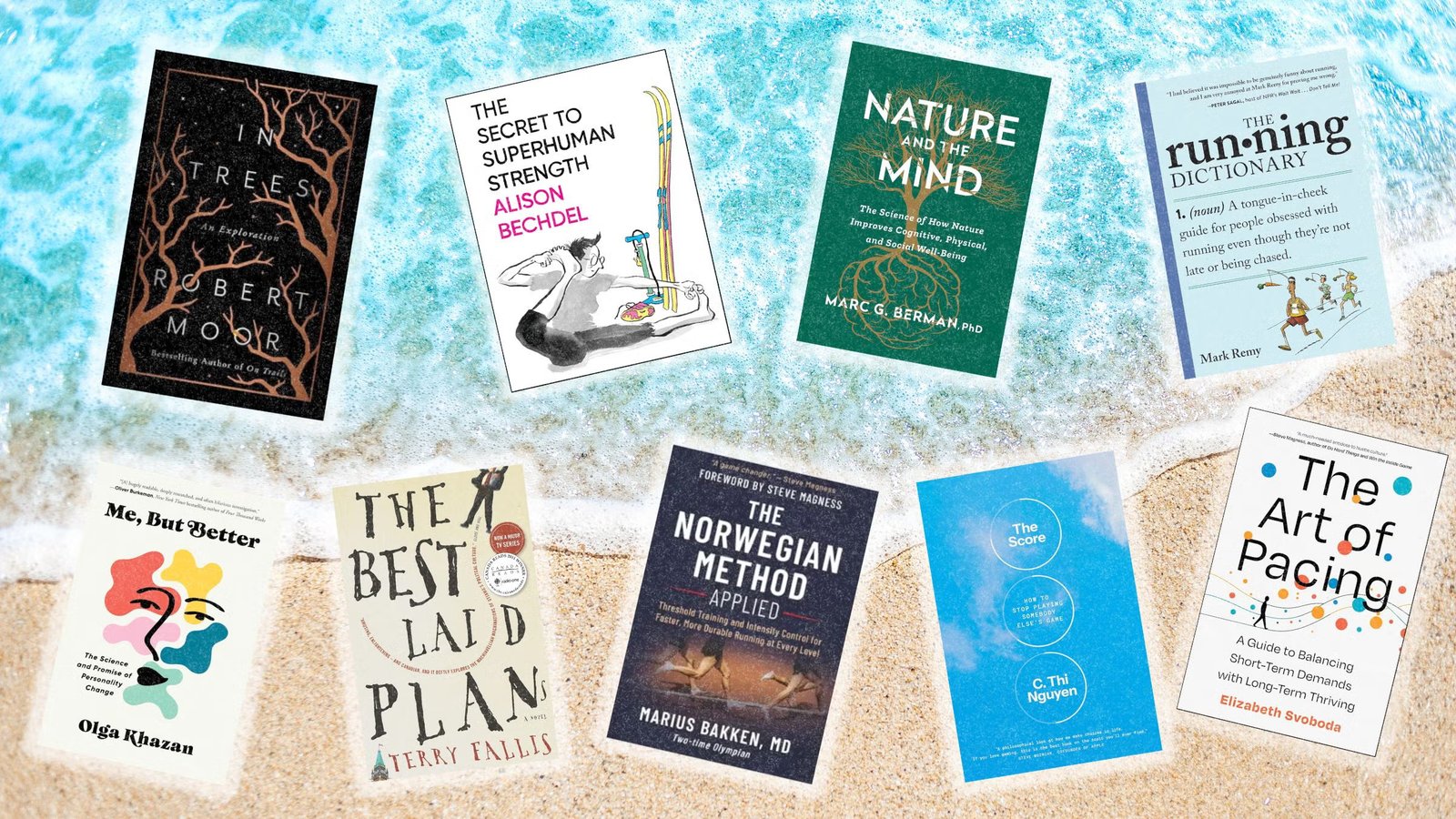
When I was a kid, we used to spend part of the summer at my grandparents’ cabin in northern Saskatchewan. It was truly rustic: forget TV, it didn’t even have plumbing. My mum would pack a suitcase full of books on long-term loan from the public library for my brother and me, and we would spend hours in the hammock on the reedy shores of Emma Lake.
My own kids are just starting their two-month summer holidays, which to them seems like an eternity. There’s a lot I miss about that amazing feeling of endless childhood summer, but one small aspect of it that I can sort of recapture is the determination to spend some looong daylight hours—prime working time!—lost in a book while gently rocking in a hammock. Here are some of the titles I’ve enjoyed recently, in case you have the same dream.
In Trees, by Robert Moor
A decade ago, Moor wrote a fascinating and hard-to-classify book called On Trails that had a huge impact on me. This is his long-awaited follow-up, a meditation on trees rather than trails. It’s not about trees, in the sense that it’s not a compendium of fascinating facts about the evolution and natural history of trees (though you’ll pick some up along the way). Instead, it’s about the idea of trees—branching, gnarling, rooting, and so on—and what that might look like in other contexts, like living a human life or organizing a society. If you haven’t read On Trails, I’d suggest starting there, to get inside Moor’s head and figure out whether you like it there.
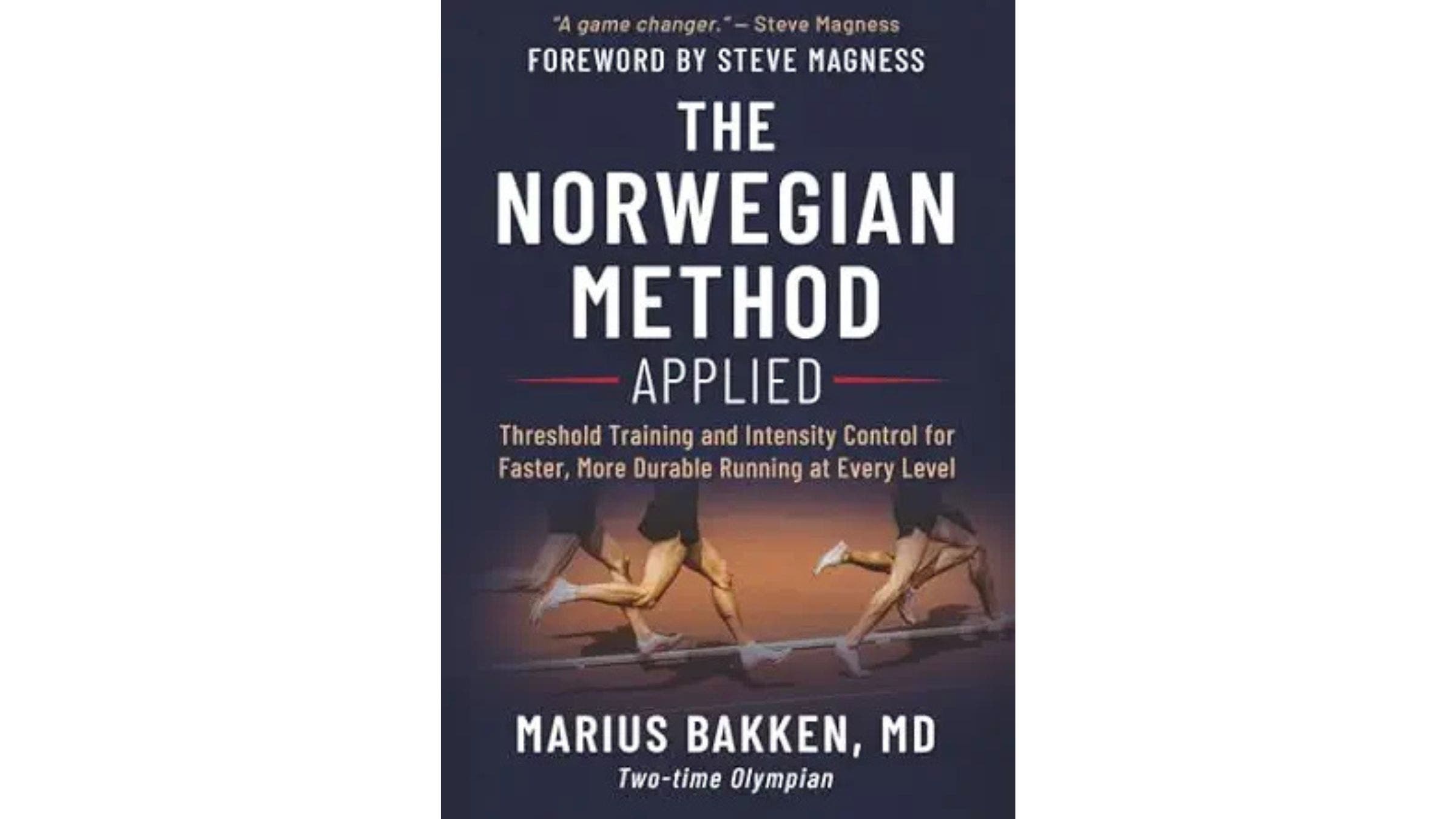
The Norwegian Method Applied, by Marius Bakken
If ever a running training book could be described as “much anticipated” and “long awaited,” this is the one. Everyone in the endurance world (including me) has been yammering away about lactate testing and double-threshold workouts and so on for the last few years. Marius Bakken is the guy who developed and formalized the training structure we now think of the “Norwegian method,” as implemented by track stars like Jakob Ingebrigtsen. Bakken’s goal is to get us to understand the rationale and philosophy of the training approach, rather than simply have us ape specific workouts or weekly schedules. The surprise to me was how important he thinks managing muscle tone and elasticity is, as opposed to simply ramping up VO2 max and lactate threshold. Even for readers skeptical of training fads, there’s lots to think about here.
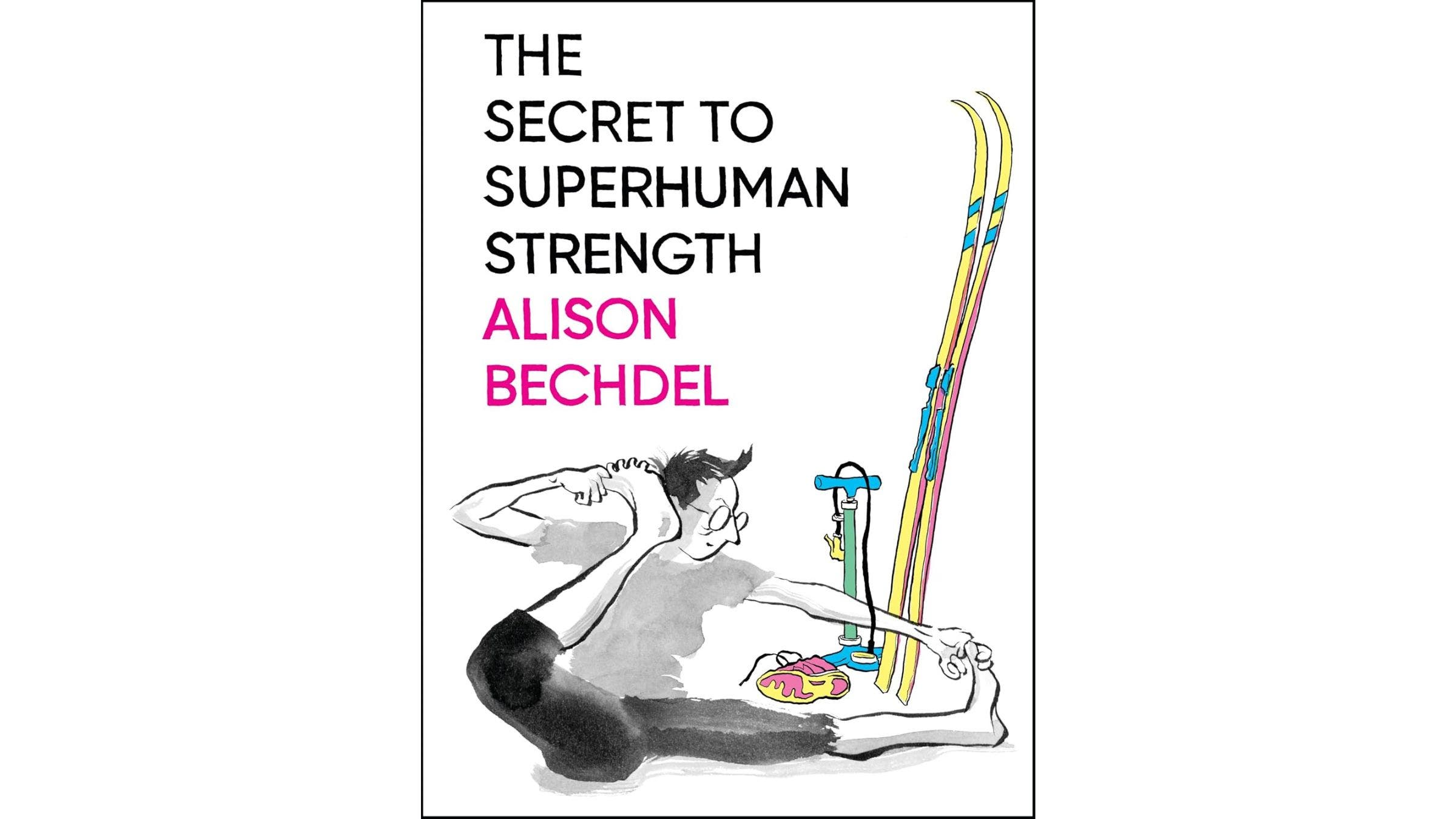
The Secret to Superhuman Strength, by Alison Bechdel
This is a graphic memoir that came out back in 2021, but a friend just turned me onto it this year. It recounts Bechdel’s obsession with various forms of exercise (including lots of running) against the backdrop of decades of fitness fads—and her attempts to understand what she (and we) are really looking for in our pursuit of fitness, drawing on thinkers from Emerson to Jack Kerouac. The memoir itself is funny and touching and (as memoirs are) highly personal—but her insights are sharp and amazingly relatable, at least for a fellow lifelong seeker of truth and tranquility via exercise.
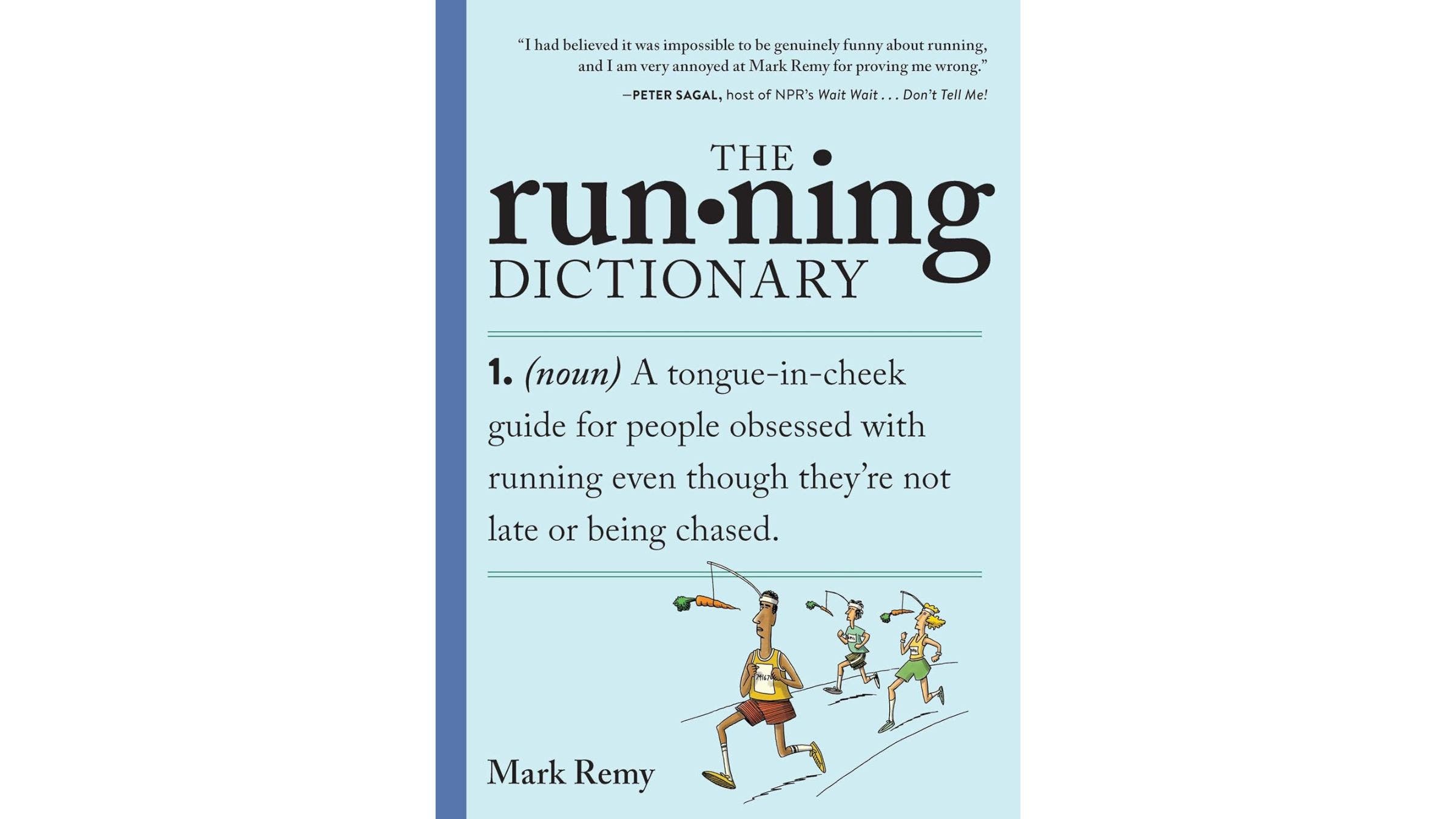
The Running Dictionary, by Mark Remy
Flipping open at random: “Multiuse path, n.: A wonderful place where walkers, runners, cyclists, and folks on motorized bikes and scooters happily share the same narrow ribbon of pavement in harmony, respectful of one another’s space, often accompanied by unicorns and leprechauns.” Remy is a longtime running humorist (now there’s a niche within a niche) who has been writing Dumb Runner since 2015. Check it out if you haven’t already. His new running dictionary has the same biting but affectionate edge, along with great illustrations by New Yorker cartoonist Joe Dator. I thought I would flip through it casually over time, but I ended up reading it cover-to-cover as soon as I picked it up.
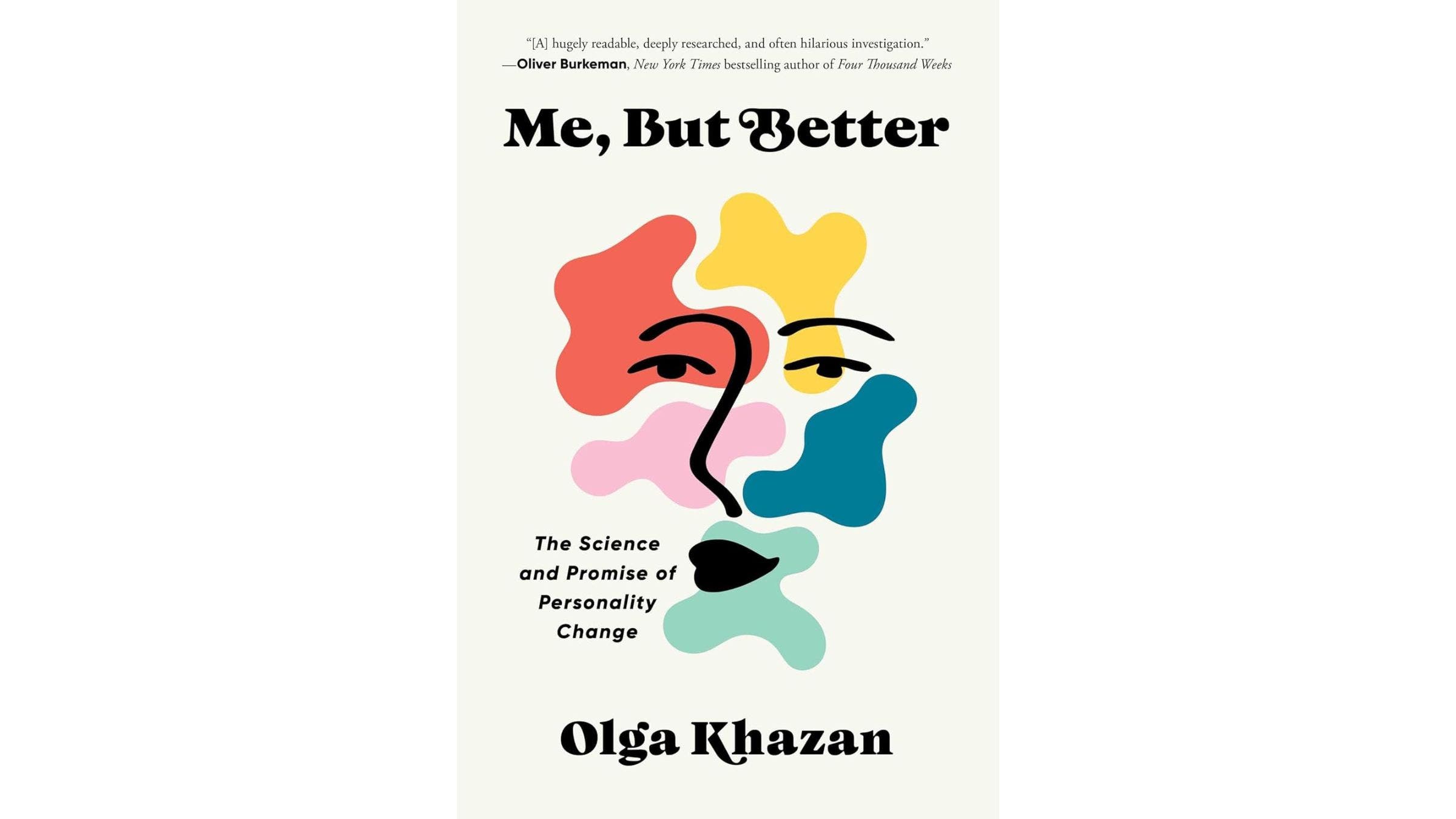
Me, But Better, by Olga Khazan
I got interested in the science of personality change when I was researching a recent article on studies of personality in endurance athletes. In terms of the so-called Big Five personality traits (openness, conscientiousness, extraversion, agreeableness, neuroticism), can you change the hand you’re dealt? Khazan’s book, which came out last year, turns out to be the best and most accessible introduction to current thinking in the area, as she documents her attempts to become less neurotic and more extraverted and agreeable. The scientific consensus: you can change, and the best way to do it is to start behaving in the way you hope will eventually feel natural.
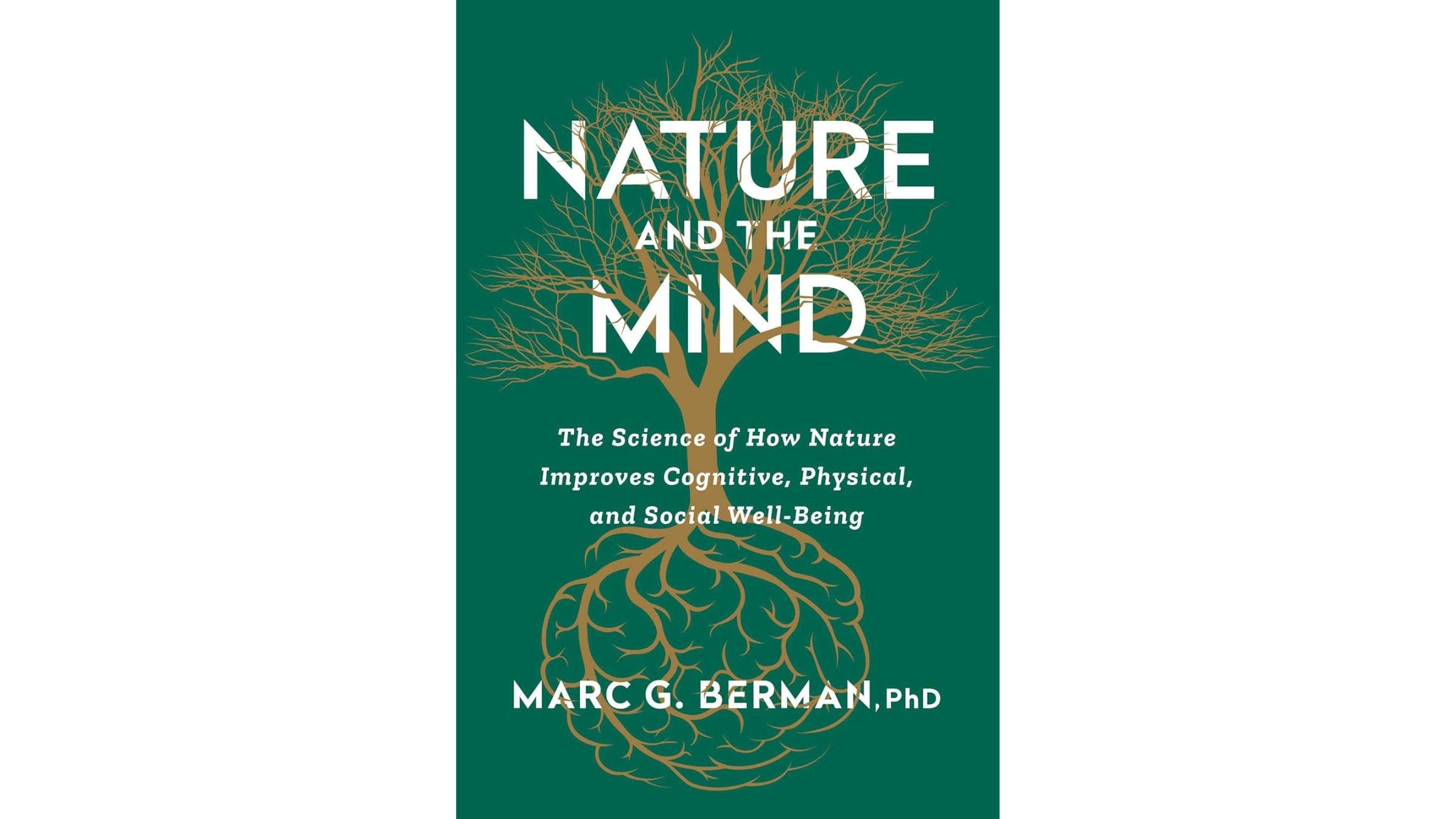
Nature and the Mind, by Marc Berman
The foundational study in the nascent field of environmental neuroscience is known as the “walk in the park” study, published back in 2009. People went for a 50-minute walk through either city streets or a park, and the park walk boosted their cognitive function. Berman has been on a mission since then to decode the widely observed but poorly understood link between exposure to nature and how our brains function. I’ve written about his work a few times (my favorite is this one); last year, he finally published a book laying out the full picture. I was a big fan of Florence Williams’s book The Nature Fix; this one digs deeper into Berman’s view of the science.

The Score, by C. Thi Nguyen
This book blew my mind. It’s about the role of scores and metrics in our lives—how scores give positive meaning and momentum to “playful striving,” but our obsession with metrics and rankings leads us astray in so many other parts of our lives. “Value capture” is Nguyen’s term for when you internalize an external metric as the goal of an activity in place of the more complex reasons you began with: when a restaurant aspires to maximize its Yelp rating instead of trying to make great food, say. There’s plenty of complexity and ambiguity here: as a rock climber, he finds that striving to master climbs with ever-higher grades spoils the feeling of climbing that he initially fell in love with, but acknowledges that he never would have found this sense of playful striving without the spur of the grading system. It’s a tension that will feel familiar to many endurance athletes, and he has some valuable thoughts on how to navigate it.
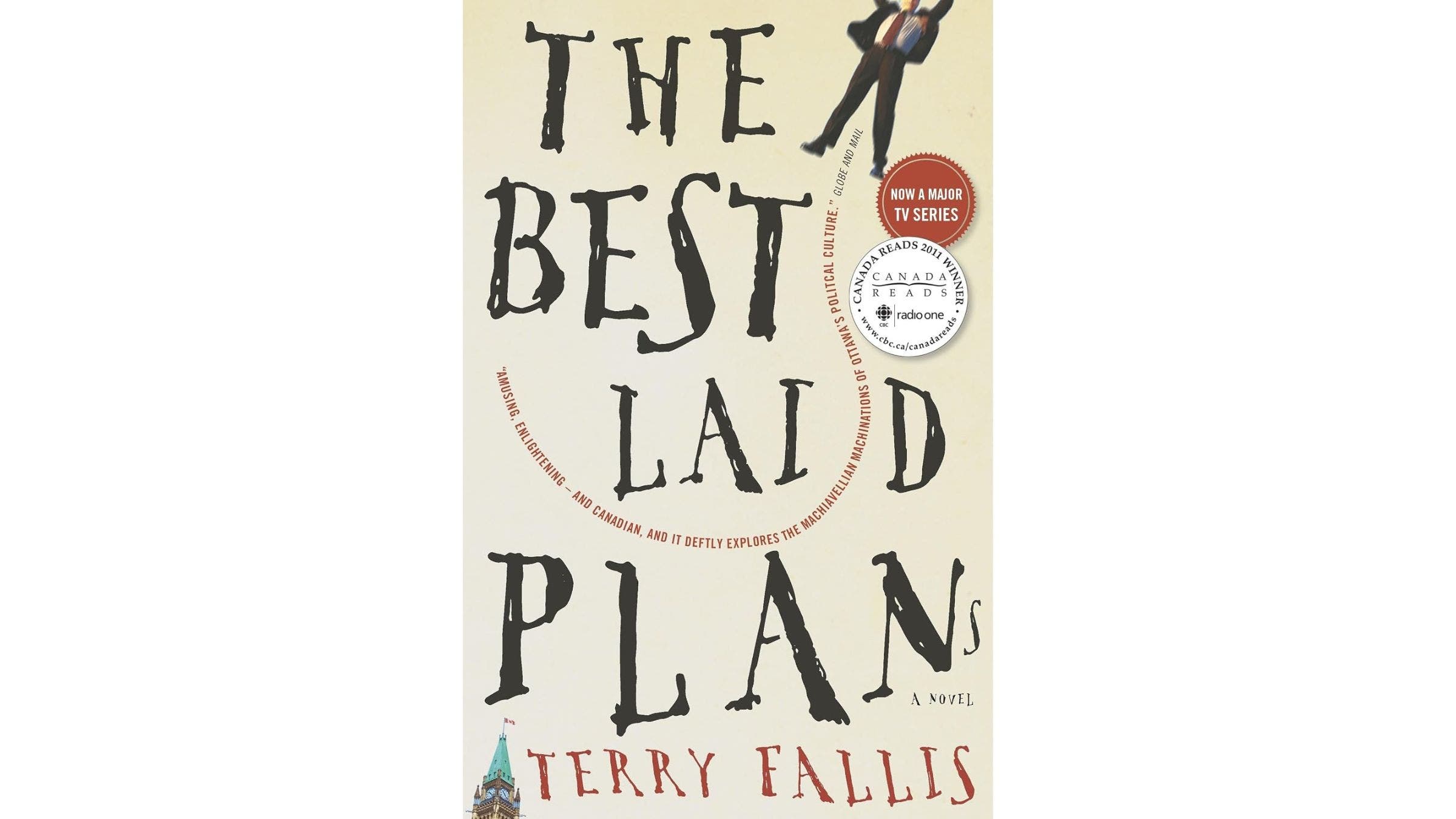
The Best Laid Plans, by Terry Fallis
If you’re looking for a deep cut… and an incomparable window into the behind-the-scenes world of Canadian politics, along with some P. G. Wodehouse-esque laughs, then this one’s for you. My brother is a connoisseur of political satire and had been recommending this 2008 book, originally self-published by a former political consultant, for years. I finally got around to reading it a few months ago, and am kicking myself I didn’t start sooner—but on the plus side, I now have nearly two decades of subsequent Fallis books to catch up on.
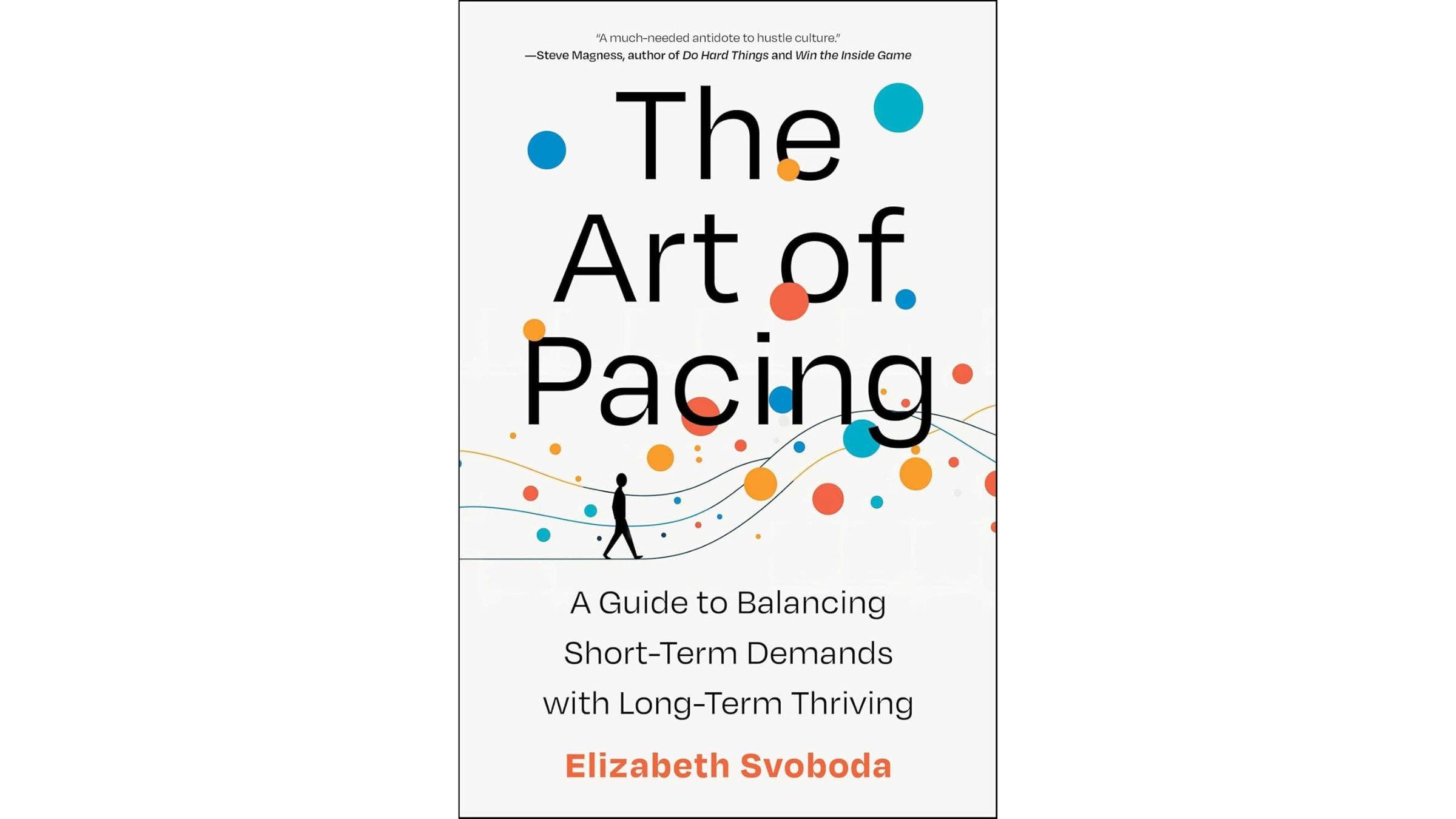
The Art of Pacing, by Elizabeth Svoboda
For a minute, I thought we were going to be treated to the definitive guide to negative splitting and avoiding hitting the wall. The opening scene in the book, and its central metaphor, are indeed about marathon pacing—but the actual focus is a much more general look at (as the subtitle puts it) balancing short-term demands with long-term thriving. It will pair naturally with Lindsay Crouse’s forthcoming book, The Case for Quitting, which is due out in September. (But seriously, I think there’s another book waiting to be written on pacing: anticipatory regulation, hazard scores, teleoanticipation—there’s a huge stack of fascinating but little-known research with both literal and metaphorical utility!)
A few quick hits to finish up. I already plugged David Epstein’s Inside the Box and Brad Stulberg’s The Art of Excellence in advance in last year’s holiday book list. They’re both out now, and well worth reading. Soccer Dad, by David Murray, nicely captures my current reality. On my bedside table are Eric Zimmer’s How a Little Becomes a Lot, from one of the most interesting and thoughtful podcast hosts out there, and Mark Medley’s Live to See the Day, on what motivates people to take on goals that will almost certainly not be completed in their lifetimes.
Happy summer and happy reading!
For more Sweat Science, sign up for the email newsletter and check out my new book The Explorer’s Gene: Why We Seek Big Challenges, New Flavors, and the Blank Spots on the Map.
