

Published June 25, 2026 03:30AM
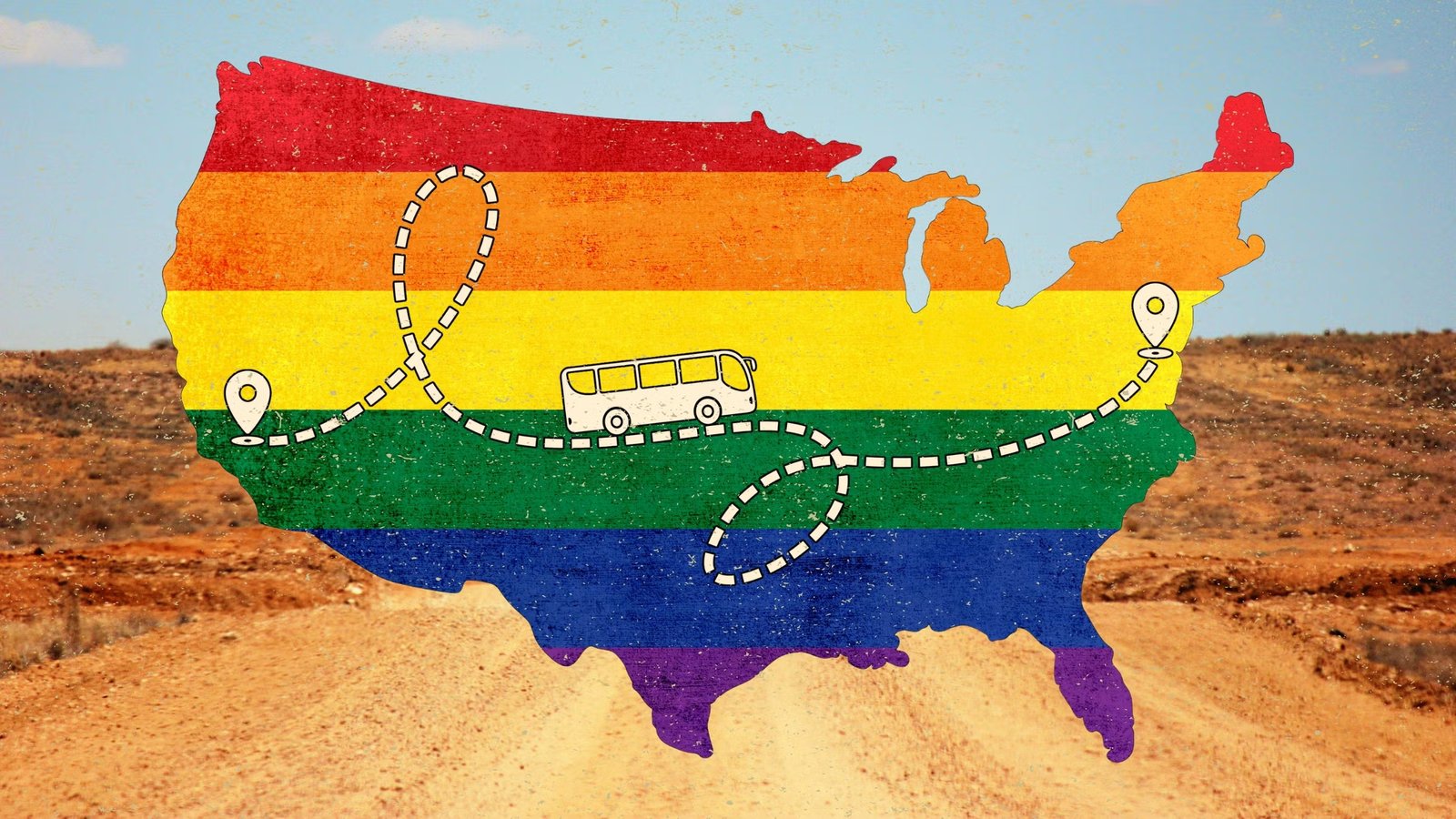
After I drove from Boston to California one summer during college, the states that weren’t on my route became a tantalizing bucket list of places I needed to visit. Spending a month in Alaska in 2018 gave my quest a sense of urgency. I’d checked off one of the farthest states; the others would be easy, I thought.
I planned a vacation in Kentucky (state #45) after I was offered a writing residency in nearby Tennessee in 2021. As a queer person, this gave me mixed feelings. I looked forward to crossing another state off my list, but Kentucky wasn’t known for being queer-friendly, with very few legal protections for LGBTQ+ residents. I worried about attracting unwanted scrutiny, getting rude comments, or being misgendered in public facilities.
My partner and I made a tight itinerary: we’d spend a day underground in Mammoth Cave National Park, a second day on the Bourbon Trail in Bardstown, then head home, hopefully incident-free.
Walking two miles underground on a self-guided cave tour, we learned about Mammoth Cave’s past lives as a saltpeter mine, tuberculosis ward, and failed mushroom farm. The underground trail was quiet and peaceful. But then again, it was 2021, and I suspected pandemic restrictions were keeping the hordes I’d come to expect at national parks away from this one.
Overall, Kentucky was more pleasant than expected. I received no rude stares or invasive questions; most people were friendly. That gave me optimism, but in the lead-up to the 2024 election, planning a trip to Louisiana (#46) and Mississippi (#47), rising anti-LGBTQ+ sentiment in red states brought my fears rushing back.
Nature has always been a welcoming refuge, so I ignored New Orleans’ touristed French Quarter and chose to kayak through the wetlands upon which the city was built.
There’s a misconception that swamps are stagnant, but this one was full of life. We observed alligators from a distance. Ospreys nested in the cypress trees that surrounded us, and we lingered, hoping to see the chicks. Blue herons, anhingas and cormorants were widespread; barred owls and night herons tucked themselves in tree groves. The quiet peace was a welcoming contrast to the urban noise. The following day, we drove to Biloxi, Mississippi, enjoying the Gulf Coast beaches.
I had fun exploring New Orleans, admiring the brick townhomes with ornate wrought-iron balconies, and paddling through swamps along the Red River, but after Louisiana’s legislature passed a highly restrictive version of a Don’t Say Gay bill weeks after I returned home, I couldn’t see my visit in the same way. The rollback of LGBTQ+ rights made me furious, and I regretted spending my tourist dollars in a place that clearly didn’t support people like me when there were so many accepting states I could have chosen to visit instead.
That fall, President Trump was re-elected. Post-inauguration, he issued a flurry of executive orders dismantling LGBTQ+ rights, for example, by erasing “woke” words like gay and transgender from federal properties, including national park sites.Other measures included barring transgender women from participating in girls’ and women’s sports, a policy that critics warn may lead to genital inspections of athletes.
My next trip was already planned. I’d spent months training for it, building strength to kayak alongside my friend, a competitive open-water swimmer who’d signed up for the Extreme North Dakota Watersports Endurance Test, the longest swim race in North America.
The adventure would cross off my last two remaining contiguous states, Minnesota and North Dakota, but now I was having second thoughts.
I’d committed to my friend. I didn’t want to let him down. I didn’t want to let myself down either, but North Dakota scored low on LGBTQ+ rights, and a visit during the summer of 2025 felt like self-betrayal. It’s just two days, I told myself, remembering how I’d spent an equivalent amount of time in Kentucky and enjoyed it.
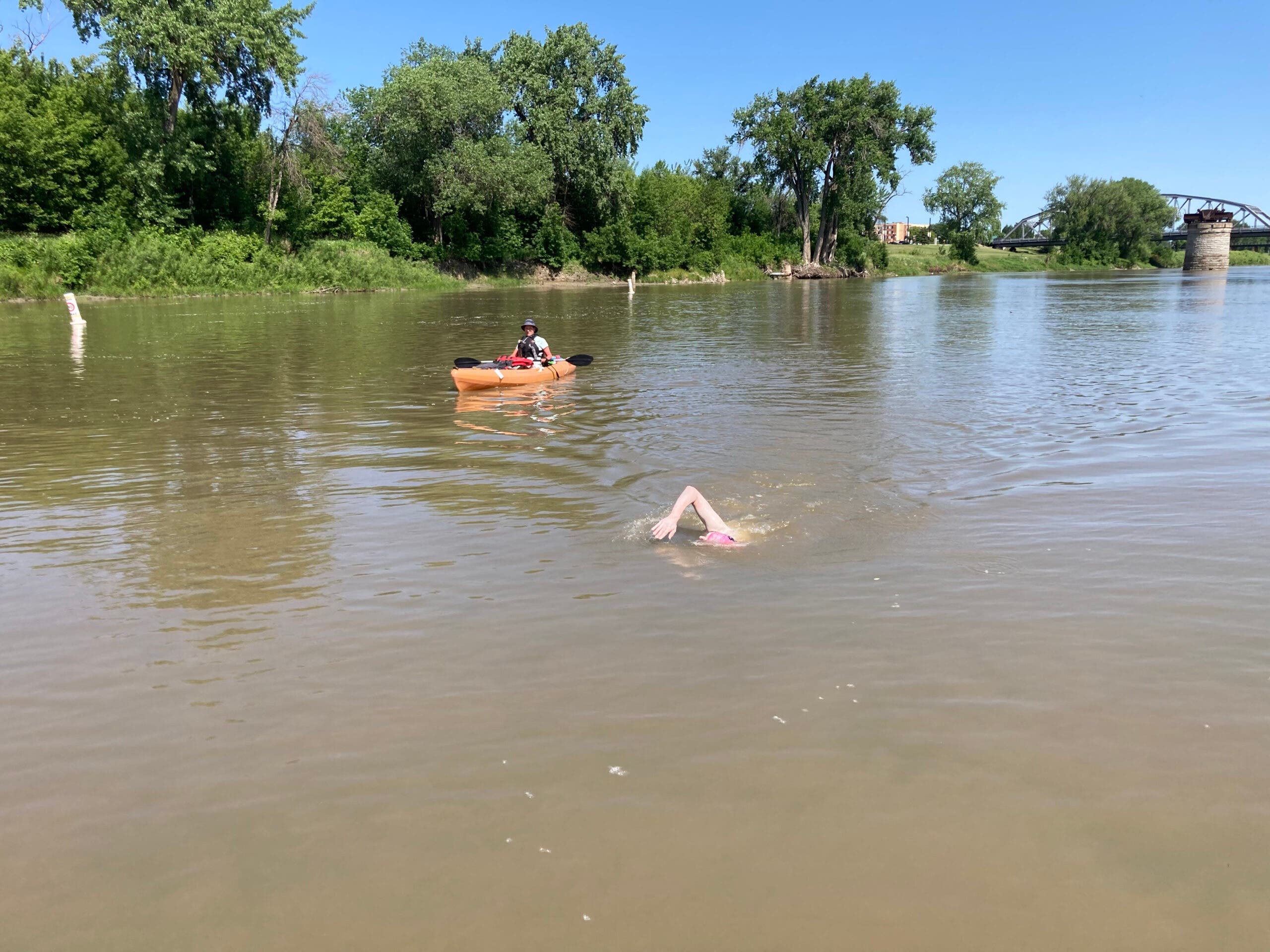
My partner and I flew to Minneapolis, then drove to Grand Forks, North Dakota. The race organizers were friendly enough, but I was acutely aware of being different: a queer-coded person with short hair and androgynous clothes, accompanied by their wife.
I channeled my anxiety into productivity, organizing my supplies for a 3:50 A.M. wakeup. In the darkness, we boarded a bus to the start point and put in at first light.
The Red River is narrow and secluded, with hardly any development along its banks. I paddled past greenery, with blue herons, bald eagles, and beavers for company. I focused on my paddle form and my friend’s feeding schedule, giving him GU energy packets as needed, but that only kept my brain occupied for so long.
Alone on the river, I let myself feel how tired, disappointed, and just plain done I was with the moral compromise U.S. travel now required for LGBTQ+ people. I didn’t hide my queerness in my daily life, and I resented feeling the need to do it for a 50-states bucket list.
I braced for the wall I’d hit two-thirds of the way into every practice paddle, done in my home creek, which feeds into the Hudson River, but I kept paddling, tapping into an inner strength I did not know I had.
We finished second, making 36 miles in ten hours, fifteen minutes. Crossing the finish line, I was proud. I’d stayed the course, committing to my friend and my bucket list as my country became less accepting of people like me. I’d done something I wasn’t sure I could do. I had finished strong.
Nothing bad happened in North Dakota. I stumbled into pockets of queerness hiding in plain sight. But that no longer surprised me, and it no longer felt like enough.
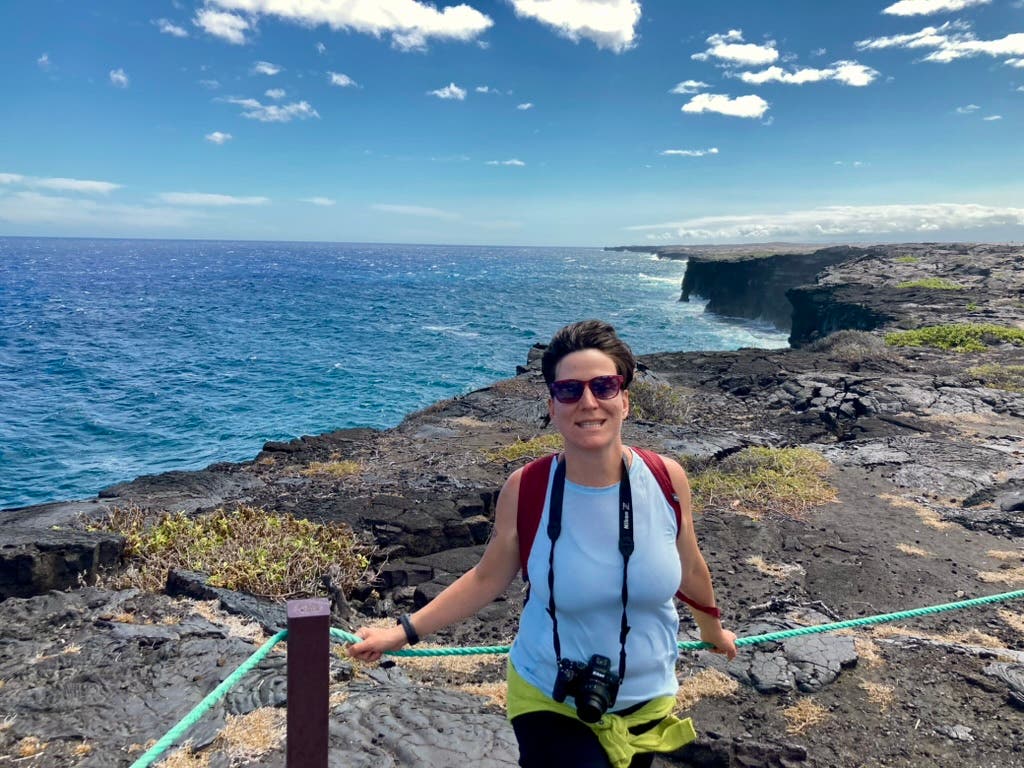
Two months later, I flew to Honolulu. I spent two weeks in O’ahu and across the other islands of Hawai’i, celebrating state #50 by taking a surfing lesson, visiting national parks, and eating lots of shave ice.
From the summit of Mauna Kea to the lava flows at Volcanoes National Park, Hawaii was an affirming end to my bucket list. I was able to relax and be fully present there in ways I couldn’t be in states with anti-LGBTQ+ laws, where the potential for harassment remained top of mind. But instead of feeling proud at reaching my goal, I felt ambivalent.
My quest proved that I wasn’t afraid to go places where I wasn’t welcome. I’d been to many of them, and discovered that even when laws restricted LGBTQ+ rights, local people were often kind. In some moments, going to places with anti-LGBTQ+ laws felt transgressive, and there was a subversive power in that—in showing up anyway.
For years, those expectation flips kept me going.
Since returning from Hawai’i I’m more discerning about traveling in the U.S. I’ve traveled locally to visit family, and driven down to Washington, D.C. to see the cherry blossoms.
My swimmer friend is now trying to visit every state, organizing vacations around endurance swims. When he brought up Louisiana and Mississippi, I told him to count me out. And that goes for places I haven’t yet visited, too. Maybe it’s the constant scapegoating and harassment anti-LGBTQ laws invite, and the resulting drain on my energy, or maybe I’ve found clarity in the wake of my quest, but for me, it’s no longer worth it to sacrifice my freedom of expression or put myself at risk of harm just to say I’ve been somewhere.
Lindsey Danis is a queer travel writer and the author of (Out) On the Road: The Radical Joy of Queer Travel. Lindsey lives in the Hudson Valley with her wife and two dogs, where you can find her hiking, kayaking, and exploring new mountain towns.
