

Published August 8, 2026 03:59AM
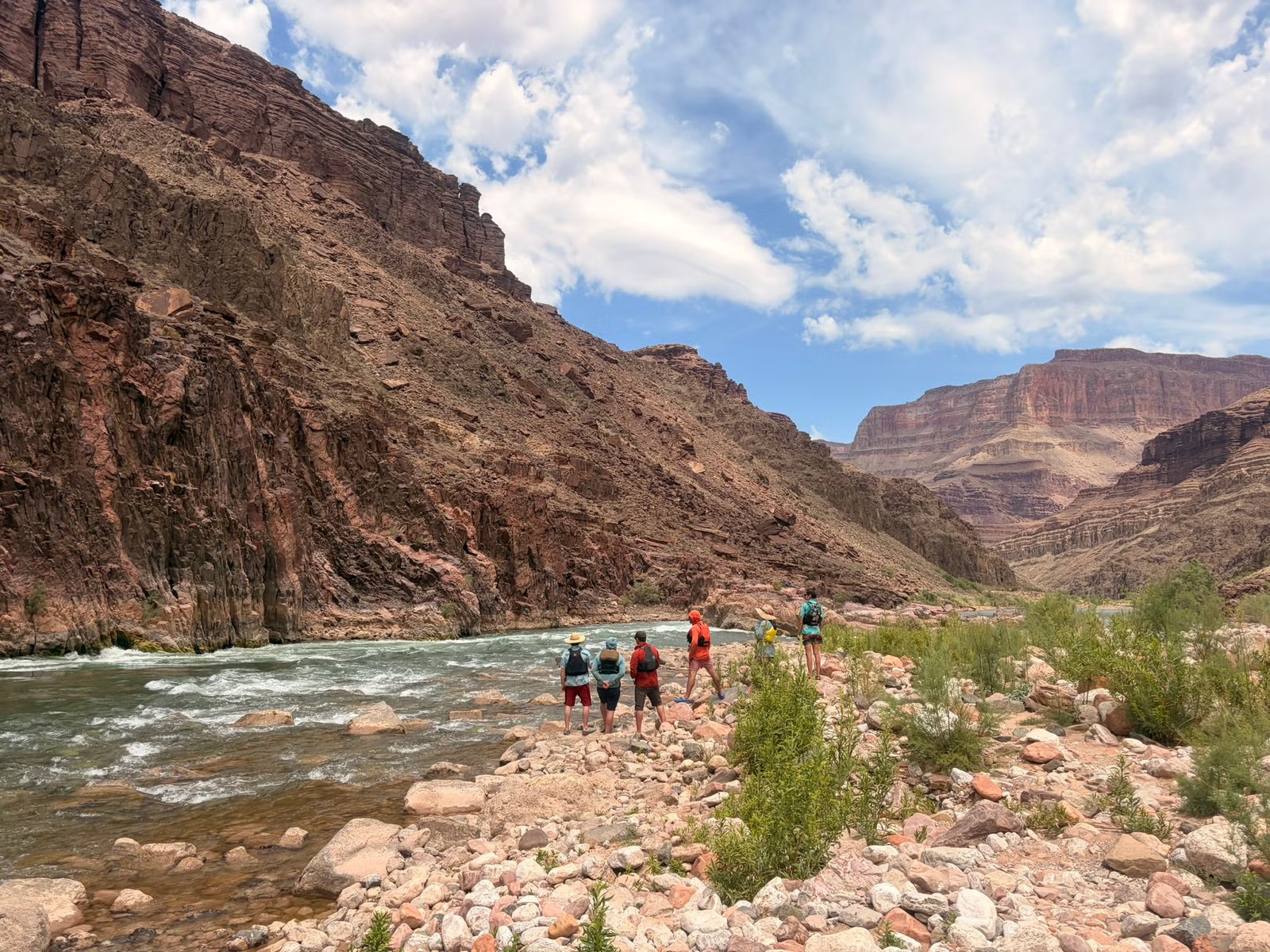
I have dreamed of rafting the Colorado River through the length of the Grand Canyon for as long as I can remember. My parents met on a river trip on the Rio Grande and raised my brother and me on a healthy diet of skiing, backpacking, and weekends paddling or kayaking alpine lakes and streams of the Colorado Rockies. Ending up on a whitewater trip through the Grand Canyon always seemed inevitable.
This past May, I finally got my chance. By the time I pushed my raft off from Lee’s Ferry, the official starting point for most Grand Canyon river trips, I was the last one in my family to float the route. My parents had done it a decade earlier. My dad and brother had just finished their own trip a few weeks before I departed. My trip came together because of a rare alignment of circumstances. In March, my friend Pat texted with an invite. His wife had won a permit through the lottery after another group canceled, and they had room for one more. Finally, it was my turn.
I’d never rowed whitewater this big or spent so many days on an expedition like this, and I knew I was filling more of a personality hire role than a technical one. So I did what I always do when I’m nervous: I made spreadsheets.
I also read guidebooks. I watched YouTube videos of rapids at varying water levels. I packed and repacked my dry bags until I was convinced I’d prepared for every possible scenario. (You can read my comprehensive guide to packing for the trip here.) If there was a way to out-organize and out-prepare for this trip, I intended to find it.
The Colorado River, as it turned out, was unimpressed.
Almost nothing went according to plan. The night before we launched, one member of our group was hospitalized with severe abdominal pain and possible internal bleeding and had to stay behind, turning our already small crew into just seven. On our second day, we high-centered one of our four rafts on a hidden rock and spent two exhausting, increasingly nerve-wracking hours trying to free it. Later that same day, we cut a kayaker loose from a rope that had pinned her underwater. Then, another member of our group unknowingly developed sepsis from Rocky Mountain spotted fever he’d contracted unknowingly before the trip, leading us to coordinate a helicopter evacuation from deep inside the Canyon.
And that was just the first three days of a 16-day trip.
The first few nights, lying in my sleeping bag beneath more stars than I’d ever seen, my throat tightened. My heart raced. My hands shook. I quietly cried myself to sleep, hoping no one would notice.
I remember thinking, I think this is going to be one of the hardest things I’ve ever done. I hope it’s over quickly.
I’d never been that afraid or that uncomfortable before. Despite all my longing, all my planning, and all my preparation, I was completely out of my element. It wasn’t just that the river was bigger than I’d expected. It was that almost everything I’d counted on to make me feel safe was suddenly out of my control.
In an effort to calm my mind, I compared the adventure to a big backcountry ski mission, something I’m much more familiar with. Long days, big objectives, group decisions, and constant risk assessment, with hopefully a great story over beers afterward.
Except there is one enormous difference between a ski tour and a river trip. On a ski tour, you can always turn around. You can decide the snowpack doesn’t feel right, you’re too tired, the weather is changing, or that today isn’t your day, and you can go home.
River trips like this don’t work that way. Once we pushed off, I was committed to 225 miles over the next 16 days. There is no shortcut.
At first, I thought the Grand Canyon was testing whether I was adventurous enough, and it was a real crisis of self when doubts crept into my mind about who I believed myself to be and my relationship to the outdoors.
I have spent so much of my personal life, and so much of my time outside, believing safety comes from preparation, control, and anticipating every possible outcome. The trip also showed me how often I try to earn my place by being competent, useful, or having, or pretending to have, all the answers.
The river stripped all of that away.
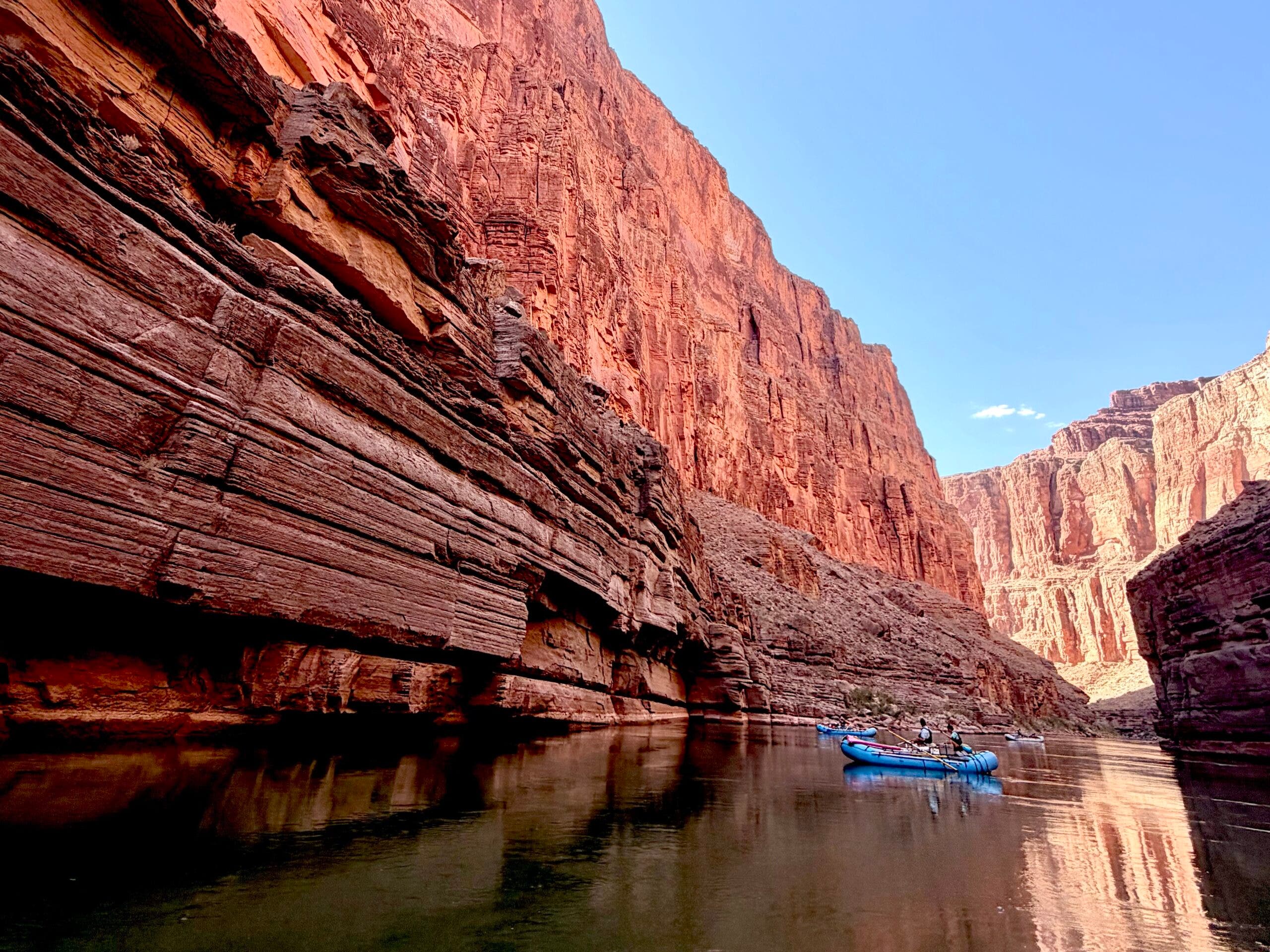
Somewhere between scouting House Rock, a terrifying rapid at mile 17 featuring an 8-foot drop and a large boat-flipping hole, falling asleep beneath the Milky Way after another day I didn’t think I could handle, and waking up the next morning to do it all again, I found confidence rooted not in certainty, but in my ability to adapt. I learned I didn’t have to perform. I could ask for help, be inexperienced, make mistakes, and still belong.
After the first week, I stopped checking the time. I settled into the rhythm of the river. I stopped worrying about what came next and started paying attention to what was right in front of me. By the end of the trip, I was already scheming about how I could come back and do it all again.
I will take the lessons I learned in the Grand Canyon with me for the rest of my life, and I don’t mean that in some grand, spiritual way—I’m talking about, like, next week. Because plans fall apart. Things—adventures, sure, but also jobs and relationships and traffic—get scary. You simply can’t be prepared for everything life throws at you, but you can be confident that you’ll handle it anyway. Here’s how.
1. Take Action a Moment Before You’re Ready. Wait for the Impact a Moment Longer Than Feels Comfortable.
One of the first things I noticed on the river was that hesitation is expensive. By the time you’ve fully processed what’s happening, the river has already carried you somewhere else. It’s why experienced boaters often say, “When in doubt, paddle.” A committed stroke is almost always better than freezing while you search for the perfect one.
The flip side of that lesson took me longer to appreciate.
Moving an 18-foot raft weighing 2,000 pounds through whitewater takes finesse. A single stroke doesn’t change the boat instantly, and the instinct, especially for someone new at the oars, is to immediately take another stroke in an attempt to force the boat onto the perfect line.
The best boaters in our group rarely did that.
They’d make a move, then they were patient. They understood that every stroke needed a moment to take effect before deciding whether another one was necessary. Not every wobble was the beginning of a flip. Often, the boat found its line if you gave it the chance. I don’t think it’s unique to river runners.
How often do we make a decision, then immediately start looking for evidence that it was the wrong one? We send the email and reread it five times. We accept the job, then wonder if we should have stayed at the old one. Spend enough time outside, and you’ll see the same instinct everywhere. We wonder if we should’ve started earlier, packed lighter, turned around at the last junction, skied a different line, brought different gear. Sometimes we’re so busy evaluating the last decision that we aren’t fully present for the one in front of us.
The river didn’t convince me to act without thinking. If anything, it reinforced the value of preparation. But eventually, there comes a point when thinking has to give way to doing. Then, just as importantly, doing has to give way to waiting and to the trust in the stroke already taken.
2. Have a Plan. Be Willing to Give it Up.
I approached my Grand Canyon trip the way I approach most things in life: with a firstborn daughter’s stubborn and foolish desire to control the outcome.
I wanted to know what every day would look like before we ever began the trip.
Instead, we’d round a bend expecting to make camp, only to find another group already set up on the beach. Afternoon headwinds turned what should have been an easy ten-mile float into an all-day grind. Rapids we’d planned to run without scouting looked completely different at low water, exposing new rocks and changing the line. Every day, the river asked us to rewrite the plan.
I started the trip believing a good plan was one you stick to, but I (damn near reluctantly) learned that a plan isn’t something to defend. It’s something to adapt.
That’s true of almost every day spent outside.
You plan for the summit, then the weather turns, or you aim for the extra mileage, but someone rolls an ankle. You hope for a powder day, then wake up to rain, or map the perfect road trip and a flat tire reroutes you.
Preparation matters. It’s part of respecting the place you’re in, the people you’re responsible for, and the reality that things will change. The best outdoor partners I’ve met understand that a plan isn’t valuable because you follow it perfectly. It’s valuable because it gives you a starting point.
3. Health is Everything.
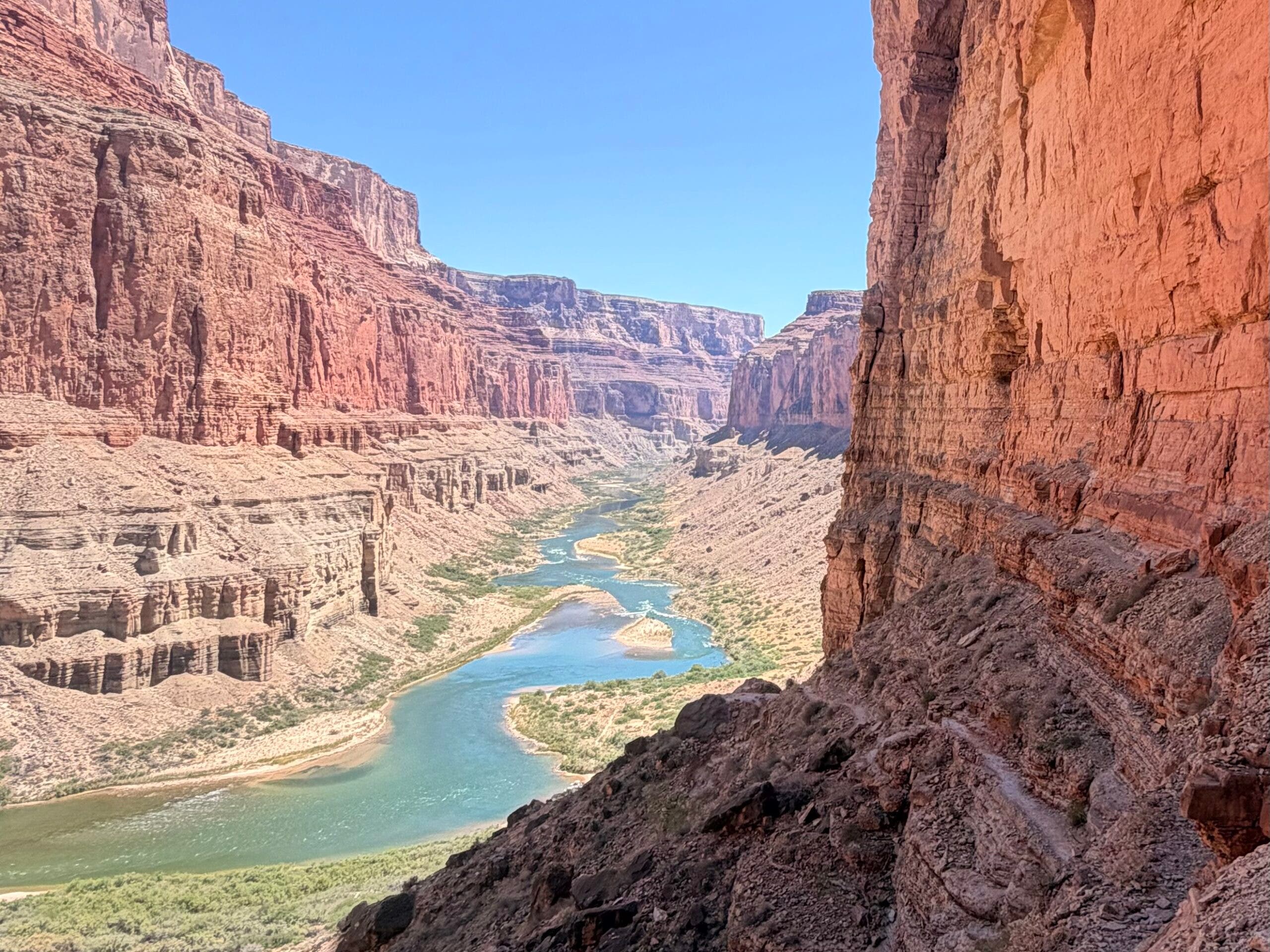
The Canyon has an incredible way of shrinking life down to the essentials.
On a 16-day river trip, your health, in every sense of the word, becomes the foundation on which everything else rests. Not the fancy new dry suit you spent months researching. Not the emails piling up back home. Not whether you remembered to pay the credit card bill before you left.
None of it matters very much if the people around you aren’t healthy enough to keep going. It didn’t take long for that lesson to become painfully real. Watching two friends who were supposed to be on the trip with us instead end up hospitalized in three days has a way of recalibrating your priorities. (Another writer explains what it’s like to battle a mystery illness caught on the river.)
I’ve often caught myself treating my health like something to fit around work, obligations, and everything else competing for my attention, when really it should be the opposite.
Of course, adventures like this depend on being in good health. But the irony is, they are also one of the best ways to protect our health. They get us moving, away from screens, outside, surrounded by people we love, and remembering what actually matters. Turns out that’s pretty good medicine.
4. Everybody Poops.
There’s something profoundly humbling about pooping on top of your friends’ poop, sealing it up in a metal box, and loading it back into the raft together every morning. It’s a simple reminder we all need from time to time: we’re all human. We could probably stand to treat each other that way a little more often.
5. You’re More in Charge Than You Think.
One of the hardest adjustments for me (and, let’s be honest, a blow to my ego) was accepting I wasn’t going to be rowing on this trip. It was well outside my ability, and at first, I felt strangely useless. Guilty, even. If I wasn’t rowing, what was I contributing? But the more time I spent on the river, the more I realized every person on the trip had a job. Someone rigs the boats every morning. The kitchen box has to come off every night. Pasta has to be strained. Oar towers have to be tightened. Sunscreen gets passed around. Eventually, somebody cracks the first beer.
I may not have been responsible for rowing us down the river, but I was still responsible for my own safety and for helping the group succeed. That’s true of almost every adventure—and civic life. It’s easy to believe that if we’re not the expert, the leader, or the one holding the oars, we’re just passengers. But we almost always have more influence than we think.
6. Get Comfortable Being Uncomfortable.
I’ve made a name for myself among friends and family as a lover of leisure and après-ski, but I’m no stranger to Type 2 fun. I’ve been cold on ski days. Hot on hikes. Hungry, wet, tired, dirty, sunburned, blistered, and wondering why I voluntarily spend so much of my free time making myself uncomfortable.
Which makes it all the more ironic that, in my everyday life, I spend so much energy trying to eliminate discomfort, as if feeling uncomfortable means something has gone wrong.
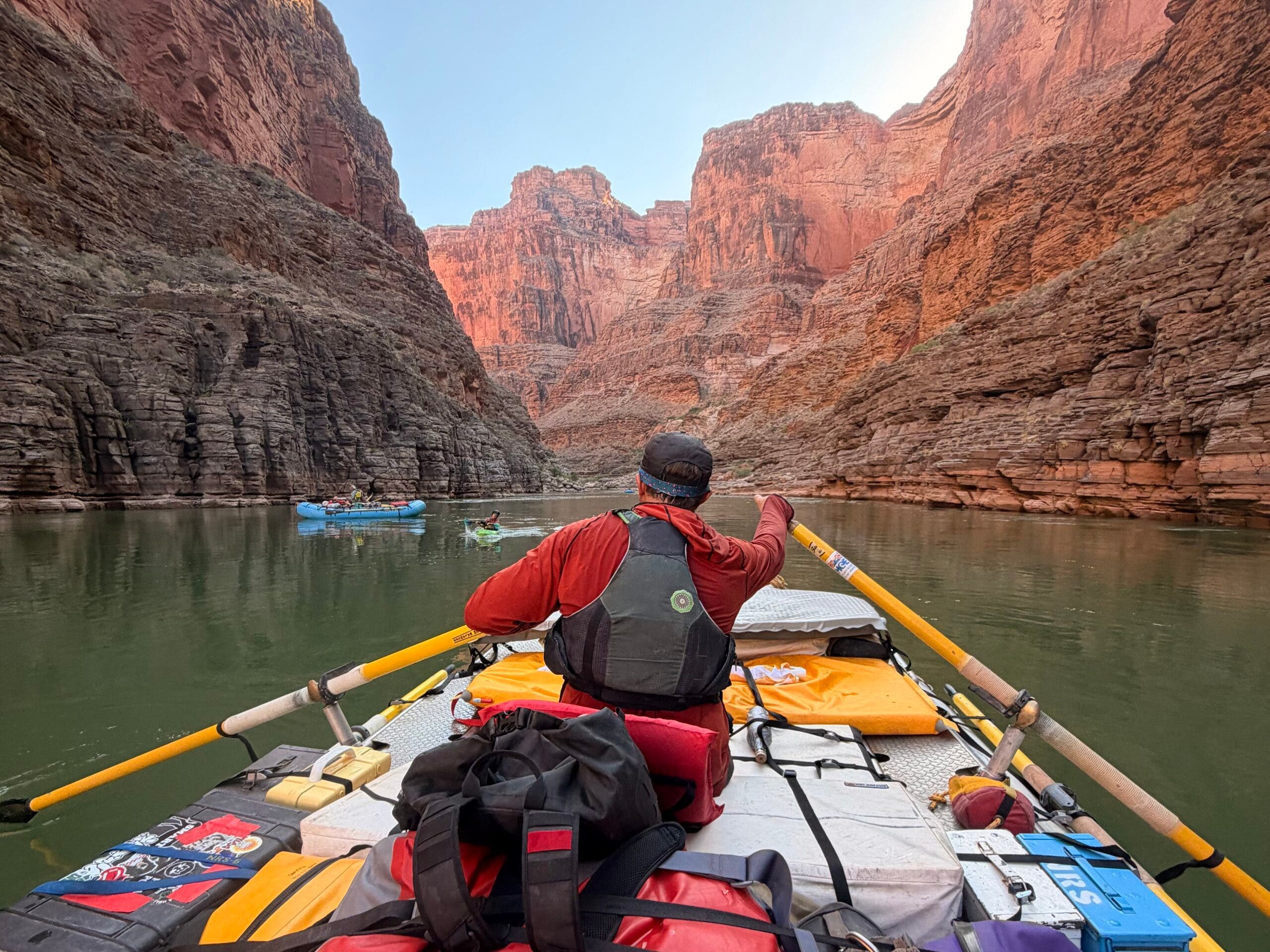
The river trip reminded me that the opposite is often true. Discomfort is simply the price of admission not just to the adventure, but to growth, connection, and a life fully lived. So what if there’s sand in your teeth? Would you look at that view!
7. It Matters Who You Marry… Your Boat To.
One of my favorite traditions on a river trip is creating a “barge” for the long, calm stretches of flat water where we’d tie two or three rafts together and drift downstream. We’d do the same thing at camp each night. Even after anchoring every raft individually, we’d lash them together as extra insurance that none of them drifted away overnight. Tethering together like this is called “marrying the boats.”
Who you’re tied to matters. You have to trust them, and they have to trust you.
The older I get, the more I think we’re all reflections of the people we choose to surround ourselves with. Our adventure partners, our spouses, our friends should be the people who help shoulder the load, keep us off the rocks, steady us through rough waters, keep us afloat… Okay, sorry, enough with the boat metaphors…
But I think it’s true. Pick good people to link up with. And be someone worth linking to.
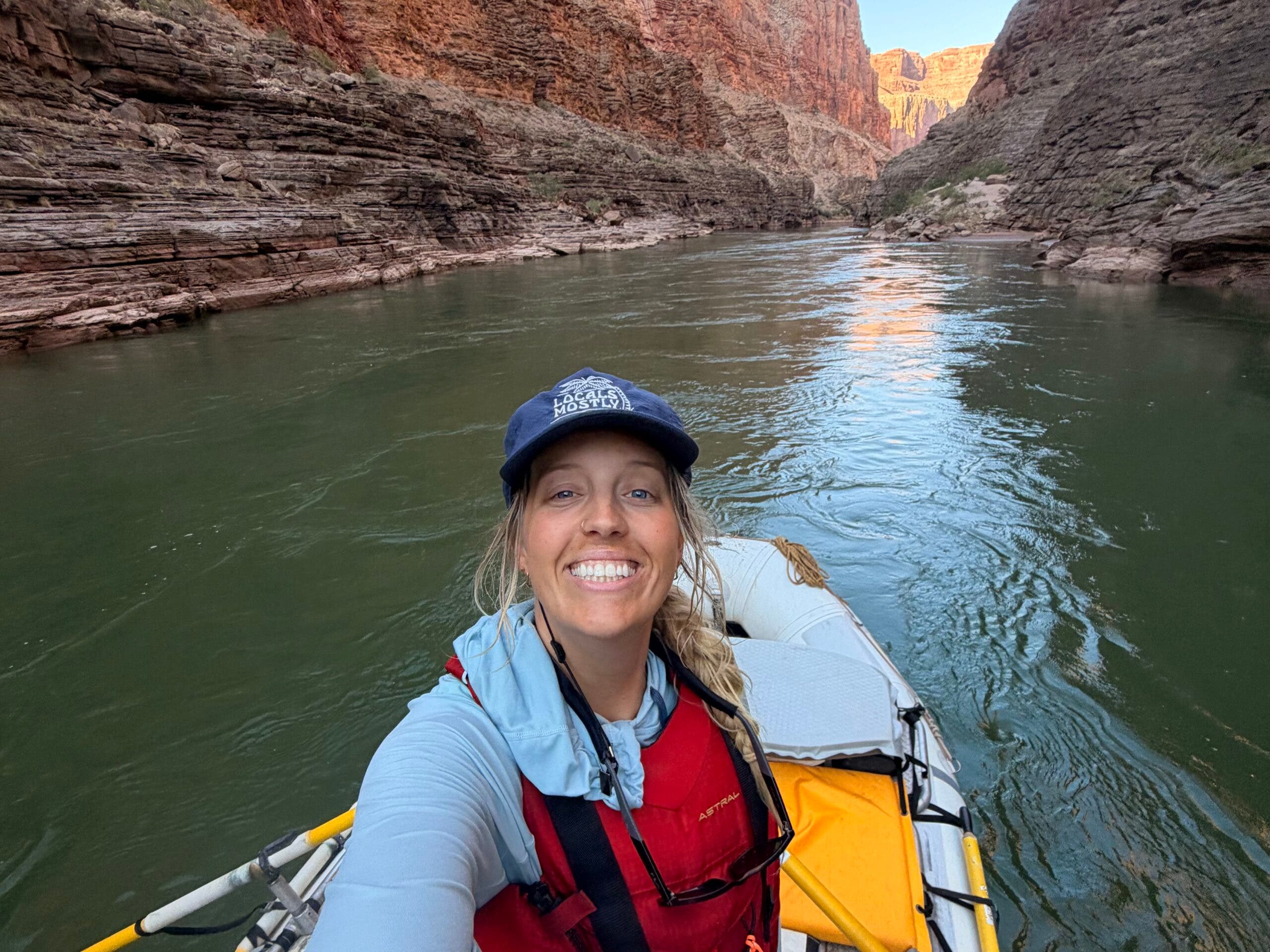
8. No One Cares What You’re Wearing.
At the takeout at Diamond Creek, the first major road-accessible takeout on this stretch of river, I looked in my rearview mirror as I backed my car up to the boat ramp and realized it was the first time I’d seen myself in more than two weeks. I had no idea what I looked like, and it was strangely refreshing.
For more than two weeks, I hadn’t thought about my hair, my clothes, whether I looked outdoorsy enough, or whether I fit in. I was too busy watching desert bighorn sheep pick their way across impossible cliffs, spotting California condors circling overhead, learning to read the tongue of a rapid from the bow of the raft, listening to my friend J.F. name the billion-year-old rock layers towering above us to consider my appearance.
Wearing the appropriate clothing and having the right gear matter because they keep you comfortable and safe. But beyond that? Nobody is paying as much attention as you think they are.
I don’t remember a single thing anyone else wore on that trip, but I’ll always remember the friends who made me laugh, who made me feel safe when I was scared, and who made me feel at home in my own skin.
So don’t let the fear of not looking the part keep you from showing up for the group ride, or your first ski lesson, or accepting that coworker’s invitation to go hiking. Come as you are.
9. Sometimes You Just Need a Shower and Something to Eat.
The number of times I’ve mistaken low blood sugar for a full-blown identity crisis is higher than I’d care to admit. As a result, I’ve become deeply suspicious of my own thoughts and feelings when I’m hungry. Before making any major life decisions, eat something. Then take a shower. (Or jump in the 47-degree river with a little Dr. Bronner’s, in this case.) If you’re still spiraling after that, revisit it. But there’s a good chance that meeting a few of your most basic needs will save the day.
