

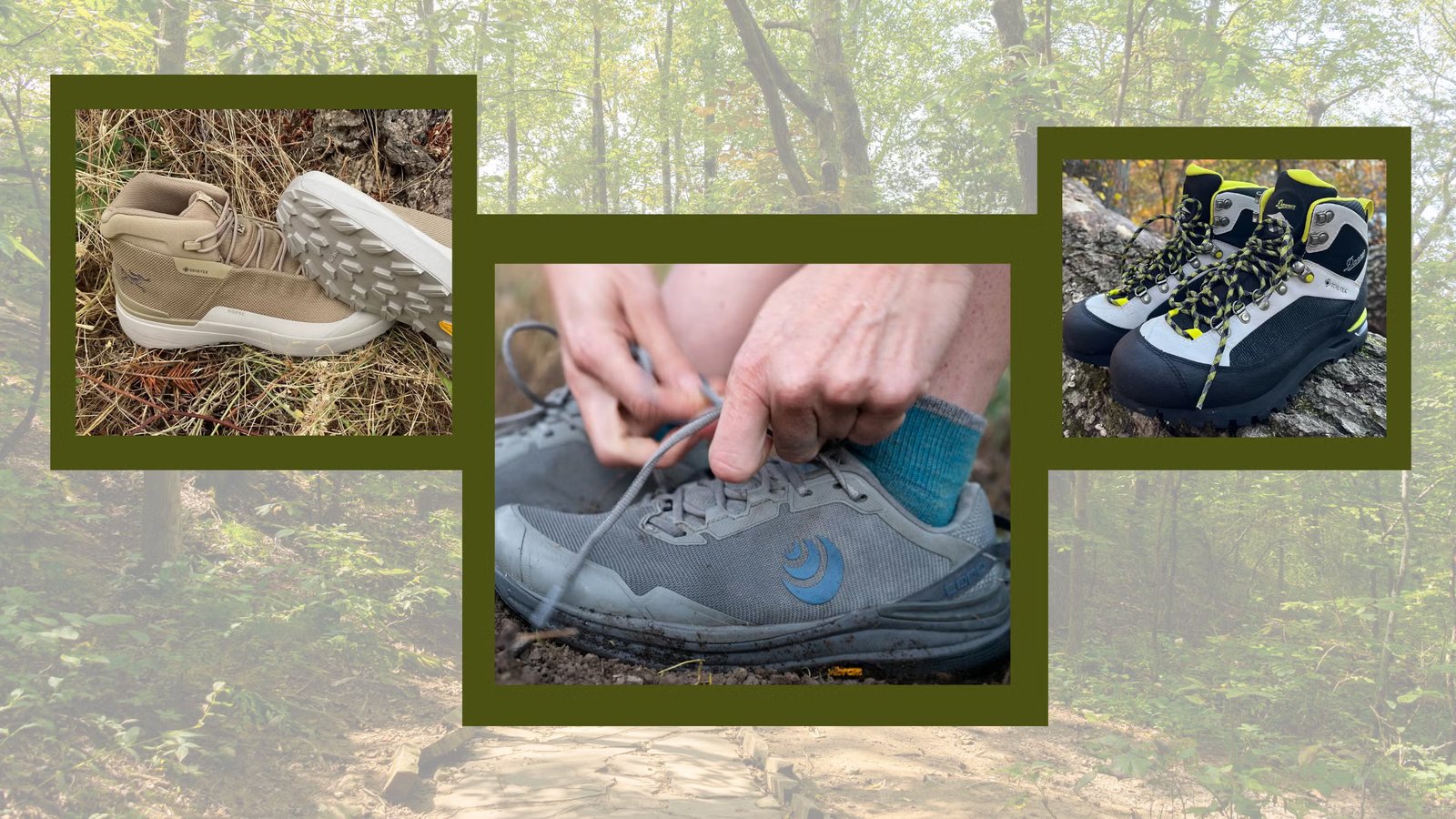
The difference between a $155 multi-sport shoe and $390 specialized boot comes down to just one thing.
(Photo: Canva)
Published July 7, 2026 05:04AM
On the trail, you can learn a lot about someone by looking at their feet. Some hikers prance through the trees in lightweight trail running shoes, while others take heavier steps in burly boots. Somewhere between those two extremes is the sweet spot for hiking footwear.
After years of testing, we’ve found that the difference between a $155 multi-sport shoe and $390 specialized boot comes down to just one thing: purpose. If you need a versatile hiking shoe for the casual trails you hike on weekends, you might be able to save a few bucks. On the other hand, if you have a major mountaineering mission coming up, it’s probably worth your while to invest a little extra in your footwear.
After testing more than 63 pairs of hiking shoes and boots for men and women, these three stood out for striking the right balance of weight, durability, and versatility—across three different price points. All three of our recommendations can handle day hikes, but the higher the price you pay, the more specialized features you get.
Best Hiking Shoes and Boots: At a Glance
Best Budget Hiking Shoe: Topo Athletic Traverse ($155)
Weight: 8.7 oz
Sizes: women’s 6-11 and 12; men’s
Pros and Cons
+ Versatile
+ Lightweight
+ Feature-rich
– Not super protective
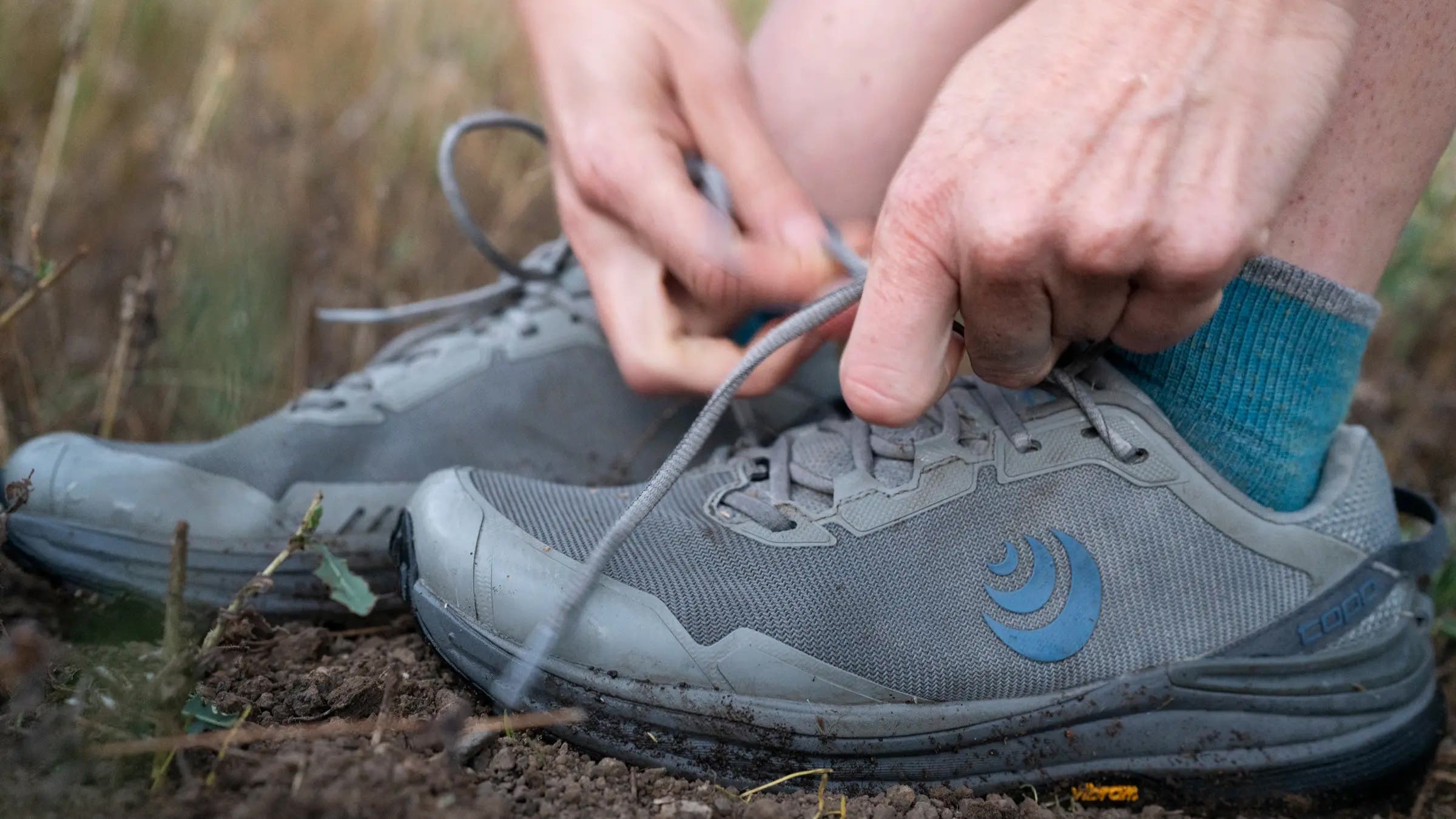
The best bang for your buck is a hiking shoe that pulls double duty. For under $200, you can wear the Topo Athletic Traverse trail running and backpacking, stretching your cost per wear even further. Its next greatest attribute is how little it weighs—just 8.7 ounces per shoe—for how much protection it offers. The mesh upper, made of a tightly-woven polyester blend, is secure, flexible, and hides dirt and stains. A forefoot rock plate prevents sharp rocks, tree roots, and other obstacles from bruising toes. A dual-density EVA midsole with a TPU heel wrap offers stability and support to hikers carrying heavy loads over many miles. And while the closed-cell foam absorbs less water than traditional foam, its dimpled texture helps it drain quickly if and when it does get wet.
What makes these different from other trail runners? Thoughtful details, including a generous heel loop for easy entry and gaiter attachment points at both the toe and heel, make the shoe especially hiker-friendly. Fit tip: If you’ve never worn Topo Athletic shoes before, they’re known for having a wide toe box, good for natural toe splay and evenly distributing weight.
Best Mid-Range Hiking Shoes: Arc’teryx Kopec Mid ($200)
Weight: 12 oz
Sizes: men’s 7-13; women’s
Pros and Cons
+ Lightweight
+ Excellent grip
+ Responsive
– Firm cushioning
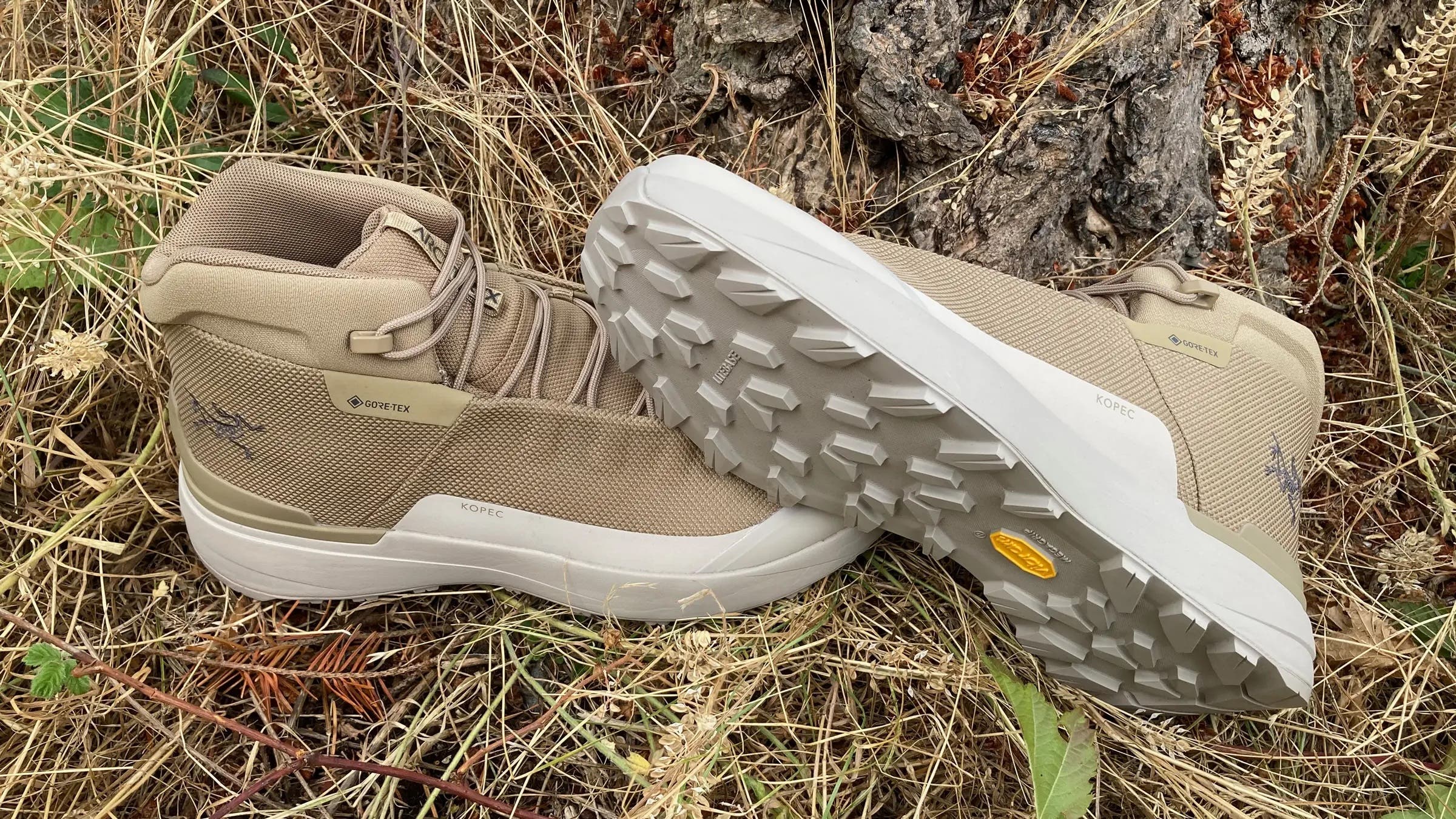
Whether you’re an occasional hiker or bagging peaks every weekend, a supportive pair of boots can make every step more comfortable. Testers at Backpacker named the Kopecs the best do-it-all hiking shoes for the superior traction from the 4mm-lug Vibram Megagrip outsole and stability from the dual-density midsole. You won’t get a ton of cushioning—the sole is fairly firm in comparison to other boots—but you’ll feel supported the whole way. A TPU toe cap shrugged off scrapes, while the canvas-like Cordura upper showed virtually no wear after a full season of testing.
We think the mid-height boot’s molded and padded collar are best for hikers carrying overnight loads up to about 30 pounds. But for $20 less, the low-cut version is sufficient for day trippers. Both models use a Gore-Tex liner that kept testers’ feet dry without sacrificing breathability. For $200, you’re getting a boot that’s built to last through many years of hiking.
Best Premium Hiking Shoes: Danner Crag Rat EVO ($390)
Weight: 2.1 lbs
Sizes: women’s 5-11
Pros and Cons
+ Incredible traction
+ Crampon compatibility
– Cost
– Break-in time
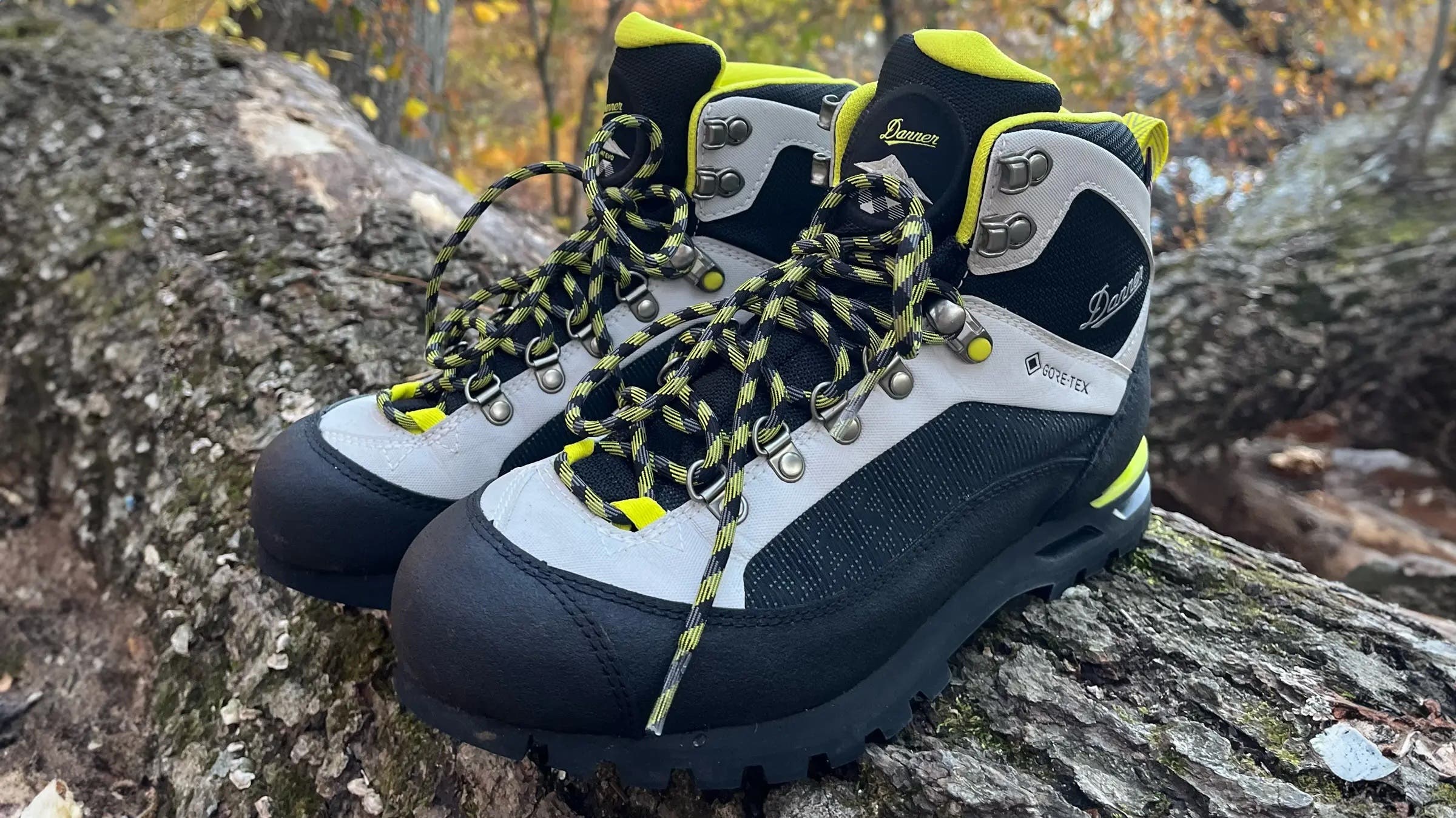
At almost double the cost of the mid-priced boots, buying the Danner Crag Rat EVO hiking boots means you’re paying for features designed more for mountaineering rather than everyday hiking. Danner worked with local search and rescue team, the Crag Rats, in Hood River, Oregon to create a fast-drying and durable boot that would hold up and stay steady in treacherous terrain, from slippery rock faces to loose scrambles. That means its features are built for technical terrain, like the Crag Rat EVO’s incredible traction and crampon compatibility.
You can trust this boot for tricky ascents and descents: The Vibram Mulaz outsole is sticky with deep lugs, designed for alpine climbing and mountaineering. An open-cell polyurethane footbed with three layers of density provides enough support and comfort for someone carrying a heavy pack, and the Primaloft aerogel toecap provides warmth without bulk in wintry elements. For even more traction, there’s a heel welt for semi-automatic crampons.
The downside to the burliness? Instead of being comfy right out of the box, these require a longer break-in period. They’re quite stiff, and during their first few hikes, some testers reported hot spots after their feet slid around inside on steep descents. Our advice: Plan shorter day hikes first before taking these out on a long haul.
