

A historic heatwave and lightning-sparked fires have triggered a full closure of the country’s most iconic canoe wilderness. Here is what to do if you have a permit.
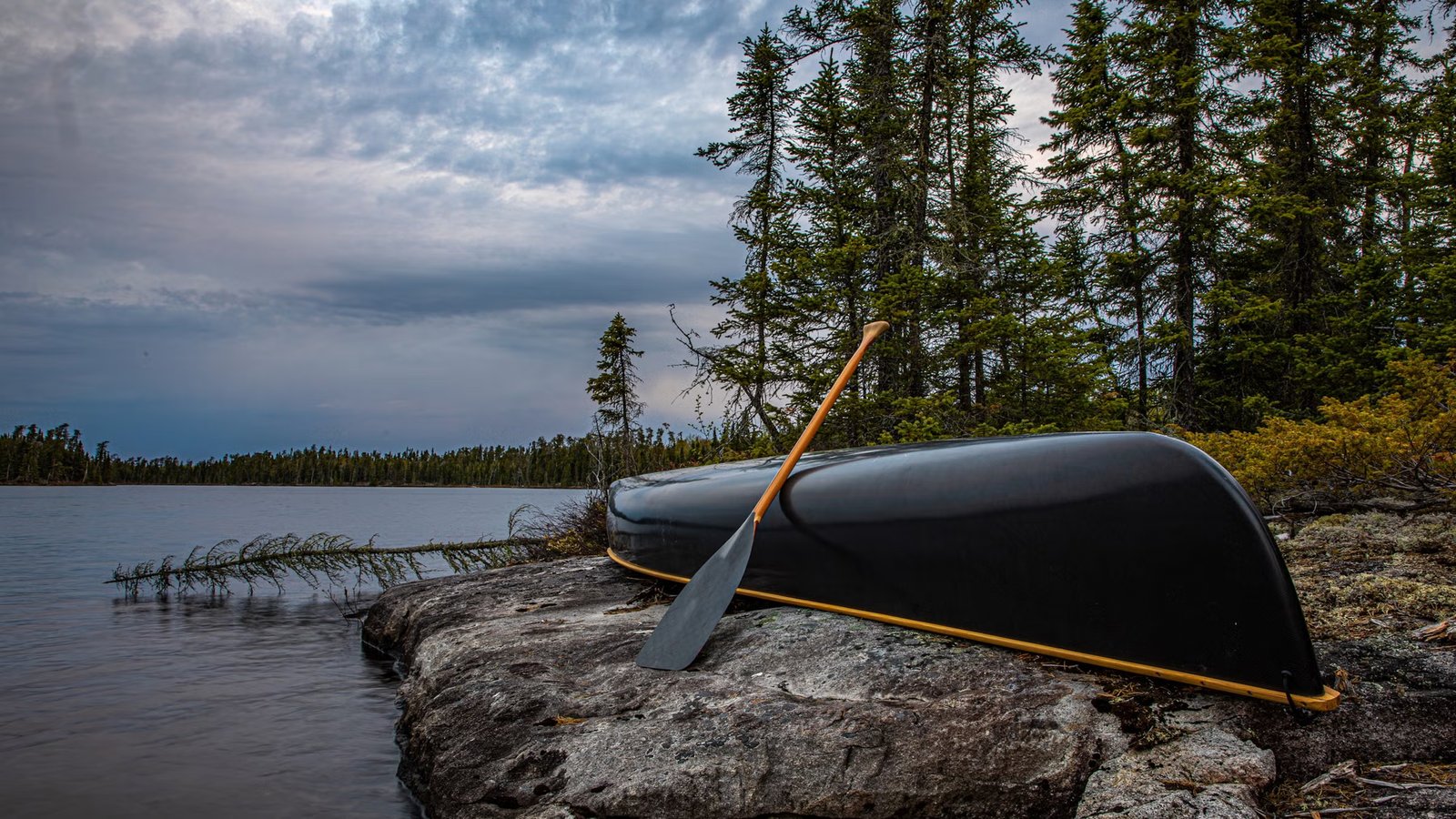
Authorities have closed 3.9 million acres in Minnesota’s Superior National Forest, including the Boundary Waters, to focus on fighting surging wildfires in the area (Photo: Harlan Schwartz/Getty Images)
Published July 14, 2026 12:32PM
Forest Service officials closed shuttered public access to the Boundary Waters Canoe Area Wilderness (BWCAW) on July 14 due to surging wildfires across Minnesota. The decision is part of a 3.9 million-acre closure across Superior National Forest due to encroaching fires, and the unusually hot and dry conditions.
The news was announced in a public release, which did not provide details on when the region will reopen to the public. Authorities say they have automatically issued refunds to most permit holders. Firefighters add that high fire danger persists in the area and is expected to continue through the end of July.
“This closure is about keeping people safe. Wildfires don’t just threaten trees and campsites—they create dangerous smoke, unstable conditions, and rapidly shifting fire behavior that can trap visitors with little warning,” the U.S. Forest Service (USFS) wrote in a statement. “In a wilderness as large and remote as the Boundary Waters, emergency response is challenging even on a normal day; during potential widespread wildfires, those risks increase significantly.”
A full refund was automatically processed for all permits affected by the closure, according to the reservation site Recreation.gov. Those include:
- Overnight Paddle, Overnight Motor, and Overnight Hiking: Reservations with entry dates of Monday, July 13 through Friday, July 17, 2026.
- Day Use Motor: Reservations with entry dates of Tuesday, July 14 through Friday, July 17, 2026.
The Boundary Waters are a 1-million-acre federal protected wilderness area that stretches 150 miles along the Canadian border. With more than 1,100 lakes, interconnected rivers, and forests, the area attracts people in the summer for canoeing and backcountry hiking. Authorities say the BWCAW is too large and too remote for staff to safely locate and escort every visitor, particularly as extreme weather systems are expected to continue to drive fires. Roughly 1,900 wilderness campsites are also included in the closure.
Since July 7, the area has experienced at least 19 wildfires, and new fires are igniting every day, according to the USFS. Many of the recent fires were started by lightning, and forecasters are predicting more thunderstorms with little rain.
“Under these conditions, it isn’t safe for people to travel, camp, or paddle in the wilderness. Rapid fire growth and thick smoke can make it hard to breathe, hard to see, and difficult for firefighters to reach anyone who needs help,” the USFS wrote.
USFS recommends exploring alternative places in the Superior National Forest, including 23 developed campgrounds, 18 rustic campgrounds, and 254 backcountry campsites outside wilderness areas.
What’s Next?
- The USFS canceled all BWCAW permits and has contacted cooperators and current permit holders. Contact your cooperator to discuss trip and possible options.
- Stay out of the BWCAW to allow emergency responders to focus on file suppression.
- Follow fire restrictions in your area.
- Do not fly unauthorized drones. These threaten firefighter safety and can halt firefighting operations.
Firefighters say they are using full suppression tactics to aggressively put out fires as effectively and efficiently as possible. This is done by digging lines, applying water at the fire’s edge, and burning out potential fuel to starve the fire.
“Fires driven by wind can move quickly through dry vegetation, including areas affected by spruce budworm. By evacuating now, you support public safety by keeping efforts focused on wildfires. Public and firefighter safety is our number one priority,” USFS wrote.
Remember that fire restrictions are in place along all land within the Superior National Forest Boundary. These include igniting, building, maintaining, attending, or using anything involving an open flame. Campfires, even in fire rings, grates, or smokeless wood burners such as “Solo Stoves,” are banned. Also prohibited are charcoal or wood-fired grills, barbecues, stoves, and heaters.
Air quality in the area continues to shift daily based on wind direction from nearby fires, the USFS says. For current air quality, visit AirNow.gov or the Minnesota Pollution Control Agency.
For maps and more information about the emergency order, visit the USFS alert page or the InciWeb fire-tracking website.
