

Published July 15, 2026 05:12AM
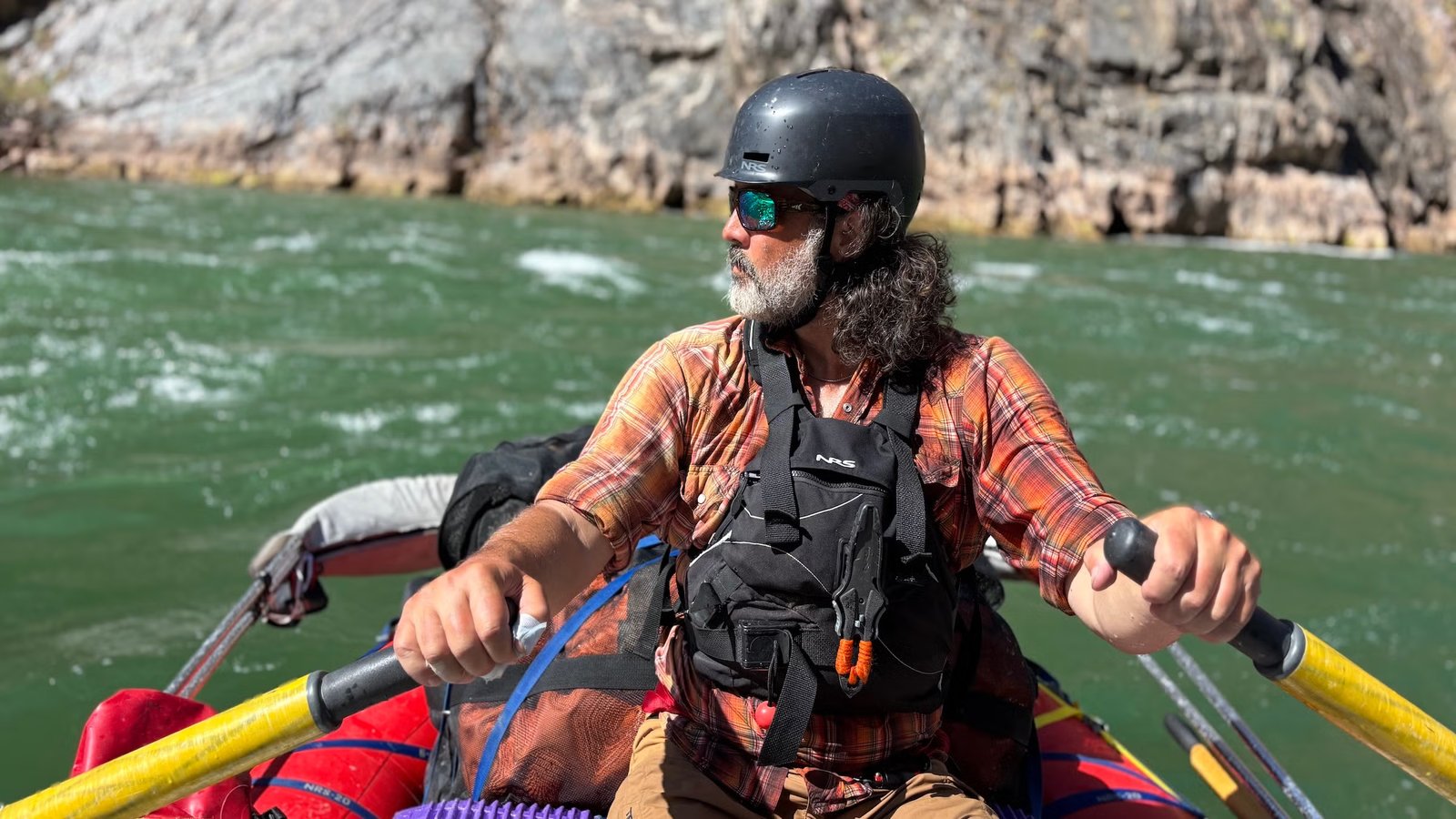
This Spring, Matthew Wappett, a professor at Utah State University, completed a 16-day rafting trip through the Grand Canyon. After he returned to his home in Logan, Utah, Wappett, 53, began suffering painful flu-like symptoms, that eventually forced him to be hospitalized on June 6. He is one of approximately a dozen people who believe they contracted a mystery illness while on the Colorado River this year. Wappett told Outside what it’s like to endure the sickness.
I thought I had the post-trip blues. Then, an emergency room doctor told me that I was part of a Grand Canyon mystery.
Rowing a raft through the pristine rapids of the Colorado River in the Grand Canyon was something I’d dreamed about for decades. The days spent paddling the river’s emerald-green waters were supposed to be the trip of a lifetime. Little did I know the journey would end by turning my life upside down.
After 16 days spent between the canyon walls, I contracted a mystery illness that has completely upended my summer. For weeks now, I’ve experienced bone-breaking aches, fevers, chills, and extreme fatigue. A team of specialists tested me for nearly everything under the sun—COVID, rabies, Rocky Mountain Spotted Fever, Lyme disease, Leptospirosis, Hantavirus, Dengue fever, Valley fever, and even West Nile virus. All tests have come back inconclusive.
I’m not the only one. To my knowledge, at least a dozen other people who went rafting in the Grand Canyon around the same time have similarly come down with this mystery disease, and the National Park Service (NPS) says it’s now investigating.
As we await answers, my story drags on.
We put in on the river on May 18. The section of Colorado River we rowed spans over 225 miles, from from the Lee’s Ferry boat ramp to the Diamond Creek take-out. I’m 53, and this was my first time on the Colorado River. Growing up in Fairbanks, Alaska, I am a lifelong whitewater boater. I’ve run rivers across the west, and in the nineties, I was even a guide on the Nenana River in Denali National Park.
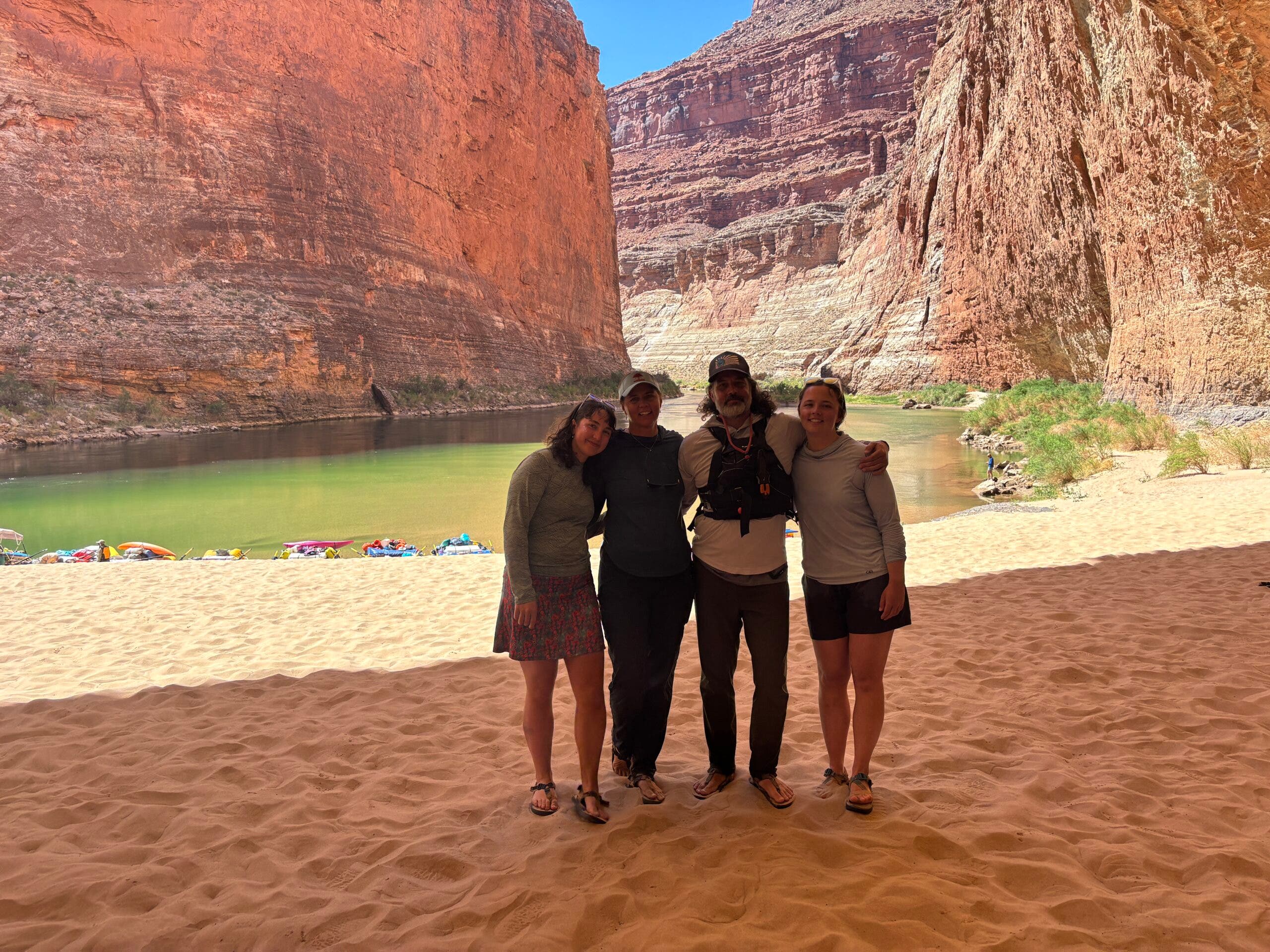
I’ve waited 20 years to draw a coveted Grand Canyon permit. Once I snagged the lottery in 2024, I spent the following 18 months planning the trip with my wife, two daughters, and our friends.
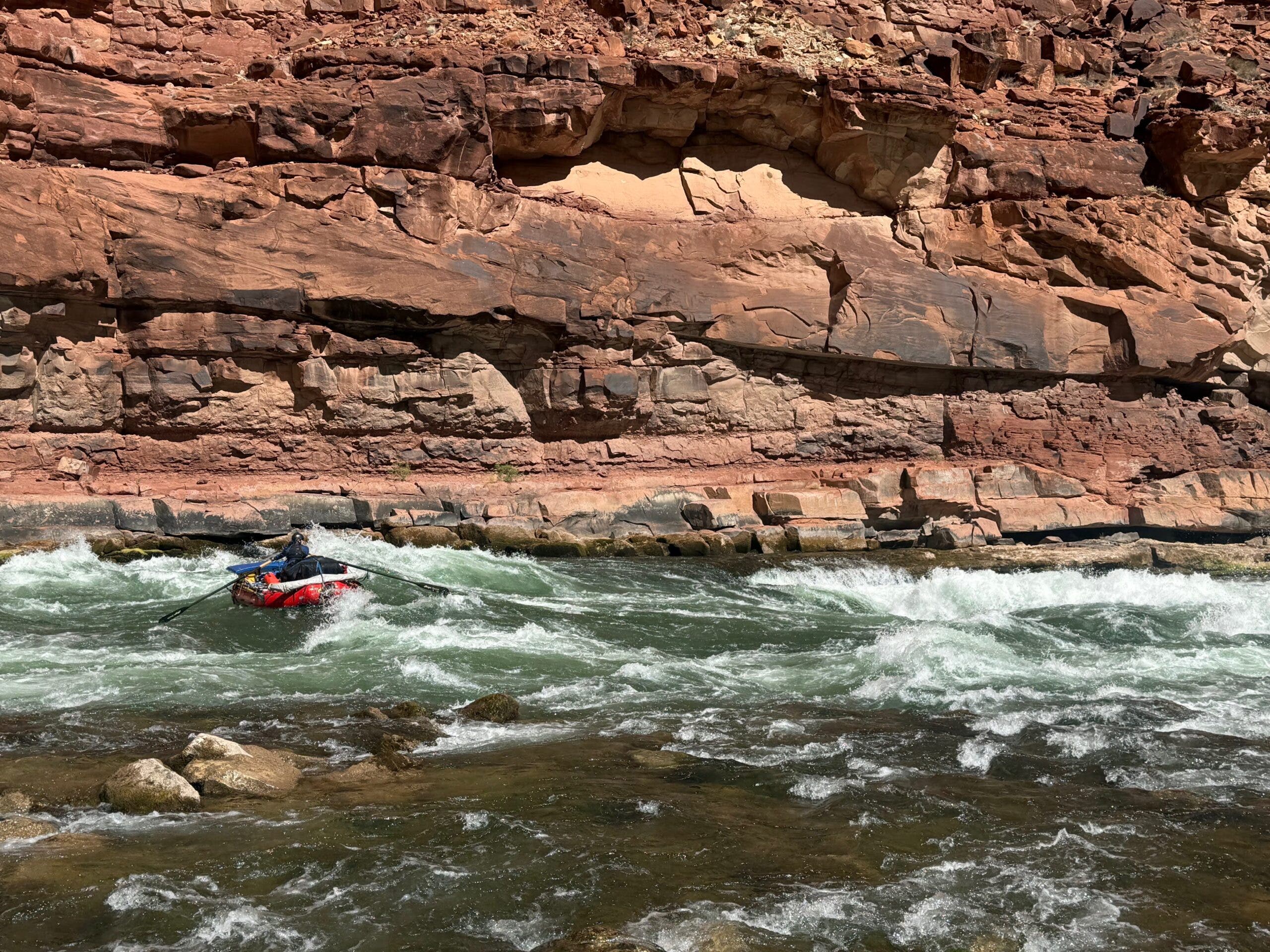
May is the perfect time for this trip—the water is cold but the air is hot. I was shocked by how powerful and massive some of the Colorado River’s rapids are, even at lower water levels. House-sized waves crash over the bow of your boat as you descend through the narrow canyon walls. We suffered some carnage along the way, too. We had a couple of people swim out of their boats on Granite and Upset rapids. My 23-year-old daughter dislocated her shoulder while whitewater kayaking, and eventually she needed surgery to repair a torn labrum.
In hindsight, though, the hiccups along the river seem small in comparison to what we experienced after getting off. I didn’t feel sick at all during the trip. In fact, none of us got ill—just the usual aches and pains that come with rowing a 3,000-pound raft down the river.
Our trip ended on June 2, and we began the drive back to our home in Logan, Utah. Everything felt fine until four days later when I woke up to an oddly sensitive knee. By nightfall, I had a fever and full-body aches.
The following morning, I woke up with a fever, and my knee was swollen and red. My wife took me to an urgent care facility—they gave me one look and said, “Nope, we’re not even going to touch you. You have to go to the emergency room.” For the rest of the day, I was in an ER hospital bed while my medical team conducted one test after another. At one point, I had two IVs, one in each arm. The doctors couldn’t identify anything other than that I had an infection and put me on a two-week round of antibiotics. Although the swelling in my knee has since gone down, I continue to have pain and fevers.
Then my daughter showed me posts other Grand Canyon rafters shared in a Facebook group. These posts described my same symptoms, and similar bewilderment. I shared my own perspective with the group, and received hundreds of responses in return. So, I went back to my doctor and we continued to do more tests. I don’t even know how many I’ve done at this point between the blood draws, fungi and bacterial cultures, MRIs and X-rays.
Every other person that I’m aware of took off the river after me, which leads me to believe that I’m the earliest case of this mystery illness.
I still don’t know what’s wrong with me, but I know that I’m not alone. By virtue of necessity, I’ve had to scale back my life. I’m working less and virtually so I can take naps in the middle of the day because I’m constantly tired. Typically, I’d be going out to the river on the weekend or hiking, and I’ve had to curtail all that.
We were so mindful of our health, which makes the entire illness all the more ironic.
On July 10, my doctor put me on a round of the antibiotic doxycycline. I heard it’s helped others suffering from this illness and after just four days, I’ve felt many of my symptoms improve dramatically. I still have joint and muscle aches, but I’m feeling optimistic. As summer floats on by, I hope answers are soon to follow.
Anyone who did a Grand Canyon river trip in 2026 and has experienced these symptoms is encouraged to contact the NPS Office of Health and Safety at publichealthprogram@nps.gov.
