

If you tuned into the red carpet for the Academy Awards, you may have seen actress Julia Fox being interviewed by social media influencers Quen Blackwell and Jake Shane, who were at the awards show reporting for Vanity Fair.
In a bit that completely misses the mark, Shane quipped several times about the “annoying” child character in If I Had Legs I’d Kick You, which earned Rose Byrne a nomination for best actress. After being asked by Shane repeatedly about the “annoying” kid in the movie, Fox politely and appropriately steers the conversation to the more important tenor of the movie: that it’s meant to depict the unforgiving pressures of motherhood. In fact, the identity of the child is intentionally obfuscated in the film to focus on Byrne’s emotional journey.
The moment has received residual backlash this week—not only for Shane’s flippant remarks, but for what it might indicate about the current state of entertainment journalism and where it’s headed. It raises the question of why media outlets keep hiring internet personalities to do jobs typically done by journalists.
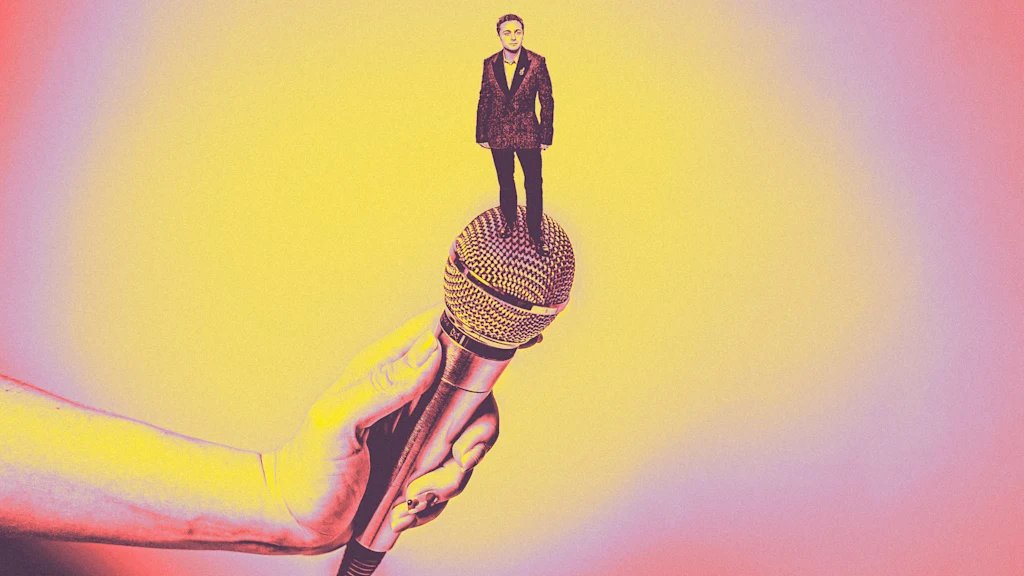
As the media industry is laying off professional journalists en masse, a new kind of landscape and interview style is emerging. In many instances, journalists are no longer steering the conversation. Instead, we now have what I’ve been calling “besties journalism,” wherein big influencers who’ve made a name for themselves turn an interview with a notable figure into a gabfest.
And in our new attention economy, it makes some business sense. Influencers like Shane and Blackwell come with millions of zealous parasocial fans, and their appearance at a major event will inevitably create excitement and engagement online. Plus, many celebrities, politicians, and other high-profile subjects would prefer a softball interview over probing questions about tough issues or controversies. Mixed with an influencer’s propensity or need to be liked and to come across as friends with all their guests, what results is an exchange that lacks depth.
Shane’s time on the red carpet was just a hyper-visible moment for a phenomenon that’s been taking place for years—where the opportunity for virality that benefits both the influencer and the interview subject supersedes all.
Alex Cooper’s steadfast branding as a media mogul and her Call Her Daddy takeover of media can account for much of this shift in recent years. While her show can be entertaining—and has corralled a cult-like following, particularly among young women—it has diluted the sit-down, long-form interview.
Cooper has developed a reputation for chumming up to her guests while rarely following up with questions to their curious answers or demonstrating a deep knowledge of their work. Her 2024 sit-down with then-presidential hopeful Kamala Harris was essentially a well-dressed marketing campaign about palatable women’s issues. Her sit-down with Chappell Roan failed to get into the singer’s complicated relationship with fame and paparazzi. Instead, listeners got—and often get—a wishy-washy mosaic of vibes, affirmations, reactions, quips, people-pleasing, and performing personality.
