

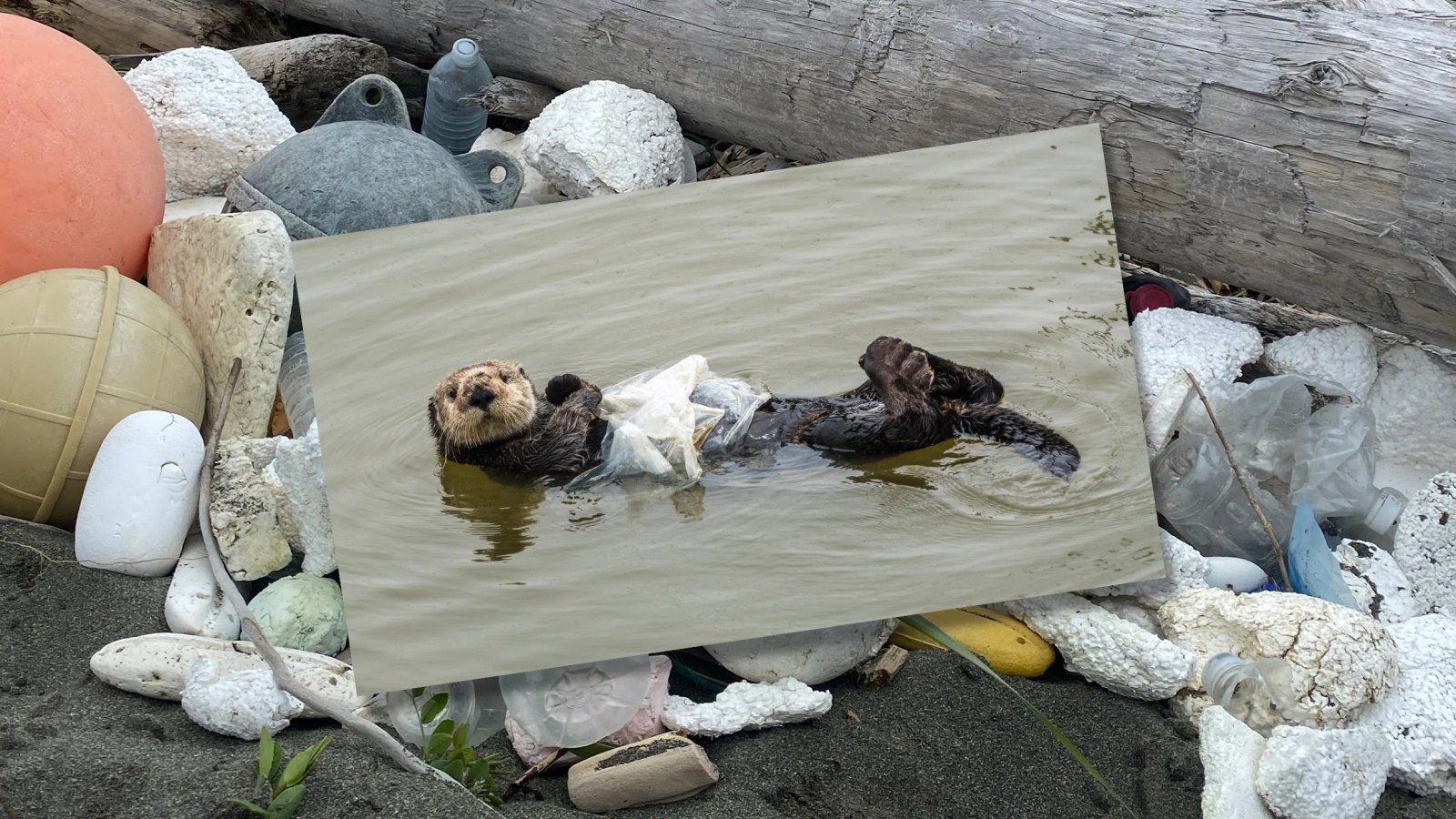
If you pick up plastic trash from a beach, you’re helping protect marine wildlife from harm. And every little piece—from a plastic bottle cap to food wrappers—matters, because even small amounts of this trash can be deadly to animals like sea turtles and seabirds.
A new calculator from Ocean Conservancy can now quantify that impact. If you enter the amounts of different types of plastic that you clean up into the Wildlife Impact Calculator, it will tell you how many animal lives would have been at risk, had those items made their way into the ocean and been ingested.
“We hope that people really see that beach cleanups matter,” says Erin Murphy, Ocean Conservancy’s manager of Ocean Plastics Research and lead co-author of the study that underpins the Wildlife Impact Calculator.
The issue of ocean plastic pollution
Plastic pollution in the ocean is a massive, global environmental issue. Every day, 2,000 truckloads worth of plastic waste enter ocean waters.
Addressing that pollution would require research into better kinds of food packaging and recycling, and policies like an international plastic treaty.
In the meantime, though, beach cleanups can also make a difference. Ocean Conservancy has been hosting an annual International Coastal Cleanup for 40 years. Nearly 19 million volunteers have taken part, removing more than 400 million pounds of plastics and other debris from coastlines over those decades.
Volunteers count and weigh all the pollution they pick up—with common items ranging from candy and chip wrappers to cigarette butts and grocery bags.
