

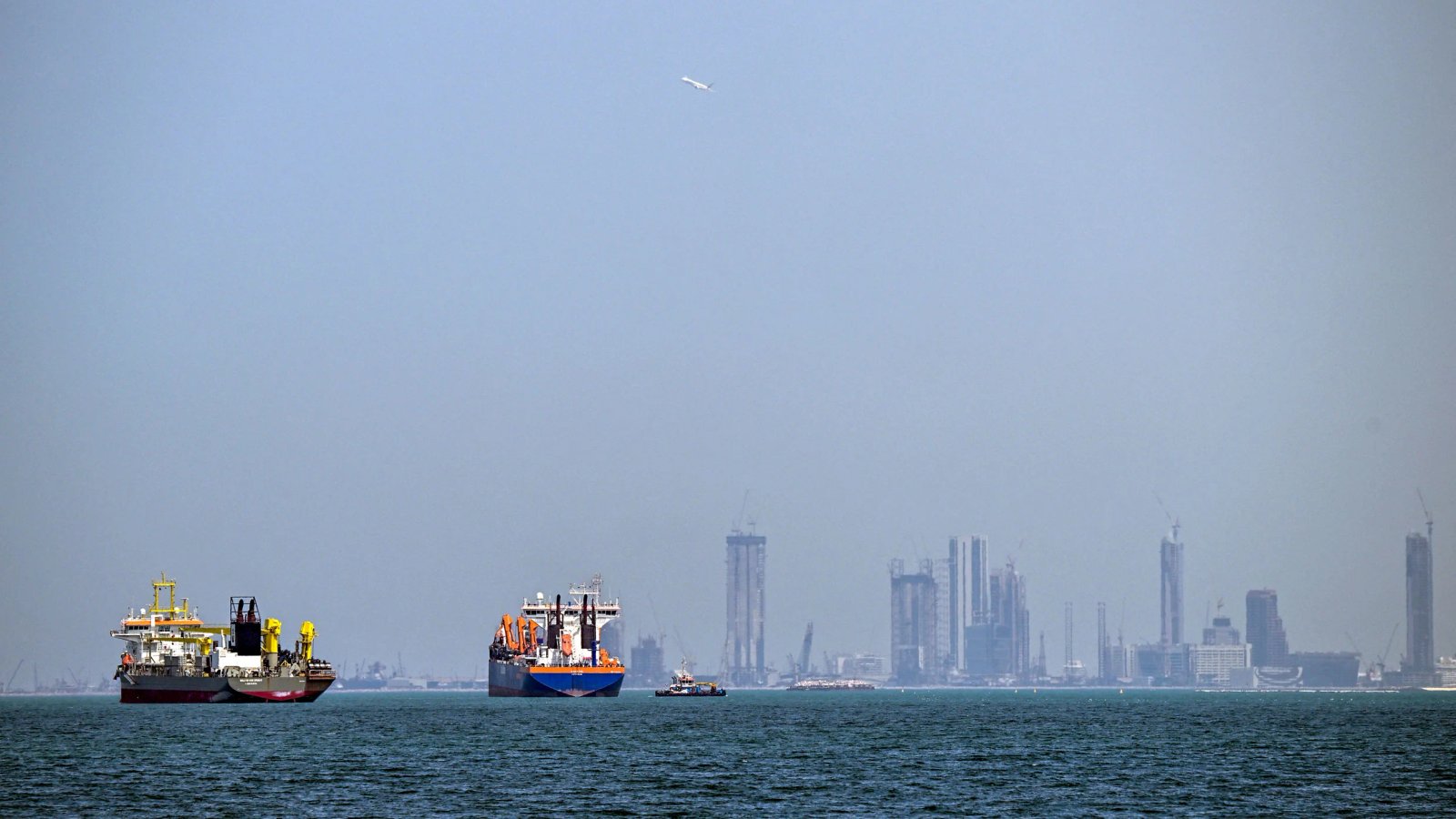
When global trade buckles, Ryan Petersen is the person executives call. The founder and CEO of Flexport offers a real-time account of the Strait of Hormuz crisis—what he’s seeing on the ground, on the water, and across the supply chains straining under the pressure. As ripple effects of the crisis are being felt in different ways in different parts of the world, Petersen provides both a micro and macro view that business leaders need to hear.
This is an abridged transcript of an interview from Rapid Response, hosted by the former editor-in-chief of Fast Company Bob Safian. From the team behind the Masters of Scale podcast, Rapid Response features candid conversations with today’s top business leaders navigating real-time challenges. Subscribe to Rapid Response wherever you get your podcasts to ensure you never miss an episode.
The attacks on Iran have effectively closed the Strait of Hormuz, the world’s most critical oil choke point. Oil prices are up, ships are stranded, global shipping is kind of in limbo. So I know this is changing as we speak, but from what you can see at Flexport, what does the traffic jam look like? What’s the snapshot right now?
The big story, of course, here is oil and energy generally, natural gas, all of that. I think that’s pretty well covered in the media—that prices have been spiking and shortages are starting to appear. Places like Australia, which is very energy-rich but doesn’t produce a lot of oil, are running out of diesel and moving toward a world where they’re just not going to have enough fuel. There are secondary things that are less well covered, which are maybe even more impactful, around fertilizer. That’s actually probably a more important story here.
It’s planting season, and if those don’t come to market, you’re going to have big, big problems in food production around the world. Container shipping is not that impacted, actually, just because the Persian Gulf is a cul-de-sac. You don’t really need to go in there. Air freight’s a bigger deal. The Middle Eastern airlines own somewhere between 15% and 20% of all cargo airline capacity, depending on what source you look at. And Dubai is the biggest cargo airport in the world.
Huge numbers of planes that go from Asia to Europe stop over there to refuel, and it’s a hub for transshipment of cargo. So there, you’ve seen the price of air freight double since the war started. And it’s even up 50% to 60% on trades that would seemingly have nothing to do with that, like Vietnam to the US across the Pacific. Air freight prices have gone up 50%. I saw the United Airlines CEO say that they’re modeling this is going to cost $11 billion in fuel expense.
So these costs are going up because fuel prices are going up, or also because it’s disrupting routes or forcing people to change direction? Or is it hard to know right now?
