

Back in 1972, only 54 years ago, it was way harder for women and girls to play sports.
Resources were scarce, there weren’t the same legal protections as today, it was socially discouraged—and coaches even often found themselves transporting entire teams themselves in their own cars, mopping courts and floors after a match, and funding the purchasing of uniforms and sweats.
Before Title IX—the landmark legislation that ended sex-based discrimination in sports passed in 1972—girls and young women who wanted to go to college for athletics sometimes found they simply couldn’t. Maybe the admission requirements (which were different than they were for men) were too steep; perhaps the school they wanted to attend didn’t even have any women’s sports teams, let alone the sport they hoped to compete in.
But today? It’s difficult to turn on the TV or open up a smartphone without seeing a powerful woman in sports: whether that’s an athlete who is at the top of her game, or an analyst who is racking up award nominations and hosting her own show.
Some of those girls and women moved into the realm of professional sports as athletes, a lot became coaches, GMs, team executives, as well as reporters, announcers, and broadcasters. Equality in women’s sports is about more than the athletes on the field—every time a gain is made for one group of women, on the field or off, it has the potential to improve things for all women.
And today, the women who are leading the way in sports are acutely aware of the impact they have.
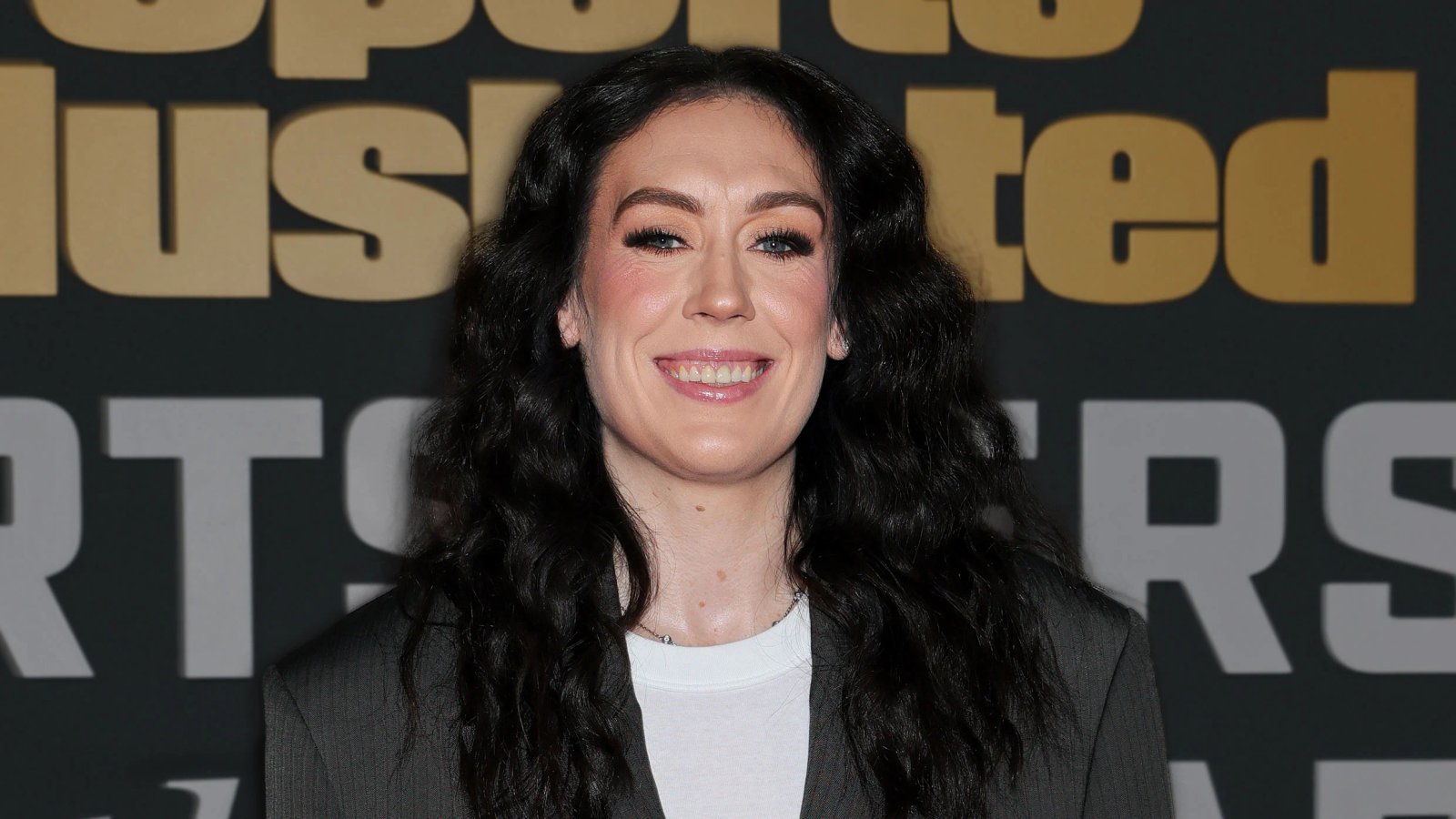
Mega star Breanna Stewart graduated from the University of Connecticut and was the number-one overall draft pick in 2016, and has since added three WNBA championships to her resume. She also started a whole second league: Unrivaled, the professional 3-on-3 women’s basketball league in Miami that she co-founded with fellow UConn alum and WNBA leader Napheesa Collier.
