

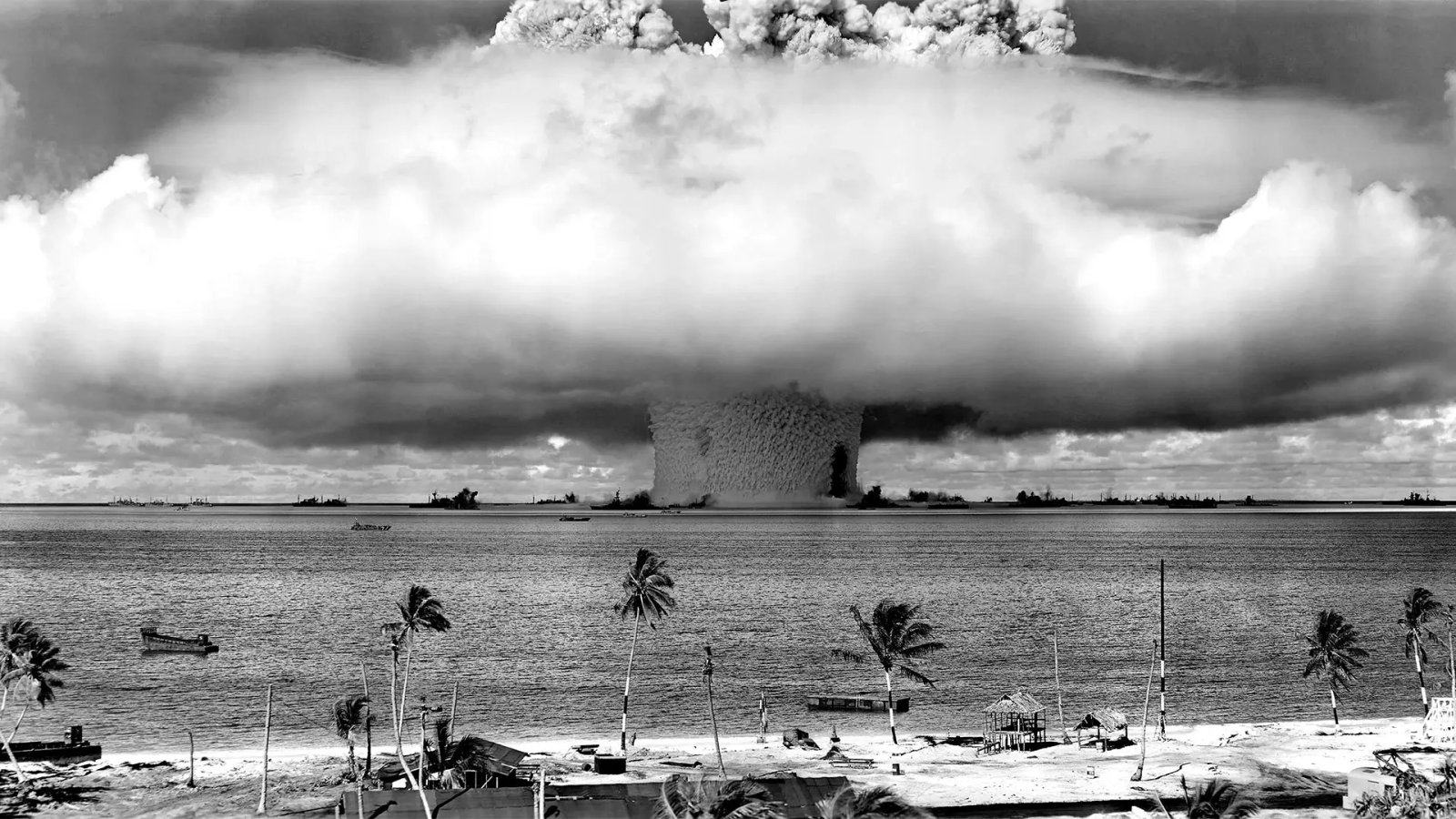
With the world struggling to get oil supplies moving from the Middle East, former House Speaker Newt Gingrich raised eyebrows with a social media post highlighting a radical idea: Use nuclear bombs to cut a new channel along a route that would avoid Iranian threats in the Strait of Hormuz.
Gingrich’s March 15, 2026, post linked to an article that labeled itself as satire. Gingrich has not clarified whether his endorsement was serious. But he is old enough to remember when ideas like this were not only taken seriously but actually pursued by the U.S. and Soviet governments.
As I discuss in my book, Deep Cut: Science, Power, and the Unbuilt Interoceanic Canal, the U.S. version of this project ended in 1977. At the time, Gingrich was launching his political career after working as a history and environmental studies professor.
Improving global trade and geopolitical influence
The idea for a new canal to move oil from the Middle East had emerged two decades earlier, in the context of another Middle East conflict, the Suez crisis. In 1956, Egypt seized the Suez Canal from British and French control. The canal’s prolonged closure caused the price of oil, tea, and other commodities to spike for European consumers, who depended on the shipping shortcut for goods from Asia.
