

Published April 5, 2026 06:00AM
In 2025, a walrus attacked intrepid traveler Ralph Spitzen while he was sea kayaking in Svalbard, Norway. Spitzen told Outside what it’s like to come face-to-face with one of the ocean’s largest marine mammals—and how his quick thinking may have saved his life.
Walruses are serious business. Reaching weights of up to 5,000 pounds, the massive marine mammals have tusks towering three feet in length. They’re smooth, graceful swimmers through their cold Arctic waters and have been known to brawl with polar bears.
Needless to say, they’re not an animal you want to come face-to-face with.
The Cold Coast: Preparing for Svalbard
In June 2025, my wife and I were on a two-week cruise through Svalbard, a cluster of Norwegian islands tucked into the Arctic Circle. It’s a cold, daunting place teeming with wildlife like polar bears, whales, seals, and, of course, walruses.
Life in the remote Norwegian island chain of Svalbard is unlike any other. Given its Arctic environment, its name fittingly translates to “cold coast. At three hours from Oslo, Norway, it’s also extremely remote—and those who live here are only allowed to do so if their health permits. Seriously, it’s a government regulation.
In other words, it’s a place where you don’t want to face a life-threatening emergency.
Part of our cruise experience involved donning drysuits and kayaking through the frigid waters. Exploring Arctic waters requires preparation and specialized equipment, including a drysuit. The waterproof suit creates a barrier with the elements and keeps everything below it dry. Once you’re in, the only parts of your body that are exposed are your head and hands.
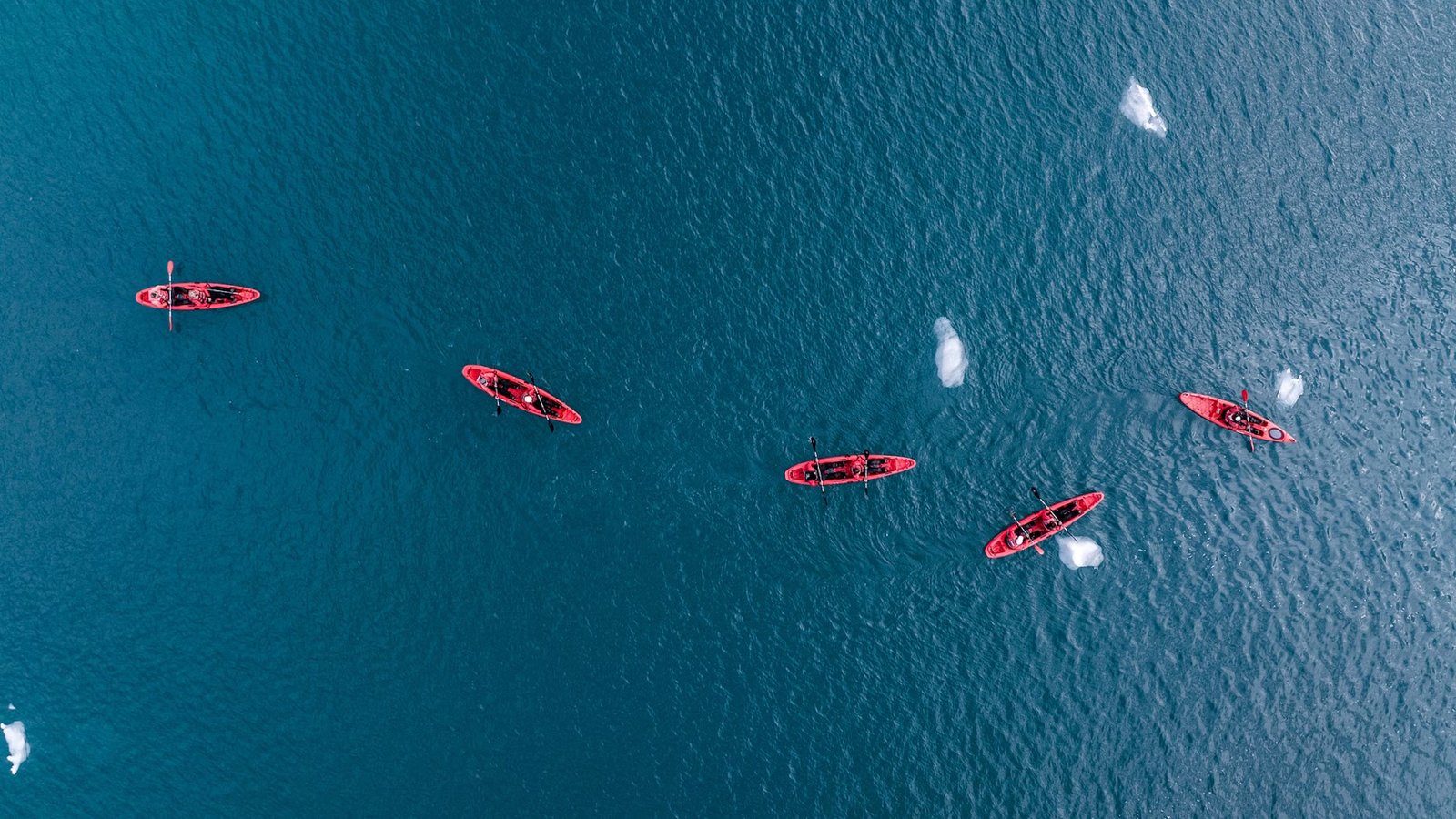
On June 29, the air temperature hovered around 30 degrees Fahrenheit, the skies were crystal clear, and there was no wind. We bundled ourselves up into our drysuits, put on our life jackets, and waddled out to our 17-foot kayak.
We paddled along an island called Nordaustlandet, a mostly ice-covered jut of land with a rocky coastline. Just before we launched, our guides had cleared the area to ensure there were no walruses or polar bears. Smooth sailing—or so we thought.
A Split-Second Encounter in the Arctic
As my paddle blade passed through the serene, still waters, I noticed a large dark-colored blob three feet off the bow, or front of, my boat. It must be a whale, I thought to myself. Within a second, another large, dark blob appeared under my boat and lifted my bow into the air.
Those blobs, turns out, were walruses. And they were capsizing my kayak.
At that point, I just said to myself, Ralph, you’re rolling over, just go with it. There’s nothing you can do to stop it.
The Wet Exit: How Training Saved My Life
I’m 74, and I’ve been adventuring around the world for more than half a century. This was my third trip to a polar region and not my first time kayaking in the extreme cold. Many years prior, I learned how to perform a wet exit. It’s a kayak technique used to escape a capsizing or submerged boat. When paddling, a kayaker wears what’s known as a spray skirt to connect their torso to the boat. Once underwater, a kayaker can pull a loop off their skirt, lean forward, and push themselves out of the boat to the surface. Usually, the process lasts just a few seconds.
It all happened so fast. There I sat floating beside my inverted kayak. There were two females, a juvenile, and a calf walrus, all of whom were displaying defensive behavior. For whatever reason, my boat and I had become a threat to them, and they were acting on it.
My guides acted quickly, bringing in another small boat with an engine, known as a zodiac. The vessel was loud and fast, and its driver created a barrier between the walruses in me. I was cold, a little spooked, but safe.
Respecting the Giants
The experience served as a reminder that when we’re in these environments, we’re just visitors. Things can happen, and they can happen very fast. As we go through life, we experience ups and downs—all of which help shape our personalities, perspectives, and ability to handle stress.
I leaned on my training to stay calm and practice what I’d learned previously. A walrus attack is incredibly rare, but events like this can and do happen. Don’t let the fear deter you from going out and experiencing adventure. Be smart, stay aware, and travel with expertise. Be prepared and show respect.
I’m heading next to Botswana for a safari. Let’s hope we don’t run into any elephants.
As told to Madison Dapcevich. This interview was edited for space and content.
How to Stay Safe in Walrus Territory
According to the Association of Arctic Expedition Cruise Operators, kayakers should:
- Maintain Distance: Stay at least 400-1,000 feet away from haul-out sites, coastal areas where walruses congregate.
- Avoid The Pinch: Never get between a walrus and the open sea.
- Watch for Bubbles: If a walrus is in the water, watch for bubbles; if they appear close, paddle slowly and predictably away.
- Tuck and Pull: If capsized, perform a wet exit immediately and stay with your boat until help arrives.
