

Does your backcountry leader always know best? Our ethics columnist, himself a former guide, explains what to do if your guide’s approach feels dangerous.
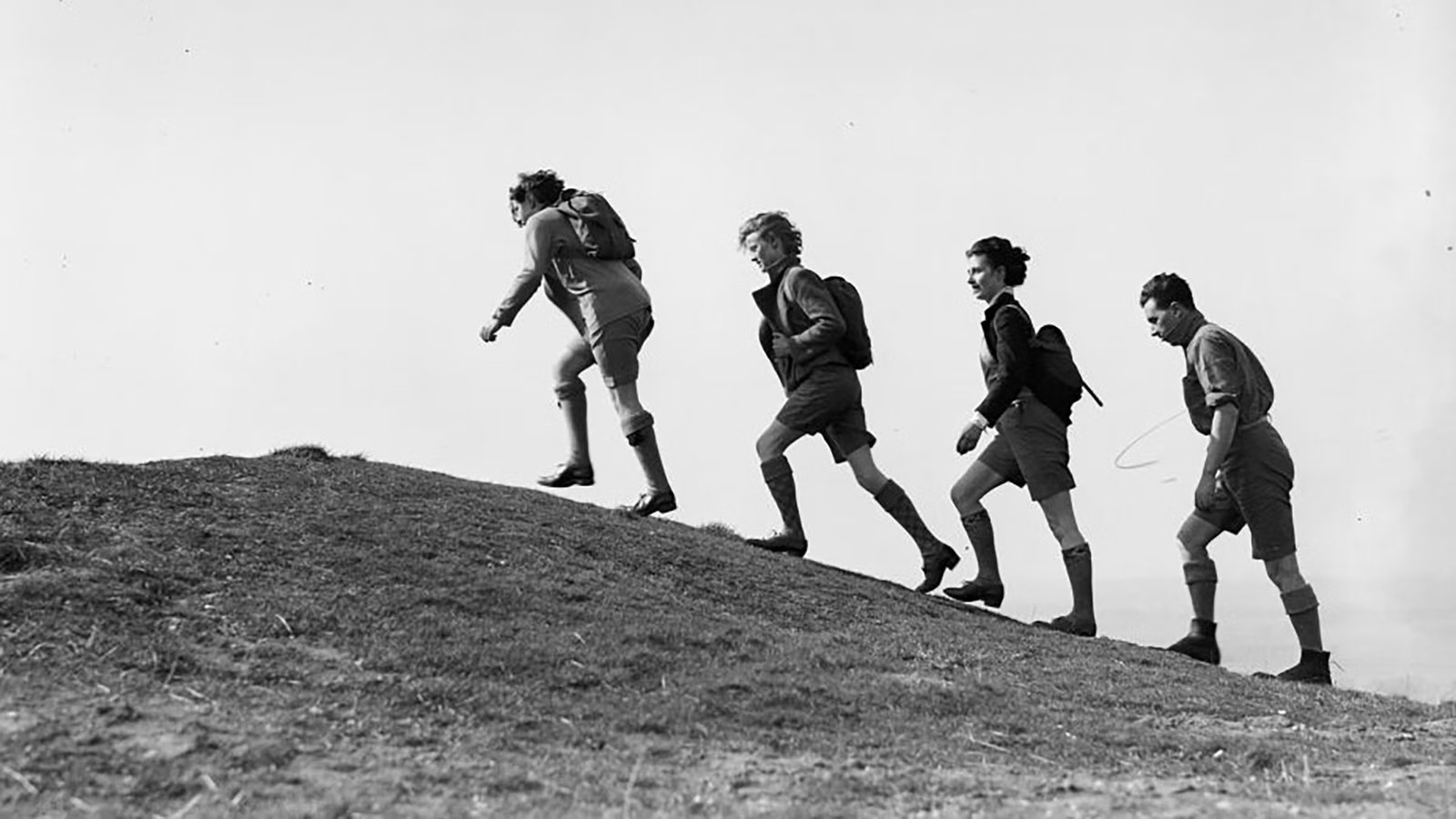
Should you disobey your guide during a backcountry adventure? (Photo: Reg Speller / Getty Images)
Published April 10, 2026 03:16AM
Dear Sundog,
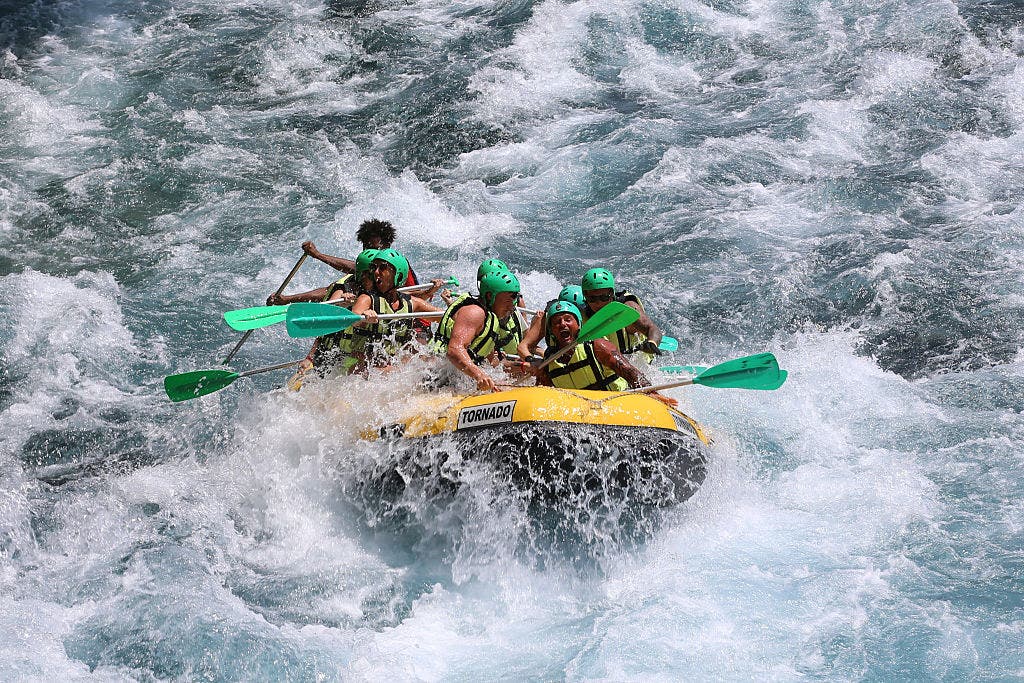
On a recent guided rafting trip down the Upper Gauley River in West Virginia, my guide was taking what seems to be a lot of extra risks. He’d always hit the hole, run the slot, even deliberately flip the boat. The rest of the customers loved it. I was terrified. I’m no expert, but I could see dozens of boats around us taking safer lines. Would I have been within my rights to tell the guide to take fewer risks—just because I thought what he was doing was unsafe?
—Defiant Client
Dear Defiant Client,
Inside me dwells a smart-ass river guide who wants to blurt out: “You made it through all right, didn’t you? What’s the problem?”
That’s surely what I would have said when I was on the oars, had any client told me that what I was doing was unsafe. And yet, with the crystalline and sometimes crippling perspective of middle-age and parenthood, I can look back to a few close calls (and bad calls) where I, but for the grace of God, could have hurt or killed someone. Once I built a rope anchor midway up a steep Alaskan snowfield, then accidentally finished it with a slip knot—a tie literally designed to fail under pressure. I rapped off it. Then my clients rapped off it. The knot held. No one was hurt.
But let’s face it: one major reason we hire a guide is to help us do unsafe things! Or at least: things we’d feel unsafe doing on our own. Meanwhile, backcountry guides are almost entirely a class of people who have chosen the pursuit of danger over the semblance of a safety net that our society offers. Many of them are 24 years old and live in the back of their pickup and, speaking from experience, have not spent a lot of hours contemplating mortality and grief.
We want our guides to make us feel like we are cheating death, without us actually risking death. I am too poor to hire a ski guide, but have skied privately in the backcountry with friends who are guides and avalanche forecasters. Quite a few times, I’ve peered over the lip into some perfect powder chute and thought: Well, I wouldn’t ski this if I were in charge, but since so-and-so thinks it’s safe, what the hell? It must be safe.
This question resonates deeply in light of the recent avalanche tragedy near Lake Tahoe, California in which six clients and three guides were killed by an avalanche. Regardless of what the final investigations find—gross negligence or freak accident—the fact is that six skiers died while being led by professional guides. That outcome is not what anyone signs up for.
Like me, my wife has drifted away from backcountry into lift-served skiing since we became parents. She recently told me that the tragic ski outing in Tahoe was the exact type of backcountry skiing trip she’d be willing to do. She perceived that type of guided adventure as completely safe.
So, Defiant Client, yes you absolutely have the ethical (and legal) grounds to defy your guide. But it’s easier said than done. By hiring a guide you have, in a sense, submitted to their expertise. And when it’s time to get from Point A to Point B—whether that’s over a mountain, down a river, or up a cliff—it’s a bit absurd to challenge your guide. After all, they’ve done this trip before and know a lot more than you do.
Generally there will be other clients who trust the guide and want to complete the expedition as planned (and paid for). So, by protesting, you will have to also defy these customers as well. And the time-worn tact of sitting on your pack and refusing to take another step simply doesn’t work if you’re halfway up or down a trail, slope, or cliff.
It’s best to think of this decision less in terms of ethics than in terms of logistics. That is, you should vocalize your concerns and fears the moment you book the trip—not at the moment of danger. Next time you run the Gauley, you can specifically request a guide who takes the safest lines. Other clients may request John E. Flips.
The vast majority of guided expeditions, be it on the river, mountain, or backcountry ski slope, end safely. I presume a large percentage of clients are, at some point, at least slightly scared during the adventure.
Should you try to overrule your guide each time you are afraid? Probably not. That said, if you truly feel that a guide is putting your life at risk you should—you must—speak up.
Mark Sundeen worked as a guide in Utah and Alaska for eleven years. You can trust him.
