

Published April 10, 2026 11:51AM
Whether you’re hiking from dawn to dusk, tackling a challenging mountaineering expedition, or living off the grid deep in the backcountry, your body and mind are constantly pushed to their limits. Fatigue sets in, sleep becomes scarce, and both physical and mental performance begin to decline. It’s in these harsh, high-stakes environments that your body’s reserves of energy and focus are depleted. In conditions like those, you’ll want to be as alert as possible.
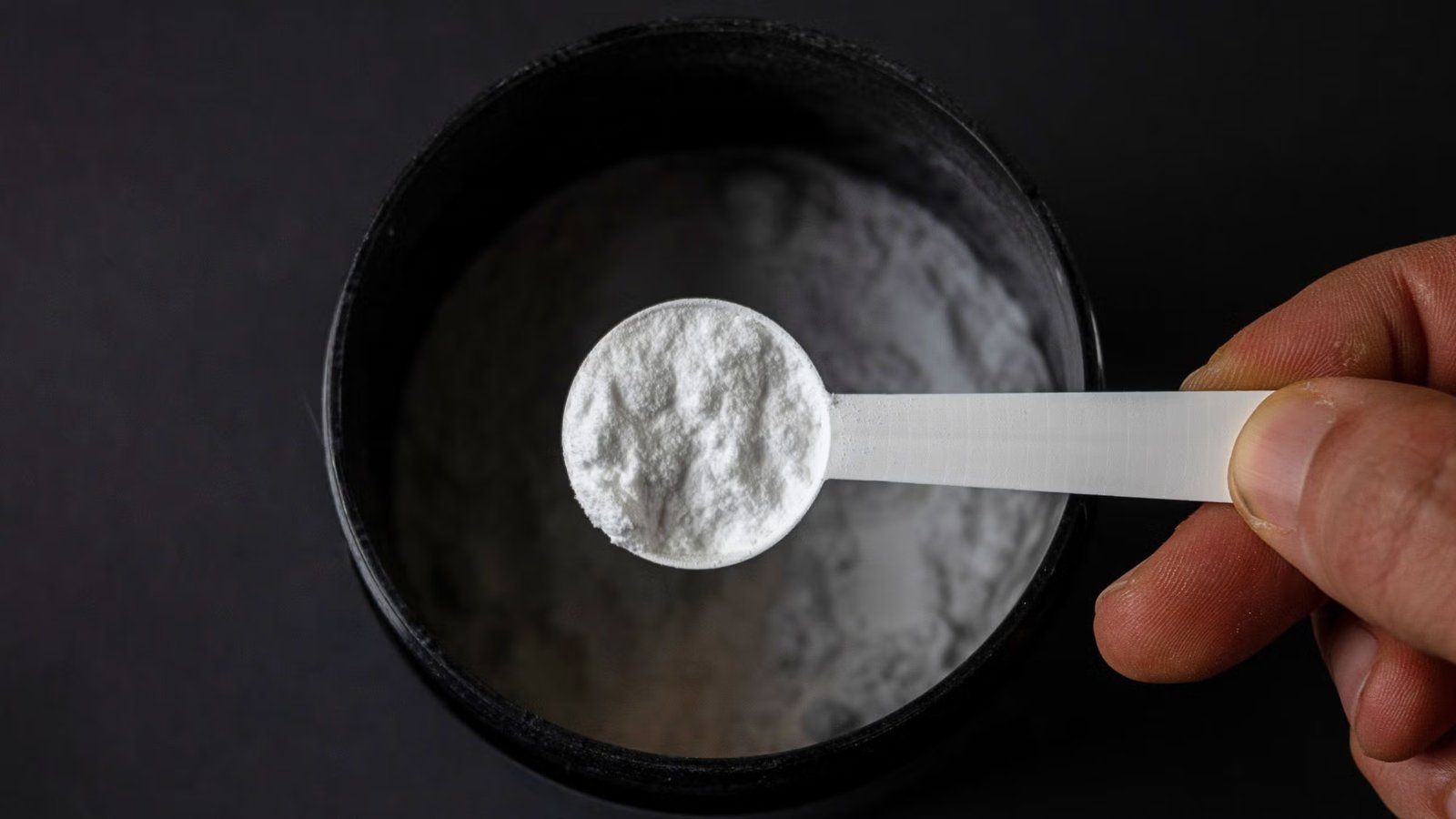
Can a supplement—specifically creatine monohydrate, which is popular because it’s widely accessible, budget-friendly, and has a high bioavailability (meaning that it can be easily absorbed in and used by the body)—help you stay mentally sharp when you’re running on empty? The answer may be yes. Here’s what you should know.
How Creatine May Help You Think More Clearly and Stay Alert
While creatine is traditionally known for its role in enhancing muscle strength and recovery, there’s some evidence suggesting it may help your brain function better, especially under stress and fatigue. Creatine’s main function is to regenerate adenosine triphosphate (ATP), a molecule in the body that supplies and stores energy.
Roberto Cannataro, a chemical engineer and sports nutritionist, explains, “ATP is the vehicle of energy into cells, and the first and fastest way to restore ATP is creatine; every [bit of] energy needed in the first five to ten seconds [of intense physical activity or exercise] is covered by creatine.” This is especially important for the brain, which operates at high speeds. Cannataro adds, “Neuronal connections often occur in less than a tenth of a second, so having a rapid energy source like creatine can help the brain respond faster under stress.”
This means that when your body’s energy stash is low—whether from lack of sleep, physical exhaustion, or environmental factors—creatine could provide the boost your brain needs to continue performing complex mental tasks needed when traversing the outdoors, such as decision-making, navigation, or problem-solving.
Can Creatine Improve Brain Power When the Body Is Under Extreme Conditions?
A 2025 review on the benefits of creatine supplementation in adults over 55 reported that creatine improved memory, processing speed, and attention. A study published in Scientific Reports in 2024 suggests that creatine can also help alleviate tiredness. In extreme environments, this may offer a key advantage for those who need to stay vigilant under pressure. A recent small study examining how creatine supplementation affects typical brain processes in sleep-deprived people found that creatine may boost mental performance and reduce sleepiness even under stress. The researchers stated, “It can be concluded that creatine has the potential to be used in prolonged cognitive activity during sleep deprivation.”
Despite promising results, the jury is still out on just how impactful creatine is on the brain. A 2023 study about creatine’s impact on cognition examined 123 participants who took five grams of creatine monohydrate per day for six weeks. The study aimed to assess the effects of creatine supplementation on memory and reasoning ability. Julia Fabien Sandkühler, the lead author of the 2023 study, says, “We are still very unsure if creatine helps with brain function in everyday settings, much less in extreme environments like sleep deprivation or altitude.” She notes that while there were slight improvements in working memory, it’s not yet clear whether these effects would translate to more complex mental demands, especially in high-stress or high-altitude environments.
Creatine May Be Good for the Brain During Big Climbing Expeditions or Hikes
Andrew Murray, a professor of metabolic physiology at the University of Cambridge, has studied how creatine affects energy metabolism, particularly in high-altitude environments.
“Creatine helps replenish ATP in cells,” he says, “but there are mixed reports on its beneficial effect on cognitive function. Some studies report mild improvements, but others show no effect.” He also points out that, at high altitudes, where oxygen availability is limited and energy metabolism becomes more strained, it remains unclear whether creatine supplementation offers significant benefits.
Cannataro, however, is more optimistic about creatine’s potential in extreme environments. “Altitude is characterized by a lesser oxygen amount in the air, so anaerobic glycolysis (a process that produces ATP in the body when oxygen is low in the body)—or better, creatine—could be the most important supply, giving a more prolonged energy source,” he says. This means that in situations where oxygen is scarce, such as at high altitudes, creatine might help provide the energy necessary to support both physical and mental performance.
What Does This Mean for You?
While more research is needed to fully understand creatine’s cognitive benefits, its role in ATP regeneration makes it a promising supplement for maintaining mental clarity in demanding conditions. Creatine may also have the potential to play an important role in combating age-related cognitive decline, Cannataro says.
Regarding dosage, taking between three and five grams of creatine per day is considered safe, according to Harvard Health. However, there are two things to keep in mind. The first is that people with kidney disease should check with their doctor before taking creatine, as some studies suggest it can affect renal function. Second, when you first start taking creatine, you might retain some fluid initially until your body adjusts. That water retention may last for about one week.
Whether you’re tackling physical exhaustion, a lack of sleep, or mental fatigue, creatine’s ability to quickly replenish ATP may offer a vital mental edge.
Want more Outside health stories? Sign up for the Bodywork newsletter.
