

Updated April 10, 2026 03:18PM
It ain’t easy being a professional cyclist.
You ride your bicycle all day long, no matter if it’s sunny or dumping rain. Every few races, you crash and suffer a painful case of road rash. And yeah, you spend most of your waking hours in Lycra.
Alas, there’s a new headache that the world’s best cyclists must endure: Fans are literally stealing the roads on which they race.
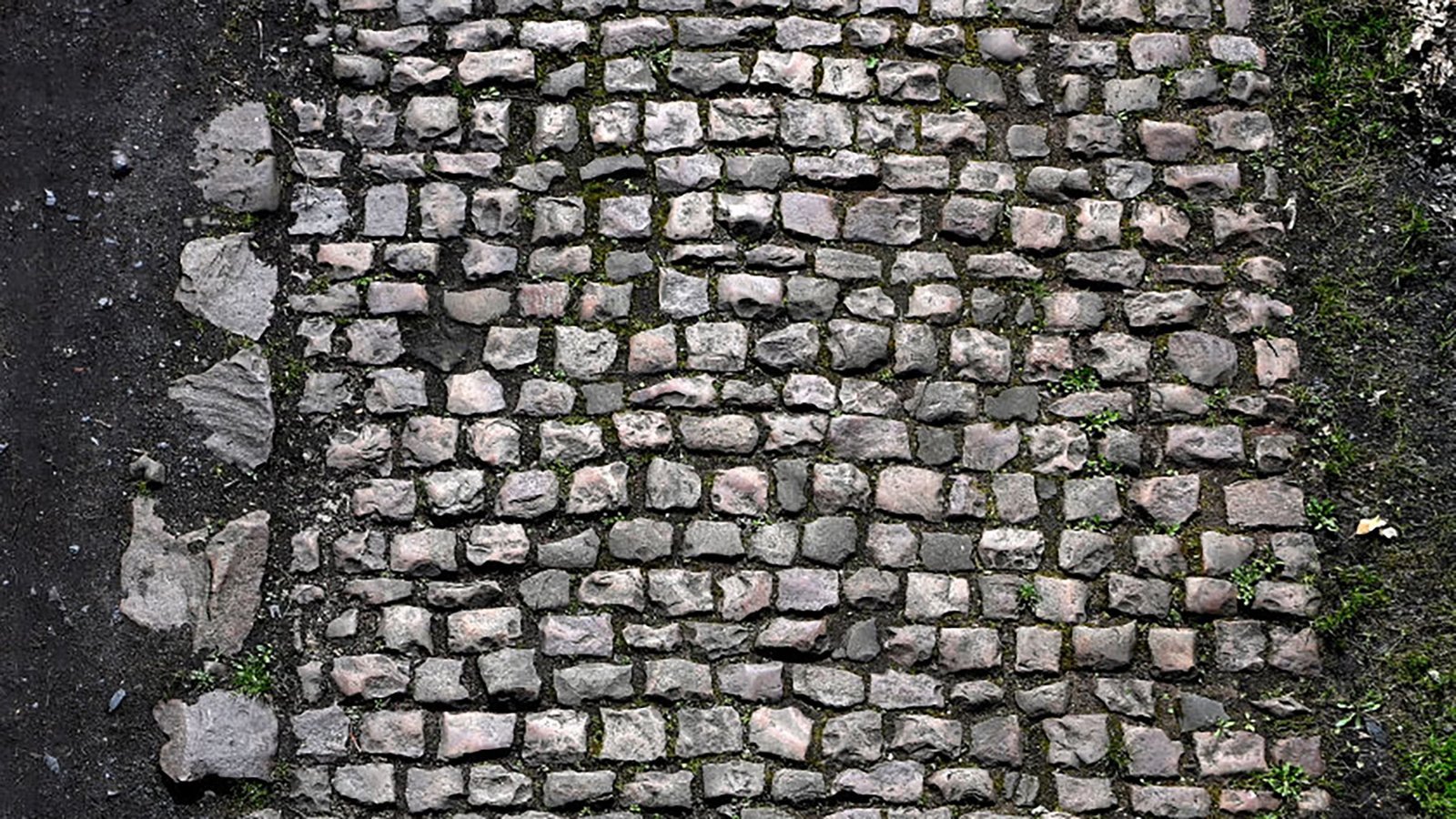
That’s right, the news out of Europe this week is that thieves have been pilfering cobblestones from the racecourse of the upcoming Paris-Roubaix, a famous bike race across Northern France. For those who aren’t familiar with Paris-Roubaix, which will be held on Sunday, April 12, the cobblestones are kinda sorta the main attraction.
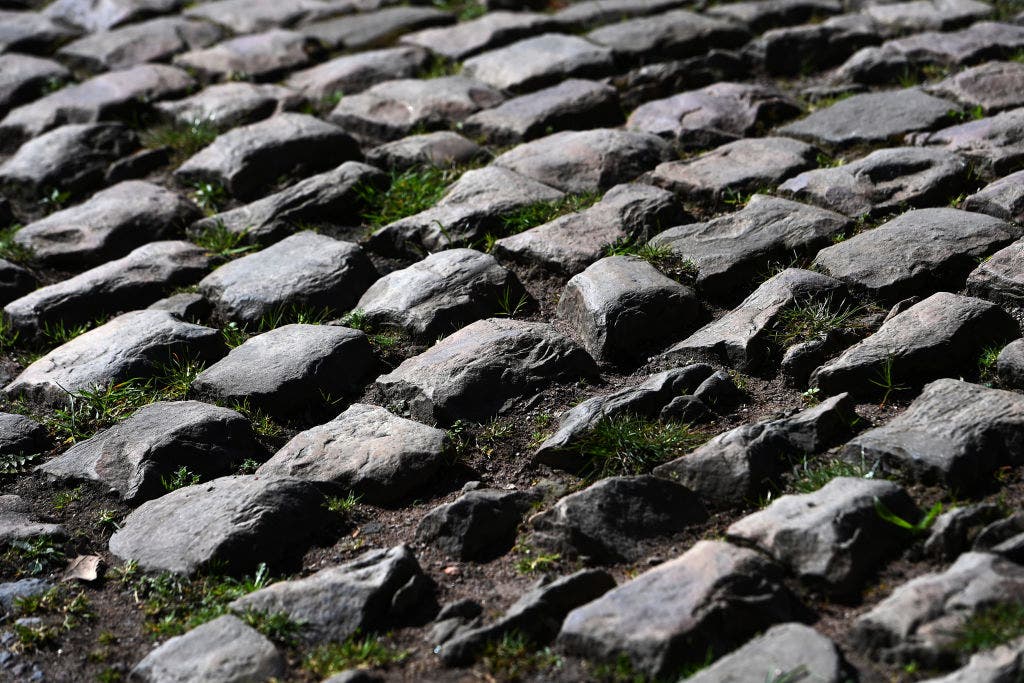
Along the 160-mile route, from the city of Compiegne to the industrial town of Roubaix, the cyclists ride over over 30 different sections of cobblestone roads. Riding a bicycle over these bumpy and slippery rock-covered lanes is akin to placing a jackhammer on your backside. The jostling leads to crashes and chaos.
The pileups, intense pain, and physical punishment caused by these cobblestones is what ultimately whittle the 175-rider peloton down to the sole winner. Paris-Roubaix racers often cross the finish line in various states of physical agony. The race’s nickname, “Hell of the North,” and its reputation as pro cycling’s hardest one-day race, are all tied to the cobblestones.
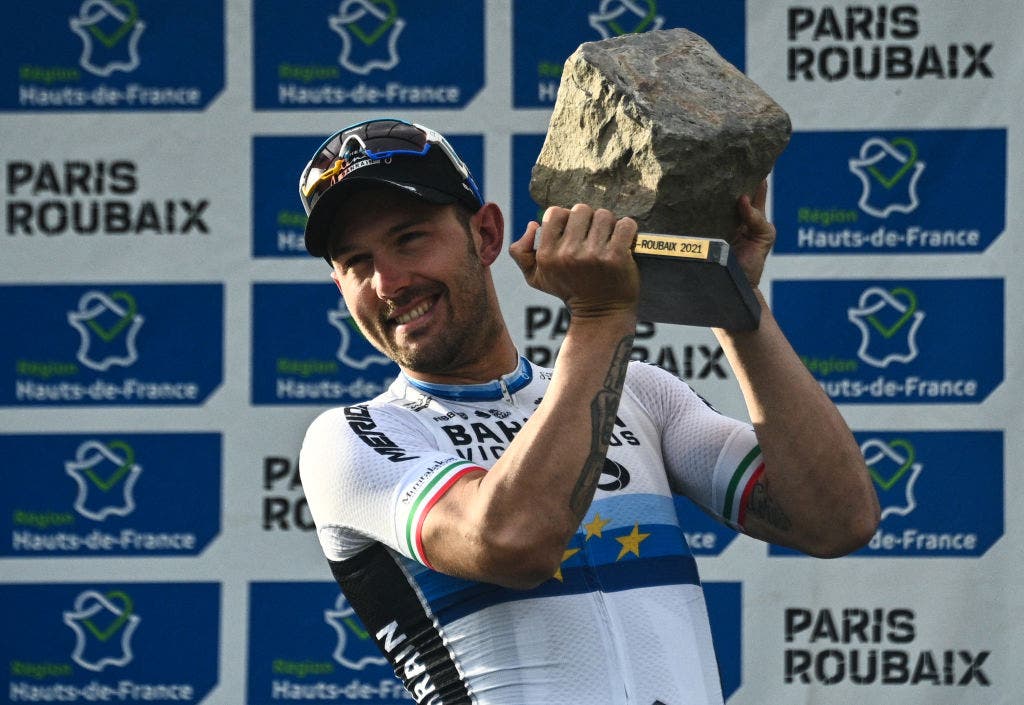
Even the winner’s trophy commemorates the rocks. Both the men’s and women’s race winners receive a massive cobblestone welded to a heavy rock base.
So yeah, the rocks are famous! And historic! Paris-Roubaix has been going on since William McKinley was president in 1896.
And now, people are digging them out of the dirt and taking them home as souvenirs. It’s as if someone stole the bases from Fenway Park, or took a rafter from Madison Square Garden home with them.
This past week, the event’s director, Thierry Gouvenou, made a plea to the public in the Dutch newspaper De Telegraaf, asking them to leave the rocks in their place.
“Leave those cobblestones where they belong,” Gouvenou said. “This race is ruthless enough as it is.”
As it turns out, digging a stone out of a road only makes things more dangerous for the cyclists. Andrew Hood, my former colleague at the cycling publication VeloNews, recently strolled the Paris-Roubaix course and saw numerous areas where rocks had been removed. Hood noted that, after a rock is taken, what’s left is a massive hole in the street that poses a terrifying danger to cyclists.
A hole like that can snap a carbon-fiber wheel in half, or cause a cyclist to lose grip on thier handlebars. And when a peloton of 175 racers passes over it going 30 miles per hour, even a small bobble can lead to a pileup. Gouvenou highlighted the danger in his interview with De Telegraaf.
“It will inevitably lead to crashes in both the women’s and men’s races,” he said. “It would be deeply tragic if one of these stars crashed because someone thought a cobblestone from Paris-Roubaix looked nice on their mantelpiece.”
I reported on pro cycling for more than a decade at VeloNews, and got to watch Paris-Roubaix live on a few occasions. I even got to ride across the stones, and experienced the jackhammer-like sensation on my backside.
To me, the current ordeal highlights the unorthodox relationship that cycling fans have with their favorite sport. Unlike in soccer, baseball, or even tennis, cycling fans do not need to buy a ticket or enter a stadium. All you must do is stand along the roadside and watch for your favorite racers zoom by, inches from your outstretched arms.
This up-close-and-personal relationship breeds a similarly strange culture of souvenir chasing. Everyday items from the world of bike racing become collectibles once they are tossed aside during a race. Fans, likewise, crowd the roads screaming for these items. Bidon! (water bottle). Casquette! (cycling cap). Musette! (food bag). Most riders and team directors riding in a follow car will, at some point, drop collectibles to fans.
Of course, picking up a water bottle and digging a cobblestone out of the street are two entirely different activities. But I believe they are related to the same line of thinking: I can attend a bike race and go home with a cool souvenir!
What, exactly, anyone does with stolen masonry is a mystery.
Like Gouvenou, I’m here to voice my own plea: Leave the cobblestones where they belong. They are famous and sacred elements of pro cycling’s wonderful history.
If you really want one, then get on your bicycle, train your butt off, and earn one the old-fashioned way, by winning Paris-Roubaix.
