

Published April 21, 2026 04:00AM
In the 1941 classic Cook It Outdoors, James Beard offers a recipe for baked beans–and a caveat. Beans are, of course, the American outdoor meal par excellence. Cowboy fare. A campsite staple. They are also, Beard makes clear, something of a hassle to cook from scratch. “If you think these are better than the really excellent canned ones now available,” he writes, “and if you think they are worth the trouble, go right ahead.”
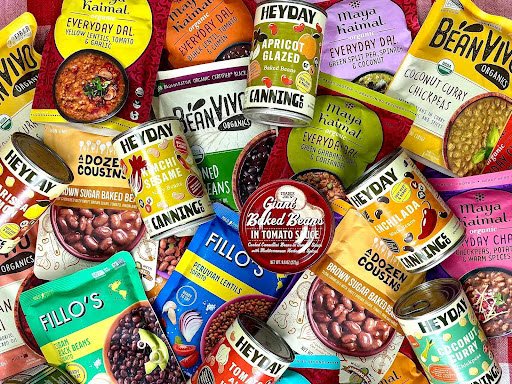
The thing is, the canned-bean aisle at the grocery store hasn’t evolved much over the last 85 years–though the public perception of canned foods has, and not for the better. Now, a few upstart companies are hard at work on that image problem.
In some cases, that means ditching the can altogether. Brothers Antonio and Daniel Caballero launched the Fillo’s brand in 2016 with a storefront in Aurora, Illinois, selling three varieties packed in multi-layer laminate pouches: Cuban Black Beans, Panamanian Garbanzos, and Mexican Mayocobas. “Our dad is from Cuba and our mom is from Panama,” says Daniel. “We found that we didn’t have the time to prepare a lot of the foods that we grew up with. And there wasn’t really a convenient solution in the marketplace.”
Whole Foods picked them up in 2017; by 2019, they were in stores nationwide. The pandemic was a watershed moment. By 2021, Fillo’s Cuban Black Beans were the highest-velocity pouched bean in the U.S. Today, Fillo’s sells seven varieties of beans plus pouch-packed tamales and bean-and-grain meals.
All Fillo’s beans begin with a sofrito, the Latin American/Caribbean flavor base of diced aromatics, herbs, and spices cooked gently in extra-virgin olive oil. That very traditional element is actually novel in a canned product: “Not many processors out there are willing to mess with olive oil and fresh vegetables,” says Fred Schlatter, Fillo’s head of business development. The beans cook right in the pouch along with the sofrito. “Short, high-temperature cook cycles mean the beans remain whole and the vegetables aren’t blasted to smithereens,” Schlatter explains.
More pouch pros: “Campers, hikers, and backpackers prefer a pouch,” Schlatter says. “It’s lightweight and easy to pack out.” Though all Fillo’s products come ready to eat, if you want to heat them up, a pouch can go right in the microwave. Pouches are lighter to ship than cans, which reduces the carbon footprint significantly, Schlatter says. But they aren’t recyclable, at least not yet.
That last point is a deal-breaker for Kat Kavner Woolf. When she and Jaime Tulley founded Heyday Canning Co. in 2020, they weighed the pros and cons and felt better about cans from a sustainability standpoint: “Why would we be putting anything in a plastic pouch that’s going to landfill?” There were other reasons, too. “I thought there was something really fun about embracing the can, which has been such a staple in the American pantry for so long,” Woolf says. “It felt like a juicy challenge to try to reimagine it.”
The labels stand out on the supermarket shelf with a bright retro style that winks at the nostalgia of the can while suggesting there is something new on offer inside. And there is. The Kimchi Sesame Navy Beans, for instance, are made with fresh kimchi, garlic, ginger, and toasted sesame oil. The only preservative involved is the heat used to cook the beans and their sauce in the can. I found them for $3.50 per 15-ounce can at one local supermarket–a dollar or two above what the Campbell’s and store-brand beans shelved next to them were selling for. “You just can’t make something truly delicious from quality ingredients, with a health profile you feel great about eating, and still sell it for $1.99,” Woolf says. “The math does not math.”
I tasted my way through the shelf-stable, meal-worthy beans from Fillo’s, Heyday, and four other bean-aisle disruptors widely available in supermarkets around the country. Natural ingredients. Protein and fiber galore. Pretty healthy overall–if you’re not concerned about sodium. That was sometimes on the high side, though certainly no higher (and often lower) than what you’d find in, say, frozen entrees from the likes of Healthy Choice and Amy’s. One way around that? Stretch the servings you get from a can with other ingredients, a strategy both healthy and thrifty. Though the new-school cans and pouches below are designed as meals in themselves, I offer suggestions for zhuzhing them, all very easy to pull off whether you’re cooking at a campsite or staring down your pantry on a weeknight.
The Best New Wave Campfire Beans—And How to Upgrade Yours
Fillo’s Cuban Black Beans Sofrito
I’m not always a fan of garlic powder, so the fresh garlic flavor in these black beans is a revelation. The homemade vibe is strong here. This is real food, nice and saucy, boldly cuminy but not hot. $4.69 for 10 oz at my local Fresh Market.
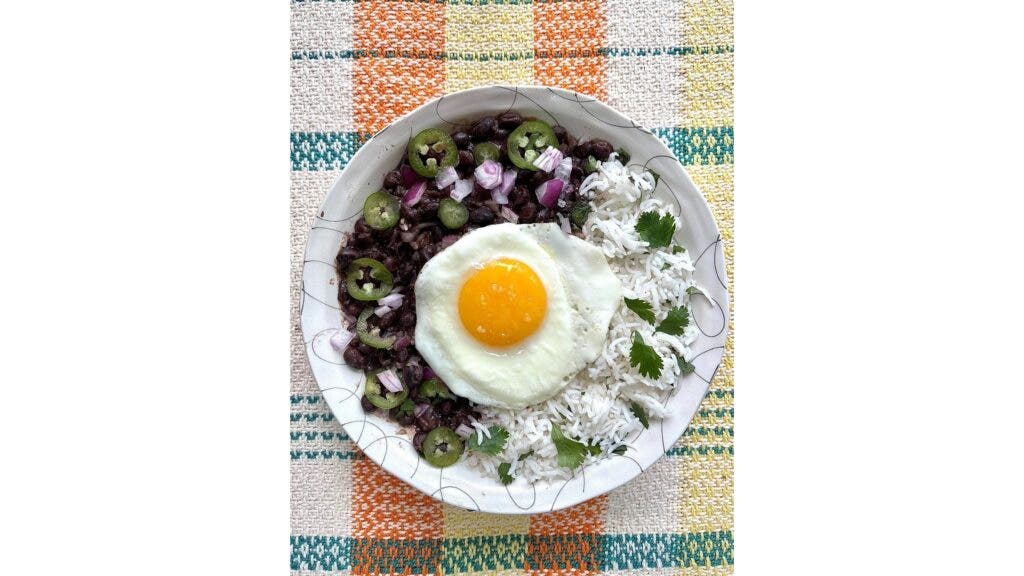
Zhuzh It: Daniel Caballero says, “Black beans, rice, fried egg: if I’m doing an endurance cycling event, that’ll be my breakfast for sure.” So I did the same (minus the cycling), further zhuzhed with sliced jalapeño, chopped red onion, and cilantro.
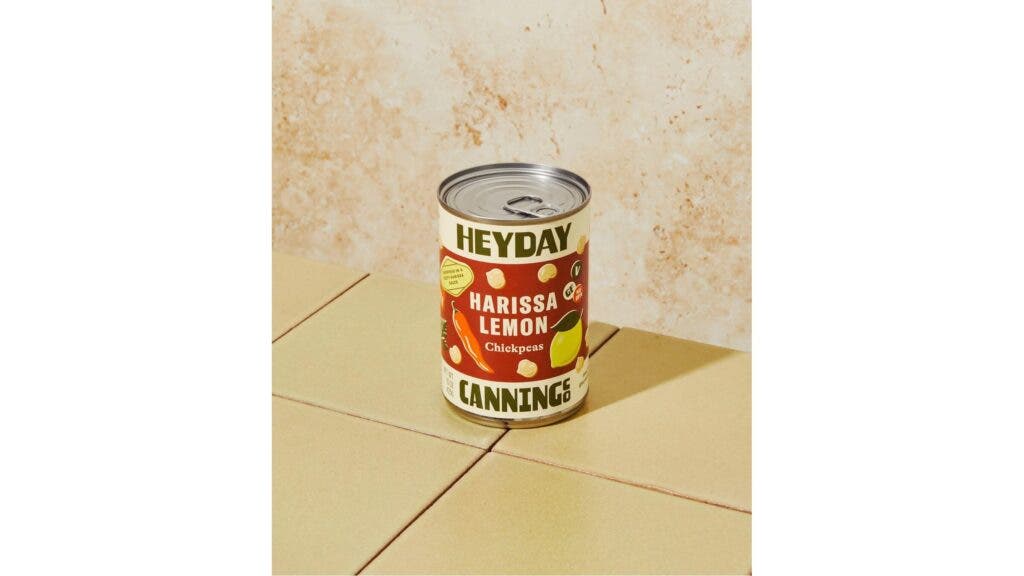
Heyday Canning Co. Harissa Lemon Chickpeas
I guess I’m the target audience for this brand’s sassy labels and catchy flavor combos. (Heyday’s Lemon Parmesan Noodle Soup has been a comfort object for this recovering latchkey kid for some time now.) These saucy Lemon Harissa Chickpeas with complex spicing and concentrated red-pepper flavor are a good example of why I buy this brand: Along with the beans themselves, cooked just until toothsome, the can delivers ingredients (like rosewater) I don’t always have on hand in my kitchen, and a lot of bang for the buck. $3.50 for 15 oz at my local supermarket chain
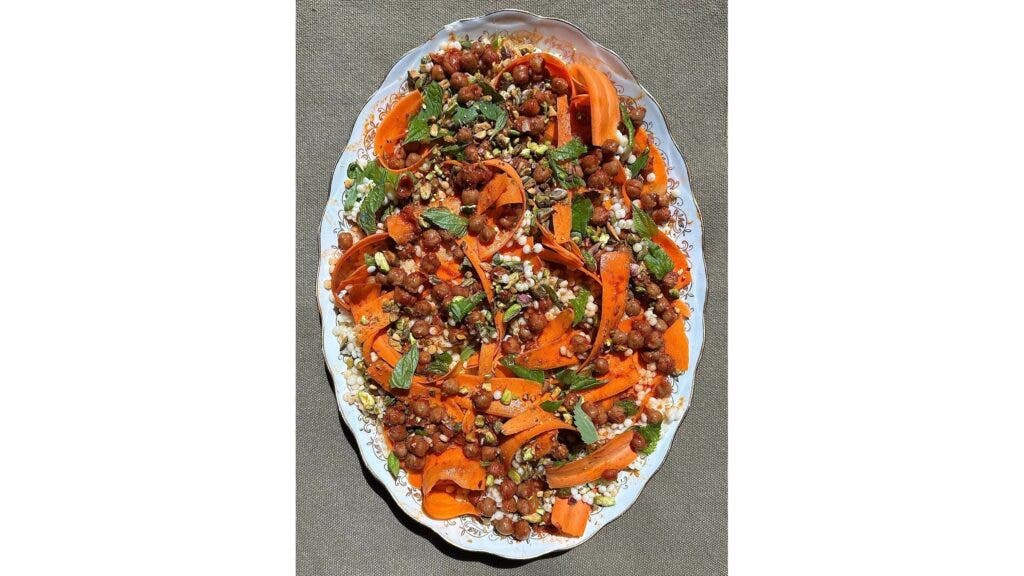
Zhuzh It: Drain the sauce from the can into a separate bowl. Whisk in red-wine vinegar and olive oil to make a vinaigrette. Use a vegetable peeler to shave a few carrots into pretty curls, combine with pearled couscous, the chickpeas, and the vinaigrette. Garnish liberally with torn mint and crushed toasted pistachios. (A solid option for competitive potlucking.)
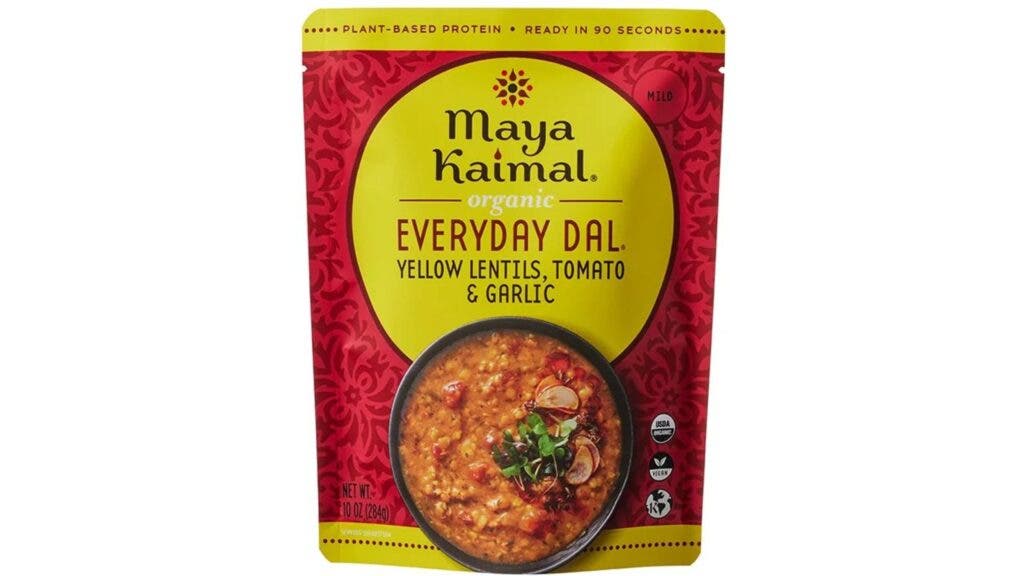
Maya Kaimal Organic Everyday Dal Yellow Lentils, Tomato & Garlic
Another pioneer in pouched legumes as well as a James Beard Award-winning cookbook author, Maya Kaimal makes a couple of coconutty options in her Everyday Dal line–the Green Split Pea, Spinach and Coconut, and the Red Lentil, Butternut Squash and Coconut–that are pretty swoony over rice. When I’m run down or chilled to the bone, however, this lighter dal, bright with tomato and full of warming spice, calls my name. $4.99 for 10 oz at my local supermarket chain
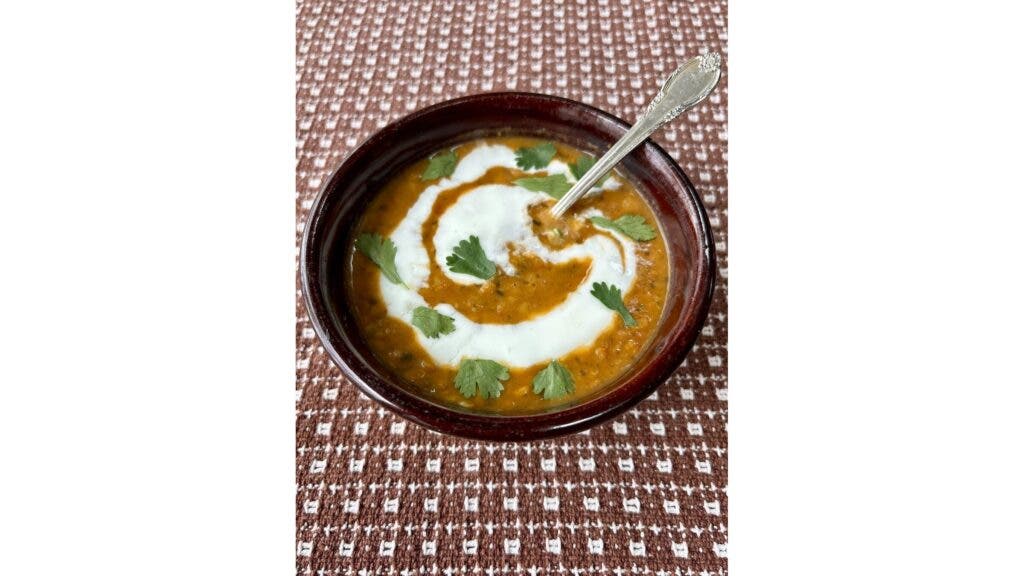
Zhuzh It: Add a splash of stock (I do chicken, you do you), stir in a swirl of yogurt, scatter cilantro leaves over the top. That’s one life-affirming soup.
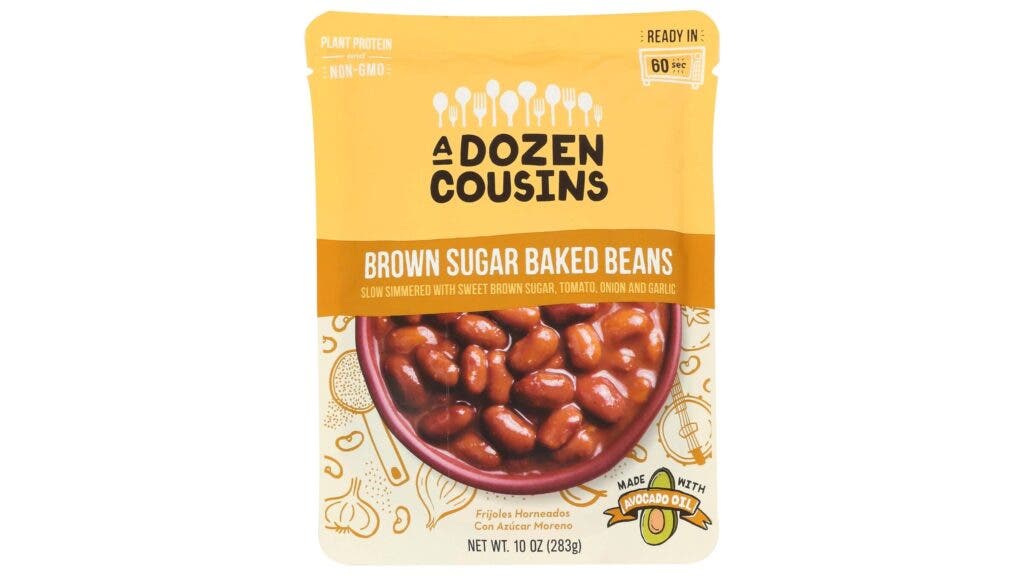
A Dozen Cousins Brown Sugar Baked Beans
I had to include a classic baked bean option on this list, and these pintos are that and more. They swap out the typical cloying, ketchupy sauce for a garlicky base with just enough brown sugar for a hint of sweetness; a little cider vinegar brings a balancing tang. There’s a nice buzz of black pepper here too. $3.99 for 10 oz at Whole Foods
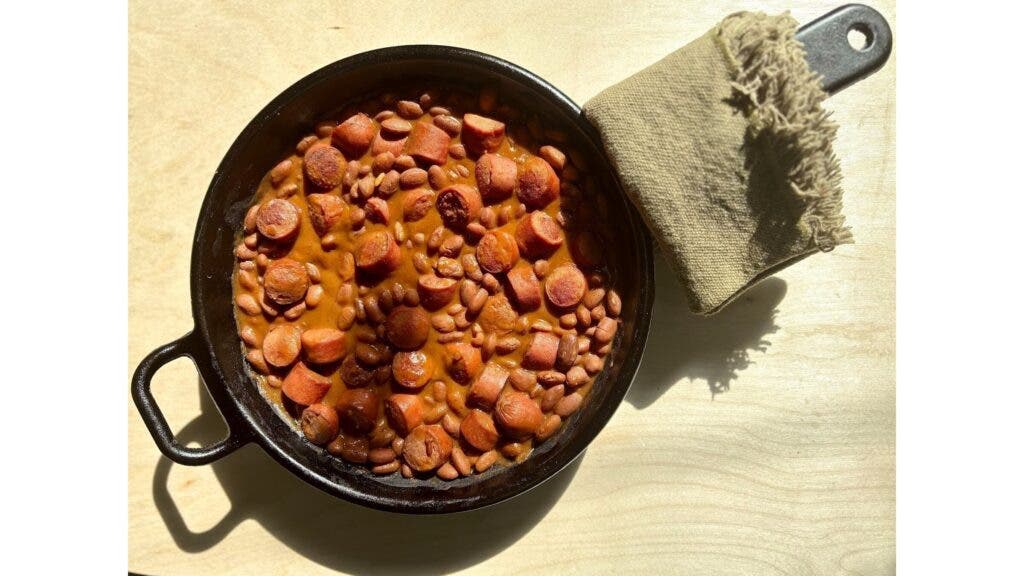
Zhuzh It: You don’t want to mess too much with beans this pure and iconic. Just add grilled hot dogs for the smokiest, sultriest beanie weenies you’ve ever had.
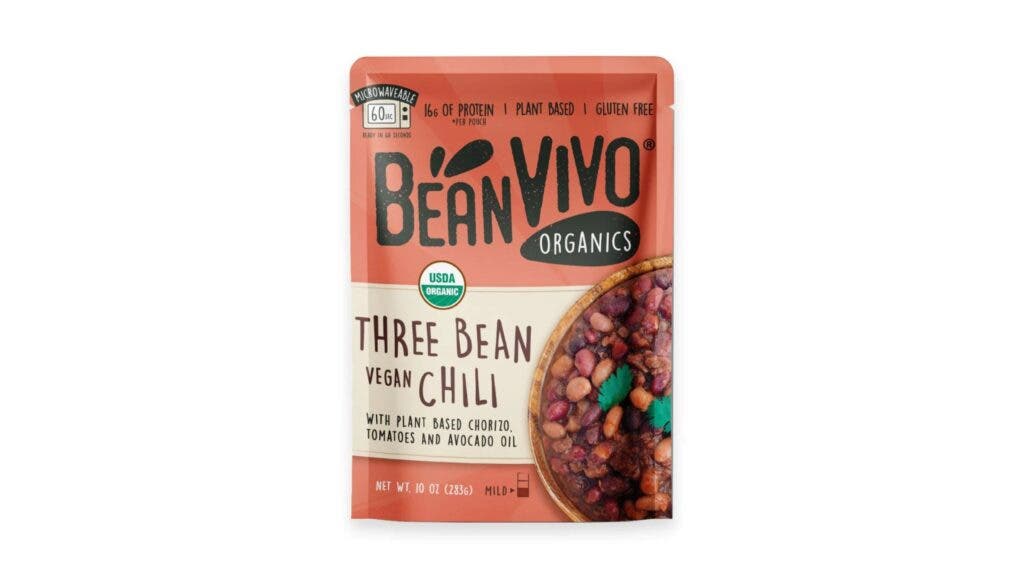
BeanVivo Organics Three Bean Vegan Chili
While we’re in cowboy mode, we’d better get a chili on this list. This brand leans into the sustainability angle, with traceable ingredients and an emphasis on beans as a substitute for animal proteins. Plant-based meats can be divisive, but I liked the texture of the soy chorizo in this classic, kid-friendly chili made with red, black, and navy beans. $3.29 for 10 oz at my local supermarket chain
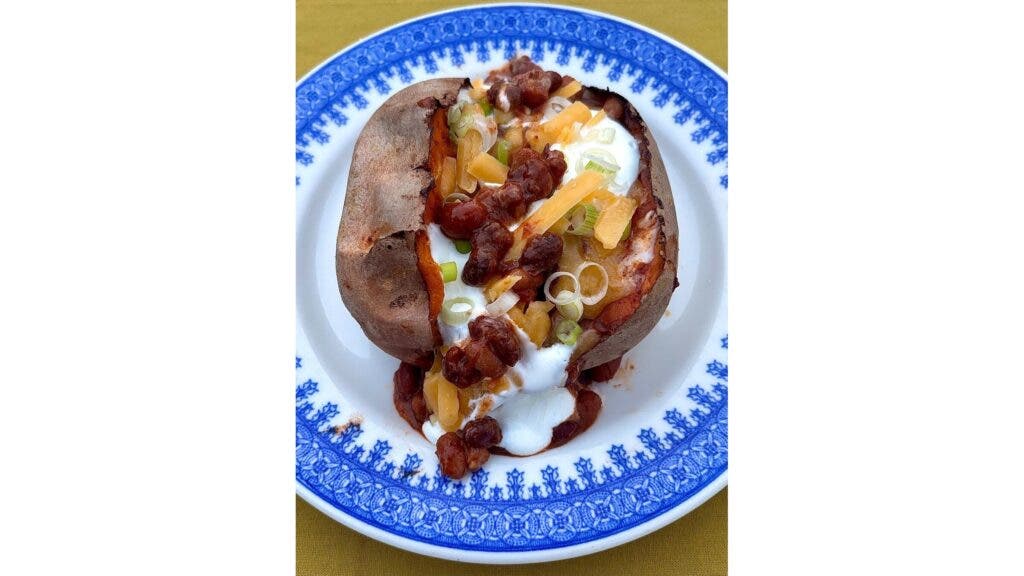
Zhuzh It: A loaded sweet potato is the appropriate choice here. I doubled (and tripled) down with sour cream, shredded cheddar, and shaved scallions.
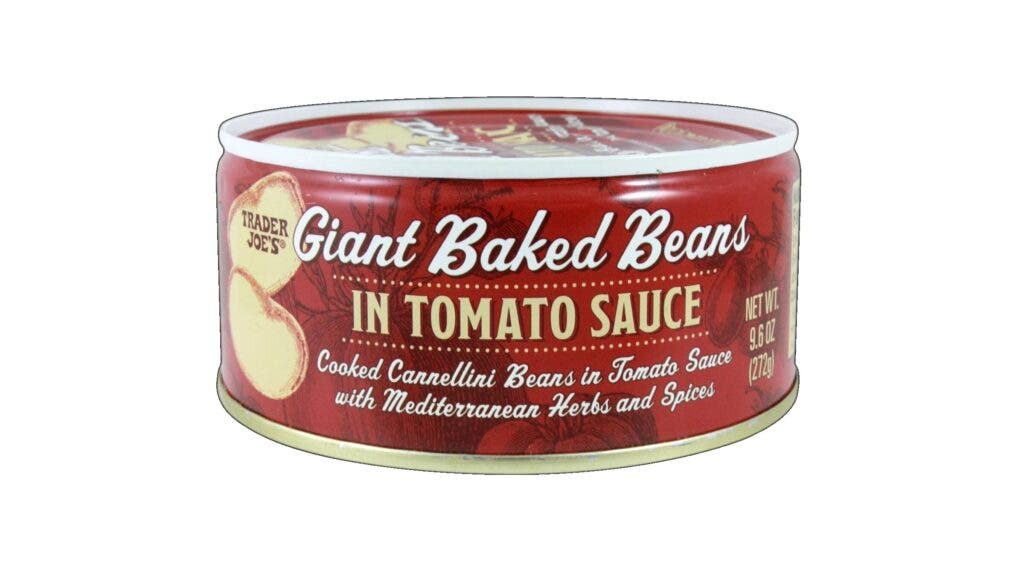
Trader Joe’s Giant Baked Beans in Tomato Sauce
These bargain beauties have been hiding in plain sight at Trader Joe’s for years. I wonder if calling them “baked beans” confuses anyone, because these are not what most Americans know by that name. They are, rather, TJ’s take on the Greek dish gigantes plaki. The word cannellini on the label is also disorienting, because these beans are far bigger and meatier than what I think of as cannellini. They have a nutty flavor and a satisfying bite. The tomato sauce is bright and fruity, punched up with fresh flavors of dill and parsley. $2.29ish for 9.6 oz at Trader Joe’s (depending on your market)
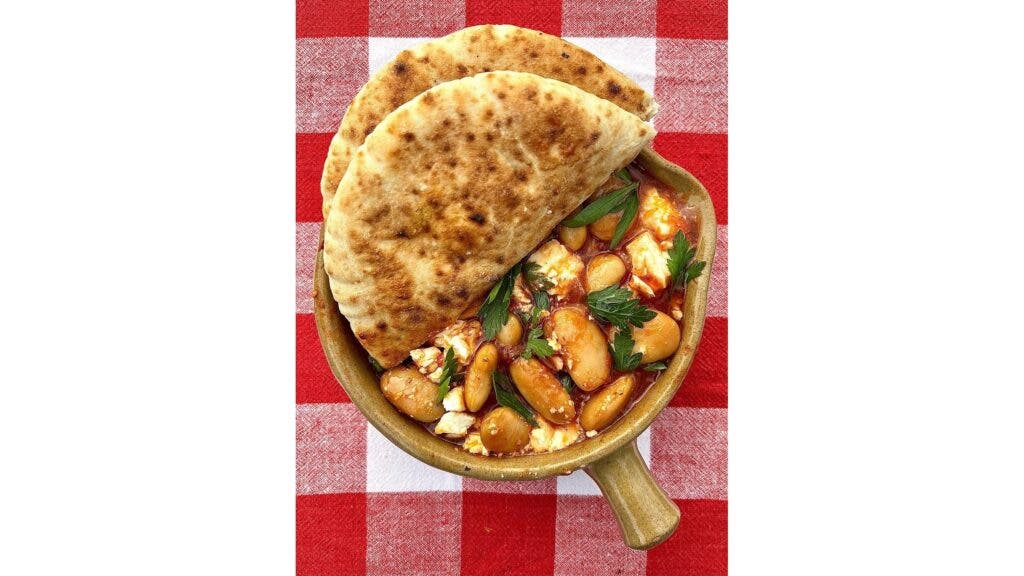
Zhuzh It: My preferred method for heating most of the beans on this list is not microwave or stovetop; I pour them into a heatproof bowl or crock and pop them in the toaster oven, which concentrates the sauce a bit. (A Dutch oven or cazuela nestled in the outer embers of your campfire will do the same.) These beans take especially well to that treatment, dotted with hunks of briny feta, maybe scattered with some fresh parsley, definitely with toasted pita for scooping. Pair with a dry, minerally Assyrtiko. These beans warrant it.
