

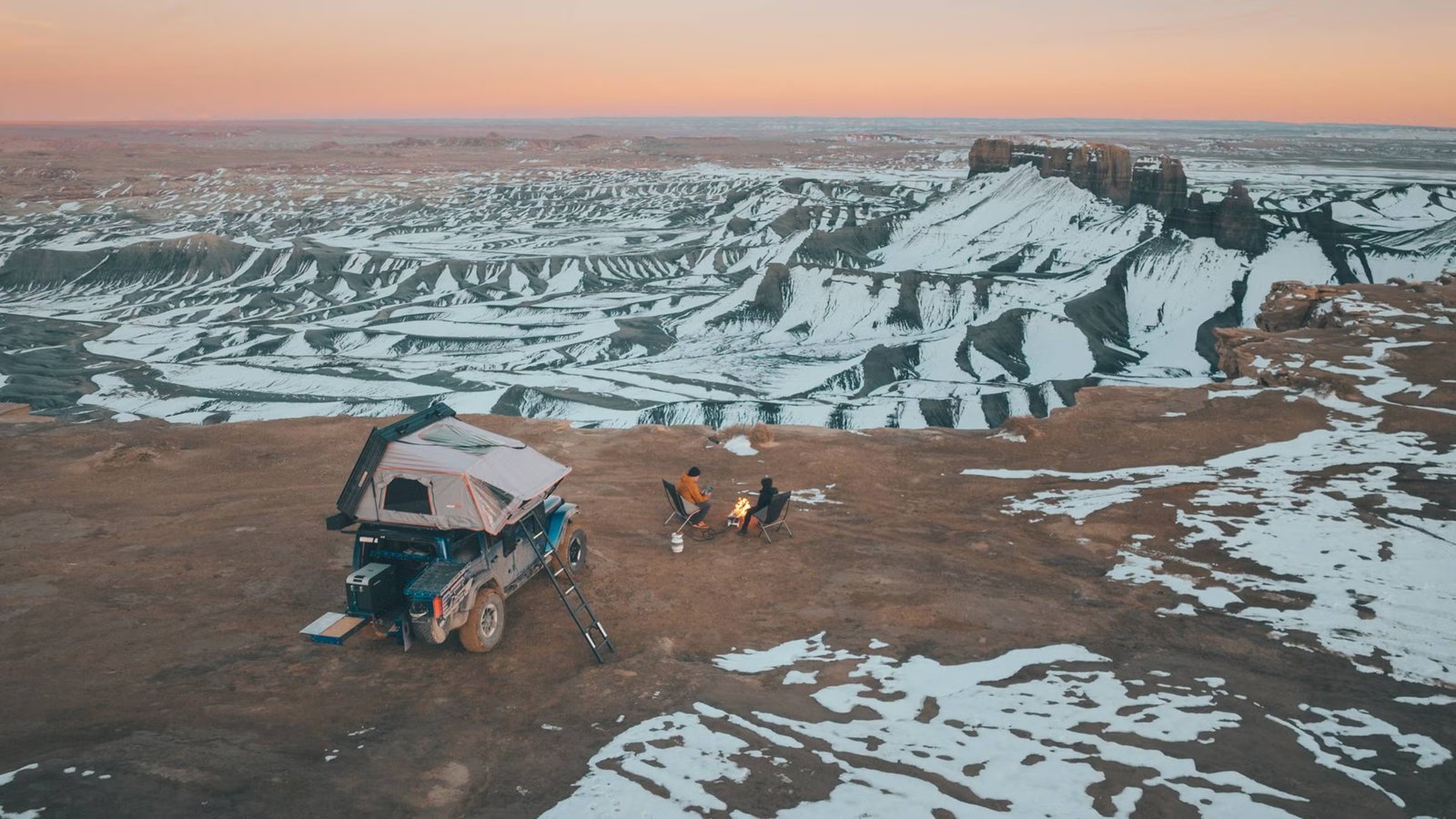
Updated April 26, 2026 06:29AM
It’s 3 A.M., and my alarm is rudely beckoning me to get out of a comfy blanket burrito to start the day. Yesterday was a rough run—six hours behind the wheel through intense thunderstorms, followed by navigating endless desert roads with so many washboards that I feel like my brain is still rattling in my skull. Reluctant to leave my bed, I muster just enough energy to drag myself up and unzip the tent door.
As the world outside my blanket comes into focus, I quickly realize the sky is filled with flickering, multicolored stars that stretch all the way down to the horizon in every direction. There’s not a single trace of light pollution or sign of civilization anywhere on the horizon. It’s unlike anything I have ever seen before. The Milky Way is so clear to the naked eye that I can make out the dark dust lanes that wind through it. To the north, faint pillars of pink dance along the horizon from the aurora hundreds of miles away. These are truly some of the most incredible dark skies I’ve ever experienced.
My journey into overlanding began as a clever way to simplify my work as a photographer. The idea of escaping to remote areas in a comfy little setup and cooking proper meals lured me in. Being able to easily pop open a rooftop tent to get some much-needed sleep after chasing stars all night sounded like heaven compared to the usual scramble to find a place to crash before dawn. What started as occasional trips quickly evolved into an obsession, leading to tens of thousands of miles traveled as I lived on the road full-time. Needless to say, I fell completely in love with it.
I’m not the only one. Overlanding is significantly on the rise, with an estimated 12 million Americans overlanding in 2025, up from 8 million in 2024.
Being a full-time overlander certainly comes with its benefits, but it also has downsides—despite what some Instagram vanlifers might suggest. These are the lessons I’ve learned in living off-grid and the reality of what overlanding is really like.
Overlanding Is All About The Journey
I may sound like a cliché inspirational yoga poster, but stick with me. Overlanding is truly as much about the journey as it is the destination. Before I started overlanding, my adventures mainly focused on reaching a specific spot for a certain payoff. I didn’t care much about the journey itself. I’d reluctantly hike out in the middle of the night, solely driven by the goal of capturing a beautiful sunrise spot. Now, overlanding has shifted that perspective, making the journey half the fun. From planning and research to route finding, and crazy drives through the middle of nowhere — all of it has become part of this epic adventure, making the destination even more rewarding.
Depending on Yourself
Venturing through remote areas comes with a major caveat, though — if something goes wrong, you’re basically on your own to sort it out. There’s no gas station down the street or cell service to call for help. Overlanding demands a high level of self-reliance. Many overlanders carry full tool sets, self recovery gear, extensive first-aid kits, and even spare parts for trailside repairs. While satellite phones and messengers are valuable during emergencies, you’re still in the middle of nowhere, relying on help to reach you.
Plus, normal tow trucks and roadside assistance usually won’t touch anything off the pavement so in most cases you need to find specialized offroad recovery shops. I’ve heard stories of people stranded for days waiting for a tow, then paying over $5,000 just to get their truck back to civilization for an otherwise simple repair. Because of this, many of us keep a backup fund in the bank, ready for the day when our luck inevitably runs out. I once had an entire section of my roof rack, with over 350lbs of rooftent and solar panels on it, randomly decide it was going to disconnect itself from the roof. And of course, this happened while I was at least a three-hour drive down bumpy, off-camber trails to the nearest sign of civilization. Thankfully, I was able to creatively use ratchet straps to pull it all somewhat back into place before slowly limping to the nearest town — otherwise that could have been a very expensive call for help.
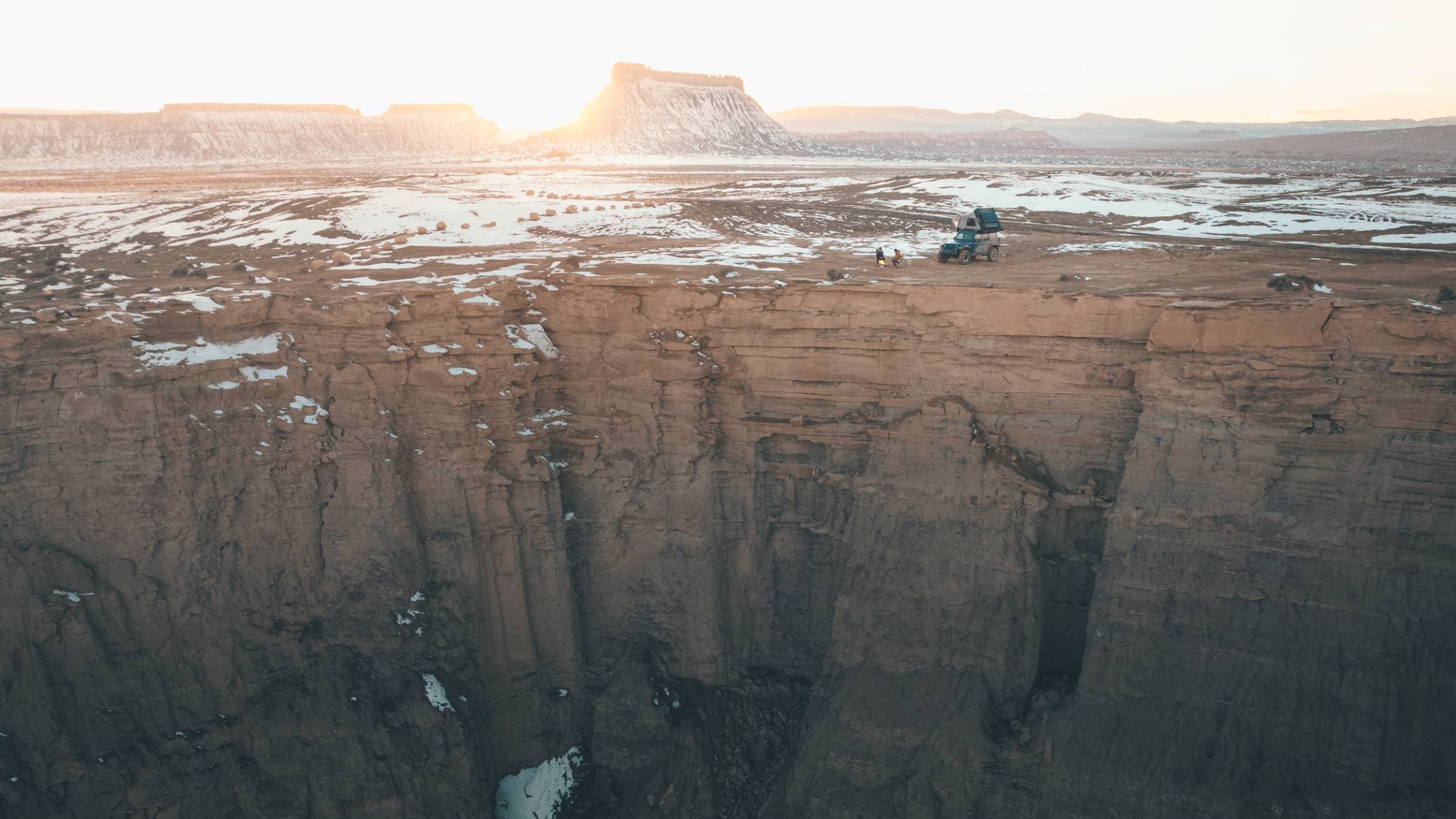
The Absolute Middle of Nowhere
The remoteness of overlanding is probably the biggest draw for me. Over recent years, we’ve seen a huge uptick in people enjoying the outdoors. Which is fantastic. It’s wonderful that more people are exploring and connecting with nature. However, this can make it a bit more challenging to find that peace and quiet we all long for in the outdoors. Overlanding enables you to venture further—escaping packed-out campgrounds or van life parking lots—to discover tranquility far from the noisy neighbors and crowds.
For a city boy like myself, who spent half of his life living in concrete jungles, there is something truly surreal and serene about waking up in the middle of nowhere with not another human for miles. And the magic of seeing no signal or notifications on my phone when I wake up feels like it has added years to my life and mental health.
Planning. Lots and Lots of It.
Living off-grid on the trail definitely calls for some extra prep. There’s no quick trip back to the store if you forget toilet paper or eggs, and no easy home to head back to at the end of a rough day. Your route planning quickly shifts from how do I get to this epic spot to where are the nearest grocery stores and the gas stations along my route, or where am I going to sleep tonight. You also need to make sure you have offline maps and plan backup routes, just in case a trail or road that should hypothetically exist isn’t impassable or washed out from the last storm.
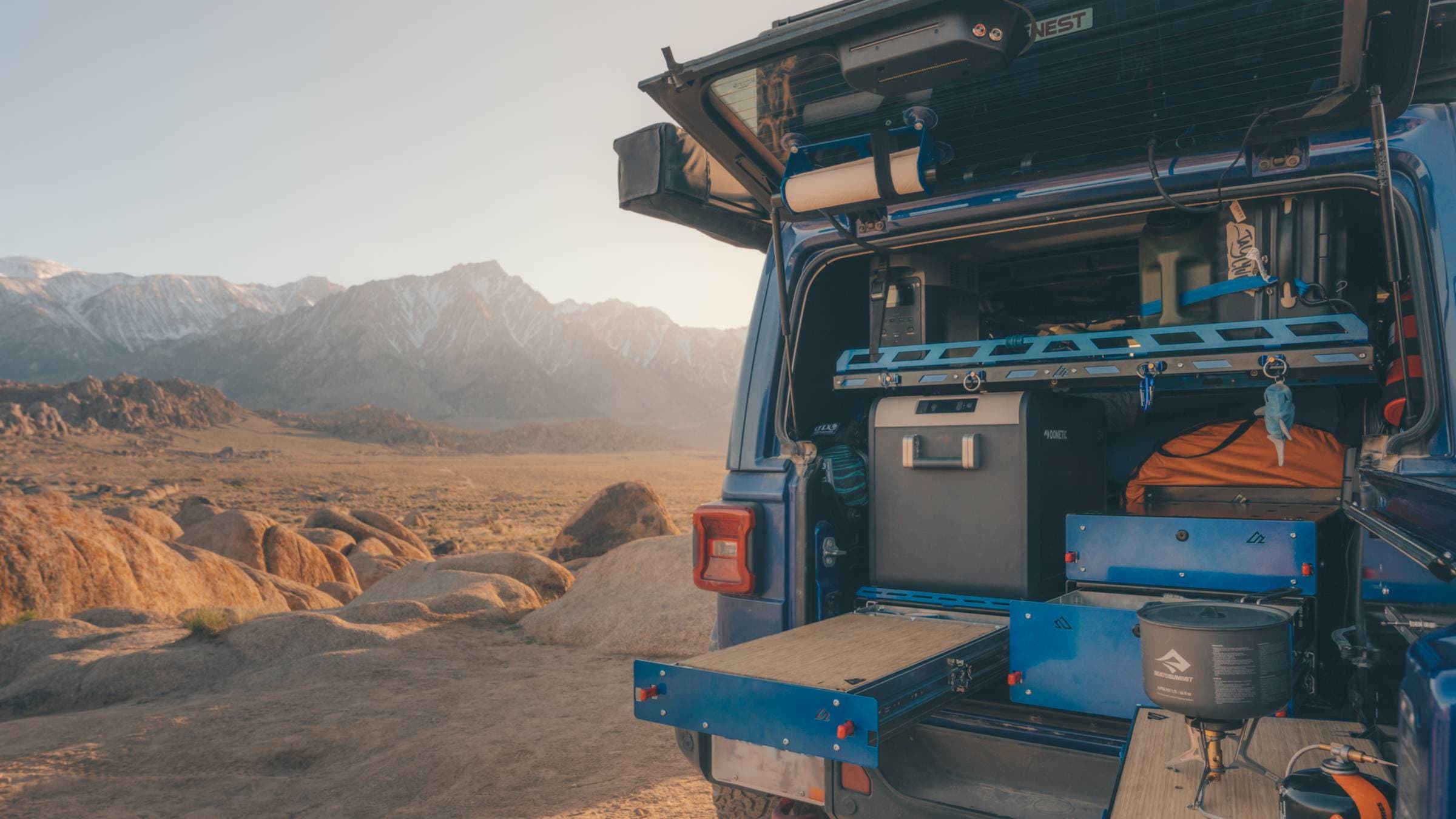
Plus, unless you’re planning to drop a million dollars on an Earth Roamer, how much stuff you can bring with you becomes a never-ending game of Tetris. All vehicles have a maximum weight that they can safely carry, and you’d be surprised just how fast you can reach those limits. This forces you to become a minimalist in just about every aspect of life. It has given me a newfound respect for the thru-hiking backpackers out there and their ingenuity. For me, planning is a bit of a love-hate relationship—I enjoy nerding out on maps and figuring everything out, but sometimes grow tired of constantly planning my next move or wondering where I’ll sleep next week.
The People or Lack Thereof
I spend quite a bit of time alone on the road, which definitely isn’t for everyone. I’d be lying if I said it doesn’t get lonely sometimes. Starlink keeps me connected to the world, but it isn’t the same as good ole’ human interaction. That’s why every encounter with new people or a chance to adventure with friends feels like a real blessing.
The people you meet on the trail run the gamut, but in my experience, most overlanders are incredibly friendly and will go out of their way to help out a stranger. I’ve met all sorts of people, from cattle ranchers to NASA astrophysicists, and countless others. Honestly, it’s reshaped my view of humanity. No matter your background or experience—whether you’re new to overlanding or a seasoned veteran—everyone is eager to chat about their adventures, pass on information, or even pause their journey just to lend a hand. It’s really these connections we make along the way that can make overlanding unforgettable.
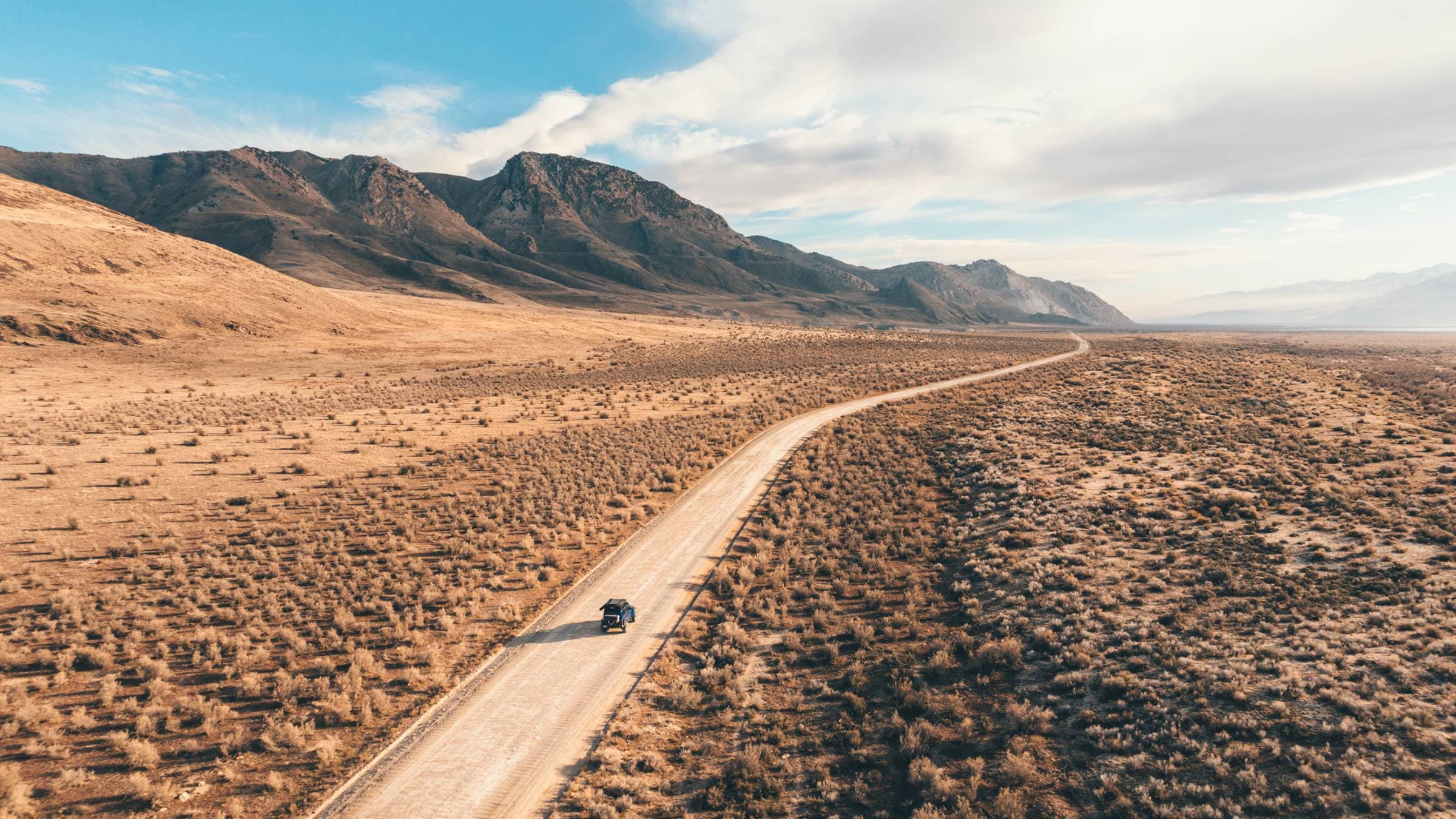
More Time In Breathtaking Places
This last one is probably the most meaningful to me and the reason I keep coming back. There’s something incredibly special about experiencing remote, beautiful areas for longer than just a fleeting moment. With hiking, I often find myself wishing I could stay longer, but then remember I still have a 3-hour walk back to the trailhead, plus god knows how long of a drive back to where I’m sleeping that night. Overlanding changes that—it lets me spend more time immersed in a place, simply taking it all in, since I usually have my “home” parked not too far away.
Plus, there’s just the breathtaking beauty you get to experience. Whether it’s discovering unexpected spots along the way, falling asleep under a sky full of stars while perched high on a cliff miles from anywhere, or waking up beside a mountain lake to cook breakfast as the morning mist rises off the water at dawn. There’s really nothing like it.
Sure, overlanding definitely has its share of challenges and unexpected surprises. But over time, it’s taught me not to let myself get stressed by every obstacle along the way. Instead, I try to embrace the ups and downs while remembering all the epic places I’ve been able to experience. At the end of the day, it’s all just part of the adventure. So try to enjoy that ride.
Jay Clue is a professional photographer and Outside contributor that made the switch to overlanding full-time in 2024. Since then he has clocked over 30,000 miles exploring the rugged beauty of North America while chasing stars, stories, and dark skies in his custom-built Jeep Rubicon overland rig. In hundreds of nights photographing the backcountry, he can happily report there’s only been one rare occasion where he thought that he was about to be greeted by aliens.
