

Published May 3, 2026 03:38AM
“Tradition is a set of solutions for which we have forgotten the problems,” wrote science fiction author Donald Kingsbury, in a book about an alien planet where bees and humans ate each other; “Throw away the solution, and you get the problem back.” Plenty of traditions deserve to die or evolve, but there’s truth here, in the sense that so-called advancements can introduce new (old) problems of their own. I’m talking, of course, about polyester clothing, which seemed like a miracle in the 1950s: Durable! Bright! Wrinkle-free! Now that almost two-thirds of all clothes are made of plastic, one finds oneself longing for anything that breathes.
Synthetic clothing has its place—it really is bright, versatile, and wrinkle-free—and that’s particularly true in the outdoors industry, where advanced synthetic materials are often exquisitely high-performing. (You can pry my PrimaLoft Gold out of my dead hands.) But if you want to feel a bit more old-school these days–and you want materials that are sustainable, biodegradable, and won’t shed microplastics–here’s a rundown of gorgeous natural materials to consider for your clothing and gear.
Hemp
A hemp or hemp-blend T might be shaped almost exactly like a standard (ie cotton) T, but it’ll have a distinct je-ne-se-quais. It’s about five times stronger than cotton and is odor-resistant like wool. Expect hemp fabric to feel heavy, with significant drape, meaning that it falls and flows beautifully.
Most hemp clothing comes in hemp-cotton blends, and the greater the proportion of hemp, the more its properties will dominate. A 30/70 hemp-cotton blend, like what’s used in Jungmaven’s fantastic Ojai tee ($48), feels like a perfectly softened vintage shirt, with a hair more weight than you’d expect, while a 100-percent hemp tee like the Jungmaven Mana 10 ($120) is almost startlingly dense. If you’re not yet acquainted with hemp fabric, I’d recommend saving the heartier blends–say, 50 percent hemp and above–for outer and midlayers, because its weight and density make even fine fabrics feel substantial. I’ve been wearing Astral’s Sunrise Hemp Hoodie ($99) (a 55/45 blend) frequently for over a year, and always get compliments; I swear it gets better each time it’s washed. The same is true for Jungmaven’s Cropped Long-Sleeve Tee ($88) (55/45 hemp/wool), which I’ve had–and worn and washed often–even longer. It’s the perfect combination of sweatshirt and T.
Linen
Although linen is easier to find in stores than hemp, it’s not all created equal. The fabric varies by weight, thread size, and density; cheaper linen is flimsy, with short fibers that feel rougher to the touch. Linen fabric with longer fibers might start out rough, but with time, it’ll soften without weakening, so it feels even better with age.
Linen fabric is measured in gsm, which means grams per square meter; the higher the number, the more substantial the material. Fabric in the 80 to 150 gsm range is light and gauzy; 200 gsm and above is heavier. For a pair of basic but high-quality linen pants, I like Siskin’s Hawthorne trousers ($135), which are in the medium/heavy range of 210 gsm. They fit like “mom jeans” from the 1990s, with a loose cut, high waist, and deep pockets. They’ll stretch with wear but snap back when you wash them; that’s normal for linen and hemp, which have less elasticity than cotton.
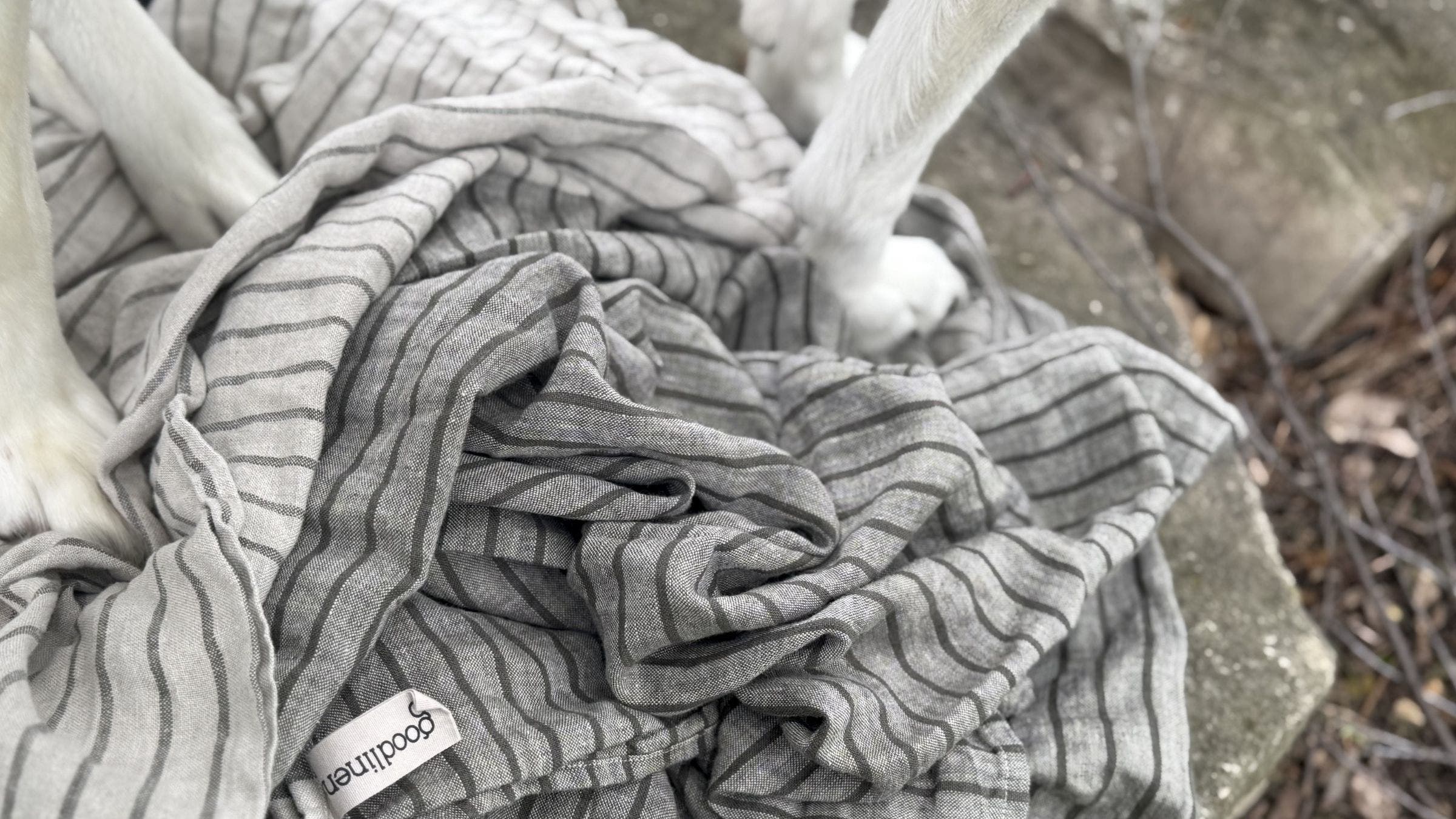
Another great use for linen is as a lightweight blanket/wrap. There’s a reason that almost all cultures have some sort of beautiful, versatile cloth garment, like a sarong, pareo, or peshtemal–and for a deceptively durable piece in that same vein, I love Goodlinen’s Beach Blanket ($110), which is a jack-of-all-trades textile that I use constantly in the summer months. It lives in my car (and my kids’ stroller). Need a wrap for your shoulders when it’s chilly at night? A towel? A swimsuit cover-up? A picnic blanket? A sun shade? At about five by six feet, it’s big enough for most purposes, while the 100-percent linen fabric has long fibers for durability but is thin and super-light, making it, interestingly, both tough and almost translucent to the light; it packs small and dries fast. It’s also genuinely beautiful, with slightly variegated threads, so if you’re a textiles nerd like me, you’ll love using it for that reason alone.
Shearling
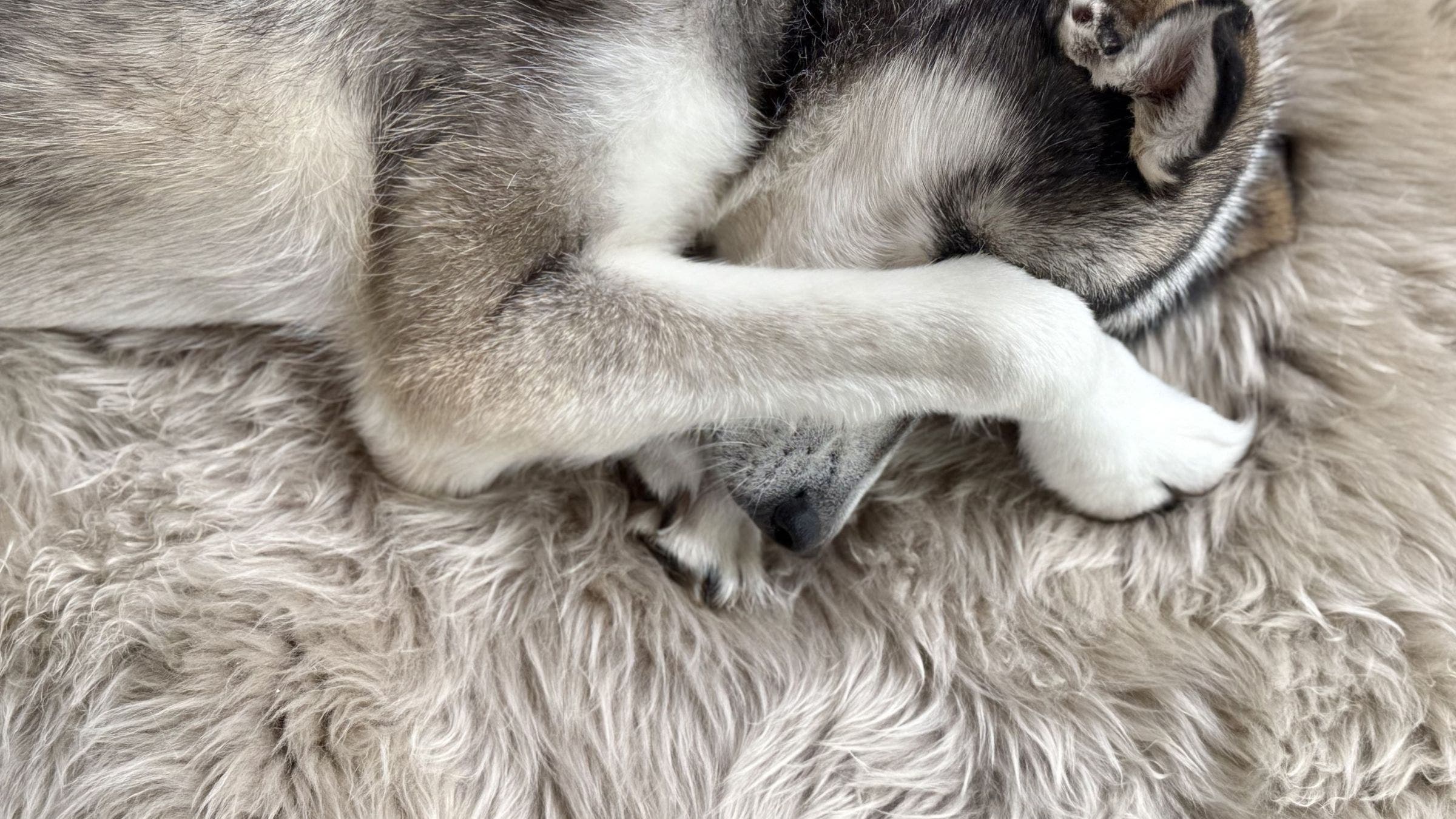
When I lived in Norway, people used sheepskins for everything: lining baby strollers and dogsleds, tossing over chairs and couches, sitting on around the fire, and so on. It’s a habit that stuck with me, because there is practically nothing cozier. Like all wool, sheepskins insulate beautifully and don’t hold smells, although they do get matted with use; you can brush them back to fluffiness with a wire pet brush. Some fibers may come out, but trust that, like a husky in the springtime, a sheepskin can shed a lot and still have plenty of fuzz.
I like to get shmancy and use a two-pelt rug, like this extremely plush one from Overland ($219), as a sleeping pad for camping. It’s huge and heavy—definitely not for backpacking—but it’s thick enough to bury your hand in and makes for an extraordinarily warm night, even (especially!) on snow. Just be sure, when you use your sheepskin outdoors, that you let it dry thoroughly every time! And be aware that if you have pets, they will try to claim it as their own. (Tell them they have to share. After all, they already have a beautiful natural coat of their own.)
A Note on Longevity
Natural fibers are durable, but they also wear in; they soften, crease, and mat. That’s good. These are—or were once, at least—living materials, and there’s something lovely about an item that starts to tell a story over time. Don’t be afraid to try your hand at mending a favorite item that’s well-worn, and if you’re particularly inspired, try your hand at visible mending techniques like sashiko.
A garment or item’s durability isn’t just based on the material it’s made from, but also the thickness of the thread, the length of the fibers, and the weave. Take Pendleton’s famous wool blankets: most are woven on a jacquard loom, which makes for beautiful, intricate patterns, but creates long “floats,” which is when one thread skips over several others in order to make a design. Since long threads can snag, the result is less robust–plenty tough for a couch or bed, but not for, say, dragging over sticks. Pendleton’s Yakima camp blankets (from $228), on the other hand, are made with the same materials on a shuttle loom, which has shorter floats, making them hardy for use outdoors.
Natural fibers can command a steep price tag, but they’re also extremely thriftable, especially if you’re shopping for fiber content and not too picky about color or style. If you want to add more natural materials to your closet, don’t feel like you need to spend a ton or do it all at once. These pieces have long lives, and you’ll find them over time.
