


Published May 3, 2026 03:36AM
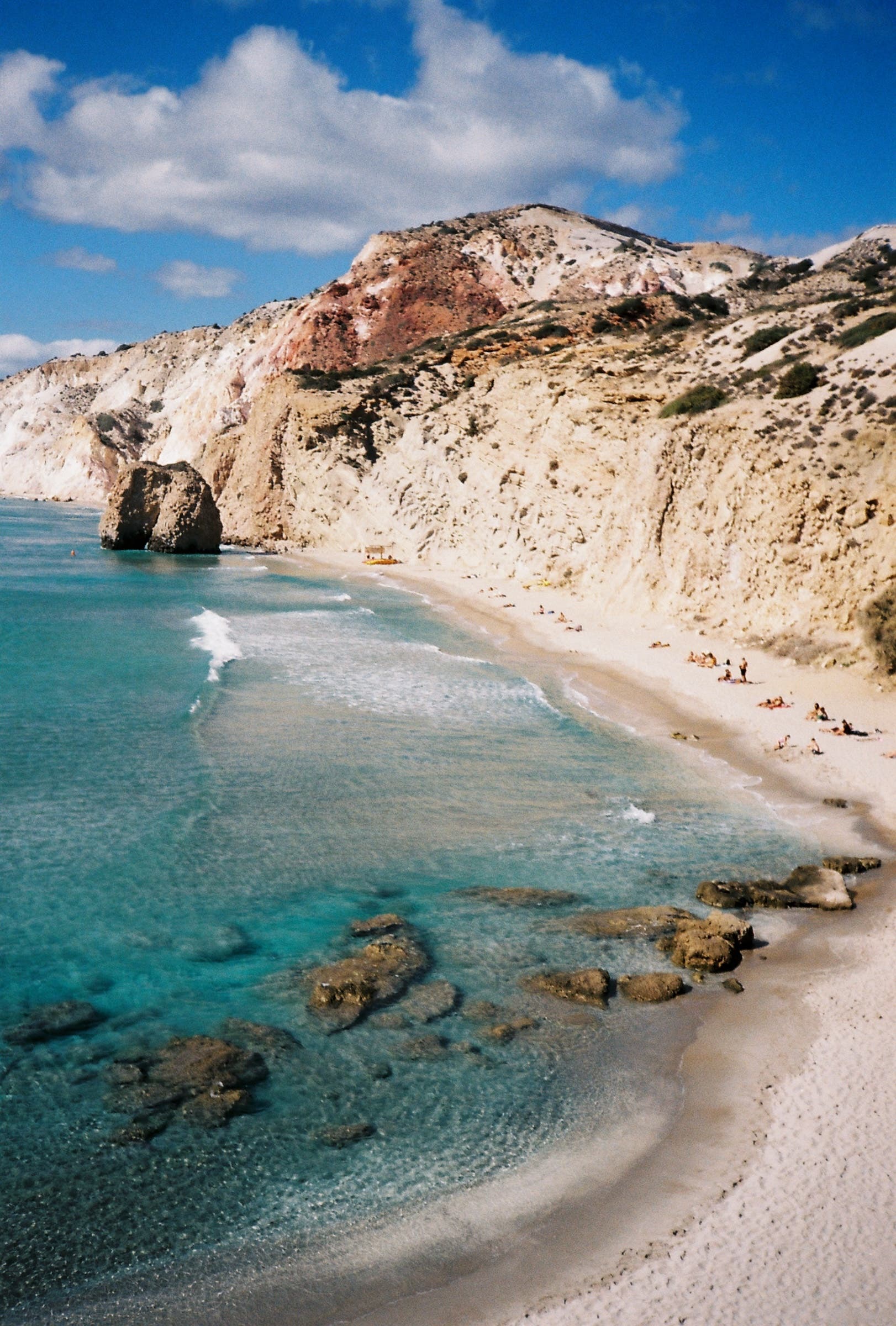
As I sat on the bow of a sailboat, marveling at the turquoise waters below and cave-strewn shores ahead, the sun trickled over my bare shoulders and a salty breeze swept through my hair. I reached for the small point-and-shoot film camera in my bag. I carefully lined up my shot to frame the majestic caves of Milos and relished in the satisfying click of the shutter as I captured the image. It was one week into my honeymoon in Greece, and I felt a profound sense of peace as we floated on the Aegean sea. We had taken this trip sans digital devices—and my phone was the last thing on my mind.
Leading up to this vacation, I had a desperate desire to distance myself from technology; after a year of balancing wedding planning and my career, I needed a break from social media, the barrage of emails in my inbox, and the incessant impulse to check my phone. I wanted to take the time to truly unwind, slow down, and enjoy quality time with my partner. However, I knew that if I picked up my phone every time I wanted to take a photo of Greece’s gorgeous scenery, it would be all-too-easy to mindlessly drift to a distracting app.
So, a week before my trip, I walked to the small, independently-owned camera store in my neighborhood. I selected a camera, purchased three rolls of Kodak 35mm film, and prepared for a travel experience rooted in presence and intention.
I didn’t know it at the time, but the choice to distance myself from tech during the trip aligned with a growing trend: analog travel.
The Rise of Analog Travel
Amid the raging nostalgia for the 90s and early aughts—ripe with romanticisms about landlines, CD players, and days spent outdoors in a world of imagination—the concept of “going analog” has trickled into our zeitgeist. Whether due to social media, AI, or our society’s reliance on technology, many of us are craving a less dystopian-feeling existence.
“Analog travel” prioritizes intentional, low-tech experiences on vacation over digital distractions. It’s all about slowing down, using tangible tools like paper maps and film cameras, and seeking memorable, meaningful travel moments, rather than merely capturing content for social media.
Of course, going offline or off-grid is very common in adventure travel. And, while it might seem counterintuitive considering modern life is increasingly online, analog trips are becoming much more mainstream.
“We live in a world where almost every part of daily life now runs through a smartphone, from how we navigate and communicate to how we document and consume our experiences,” says Neal Bateman, head of expeditions at Kensington Tours, which offers tailor-made journeys across 120 countries, including some off-the-grid excursions. “For many clients, that constant connection is creating a growing desire to disconnect in order to reconnect, not just with the people they are traveling with, but with the world around them.”
“The appeal of analog travel is not about rejecting modern life, but about creating space for wonder, presence, and genuine human connection,” Bateman says.
We’re seeing this desire come into play across 2026 travel trends. Interest in astrotourism has skyrocketed—with some analysts predicting the already $10 billion nighttime tourism market could double by 2035. Many travelers are also gravitating toward rural destinations: According to a survey by VRBO, 84% of travelers are interested in staying on or near a farm, and are particularly interested in nature walks or hiking, the chance to interact with farm animals, and harvesting produce or picking fresh fruit. What’s more, literary retreats—which center on reading (primarily physical books) in lovely destinations—are more popular than ever in 2026. All of these trends are rooted in a common desire: More time spent outdoors, connecting with the world, and engaging in tangible activities that bring joy and fulfillment.
In some cases, the analog approach takes effect before the trip even begins. Many travelers are planning with the help of classic guidebooks, travel magazines, and anecdotal recommendations from friends—rather than turning to search engines or AI itineraries.
While it may seem tedious, this practice is actually incredible for our brains, says Nicole Vignola, a neuroscientist, brain health consultant, and founder of The Mental Currency Method. When we don’t depend on technology to think for us, it allows us to hone our critical thinking skills and creativity.
What’s more, giving our minds a break from digital distractions allows us to hone our “default mode network”—a set of interacting brain regions most active when the mind is at rest or daydreaming.
“That part of the brain is like a garden,” says Vignola. “If you don’t tend to it, in the sense that if you don’t sit with your own thoughts and spend time with yourself, then it becomes a place you don’t want to be. Or, you can spend time with it, cultivate it and plant flowers—eventually it becomes a place that’s enjoyable.”
For those who don’t quite feel comfortable ditching all their tech on a trip (for safety reasons, for instance), Vignola suggests deleting all apps on your phone beyond the ones that are absolutely necessary. “Essentially, you’re restoring your phone to its intended purpose,” she says, rather than a device of rampant distraction.
Analog travel isn’t revolutionary for travelers who already prioritize off-the-grid trips, where a detachment from technology is built in. But it is becoming all the more desirable for the everyday traveler.
Hotels Supporting Mindful, Tech-Free Travel
While much of this trend is traveler-driven, hotels are taking note, especially those built with analog travel as a cornerstone of their brand. At upscale camping brand Under Canvas, for instance, going offline is integral to the experience: They intentionally don’t offer WiFi in their camps, and instead encourage guests to unplug, enjoy the natural surroundings. With locations in stunning natural locations, they also offer an array of activities that encourage guests to relish in analog pleasures—from nightly s’mores around the fire to stargazing to destination-specific adventure outings.
Properties in close proximity to national parks are embracing the concept, too—take Hotel Wren or Reset Hotel, for instance, which offer modern accommodations without any tech in the rooms, inviting guests to recharge and spend time in the nearby Joshua Tree National Park.
Wellness properties in particular are responding to the growing need to create distance with the digital world. Properties like Alisal Ranch in Solvang offer a number of earth-centered activities, from plant identification walks to flower cooking classes; spas like El Monte Sagrado in Taos offer “nervous system restoration” treatments, meant to combat our world of constant cortisol spikes.
For Miraval Resorts, mindfulness has always been a foundation of any stay, which means fostering a digital device-free environment. All three of their locations offer “cell phone sleeping bags” in each room, where guests can tuck away their device to take a break from tech during the entirety of the stay. Guests are also provided with paper pads and pens for journaling and reflecting, newspapers for those who wish to stay updated about the world, and maps that designate the few select areas where cell phone use is permitted on property. They also share resources for travelers ahead of their stay, with suggestions on how to mindfully unplug before arrival.
“We view digital mindfulness as one of the most powerful and rare luxuries we can offer. When guests step away from constant notifications and the pressure to stay connected, they create space to actually hear themselves again,” says Heather David, Miraval Resorts director of digital and brand marketing. “It’s not about restriction, it’s about giving people permission to fully arrive in their own lives, even if just for a few days.”
At Cal-a-Vie, a wellness resort in southern California, cell phone use is discouraged in common areas. Last year, I took that mindset one step further and committed to a three-day hiatus from my phone while staying on property. Rather than scrolling at night, I read a novel I’d been meaning to finish for some time. At mealtimes, I made meaningful social connections with the other travelers instead of burying my nose in my phone. I filled my days with outdoor hikes, new fitness activities, and mindfulness exercises that left me feeling refreshed and fulfilled, not drained. During my stay, I also felt my creativity flowing—I was compelled to journal and write prose, without any of the blockages I often experience when bombarded with daily tech distractions. It was like I could feel my brain come back to life, even in a short amount of time.
Choosing Adventure and Creating Instead of Scrolling
Beyond just ditching phones for the duration of vacation, analog travel is also about embracing fulfilling activities. It means replacing time you’d be scrolling with more meaningful new experiences, and even new skills—whether it’s taking a surfing lesson in Hawai’i or learning to play padel in southern California.
A vacation is also the perfect time to try your hand at a more niche activity you might not otherwise try. At Ojai Valley Inn, for instance, guests learn all about beekeeping—from how honey is made to how hives are structured—under the guidance of the Inn’s resident beekeeper.
Within the larger analog trend, there’s a pull toward tactile arts and crafts (according to recent data from craft store Michaels, searches for analog hobbies such as knitting, crocheting, embroidery, journaling and painting have surged 136% over the past six months). This aspect has filtered into travel experiences, as well.
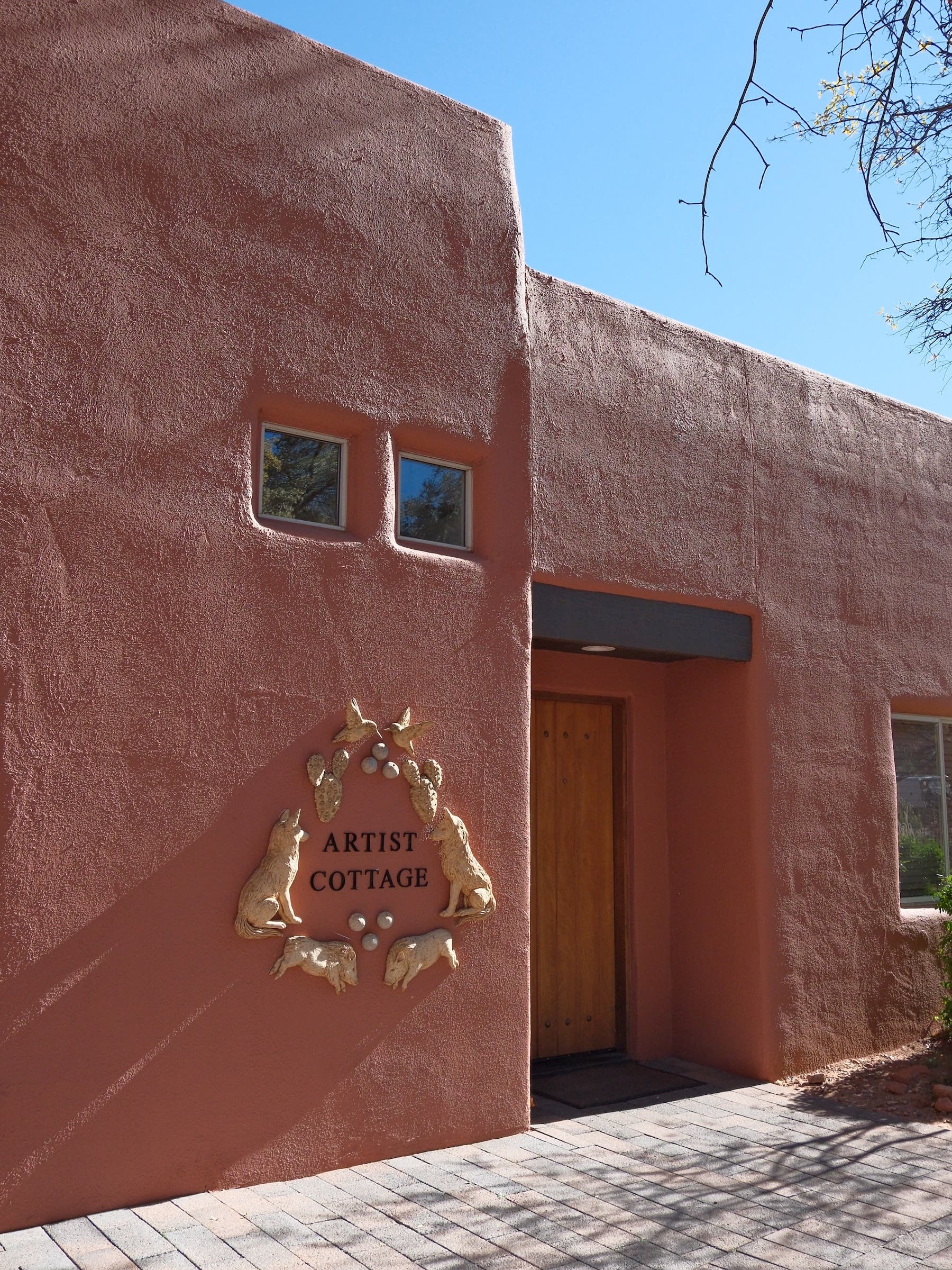
Enchantment in Sedona, Arizona, just opened a 2,000-square-foot Artist Cottage, where guests can swap screens for hands-on artistry, like watercolor painting, pottery glazing, beading, and wood burning—all intended to serve as creative rituals that quiet the mind.
While visiting Enchantment’s sister property Mii Amo last month, my husband and I opted to try candlemaking, the signature “journey into creativity” experience offered the week of our stay. Slowly and mindfully, we learned this new artform together—from melting wax to choosing essential oils to selecting a natural dye. Although the class was just a bit over an hour, time stretched in the most satisfying way. And, now, whenever we burn those candles at home, we’re reminded of our incredible trip to Sedona.
For those looking to take their creativity outdoors, Enchantment also offers a night sky photography program (among other dark sky experiences) in which guests of all skill levels can learn how to optimally capture the stars and moonlit landscape of Sedona.
The Next Generation of Analog Travel
In Sedona, I noticed a number of families working on their own crafts in the Artist’s Cottage: a mother and daughter made pottery together; a couple with young children learned to work with watercolor. It occurred to me that analog travel isn’t just an asset to us as adults, but vital for future generations, as well. As so many of us are nostalgic for our own screen-free childhoods, it seems fitting that we find ways to create that same experience for our own children, wherever possible.
At Pendry Newport Beach‘s kids’ club, Paintbox, children ages 5 through 12 get to let their imaginations run wild—with locally-inspired arts and crafts, group games, and outdoor adventures.
Ojai Valley Inn invites kids to participate in creative exploration at Camp Oak, a half- or full-day program where they get to enjoy fresh-air activities designed to spark creativity and curiosity—like learning about the surrounding flora and fauna, or trying themed science experiments. Over at Alisal, kids ages seven and older can try out horseback riding under the guidance of skilled instructors.
And, in true analog fashion, The Ritz-Carlton Maui, Kapalua offers a “Survivor” experience for kids ages 5 to 14. Part of their Ambassadors of the Environment series, this program teaches kids about what early Hawaiian life might have been like—they learn about basics of island survival, including survival tools that come from the earth and how to build a shelter.
The Profound Value of Going Analog
Ultimately, there are so many directions that analog travel can take—but, at the core, it’s about returning to the feeling of journeying to a new place. It allows us to learn about cultures different from our own, connect with new people, marvel in the beauty of our natural world, and make lasting memories with our loved ones. Miles away from home, we’re also given the space to think clearly, to grow, and to discover new facets of ourselves.
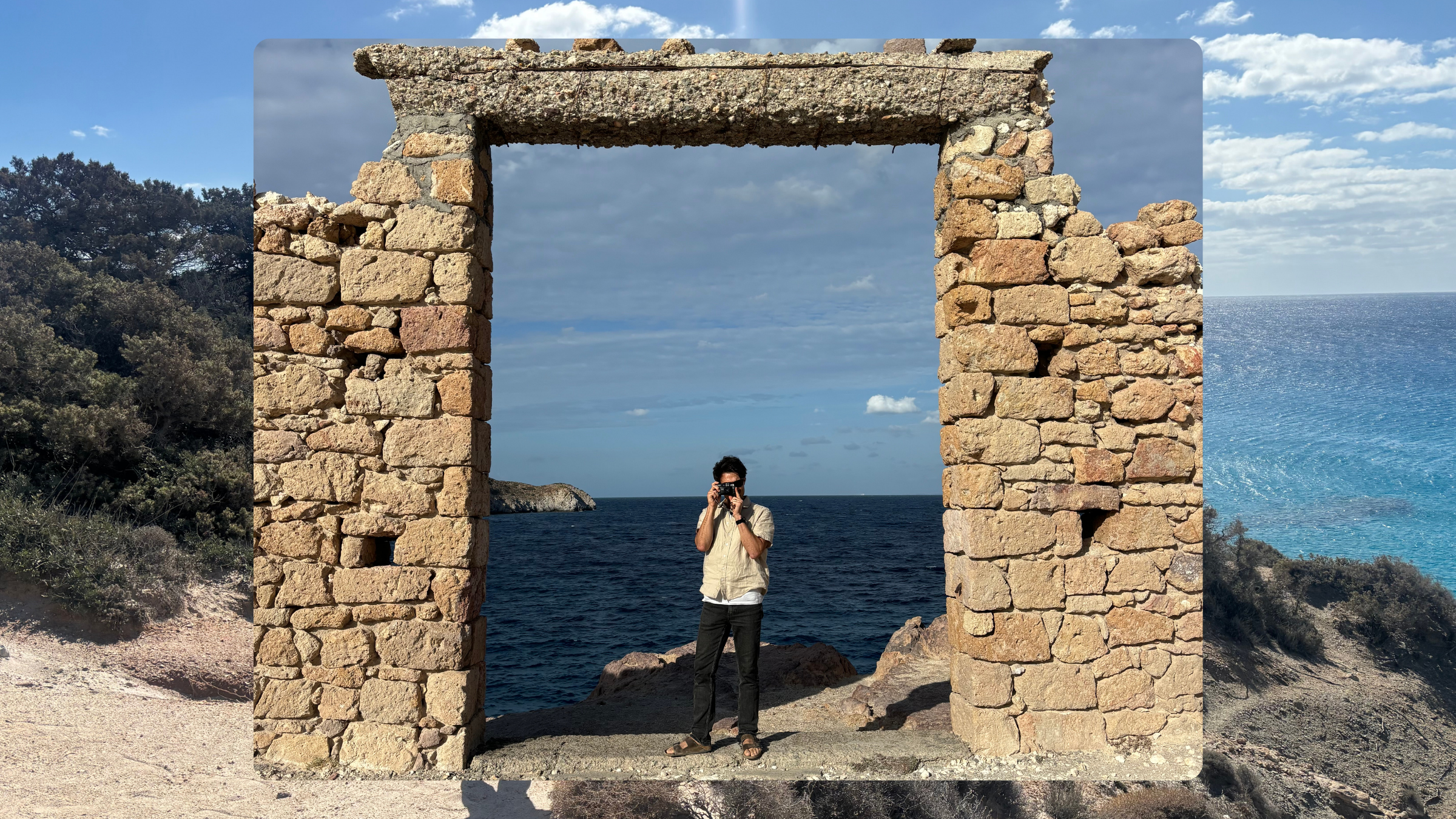
For me and my husband, the seemingly simple choice to go analog with photography turned out to make a massive difference in our travel experience. Not only did we both love trying out a new art form—taking care as we lined up a scenic shot or having fun capturing a spontaneous moment—but we also discovered this kind of photography felt less about performance, and more about personal creativity and expression.Although we weren’t perfect with our approach (admittedly there are still a few videos and photos in my digital camera roll; see above), simply setting the intention to prioritize analog shifted our mindset.
In the process, we felt the desire to check our devices wane. I even ended up keeping my phone primarily on airplane mode, only checking every few days in case of an emergency.
Neither one of us succumbed to social media scrolling, we spent more time reading than we ever had on a trip, and we returned to the kind of travel I love most: mindful, immersive, and exploratory. As a result, I was not only able to connect with my partner, but also reconnect with why I fell in love with travel in the first place.
Kristine Thomason is a travel and lifestyle journalist based in Southern California. As a longtime health writer and editor, Kristine is particularly passionate about the intersection of wellness and travel—she’s a big advocate of trips that support mental health and have a lasting impact on well-being, including going analog.
